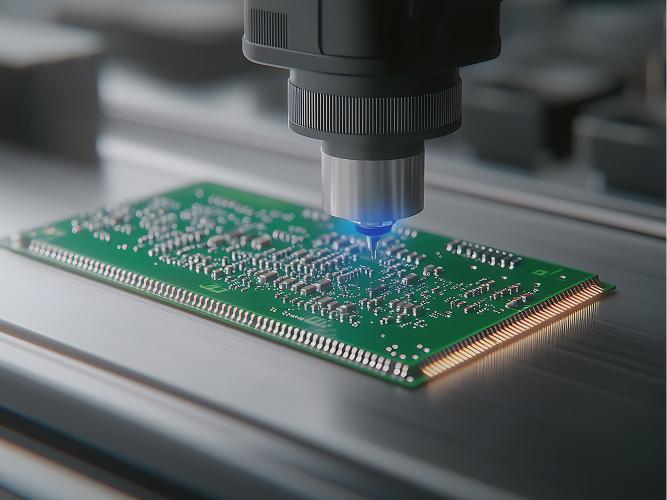
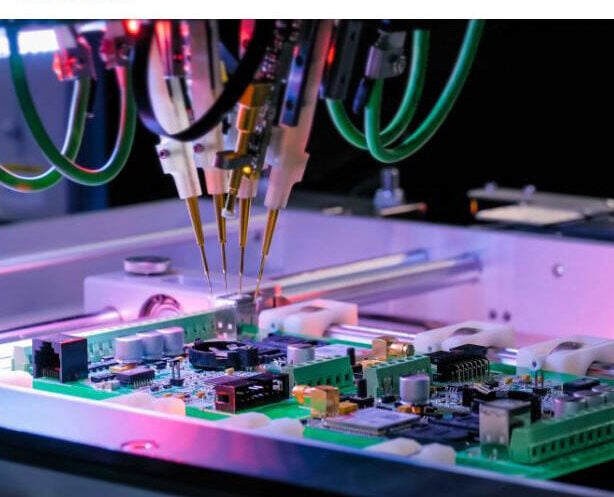
Automotive PCB Assemblies & PCB Assembly Services for Advanced Electronic Manufacturing
Introduction to Automotive PCB Assembly
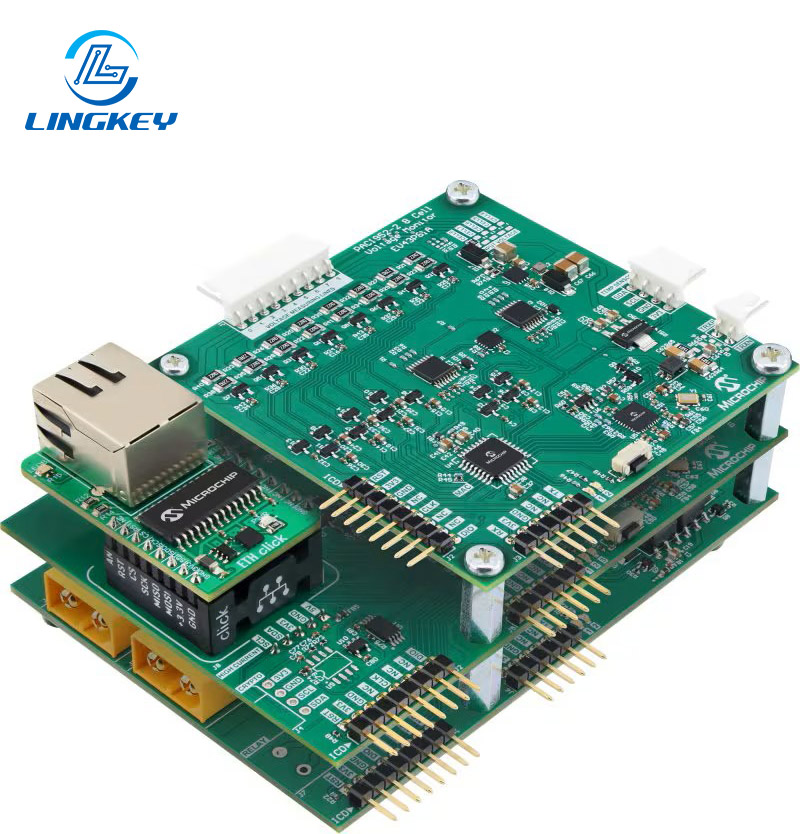
The automotive PCB assembly is at the core, which the global automotive industry growth rates is largely defining the shape of the modern electronics market. Today’s vehicles have sophisticated electronics systems not only for infotainment and safety but also for core operation such as electronic control units (ECUs), battery management systems and advanced drive systems (for Electric Vehicles).
The needs for pcb assembly services and electronics manufacturing services (EMS) are broadening from engine control to ADAS and connectivity. High temperature, severe mechanical vibration, and possible supply chain interruptions are the hallmarks of the environment of automotive PCBs. Functional performance, reliability, traceability, and industry-standards- (i.e ISO 26262, IATF 16949) compliant automotive PCB assembly must achieve all these to be automotive-grade and successful.
China, as well as other electronics manufacturing hub across the globe, brings excellence providing reliable automotive pcb solutions through continual innovation in material science, precision assembly and smart manufacturing solutions.
With professional experience in Automotive PCB Assembly, LingKey offers a high reliability, full traceability and standard compliant PCBA service to facilitate automotive innovation across the globe.
Types of PCBs Used in the Automotive Industry
There are a wide range of pcb assembly services and pcbs in the automotive systems:
| PCB Type | Applications | Features |
| Rigid PCBs | ECUs, BMS, powertrain | FR-4, High-Tg, cost-effective, durable |
| Flexible PCBs | Instrument clusters, bent surfaces | Polyimide, IMS (insulated metal substrates) |
| Rigid-Flex PCBs | Airbag systems, complex dashboards | Robustness for moving parts and shock |
| Metal-Core PCBs | Lighting, high-power modules | Thermally conductive, excellent for heat dissipation |
| Metal-Backed & High-Frequency PCBs | Advanced safety radar, communication modules | PTFE and halogen-free for high-speed signals and minimal interference |
| Ceramic PCBs | Sensor modules, high-voltage systems | Superior for high temperature, chemical resistance |
| HDI (High-Density Interconnect) | ADAS, cameras, connectivity devices | Compact, multilayer PCB assembly for high component density |
Common Applications for Automotive PCB Assembly
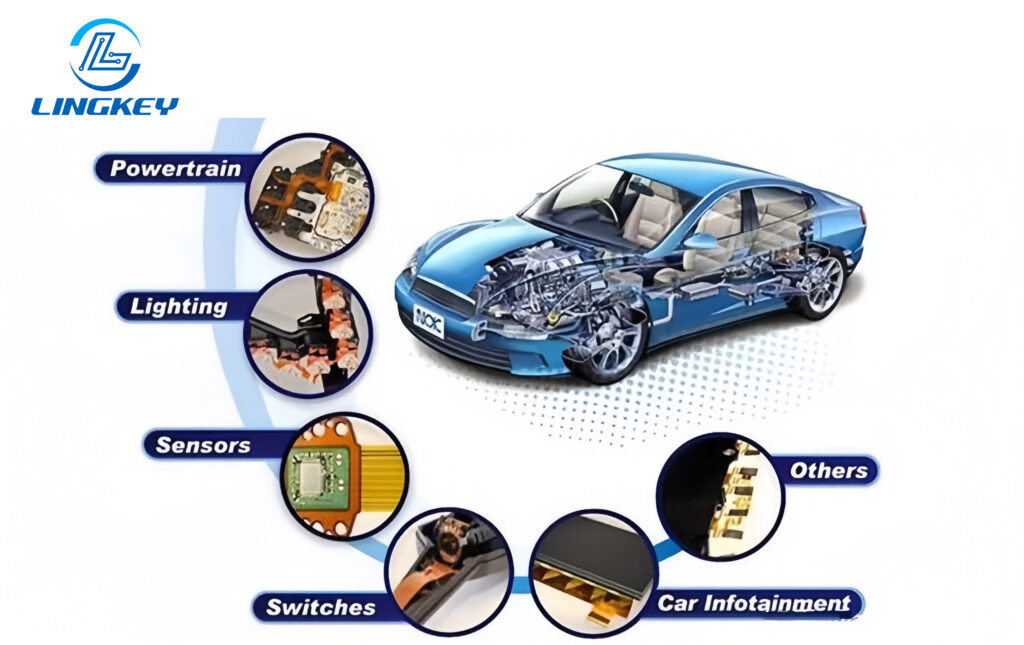
The need to integrate advanced PCBs into the automotive electronics production line brings with it a diversity of unique end applications, all demanding a very reliable assembly service:
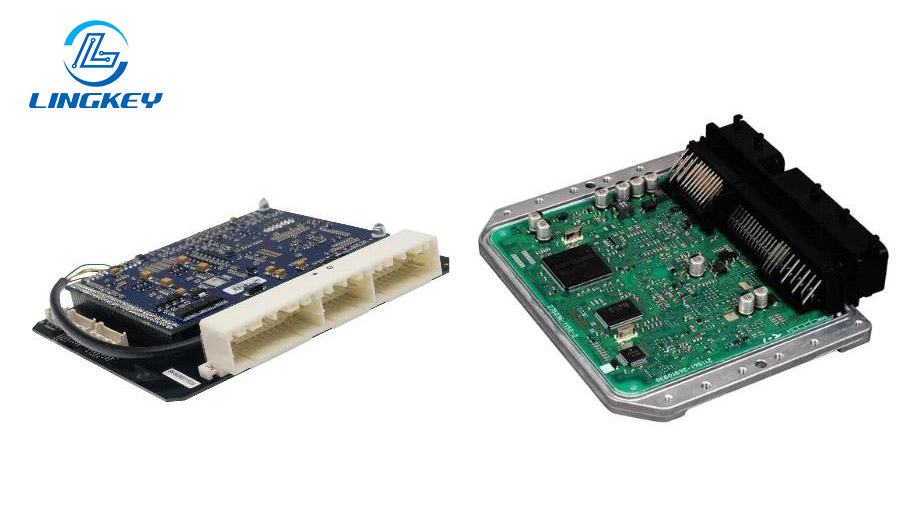
- ECUs (Electronic Control Units):The control unit for the engine delivery, safety equipment and more. It has been developed using FR-4, metalized with multilayer and for the high temperature resistance and mechanical stress resistance.
- Advanced Driver Assistance Systems (ADAS):High Dynamic Range Interfaces (HDRI) technology is used for systems like lane-keep assist and collision detection, metal backed, high frequency PCBs.
- Electric Vehicles (EVs):The Battery Management Systems (BMS), inverters and delivery of power modules require PCBA with the high-level thermal management, thick copper layers and the protective coating which offers the high-voltage insulation.
- Automotive Lighting:Transition to LED lighting requires MCB or IMS PCBs. They withstand large temperature fluctuations and can be used for long time in corrosive environment.
- Infotainment & Connectivity:Flexible and rigid-flex PCBs allow for the development of dense and rugged infotainment modules that maintain a high level of signal Safety Devices & Instrument Panels: Air bags or sophisticated dashboards are built up from electronic components engineered to very high standards and are tested heavily.
Key Considerations in Automotive PCB Assembly
1. Material Selection
The car PCBs are normally composed with FR-4 for the regular application, however in the area of temperature or current is high, metal-core, IMS, polyimide or ceramic base material is required. Halogen-free and flame retardant types are used for the reduction of fire hazard in high-reliability/safety applications. Plating finishes (ENIG, HASL etc.), protective coatings (conformal, potting) may provide additional protection and improve performance in aggressive environments.
Table: Popular Automotive PCB Materials
| Material | Property | Typical Use |
| FR-4 | Standard, cost-effective | ECUs, general systems |
| High-Tg FR-4 | High glass transition temperature | Powertrain, BMS |
| Metal-Core | Heat dissipation | Lighting, BMS |
| IMS | Insulated, thermally conductive | LEDs, power electronics |
| Polyimide | Flexible, temp-resistant | Flex circuits |
| PTFE | High-frequency, low-loss | Radar, comms |
| Ceramic | Superior heat resistance | Sensors, power units |
2. Compliance & Certification
Regulatory compliance ensures the PCBs meet the stringent safety and environmental standards:
- ISO 26262for functional safety in automotive environments.
- IATF 16949and ISO 9001 for manufacturing and process consistency.
- Automotive standardssuch as IPC-A-610 for assembly and IPC-6012 or -2221 for fabrication.
- RoHS and REACH for hazardous substance restrictions.
Traceability systems and electronic manufacturing services offer assurances of quality and compliance for each and every assembled PCB.
3. Assembly Methods and Process Control
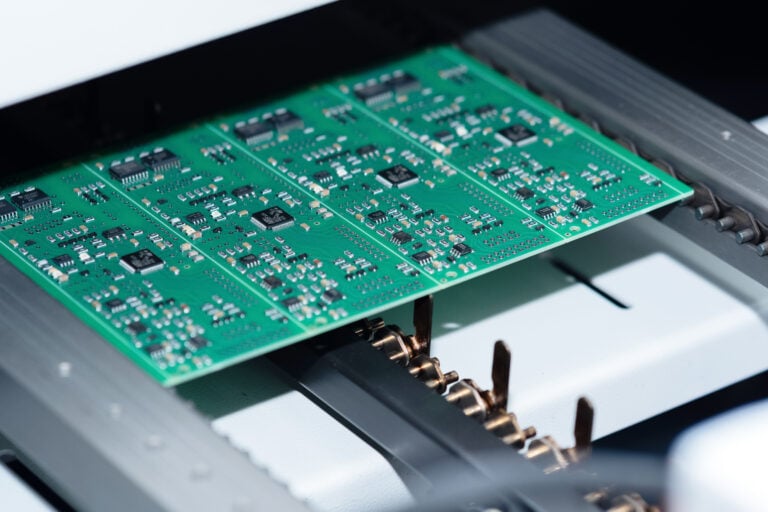
- Surface Mount Technology (SMT):High precision reliable PCBA with high speed automated assembly.
- Through-Hole Technology (THT):Recommended for connectors, large E components, and areas subjected to heavy shock or vibration.
- Reflow Soldering:Ensures robust solder joints for SMT.
- Wave Soldering:Mass assembly service for THT, ensuring very strong physical bonds.
Dense, multi-layer PCB assembly with both SMT and THT is the definition of modern automotive-grade PCB assembly.
4. Inspection, Quality Checks & Testing
Modern electronic manufacturing cannot rely on batch testingInstead, complete quality checks on the line are deemed necessary:
- Automated Optical Inspection (AOI):Identifies if any parts are missing, invaded, or dislocated.
- In-Circuit Test (ICT):Assesses the health of each net and node.
- X-ray Inspection:Essential for complex or hidden solder joints.
- Functional Testing:Simulates the operation of the vehicle in real life, verifying the electronic system
- Environmental Testing:Thermal cycling, humidity and mechanical load tests could guarantee the automotive PCBs having long life in harsh environment.
Challenges in Automotive PCB Assembly
The automotive-grade PCB assembly reliability is challenged by:
- Extreme Temperature Swings:From winter starts at -40°C to engine bays exceeding 125°C, only high-Tg, IMS, and metal-core PCBs may survive.
- Vibration and Shock:The assembly is under mechanical loads during the driving and when a crash happens.
- Stringent Regulatory Compliance:ISO 26262 compliance becomes more important as electronics manage more critical aspects.
- Supply Chain Disruptions:Supply of automotive grade electronic components can be subject to delay, necessitating proactive planning in procurement and EMS.
- Counterfeit Risk:Traceable supply and full documentation are essential.
- Miniaturization:The effective operation in a confined space requires use of multilayer, HDI, metal-backed, and high-frequency PCBs.
- EMI/EMC:The automotive PCBs must be properly designed and coated to prevent interference.
Current Trends Influencing Automotive PCB Assembly
A. Electrification & EV Expansion
More EVs means more battery management, power management and high voltage isolation. Metal-backed and IMS boards with embedded thermal management solutions and conformal coatings are also required for the EV module assembly.
B. Miniaturization & Integration
Automotive electronics need to be more powerful while occupying less space. Advanced assembly methods such as HDI technology make this evolution possible and still maintain the required reliability under severe environment. HDI technology opens the possibility for more signal layers, smaller vias, and more complex high-performance electronic devices which results in more sophisticated electronic systems like advanced driver assistance and infotainment.
C. Smart Manufacturing
The industry is adopting smart manufacturing to improve efficiency and traceability. Today’s electronic manufacturing services (EMS) use automation, AI-based quality checks and modern MES (Manufacturing Execution Systems). Accurate assembly, live defect tracking and full process visibility are revolutionizing automotive PCB assembly worldwide.
D. Autonomous Driving and Modularization
Autonomous driving calls for dependable PCBs for sensor fusion, AI processing, and safety system redundancy. Modular construction makes upgrades and repairs easy — essential in an environment where electronic control units (ECUs) need to evolve to keep pace with new software, regulations, and safety rules.
E. Supply Chain Resilience and Localization
As a series of worldwide events continue to disrupt supply chains, automotive OEMs and PCB vendors are evolving more regional and resilient sourcing models. This includes working with local EMS partners, diversifying suppliers and making investments in warehouse automation.
F. Sustainability & Regulatory Compliance
Automotive PCB assemblies are increasingly focused on green aspects. Producers are moving towards halogen-free laminates, energy efficient assembly methods and processes with recycling compatibility sheets and safe end-of-life.
Automotive PCB Assembly Process Explained
PCB Design & Prototyping
The EMI/EMC regulation, good thermal management and stable protection layer should be taken into account in the design. Thermal simulations are performed by engineers, the best suited material (FR-4, IMS, polyimide, PTFE, ceramic) is chosen and multilayer PCB stackups with signal integrity and high density layout are used. Early prototyping reveals if there are any issues with assembly or electronic parts prior to scaling to volume production.
Materials and Component Sourcing
Material selection is a key driver for achieving regulatory compliance and performance:
- FR-4:Most common, cost-effective for general and high-Tg applications.
- IMS:Ideal for lighting and power due to superior thermal properties.
- Metal-core, polyimide, PTFE, and ceramic:For use in high frequency or heat and chemical resistant requirements.
- Electronic parts:Is it AEC-Q automotive qualified, and the vendor is traceable and reputable to mitigate risk of fakes.
SMT & THT Assembly Service
- SMT (Surface Mount Technology):Used for most automotive assemblies Allows the implementation of compact high-density layouts with good
- THT (Through Hole Technology):Large connectors and power devices are reserved for those requiring vibration and shock resistance.
- Reflow Soldering:The principal method for SMT; ensures strong, reliable solder joints.
- Wave Soldering:Ideal for THT, power modules and applications demanding high force connection.
Conformal Coating & Potting
Conformal coatings protect assemblies from moisture, dust, road debris and chemical exposure. Potting protection provides the best protection in the most severe environments – i.e., under a vehicle’s hood or in exterior lighting modules.
Inspection, Testing, and Quality Checks
No assembly is shipped without experiencing several rounds of stringent inspections. AOI, ICT, X-ray examination for concealed joints, and functional vehicle simulation are standard. Severe environmental (thermal cycling, humidity, vibration) testing puts every assembled PCB through its paces to guarantee survival in the field.
Documentation and Traceability
The BOM, test logs, materials and batch records, including the entire process, is documented, allowing a full history to be available for each PCB traceable to and compliant with the customer’s requirements. This is essential for warranty support and for safety recalls.
How to Choose the Right Automotive PCB Assembly Partner
Choice of a reliable EMS provider has great influence on the automotive PCBA manufacturability and long-term reliability. Here’s what to watch for:
- Experience in Global Automotive:Select vendors with a track record of supporting major OEMs that have demonstrated expertise in dealing with intricate regulatory compliance and requirements of the electronics market.
- Certifications:Validate credentials like IATF 16949, ISO 9001, and ISO 26262. These ensure the process control and compliance of safety.
- Comprehensive Manufacturing Services:Assess the abilities for design, prototyping, volume PCBs assembly, and high level Inspection.
- Quality Assurance:A vendor needs to have quality checks in place at all levels, and be able to provide documented case history showing dependability in the assembly service for the critical automotive applications.
- Documentation and Traceability:Slow things down for solid traceability and rapid response to supply chain matters, recalls or returns.
When assessing partners, look not only for certifications and technical abilities, but also for demonstrated experience in automotive projects, supply chain viability, and engineering assistance.
LingKey integrates IATF 16949 standard manufacturing process, state-of-the-art SMT production lines, stringent quality control system and full traceability management, ensuring each automotive PCB assembly comply with global automotive safety standards. From prototyping to mass production LingKey offers end-to-end manufacturing solutions to support customers for automotive application.
Frequently Asked Questions About Automotive PCB Assembly
What materials are most reliable for high-temperature automotive applications?
High-Tg FR-4, ceramic, IMS, and polyimide, as are certain metal-core designs, have been demonstrated for the assembled circuit board in engine bay and electric vehicle drivelines.
What key automotive standards must PCBs comply with?
Process integrity is assured by IATF 16949, ISO 26262, ISO 9001 and relevant IPC standards, and environmental safety by RoHS/REACH.
What makes a PCB assembly service automotive-grade?
By leveraging proven processes, AEC-Q grade components, traceability, full regulatory compliance and test and protective coating customization to the end-use environment.
What is involved in quality checks for automotive PCBs?
Stages of scrutiny: AOI, ICT, X-ray, burn-in, mechanical and environmental stress testing — all compliant with rigorous documentation.
How do leading electronic manufacturing services support supply chain resilience?
They actively control inventories, have back-up suppliers and rely on full transparency and quality through end-to-end traceability.
Conclusion
Automotive PCB assembly is the bedrock of today’s automotive electronics. As EVs, ADAS, and smart vehicles are evolving at a rapid pace, only the EMS providers that can provide high-reliability, fully-compliant and the most advanced PCB assembly solutions have the capabilities to address the increasing demands from the global automotive market.
LingKey strives to offer the best services of automotive grade pcb assembly with leading production technology, strict quality control and full traceability system. Whether multilayer high-density boards, metal-core or high-frequency PCBs, LingKey guarantees that your products will hold up to the strict demands of the automotive environment in terms of durability, safety and performance.
Choose us – Join forces with LingKey to enable the next generation of automotive innovation through trustworthy, certified and future-proof pcba solutions.