Electronic Manufacturing Process: A Complete, Step-by-Step Guide
Table of Contents
ToggleIntroduction
The electronics manufacturing industry continues to evolve, particularly in the modern electronics sector. The design, assembly, and testing processes for electronic products have become complex, often managed by specialized electronics manufacturers. These services enable businesses to develop, scale, produce, and deliver electronic products that meet global standards—from PCB design to production and final shipment.
Lingkey’s one-stop service process provides electronics manufacturing services from design to production, helping creators in various fields, from consumer electronics to industrial electronics, succeed. This process includes PCB design and fabrication, sourcing electronic components, PCB assembly, and comprehensive quality control.
What is Electronic Manufacturing?
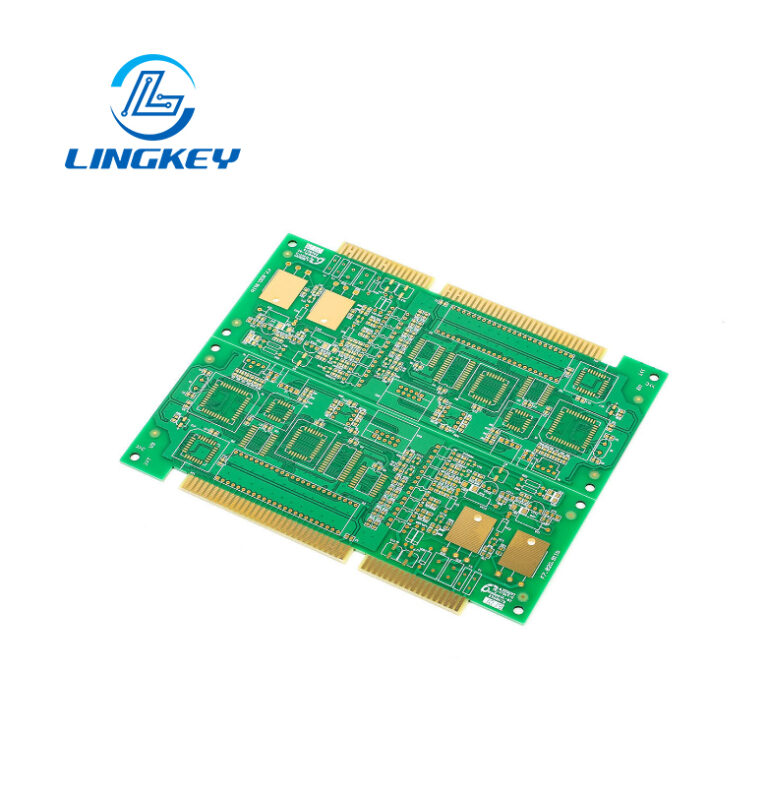
Electronics manufacturing, referring to the production of printed circuit boards (PCBs) and printed circuit boards (PCBAs), is a crucial component of the electronics manufacturing industry. It transforms schematics into physical devices through a series of processes: electronic design and PCB fabrication, component procurement, PCB assembly, testing, and shipment. At each step, manufacturing must meet the application’s technical requirements and comply with relevant industry standards.
In today’s consumer electronics industry and beyond, electronics manufacturing service (EMS) providers create value by managing the most challenging aspects of device development, including procurement, regulatory compliance, and materials and inventory management, providing end-to-end support from concept to customer. Electronics contract manufacturing enables companies to scale rapidly, focus resources on innovation, and efficiently reach global customers.
Key Sectors Supported:
- Consumer electronics manufacturing (phones, tablets, IoT, wearables)
- Industrial automation (robotics, sensors, PLCs)
- Medical electronics (imaging, diagnostics, portable health monitors)
- Telecom/IT (routers, switches, base stations)
- Automotive (ADADAS, infotainment, EV power modules)
Why the Electronic Manufacturing Process Matters
Robust electronics manufacturing processes are crucial to successfully bringing products to market on time. Otherwise, recalls, customer dissatisfaction, or non-compliance can lead to product failures, impacting time to market and the customer experience. Leading electronics manufacturing companies understand this and know that production begins long before it even reaches the factory floor, including:
- Design for Manufacturability (DFM): Early collaboration between design and production ensures the final electronics production process is scalable, cost-effective, and defect-free.
- Component Supply Chain: Strong links with vetted suppliers maximize device reliability and minimize the chance of electronic waste through faulty or counterfeit parts.
- Agile Manufacturing Systems: With the manufacturing industry constantly evolving, smart factories powered by advanced technologies such as IoT, AI, and robotics are optimizing every phase in the electronics manufacturing workflow.
- Compliance with Industry Standards: Rigorous adherence to global standards is critical for market entry, especially in sectors like automotive and medical, where safety and traceability are paramount.
Key Stages of the Electronic Manufacturing Process
DFM Check (Design for Manufacturability)
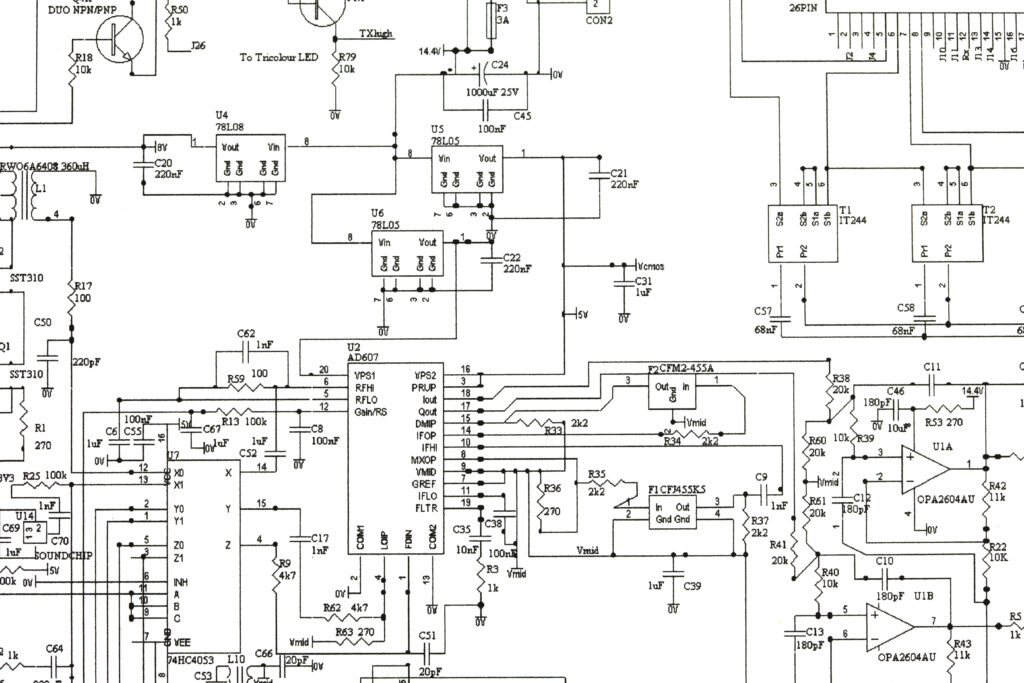
DFM (Design for Manufacture) is essential to ensure an efficient electronic manufacturing process. Through close cooperation between design engineers and manufacturing experts, this collaboration examines beyond initial functionality how each device part may be efficiently produced, assembled, and tested.
Common DFM Pitfalls and Solutions:
- Overly dense PCB layouts → Use multi-layer designs or optimize part selection.
- Unavailable parts → Select components with multiple suppliers; consider lifecycle status in BOM management.
- Insufficient thermal/vibration protection → Add thermal vias, heat sinks, or ruggedized enclosures early.
Design & Prototyping
A typical electronics production process moves from design concepts to functional prototypes. During this phase:
- Detailed electrical and mechanical schematics are completed.
- 3D modeling and simulation evaluate fit, form, and function for the final product.
- Quick-turn PCB fabrication and basic assembly validate the design ahead of mass production.
Sourcing PCBs and Electronic Components
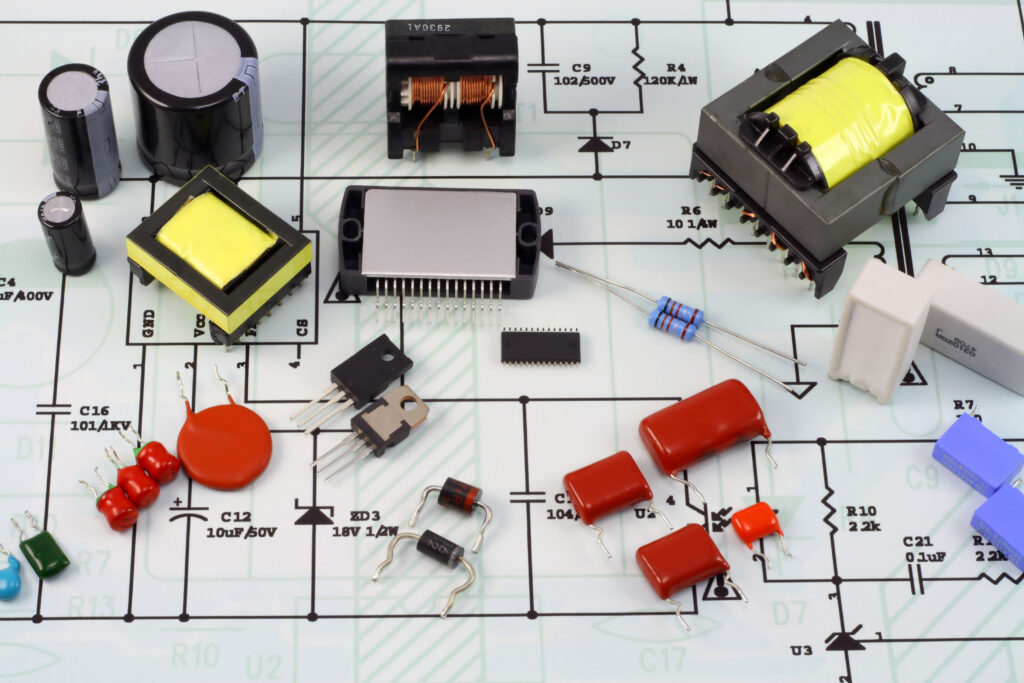
Procurement plays a vital role in the entire process. Electronic equipment not only needs price advantages, but also needs to purchase genuine electronic components.
Sourcing Best Practices
- Always ask for Certificates of Compliance (CoC) to confirm environmental and regulatory status.
- Maintain relationships with global and local distributors to respond quickly to allocation or shortages.
- Use digital supplier management platforms to track orders, delivery status, and quality records.
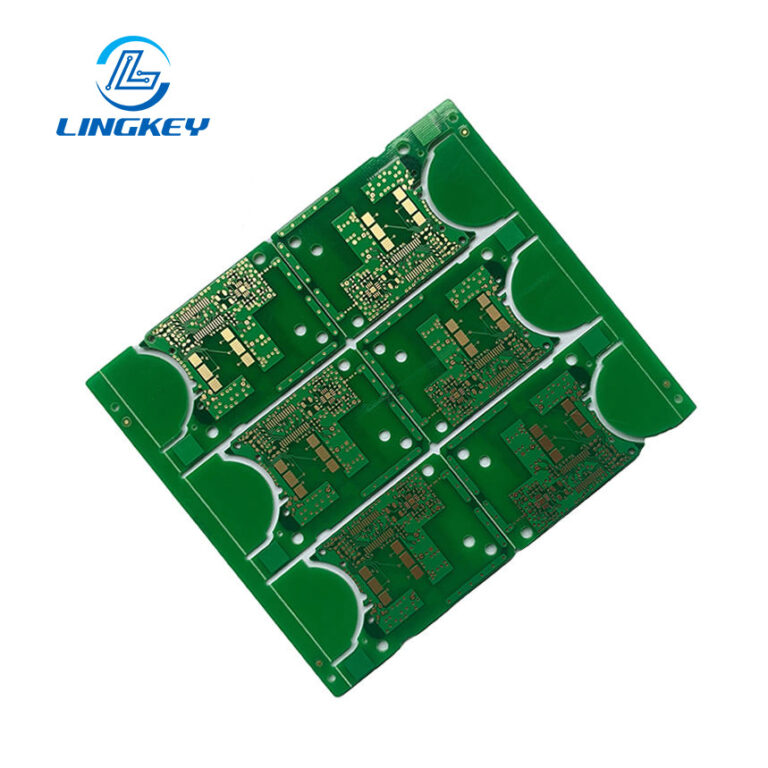
PCB Manufacturing (Fabrication)

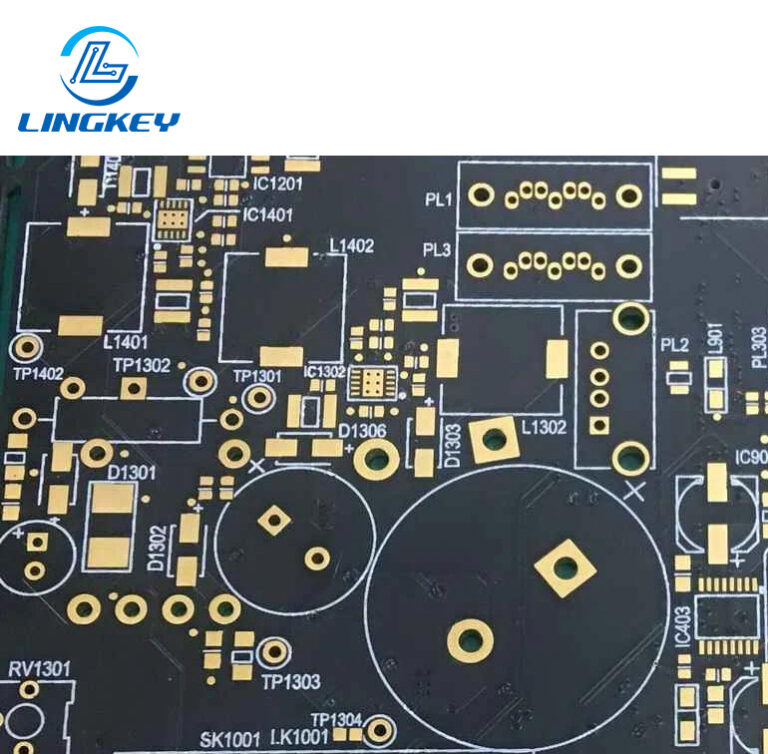
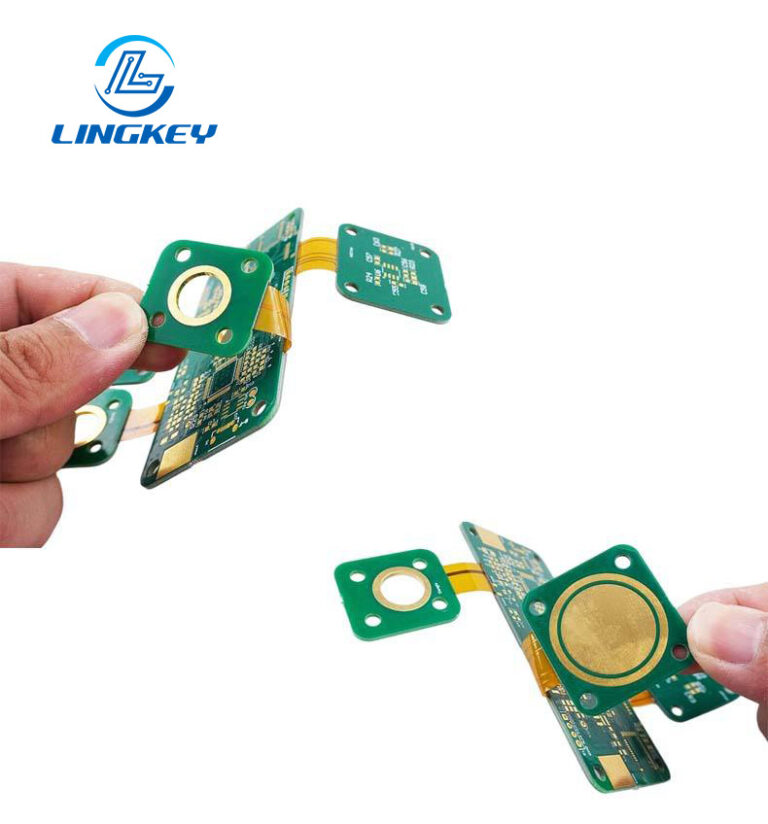
The circuit board manufacturing process transforms your design into physical hardware. PCB manufacturing includes:
- Layer stack-up design:Multi-layer boards allow compact, high-speed designs.
- Via technologies:Micro-vias and blind/buried vias offer space-saving routing.
- Surface finishes:ENIG, HASL, and OSP protect copper and improve solderability.
- Electrical testing:Flying probe and bed-of-nails testers guarantee manufacturing accuracy.
PCB Assembly
At the core of PCB assembly is its focus: mounting electronic components.
Industry Practices:
- SMT lines run vision-guided pick-and-place machines with accuracy down to a few microns.
- For high-volume production, automated guided vehicles (AGVs) deliver reels and boards to each station.
- Precision stencil printers ensure uniform solder paste deposition.

PCB Soldering
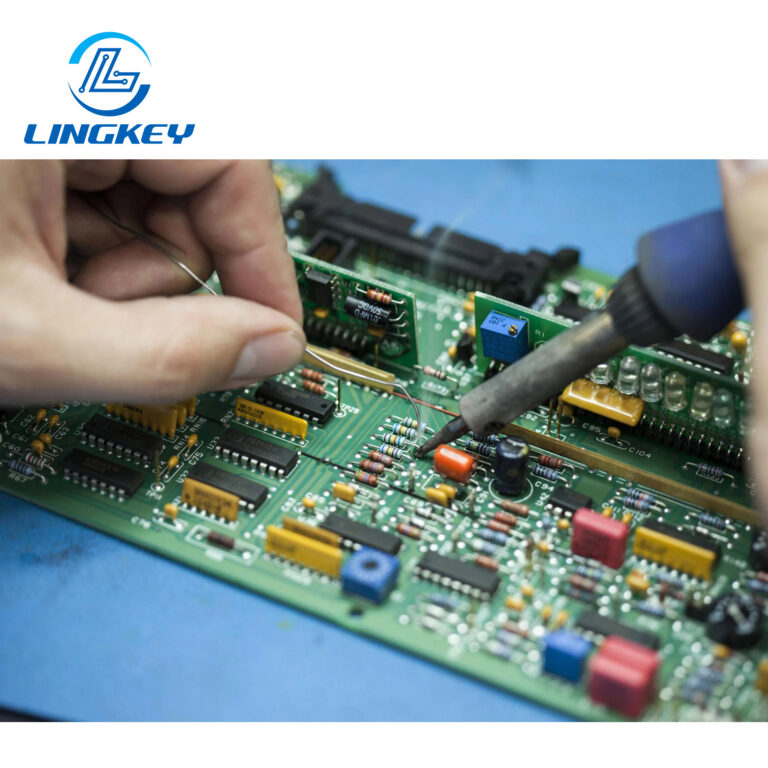
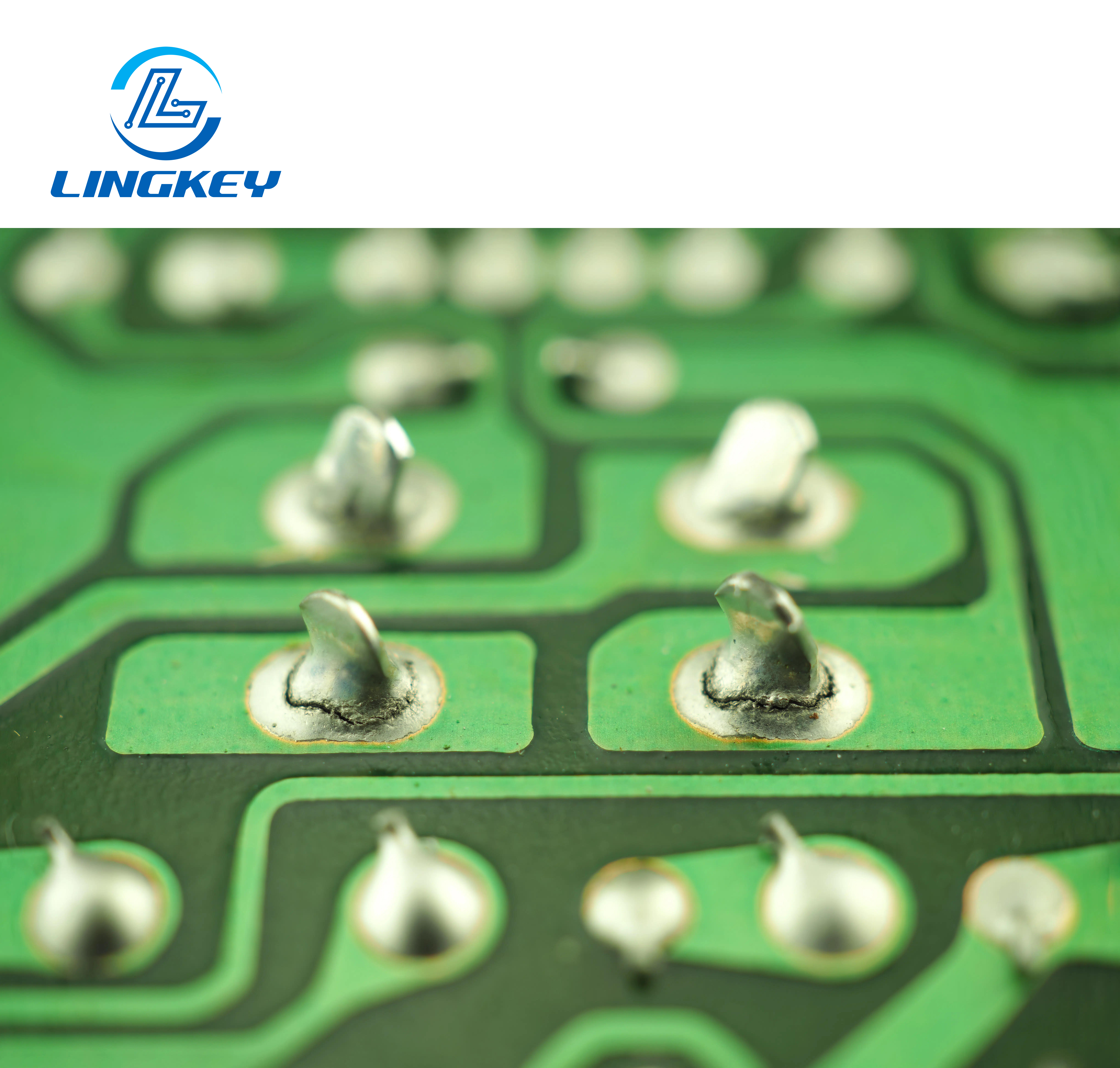
Reliable soldering ensures mechanical and electrical integrity in complex assemblies. Reflow soldering for SMT applications, wave soldering for PTH assemblies and selective soldering are commonly employed to achieve this result.
Tips on Soldering Quality:
- Maintain tight control of reflow oven profiles to prevent cold joints and voids.
- Use nitrogen atmospheres for high-reliability products to minimize oxidation.
IC Programming
The IC programming step ensures microcontrollers and programmable devices have the correct firmware, encryption keys, or configuration data..
IC Programming Workflow:
- Pre-programmed: Chips are programmed by the supplier or contract manufacturer before the assembly process.
- In-circuit programming: Devices are programmed after being mounted on the PCB, allowing validation and updates at the end of the line.
- Functional verification: Automated testers confirm successful programming and ensure that programmed devices function to design specifications.
Inspection and Quality Control
Whether it is PCB production or PCB assembly, it is incomplete without strict inspection and continuous quality inspection. The quality of electronic products depends on whether errors can be detected as early as possible.
Quality Control Techniques:

- AOI (Automated Optical Inspection):Cameras scan every board for misplaced, missing, or skewed components, and for solder defects.
- X-ray Inspection:Non-destructive analysis is used for BGA, QFN, and high-density electronic assembly process areas where joints are hidden.
- Functional Testing (FCT):Simulates real-world device operation to detect logic faults or assembly errors.
- In-circuit Testing (ICT):Automatically checks all component values, continuity, and shorts on the board.
Box Build and Final Assembly
After circuit assembly is complete, box build assembly completes the product by combining electronics with cases, connectors, user interfaces, thermal management components and electromechanical parts.
Box Build Examples:
- Industrial control boxes with rugged enclosures, cable harnesses, and EMI shielding.
- Medical devices with touch screens, sensors, and multiple sub-assemblies meeting strict regulatory requirements.
- Consumer devices where compact design meets aesthetic and branding needs.
Testing, Burn-in, and Final Validation
Comprehensive device testing is the final technical phase in electronics production.
Testing Approaches:
- Burn-In Testing:Devices operate continuously at elevated voltage/temperature for hours to weed out early-life failures. Essential for automotive, aerospace, and mission-critical applications.
- Environmental Testing:Simulates humidity, shock, vibration, and electrostatic discharge to guarantee product durability in real-world settings.
- Regulatory/Compliance Testing:Ensures the product meets the electronic manufacturing industry’s standards (e.g., CE, FCC, UL, ISO 13485 for medical, ISO 26262 for automotive).
Custom Packaging and Labeling
Custom packaging does more than protect; it also keeps product quality in check during shipment, aids compliance (through clear regulatory and logistic labeling), and improves the unboxing experience.
Packaging Practices:
- Use anti-static, moisture barrier, and shock-absorbent materials for sensitive PCBs.
- Include product identification, batch, and compliance markings.
- For consumer electronics, branded packaging improves shelf appeal and brand perception.
Outgoing Quality Control (OQC)
In the outgoing quality control phase, products undergo final visual inspection, sample-based or 100% functional tests, and compliance checks before release.
Action Steps in OQC:
- Verify conformance with design and customer requirements.
- Complete regulatory documentation and certifications.
- Re-inspect packaging integrity and labeling accuracy.
Distribution & Logistics
The journey doesn’t end at the factory—reliable logistics and supply chain management sustain the electronics production process from factory to customer.
Logistics Considerations:
- Partner with experienced logistics companies for global reach, customs expertise, and insurance.
- Use real-time tracking with ERP/MRP systems for inventory transparency.
- Plan for last-mile delivery, especially for direct-to-consumer shipments.
Advanced Techniques in Electronic Manufacturing
Today’s electronics manufacturing is increasingly dependent on automation and sustainability:
- Robotic and Cobotic Assembly:High-volume EMS providers utilize robotic arms for precise, repeatable assembly tasks, while cobots (collaborative robots) safely work alongside humans in flexible production lines.
- Predictive Maintenance:AI-driven analytics forecast machine wear, reducing unplanned downtime and keeping production schedules on track.
- Digital Twin Simulation:Virtual modeling of the assembly process spots bottlenecks and optimizes layout before lines go live.
- Augmented Reality (AR):Used for technician training and live assembly guidance, reducing error rates in complex assembly processes.
Quality Assurance and Regulatory Compliance
Compliance with industry standards is an integral component of market success and brand longevity. No matter the market – be it automotive, aerospace, medical or consumer – meeting global or regional regulations is paramount to market success and brand longevity.
Essential Standards:
- IPC-A-610:The global standard for acceptability in electronics assembly.
- ISO 9001:Certifies organizational quality management systems.
- RoHS/REACH:Limits hazardous substances for environmental protection.
- UL, CE, FCC, CCC:Marks necessary for legal sale in global markets.
Tips for Compliance Success:
- Conduct gap analysis audits regularly.
- Partner with compliance-focused EMS providers for design-stage support.
- Keep abreast of regulatory changes, especially as emerging markets or applications (EVs, medical IoT) evolve.
Supply Chain Management in Electronic Manufacturing
Supplier selection directly impacts everything from cost to lead time and product reliability. Electronics contract manufacturing leaders use highly integrated digital platforms to manage supply from raw PCBs to chips.
Supply Chain Enhancements:
- Supplier Diversification:Secure primary and backup suppliers for all crucial parts.
- ERP/MRP Integration:Real-time data from suppliers, inventory, production, and sales streamline everything from purchase orders to shipping.
- Risk Management:Predict and mitigate supply interruptions using global data and analytics.
- Sustainable Sourcing:Prioritize suppliers with ethical sourcing and environmental credentials.
Challenges and Solutions in the Electronics Manufacturing Process
Challenge | Solution |
Component shortages | Multi-tier sourcing, flexible BOM, stock of critical parts |
Rising complexity and part count | Automated assembly, modular product design |
Counterfeit/grey-market parts | Traceable supply chain, authentication audits |
Regulatory non-compliance | Integrated compliance databases, early compliance reviews |
Electronic waste (e-waste) | Design for disassembly, take-back policies, environmentally safe disposal |
Sudden surges in market demand (consumer electronics) | Agile manufacturing systems, rapid tooling, digital twins for scenario planning |
Long lead times on key PCBs or semiconductors | Proactive procurement, local sourcing partnerships |
Future Trends in the Electronic Manufacturing Process
The electronic manufacturing industry will be shaped by:
- AI/ML-Enhanced Quality:Real-time artificial intelligence will detect defects, optimize maintenance, and even suggest design improvements.
- Green and Circular Economy:Products will be built for easy recycling, minimizing e-waste and encouraging use of recycled materials.
- Flexible Factories:Facilities capable of quickly switching between products—supporting the rise of mass customization.
- Blockchain in Supply Chains:Immutable audit trails for every component in complex process chains.
- Edge and IoT Device Explosion:Manufacturers will need to accommodate short life cycles, tight time-to-market, and compliance in the fast-moving IoT and edge computing markets.
Tips for Optimizing Your Electronic Manufacturing Process
Document Everything: Following standard operating procedures and digital traceability can significantly lower costs while aiding compliance audits.
Design for Test (DFT): Consider including test points or modularity into your design in order to simplify inspection or troubleshooting processes.
Engage Early with EMS Partners: Applying manufacturing expertise early can reduce unexpected, expensive surprises.
Prioritize Modular Designs: This makes assembling, repairing and recycling electronic devices simpler – particularly consumer electronics manufacturing.
Plan for End of Life (EOL): Consider future support, upgradability and disassembly procedures as you aim to reduce electronic waste.
Glossary of Key Terms
Term | Definition |
Electronic Manufacturing Services (EMS) | Outsourced providers specializing in electronics design, assembly, and testing |
Electronic Circuit Board | The substrate with conductors and pads for mounting electronic components |
Assembly Process | Steps required to attach, connect, and solder components onto a PCB |
Manufacturing Process | The sum of all steps required to produce a finished electronic device |
Compliance with Industry Standards | Adhering to rules (e.g., ISO, IPC, RoHS) for legal sale and safety |
Manufacturing Execution System (MES) | Software to track and optimize every production floor activity |
SMT (Surface Mount Technology) | Automated method of placing components directly onto a PCB surface |
PTH (Plated Through Hole) | Process of placing component leads through holes in the PCB and soldering them |
Functional Testing | Simulating real-world operation to validate completed electronics |
Sustainable Manufacturing | Manufacturing using methods that reduce environmental harm and waste |
Electronic Waste (e-Waste) | Discarded electronic products, a growing environmental challenge |
Advanced Technologies | Latest innovations (AI, robotics, digital twins, IoT) in electronics production |
Conclusion
Electronic manufacturing involves complex interrelated stages – each essential for creating quality electronic products with reliability and compliance in mind. Strong industry partnerships, digital tools and continuous improvement practices form the backbone of electronics production processes to meet evolving consumer and regulatory expectations.
To thrive in today’s highly-competitive electronics market, success requires excelling at every phase: DFM, sourcing, circuit board manufacturing, advanced assembly processes, rigorous functional testing procedures, outgoing quality control measures and sustainable logistics.
Are You Searching to Increase Production, Expand Capabilities or Scale Efficiently? Step forward into the era of modern electronic manufacturing–ensuring each product stands out for its innovation, reliability and responsible craftsmanship.