FR4
FR4 is the most used PCB substrate. It’s an insulation made from woven fiberglass cloths and epoxy resin, which has particularly good mechanical, thermal and electrical characteristics.
“FR” refers to Flame Retardant, while the “4” is a material grade designation, which means that this material is self-extinguishing when burning and is not easy to be ignited, which leads to a very wide application in electronic products.
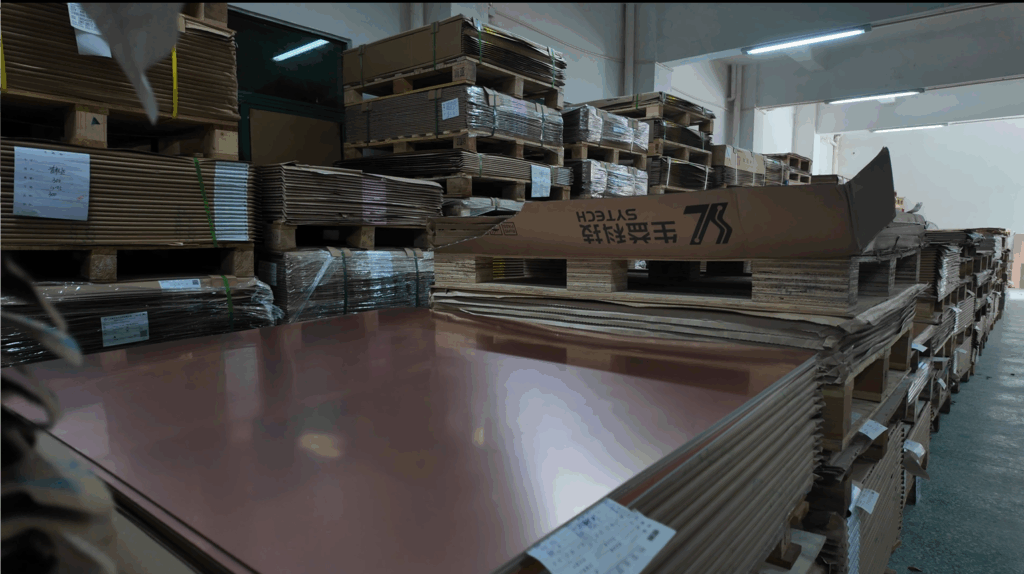
Key Features of FR4
Good Insulation Effect
the FR4 Foil has good insulation to isolate the current, which can stop the electric short circuit or signal interfere and make circuit board work stably for long time.
Good flame retardancy
Suitable for Solder and Reflow Solder processes, good flame retardancy, used for improving safety of electronic products.
Mechanical Strength
It has excellent hardness, compression and flexural strength. Therefore, the stability of the circuit board is assured in the processing, transporting and using.
Low Water Absorption
Inhibited the effect of environment on the product by keeping stable electrical properties in moist or high-moist environments.
High Cost-Effectiveness
High performance combined with cost benefits makes it the most widely used PCB substrate today and suitable for mass production.
FR4 PCB Material
The FR4 PCB material is the glass fiber base with epoxy resin and a couple more materials ingredients, the exact formulation varies from supplier to supplier. As a rule, these kinds of FR4 PCBs are produced with the different materials composition and structure.
Standard FR4
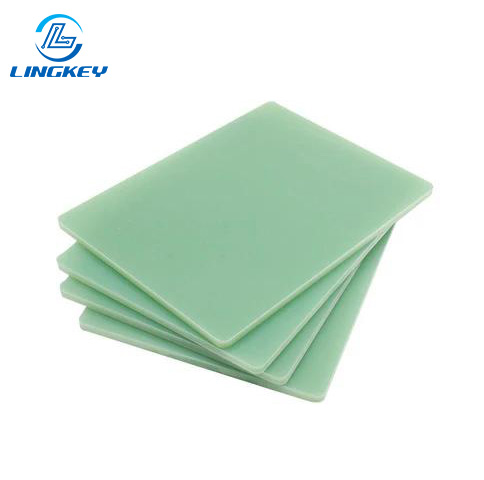
This is regular FR4 with standard performance. It is also the most popular grade in general purpose PCB applications. Standard FR4 is without advanced properties that can be used in more extreme conditions (for example in extreme temperatures and the like environments).
High Tg FR4
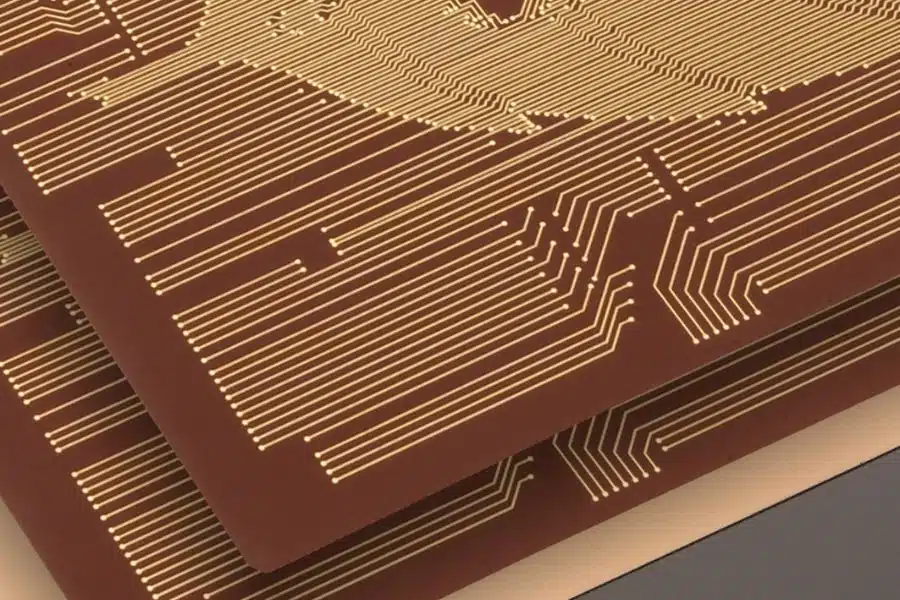
Tg is the glass transition temperature in K. The heat at which a solid starts to flow and becomes rubbery or softened defines the temperature Tg. High Tg FR4 indicates that the material of the printed circuit board can tolerate higher temperatures (over 170°C) without warping.
High CTI FR4
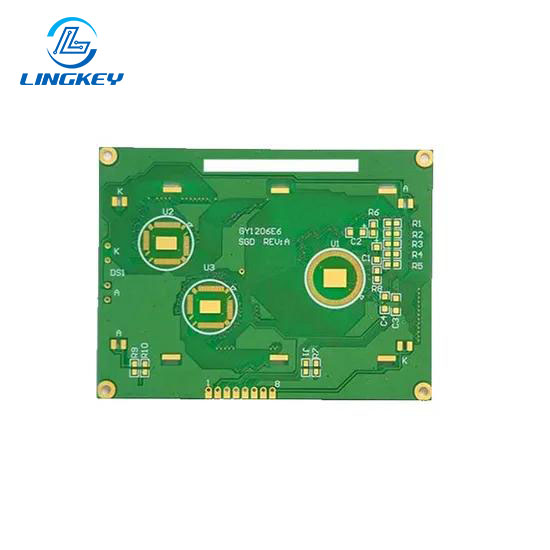
When used in the context of PCBs, this is related to the ability of the laminate to resist a current that is travelling along the path defined by copper traces or pads. This is why high CTI FR4 offers a higher value of resistance to undesired currents during leakage. CTI is an abbreviation of Comparative Tracking Index.
Halogen-free FR4
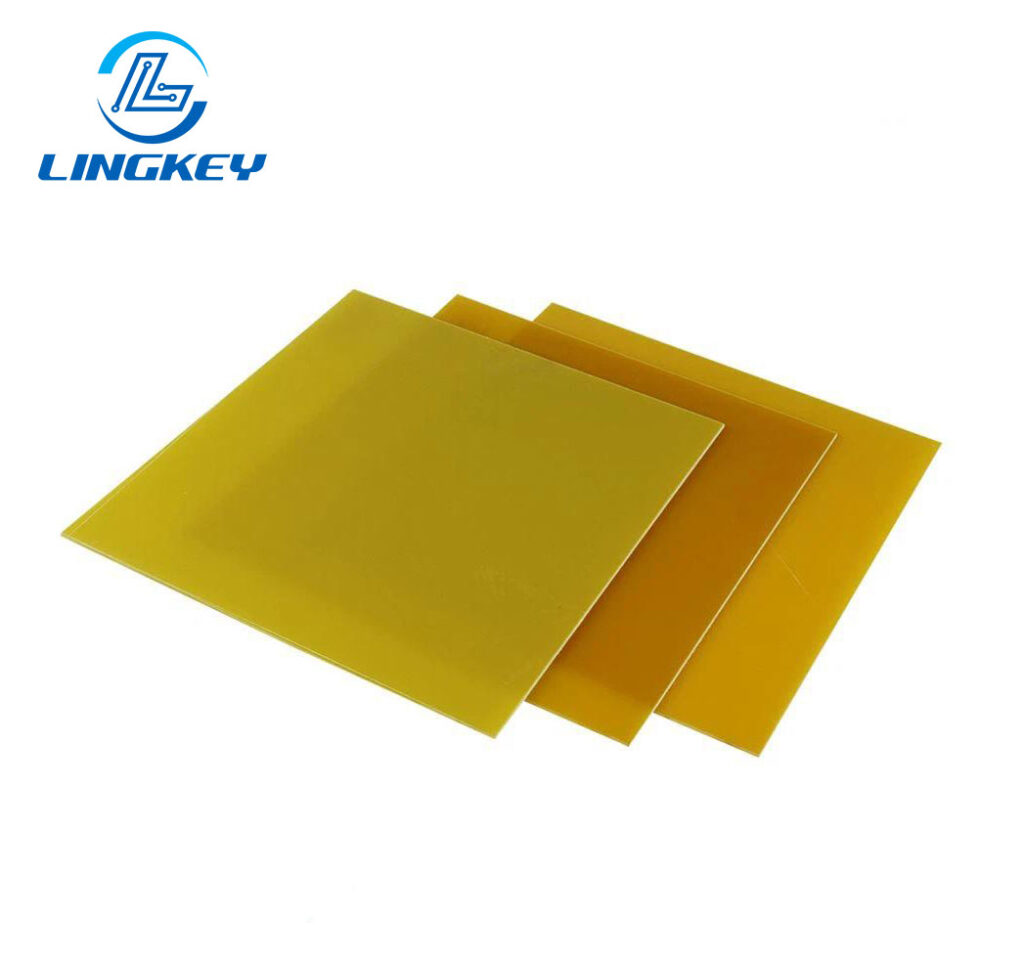
Halogen-free FR4 PCBs either do not contain any halogen compounds or they contain very small (negligible) amounts of halogen compounds. Due to the toxic nature of halogens and the worldwide demand for safer circuit boards, this FR4 PCB material type is now widely used.
Copper-free FR4
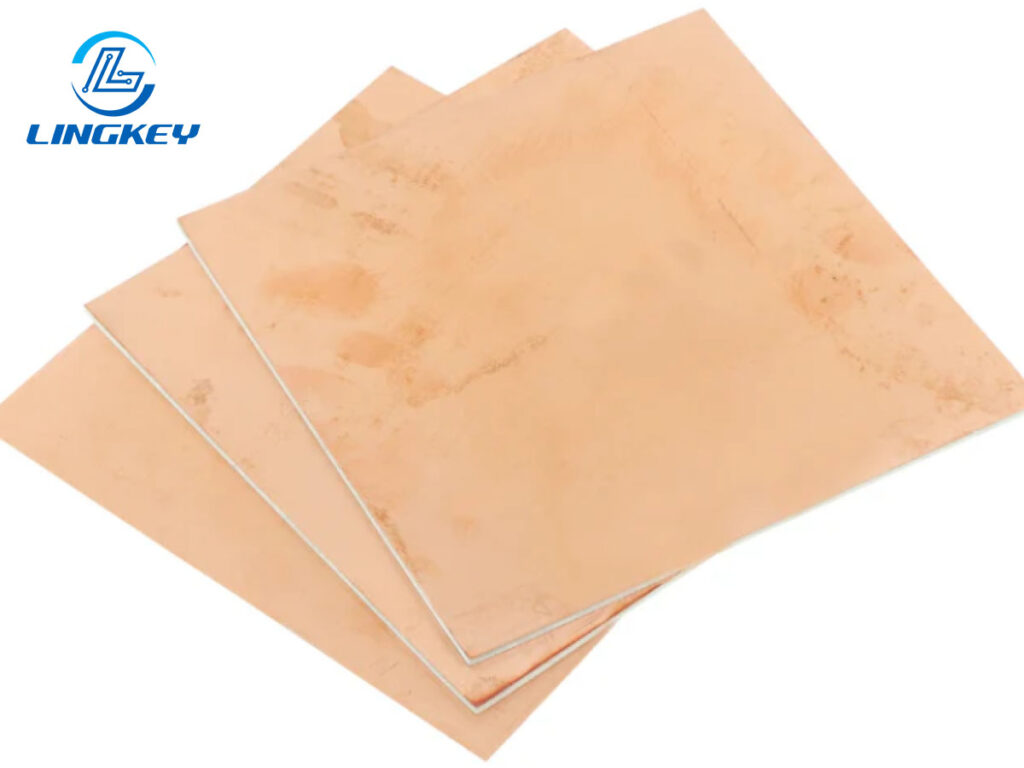
The copper-free FR4 is a circuit board which does not contain any layers of copper or traces. It is made out of fr4, and has all its proprieties, but is not conductive. Consequently, it is used mainly for insulation or more recently as a stiffening ply in rigid-flex pcbs.
Why Select FR4 PCB?
It is the good quality FR4 that makes it such a popular printed circuit board substrate material. Advantages of FR4 FR4 has a lot of properties that makes it a super material for many PCB applications. Based on the type of the application or budget you have, you should choose it for the following reasons:
Affordable
It is easier for a FR4 pcb to fabricate, and this makes the FR4 pcb material cost less than any other material (like metal substrates). Its just the right amount of moisture absorption, excellent electrical properties and mechanical performance, availability and low price that make FR4 an attractive choice for any type of PCBs from simple one sided to complex multilayer boards.
Good Mechanical strength
FR4 PCB is a strong board capable of withholding heavy thermal and electrical components. It is also rigid enough for outdoor use.
Waterproof
Resin is used to bond the layers of FR4 boards, keeping them waterproof with virtually no water absorption. So, its time to get yours and use it in the damp climate.
Burnable
FR4 panels are rated with UL0-V4 flammability, which means they will not accelerate burning in an accident, so they are a “safe” material.FR4 does have its limits. For instance, it doesn’t dissipate heat well because of its low thermal conductivity. Its dielectric constant also varies at high frequencies, potentially disqualifying it from use in applications with controlled impedance. FR4 alternatives include aluminum and other metal pcbs, ceramics, and polyimides – especially when it comes to flexible circuit boards and CEM ( composite epoxy materials).