CEM Sheet Material
CEM (Composite Epoxy Resin Material) board is a type of PCB substrate composed of multiple layers of fiberglass fabric and epoxy resin adhesive, with copper foil on one or both sides.
It is a composite epoxy resin-based material whose performance falls between that of paper-based substrates such as FR1 and FR2 and fiberglass boards such as FR4, possessing certain mechanical strength, heat resistance, and cost-effectiveness.
Due to its good processing performance, CEM board material is widely used in low-end and mid-range electronic products.
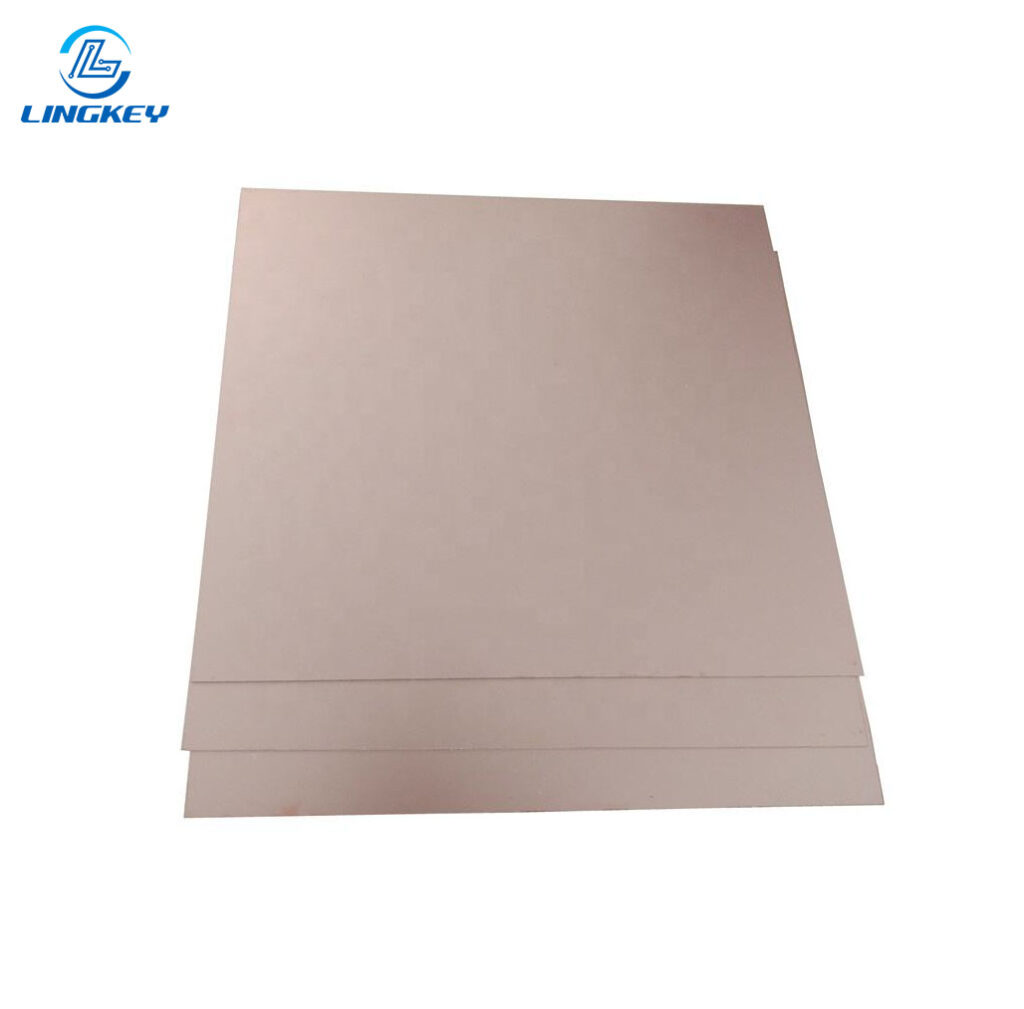
Common Types of CEM Sheets
CEM plates (Composite Epoxy Material) can be divided into different types according to its construction and performance, the most common ones are CEM-1 and CEM-3. These are two types of materials that differ in performance, use and price that fulfill the requirements of different types of electronic products.
CEM-1 sheet material
Structural Properties: Composed of fiber-based paper and epoxy resin matrix, often a single sided copper clad laminate.
Performance Characteristics:Good electrical insulation and mechanical strength;Process well, drilling and punching are easy;Inexpensive, good option for budget PCBs.
Typical Applications: Control boards for home appliances, LED driver boards, low frequency signal circuits, toy electronics and so on.
CEM-3 sheet material
humanization: Mainly the body is made with fiberglass cloth and epoxy resin to achieve a smooth and exquisite finish. Colors are usually white or light green.
Performance features: Good electrical performance close to that of FR4, but with the cost benefit;
Excellent mechanical strength, heat resistance and flame retardant;
It is applicable for two-sided board fabrication and also for through-hole plating.
Typical Applications: Office equipment control boards, industrial control circuits, consumer electronics, communications equipment and so on.
Other types
While they are not as prevalent on the market, each has its uses:
CEM-2: A combination of paper and glass fiber using a layer that is paper based in the outer layers, has the properties of white FR4 and is suitable for low- to mid-range electronics.
CEM-4: With performance closer to FR4, it is good for multilayer board structure.
CEM-5: Consists of polyester resin, and has excellent flexibility and insulation.
Main Features of CEM Materials
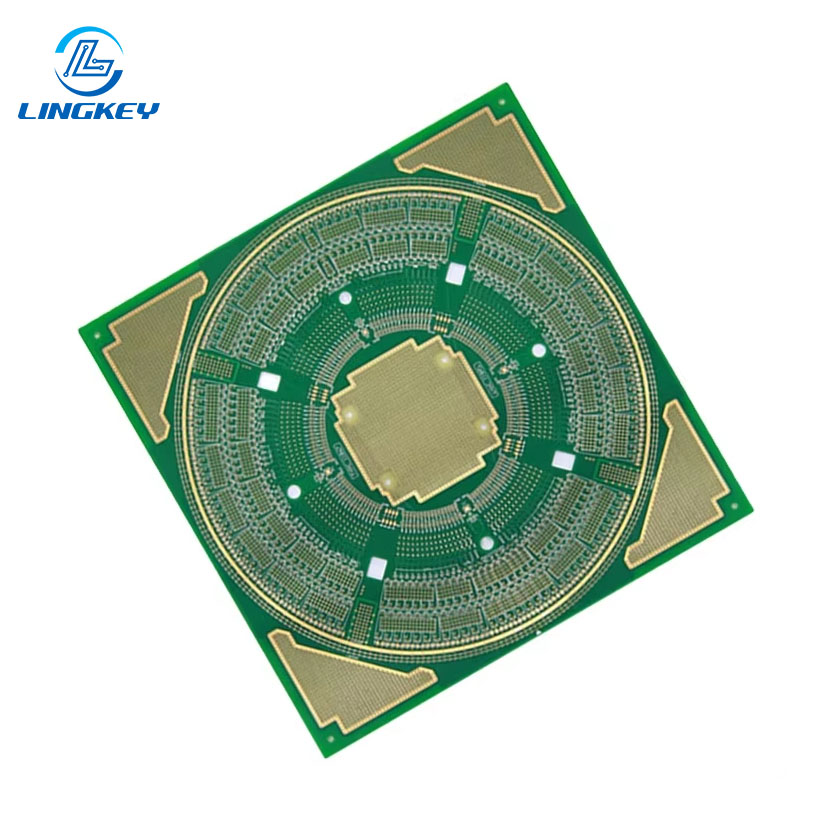
Cost Efficiency
The manufacturing cost of CEM materials is lower than that of FR4, so it is suitable for cost-sensitive and large volume electronic products that need to consider both performance and cost.
Electrical Properties Stability
They have good insulation, good conduction, electrical properties can meet the electrical requirements of most of the consumer electronics and industrial control electronics.
Good Processability
With a consistency in material composition, CEM laminates are simple and easy to drill, cut and punch, adapting to conventional PCB fabrication procedures, making production more efficient.
Flame Retardant and Safe
Most of the CEM material meet the UL94 V-0 flame retardant standard, can provide stable and safe performance even under high temperature or complicated working condition.
Comparison Between FR4 and CEM
In the production of pcb, FR4 and CEM are two of the most popular types of base materials.
They’re both largely made from epoxy resin, but they do look different structurally, perform different and cost different.
Beneath these general descriptors lies a much greater understanding of what sets them apart, which enables you to choose the best material for different product requirements.
1. Composition of the Material and Construction
FR4:Because it is made from fiberglass cloth and epoxy resin, FR4 is rigid and relatively cheap which makes it advantageous for multilayer PCBs.
CEM: A midgrade composite material made from a tightly woven fabric of glass fibers or paper with epoxy resin, which is lighter in weight.
2. Electrical Characteristics
FR4: It is good dielectric performance and signal stantion cable, high-speed high-frequency signal circuit applicable.
CEM: It has moderate electrical properties, which is enough for the general electronic products the keep the distance and have the ductility.
3. Mechanical Strength and Heat Resistance
FR4: High hardness and strong bending resistance, high temperature for wave soldering and reflow soldering it is suitable.
CEM: It has less heat resistance and mechanical strength than FR4 but is still enough for the normal assembly and soldering.
4. Cost and Workability
FR4: Supports complex structure , multi-layer pcb design, but with more cost of pcb manufacturing, if need more details, please refer to fr4 pcb.
CEM: More simple in machining, cutting and drilling, low cost, available to be used as economical substitution of high class materials for easy applications.