Components Sourcing
Parts procurement refers to the step of identifying, selecting, and purchasing the components needed for the product manufacturing process based on the BOM provided by the customer. This process requires finding suppliers with high-quality products and reasonable prices. The quality, availability, and cost of the purchased parts will directly affect the production plan and product performance, so this step is crucial.
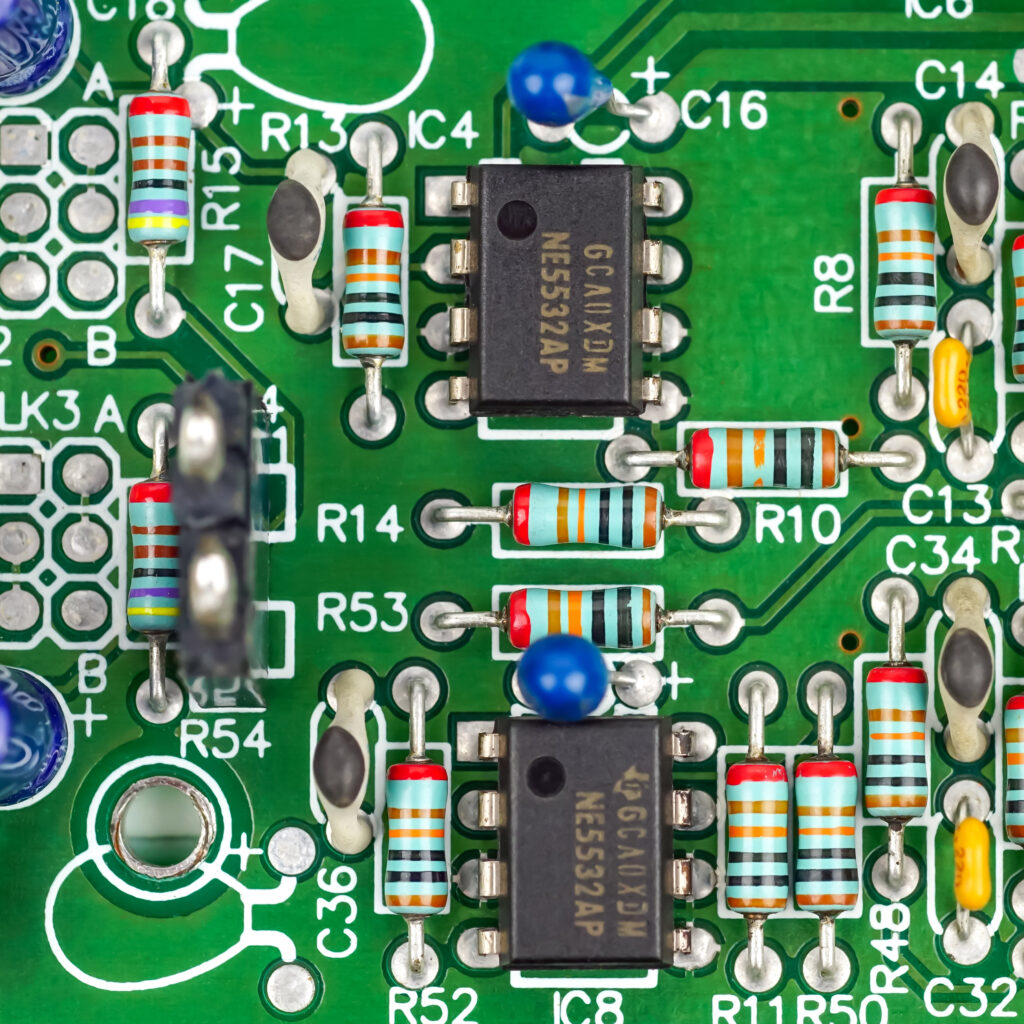
Bill of Materials(BOM)
The most important document in component procurement is the Bill of Materials (BOM), which lists all components, materials, quantities, specifications, and suppliers required for the product. The procurement team will procure components based on the BOM’s contents.
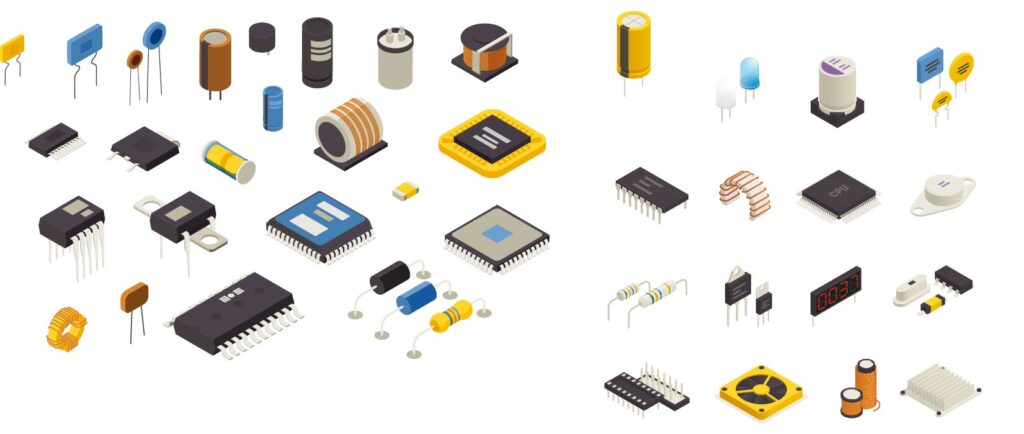
The format of the BOM varies by customer, but it must contain the correct information for analysis and procurement. Common information includes:
- Material serial number, used to distinguish component numbers
- Component tag, corresponding to the marking on the PCB
- Component name and type
- Package, such as SOT-23, QFN32
- Component specifications
- Manufacturer model number
- Manufacturer
- Component quantity, the quantity required per board
- Purchasing reference information
- Notes, including information such as substitute materials, important notes, and lifecycle status
Component Procurement Process
1. BOM (Bill of Materials) Review
Check the accuracy and completeness of the BOM provided by the customer, confirming the component model, package, parameters, and alternative materials listed on the BOM.
2. Supplier Selection
Procurement will select appropriate suppliers, including direct suppliers from original equipment manufacturers, authorized distributors, or traders, based on factors such as delivery time, price, and quality.
3. Multiple Evaluations
Procurement involves finding multiple suppliers, obtaining quotes, and then comparing quotes and delivery times to select the most suitable supplier.
4. Substitution and Sample Verification
If a model is out of stock, we will search for an alternative model and purchase samples for testing to determine if the alternative material is fully compatible in terms of electrical parameters, packaging, and reliability.
5. Procurement Execution
After identifying suitable suppliers and alternative materials, place the order. The buyer will monitor the order status to avoid delays in subsequent projects and delivery deadlines.
6. Incoming Material Inspection
Check whether the received materials are consistent with the BOM, and check the appearance and performance during the inspection to avoid counterfeit goods.
Our Parts Sourcing Advantages
Global High-Quality Supply Chain
We have established long-term partnerships with many original equipment manufacturers and authorized distributors, and have access to multiple supply channels to ensure authentic products and fast delivery.
Efficient Delivery Capabilities
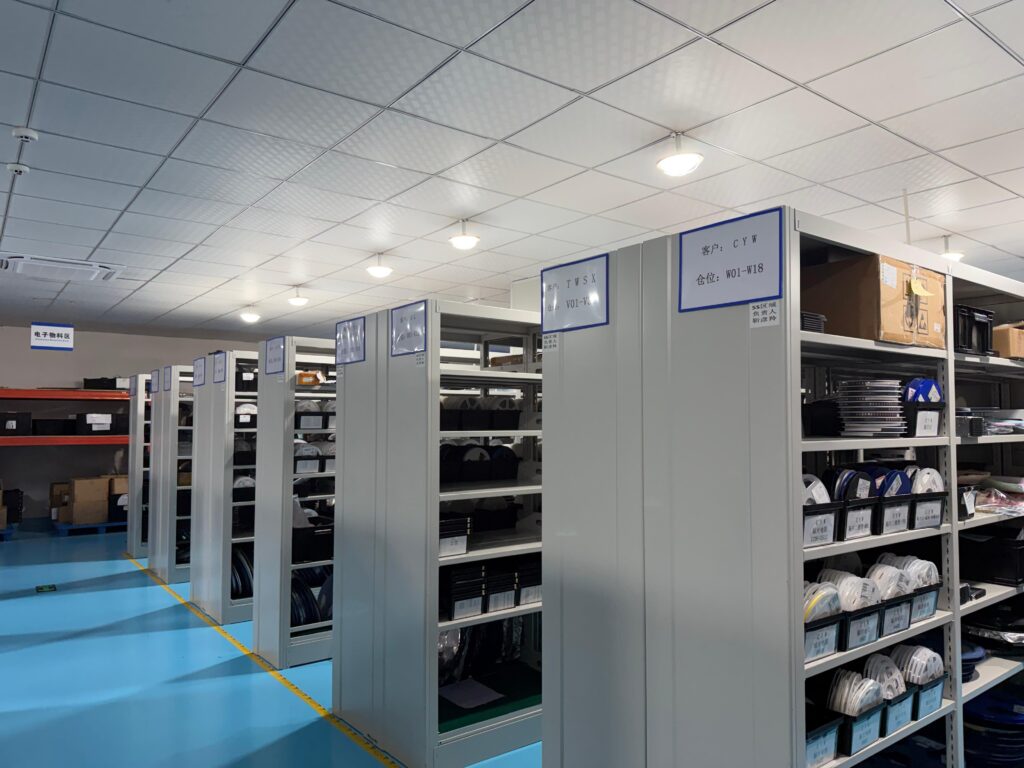
We have a comprehensive domestic and international warehouse system to shorten delivery times, save time, and reduce supply chain risks.
Strict Quality Control
We conduct inspections (batch traceability, anti-counterfeiting testing, and functional testing) during procurement, strictly adhering to IPC and ISO quality standards to eliminate counterfeit and defective products.
Professional Engineering Support
Our engineers will assist customers with BOM review and optimization, material lifecycle analysis, and alternative material inspection. We also compare prices across multiple channels to help customers save on material costs.