Prototype PCB Assembly
Prototype PCB assembly (PCBA) is the process of assembling pre-designed PCBs in small batches. It’s typically used in the early stages of product development to help R&D personnel verify the correctness and functionality of the design and identify any issues that can be promptly optimized. Prototype assembly typically involves 1 to 50 boards and is specifically designed to test, optimize, and troubleshoot designs.
Prototype PCB Assembly Steps
1. Generation and File Preparation
Professional engineers will use advanced CAD software to create the circuit schematic and PCB layout based on product requirements. Once the design is complete, standard production files are generated, including Gerber files, drill files, bill of materials (BOMs), and stencil files. A Design for Material Design (DFM) check is performed to ensure the files are error-free before production begins.
2. PCB Manufacturing
Select a suitable substrate (FR4, high-frequency board, aluminum board, etc.). Transfer the circuit image to the copper-clad board through film exposure. Excess copper is then removed, leaving only the necessary traces. According to the drilling file, through-holes and vias are created. Electroless copper plating is then applied to evenly distribute the copper layer inside the hole walls, ensuring conductivity between the upper and lower layers. The next step is surface treatment, with common processes such as OSP, tinning, gold plating, and tin spraying to enhance conductivity and solderability. A solder mask layer is evenly applied to both sides of the board, followed by silkscreen markings (such as component numbers and logos). Finally, the PCB is electrically tested to check for opens and shorts to ensure proper circuit functionality.
3. Component Procurement
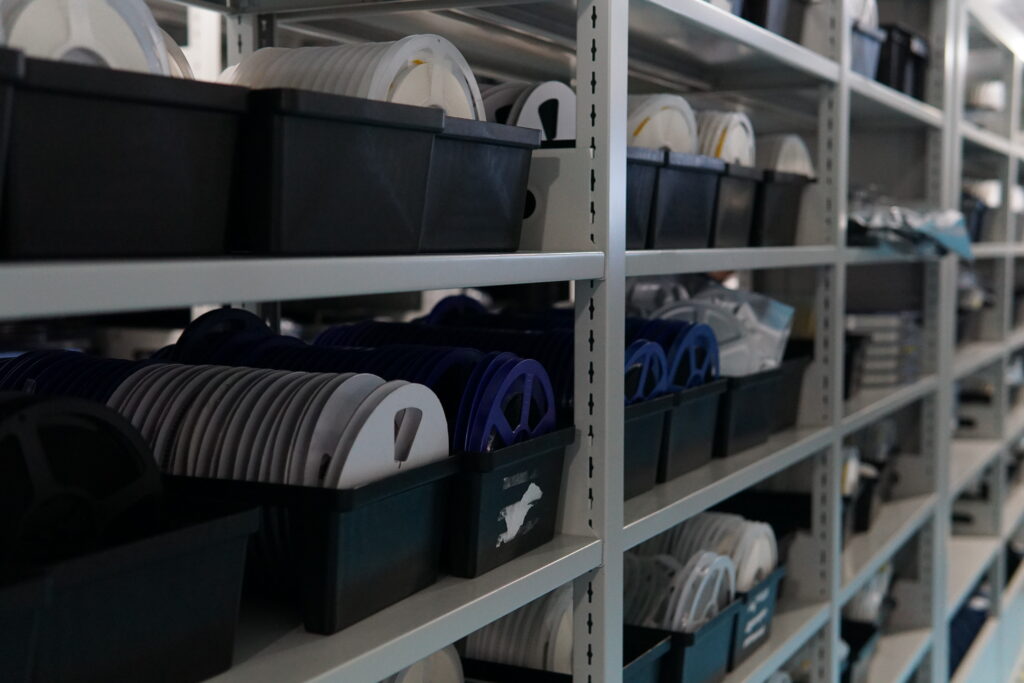
We will determine the model, package, and supplier of each component based on the bill of materials (BOM) provided by the customer. We procure components through reputable channels to ensure quality. We inspect the appearance, specifications, and batch size of purchased components to avoid counterfeit or defective products.
LingKey provides a one-stop service. Simply provide the design files and we will handle PCB manufacturing, component procurement, and PCB assembly, saving you time and effort.
4. Component Procurement
Depending on design and production requirements, circuit board assembly is primarily categorized into two processes: surface mount technology (SMT) and through-hole technology (THT).
SMT: Solder paste is precisely applied to the PCB pads using a stencil. A high-speed automated placement machine is then used to precisely place components such as resistors, capacitors, and chips in their designated positions. The assembled circuit board is then sent to a reflow oven, where it melts at high temperatures, cools, and solidifies to complete the soldering process. Click to learn more about SMT Surface Mount Technology
THT:Leaded components (such as connectors, inductors, and high-power devices) are inserted into through-holes on a PCB. Wave soldering is used to solder multiple through-hole components simultaneously, thus completing the soldering process. Click through-hole assembly to learn more.
5. Inspection and Testing
To ensure the reliability and functionality of assembled circuit boards, various tests and inspections are performed.
Appearance Inspection: Manual or machine inspection is used to check solder joint quality, component polarity, and correct position numbers.
AOI (Automated Optical Inspection): A camera automatically detects component misalignment, missing parts, and poor soldering.
X-ray: Used to inspect invisible solder joints on packages like BGAs and QFAs.
Functional Testing: Power-on testing is performed according to the circuit board’s design to ensure that the circuit logic and performance meet the requirements.
6. Packaging
After testing, clean the circuit boards with water or a chemical solution to remove any solder resist and any remaining impurities. Use anti-static bags and vacuum packaging to prevent moisture and damage during transportation.
Rapid Design Verification
Prototype PCB assembly allows designs to be quickly converted into actual circuit boards and tested in a short period of time. This helps teams verify that the design meets intended functionality, identify design flaws and potential issues promptly, and implement corrective improvements.
Reduce development costs and risks
Prototype PCB assembly allows the team to conduct multiple trials and refinements during small-batch production, avoiding the costly mistakes and excessive investment that can occur during large-scale production.
Identify and Correct Problems
During the prototype assembly phase, testing can quickly identify issues on the circuit board, such as soldering defects, improper component placement, and electrical interference. Compared to mass production, prototype assembly allows for modifications at a lower risk and cost, avoiding the waste associated with mass production.
4.Flexible Adjustment and Optimization
Prototype PCB assembly allows designers to make flexible adjustments based on test results. Complex boards can be repeatedly adjusted and optimized multiple times to ensure optimal performance during mass production.
Why is prototype PCB assembly necessary?
In the early stages of electronic product development, prototype PCB assembly is used to verify circuit design. Before formally entering large-scale production, it is used for small-batch market testing and production to generate market data.
Verify design feasibility
Discover design flaws earlier
Accelerate product development cycles
Reduce Risk and Cost
Our Services
We offer a one-stop service for our customers. We provide full-process PCB design and manufacturing services, strictly adhering to high-standard production processes during the manufacturing process to ensure that every PCB meets design requirements. We have established stable partnerships with many leading component suppliers, helping customers obtain the required components efficiently and cost-effectively. Whether it is SMT or THT, we can provide efficient and precise assembly services. We use state-of-the-art equipment to provide functional testing and performance verification services to ensure that your prototype PCB will perform stably in the actual application. We can take care of all aspects, simplifying the process for you, saving time, cost, and effort.