Teflon
Teflon (PTFE, Polytetrafluoroethylene) is a high speed fluoropolymer with lowest friction coefficient and good high temperature and chemical resistance. Developed originally by DuPont and now produced by them and others, it can be found in the vast majority of high-end aerospace, telecommunications, medical, electronics, and chemical industry applications.
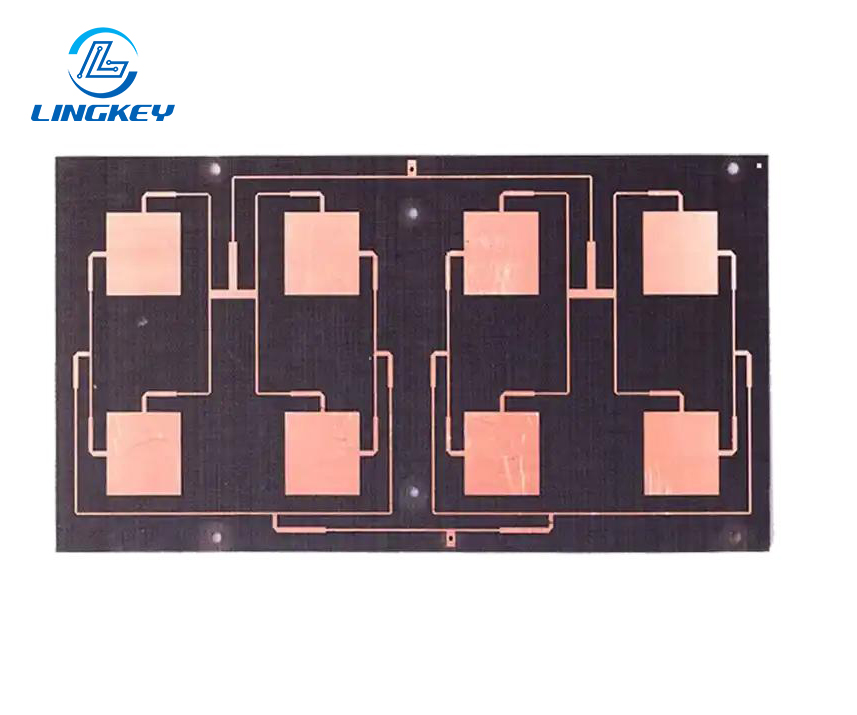
Due to its excellent electrical properties, Teflon is used as a substrate for high-frequency PCBs, RF modules and high-speed signal circuits in electronics manufacturing, It can also greatly reduce signal loss and interference.
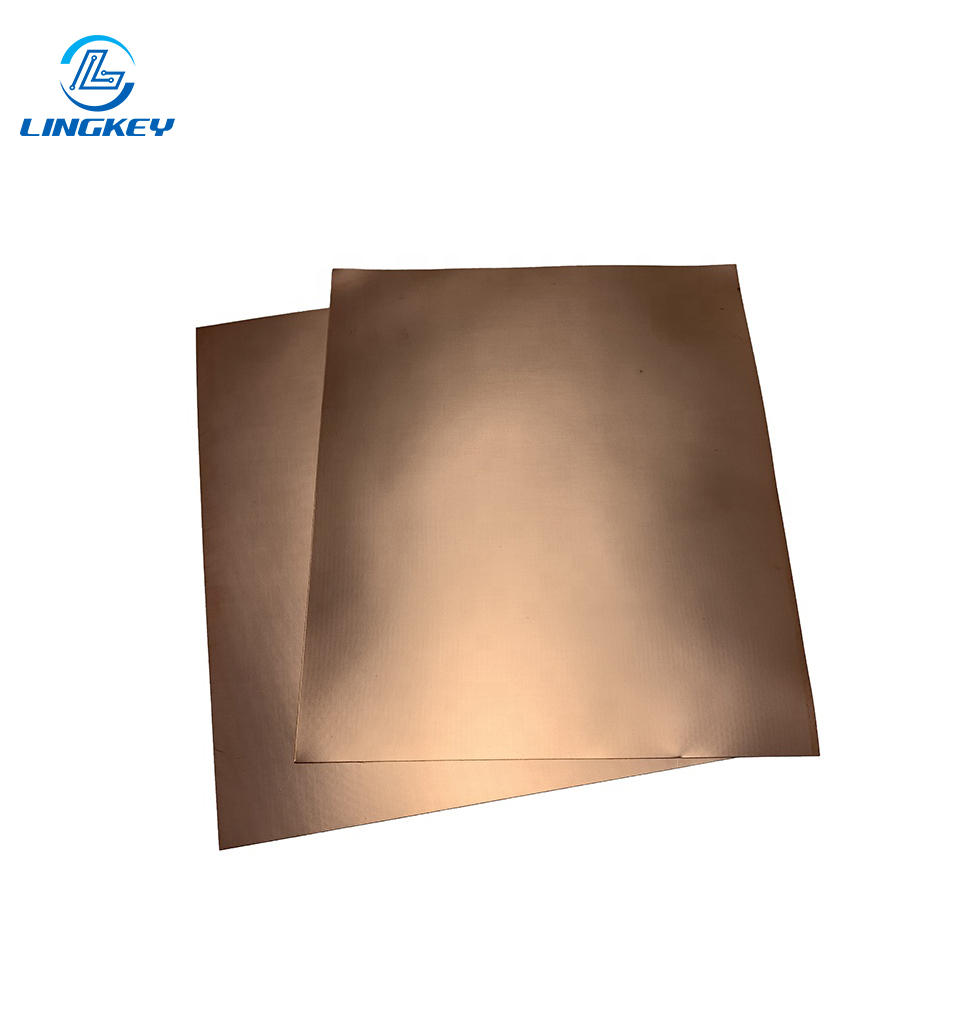
Key Advantages of Teflon
1. Dielectric Constant and Loss are Extremely Low
Teflon has an exceptionally low dielectric constant (about 2.1) and very low dissipation factor (normally <0.001). This makes signal fading to be kept minimal in high speed and RF transmission. PTFE offers stable electrical performance and excellent signal integrity whether at microwave frequencies or in high speed data links.
2. Exceptional heat resistance
PTFE can be used reliably at temperatures ranging from -200°C to +260°C, and high temperature can not only maintain the PTFE molecular structure without decomposition and deformation. Heat resistance (applicable to heat resistance and heat shock resistance test reflow soldering and high power radio frequency module).
3. Exceptional Chemical Inertness
PTFE is highly non-reactive to acids, alkalies and organic solvents, therefore it is considered as the suitable material for chemicals, medical and other high-end industries. The machine continues to work with corrosive gases or liquids for a long time, stable performance.
4. Low Friction and Excellent Surface Properties
Because PTFE has a very low coefficient of friction, it provides a non-stick surface that also resists contamination, moisture and oil penetration. It’s perfect for sliding products, insulating materials, and electronics packaging components, all of which require surface cleanliness.
5. Excellent Electrical Insulating Properties
High voltage PTFE Insulation : PTFE also offers a high insulation strength and a stable dielectric on the electrical properties which are also virtually independent on temperature or humidity conditions. It finds its application in high-voltage insulation, high-frequency dielectric layers, and devices susceptible to signal interference.
6. Long-Term Reliability
Due to high molecular stability, PTFE does not age or crack easily. It can retain its mechanical and electrical integrity through thermal cycling, humidity cycles and chemical exposure at the same time — delivering confiable results in high-reliability applications.
Comparison Between Teflon and Traditional PCB Materials
The FR4, Polyimide (PI), and Teflon (PTFE) are the three most popular types of substrate material in the PCB industry, each of them having different performance and application.
1. Comparison with FR4
FR4 is the most commonly used fiberglass-epoxy laminate for PCB substrate, and it has the advantages of low price, high mechanical strength, and good processing performance. It meets the needs of most general-purpose electronics.
However, the dielectric constant and loss factor is quite high, and its characteristics is easily influenced by temperature and moisture, so they cannot be used for RF or high-speed signal transmission application.
Summary:FR4 is suitable for so called “standard” circuits but is not applicable to high-frequency / high-speed circuits.
2.Comparison with Polyimide (PI)
Polyimide is in broad use for FPC due to its good flexibility, high temperature resistant, and good chemical stability. With regard to thermal stability, PI is better than FR4, but its high frequency loss and signal stability are worse than Teflon.
For the products that need to be bent repeatedly,or work in high temperature environment, PI is a great option. Yet, PI is not good enough when extremely low loss, high frequency RF applications are required.
Summary:PI is a good candidate for applications based on flexibility and high temperature, but its high frequency capabilities are far behind that of Teflon.
3.Performance Positioning of Teflon (PTFE)
Teflon has one of the lowest dielectric constants and losses in the industry and consequently provides very good signal integrity in the microwave, millimeter-wave, and other UHF environments.
Therefore it is the best substrate for RF, high speed communication, radar and antenna module.
Its disadvantage is higher prices, more difficult process and relatively low mechanical strength, which bring higher requirements for PCB manufacturing.
Summary:Teflon is the best material to use for high frequency, high speed and low loss applications, however it is more expensive and more difficult to work with.
Typical Applications of Teflon
High Frequency and Microwave PCBs
Used in high speed circuit like radar system, satellite communication, 5G RF module etc, with best signal quality and stable signal.
Aerospace and Military Hardware
It is suitable for electronic systems which need to withstand high temperature, strong vibration, long-time working and high reliability, such as satellite control module, aviation navigation unit and communications equipment.
Chemical and Medical Machinery
Due to its superior corrosion and solvent resistance, PTFE is utilized for chemical pipe lining, sealing parts, isolation films and insulation instruments for medical devices.