Half Holes
A half-hole is created by drilling and plating through holes, then cutting through them, leaving only half or a portion exposed at the edge of the PCB.
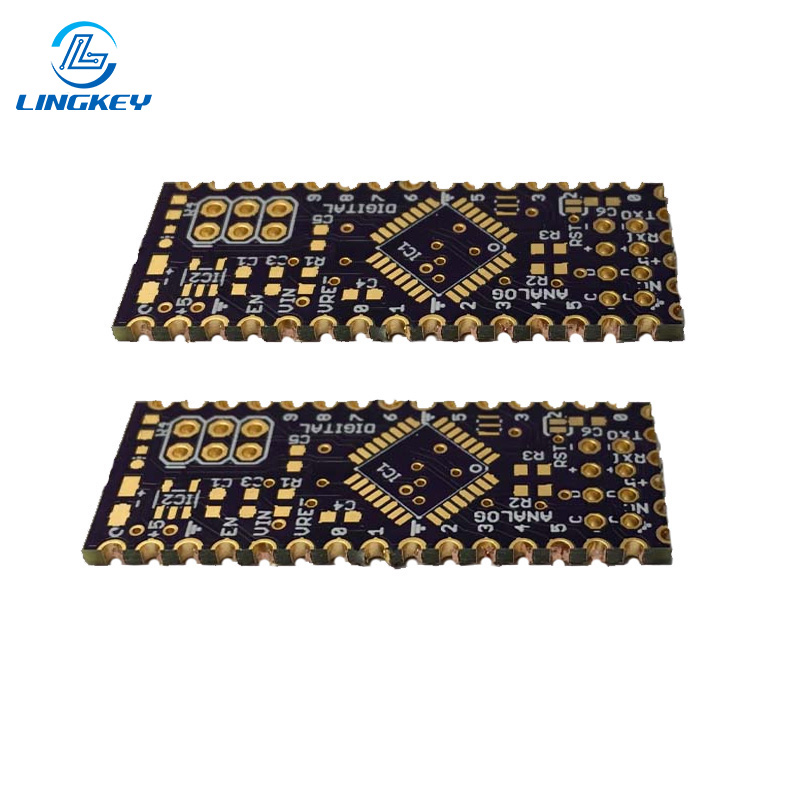
Why are half-holes needed?
Half-holes are used when a cellular PCB template, such as a Wi-Fi or Bluetooth module, needs to be mounted on another PCB. Their primary purpose is to allow a single PCB template to be soldered to another PCB.
Why are half-holes used for board-to-board soldering?
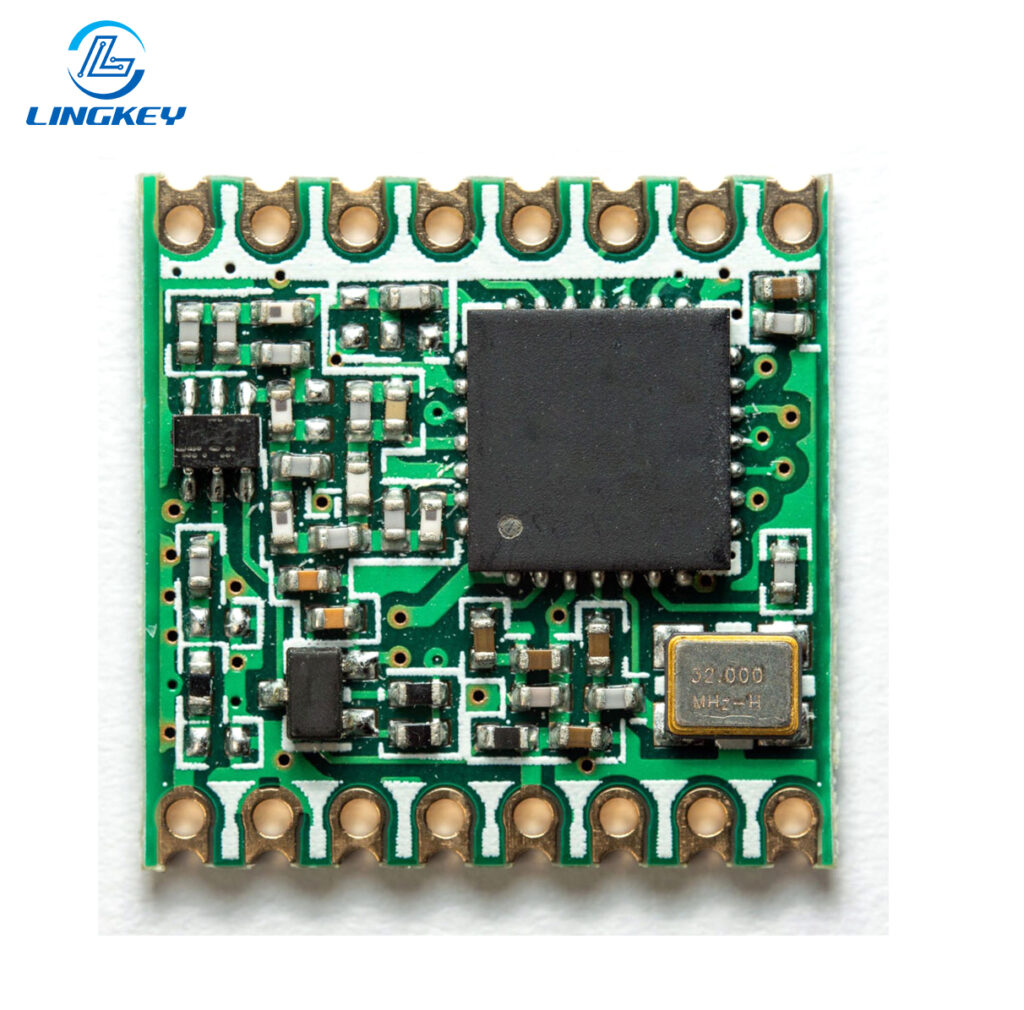
1.Because half-holes are located on the side edge of the PCB, they are more convenient. If the SMD pads were located on the PCB surface, this would affect component placement. Therefore, half-holes make soldering easier.
2.When the SMD pad is above or below the PCB surface, it may cause misalignment. However, when the hole is on the side of the PCB, it will be easier to align and reduce mistakes.
3.The half hole is located on the side of the PCB, which makes it easier to measure the distance between the hole and the solder. It can be measured directly with a caliper, which is more convenient.
4.The arrangement of multiple half holes looks like teeth, so the PCB connection can be tighter during soldering and dust accumulation can be avoided.
How to design a half hole?
1. Via Placement
Half vias are similar to through vias, except that through vias are located in the center of the PCB, forming a fully circular hole. Half vias, on the other hand, are drilled at the edge of the PCB and then cut, resulting in a semicircular shape.
2.Copper Pads on Both Sides
To ensure better soldering and electrical conductivity, copper pads should be placed on both the top and bottom layers of a half-hole PCB. This ensures a stronger solder connection between the module board and the motherboard, and enhances electrical conductivity.
3. Factors to Consider for the Solder Mask Layer
The solder mask layer should be accurately aligned and cover the exposed half-hole to prevent unnecessary copper exposure.
4. Considerations for Drilling Layers
Drilling layers require precise positioning, ensuring that the half-holes are perfectly aligned with the PCB edge. Proper spacing between the half-holes is essential to prevent short circuits and soldering defects.
5. Minimum Hole Diameter and Spacing
To ensure the stability of welding and assembly, we recommend that the half hole diameter be at least 0.6mm and the spacing between adjacent half holes be at least 0.6mm. A hole diameter that is too small may affect the electroplating quality and cause welding defects, thus affecting product quality.
Semi-hole Manufacturing Process
- Drilling: Use a drill bit with a diameter of approximately 0.6mm to drill along the edge of the PCB.
- Electroplating: The drilled hole does not yet have the ability to connect the layers, so chemical copper plating is required to establish an electrical connection.
- Cutting: After drilling, the plated hole is trimmed to create a semi-circular opening.
- Processing Inspection: The semi-hole is inspected and refined to ensure that the plating is intact and can be reliably soldered.
Disadvantages of Half-Hole PCBs
- Manufacturing half-hole PCBs requires precision drilling and plating. The holes are cut after plating, requiring specialized equipment to ensure clean edges and reliable connections. These factors make half-hole PCB manufacturing more expensive than regular PCBs.
- When designing and manufacturing, vias must be placed along the edge of the PCB, and both the top and bottom layers require appropriate copper pads. Any errors may lead to problems such as poor connections. Therefore, designing and manufacturing half-hole PCBs is more complicated than ordinary PCBs.
Frequently Asked Questions About Half-Hole PCBs
For reliable soldering, the recommended minimum hole diameter is 0.6mm, and the spacing between half-holes should be at least 0.6mm. Smaller holes may affect plating quality and solderability.
Yes, half-hole PCBs are more expensive because the drilling, plating, and cutting processes are more precise than those for standard PCBs.
Half-hole PCBs offer direct board-to-board integration, although SMT components are soldered to the PCB surface. Half-hole PCBs are more suitable for modular and removable modules.
For precise and reliable half-hole PCBs, contact Ling Key PCB. We specialize in high-quality PCB manufacturing and strict quality control to ensure durability and performance.
Yes, half-hole PCBs are mainly used in rigid PCBs. They can also be used in rigid-flex PCBs in specific designs. But they are not common in flexible PCBs.