Electronic test
Electronic testing refers to the process of inspecting and verifying the electrical performance, functionality, and reliability of electronic products or PCBs during their production. This testing method is used to ensure that electronic products function properly, meet design requirements, and meet quality standards.
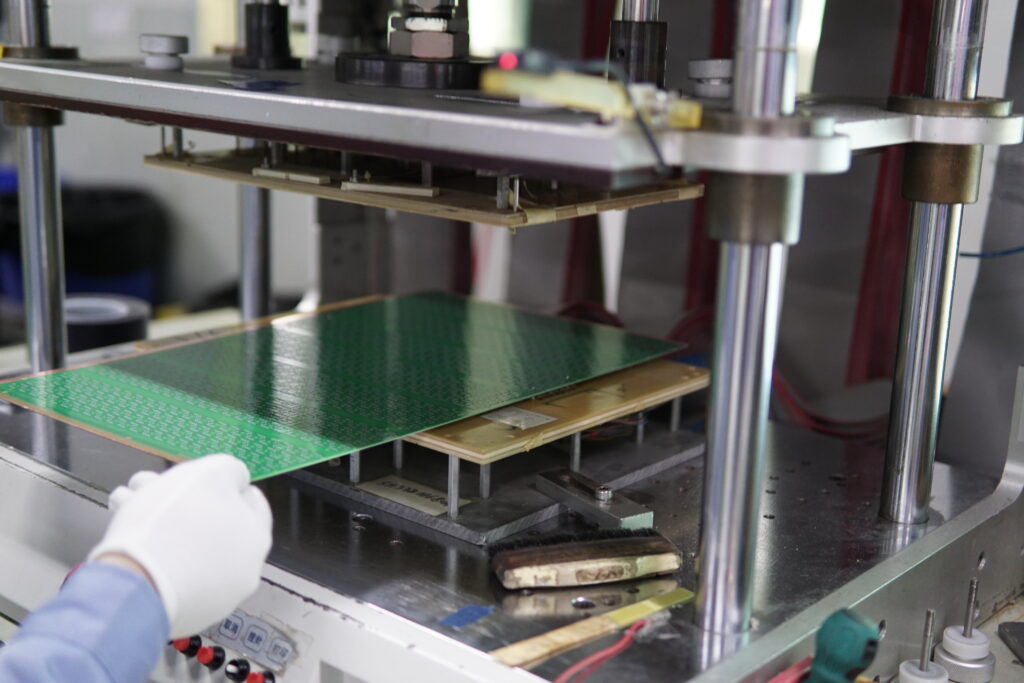
Purpose of Electronic Testing
- Ensure that the PCB’s circuits, vias, and other functions function properly as designed.
- Detect problems such as poor soldering, shorts, opens, and incorrect component polarity on the PCBA.
- Comprehensively test to ensure that products delivered to customers are of qualified quality and reliable performance.
- Ensure product stability through continuous testing under various conditions.
Common Types of Electronics Tests
Test Type | Main Function |
ICT(In-Circuit Test) | Check whether the soldering position of each component in the circuit is correct, whether the value is qualified, and whether the soldering point is correct |
FCT(Functional Test) | Simulate the actual working environment to test whether the product can operate normally in the working environment |
AOI(Automated Optical Inspection) | Use cameras to detect defects in solder joints, component position deviations, missing components, and other appearance issues. |
X-Ray Test | Check whether there are problems such as cold solder joints and missing solder joints in BGA, QFN and other packages that cannot be observed with the naked eye to ensure the reliability of the solder joints |
Burn-in Test | Power on for a long time and verify product reliability under different conditions (high temperature, high load, and other harsh conditions) |
Advantages of Electronic Testing
Makes sure the product is reliable:
Electronic testing allows for detection of potential failures during the manufacturing process so that the product can be fixed rather than replaced once in the field. Thus, the electronic device can stay stable and reliable in the long-term use.
Lowers Production Costs:
Electronic testing minimizes the cost impact of potential issues in terms of rework and scrap by detecting and correcting them early in the process, which leads to significant improvements in the overall cost-effectiveness of the production flow.
Increases Production Efficiency:
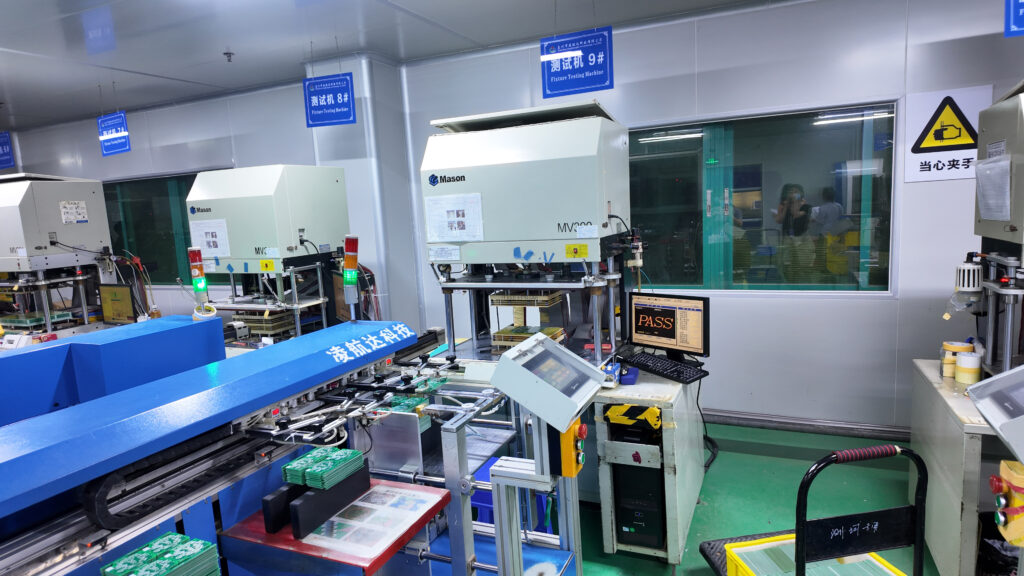
A number of test systems are now automated, providing speedy and exact tests. This improves the efficiency of the production line as a whole and shortens the production time.
Maintains Consistency over the Whole Batch:
Electronic testing ensures that each batch is held to the same quality level so that differences in performance due to component tolerances or process variation are eliminated.
Conclusion
Electronic testing is one of the important steps in the PCBA process. It comprehensively checks whether the circuits fulfill the required functions and meet the electrical characteristics and the reliability by applying multiple test methods, and guarantees that the products are quality assured and are stable in operation before they are shipped for real use environments. With the continuous development of electronic manufacturing technologies, testing techniques are also developing, which are more accurate and efficient.
As your reliable PCBA manufacturer partner, LingKey applies stringent electronic testing processes at every stage of our production process. We’re confident that stable, reliable, and long-term consistent quality defines every board we produce and deliver—offering a rock-solid base on which to build the performance of your products.