Shelf Life
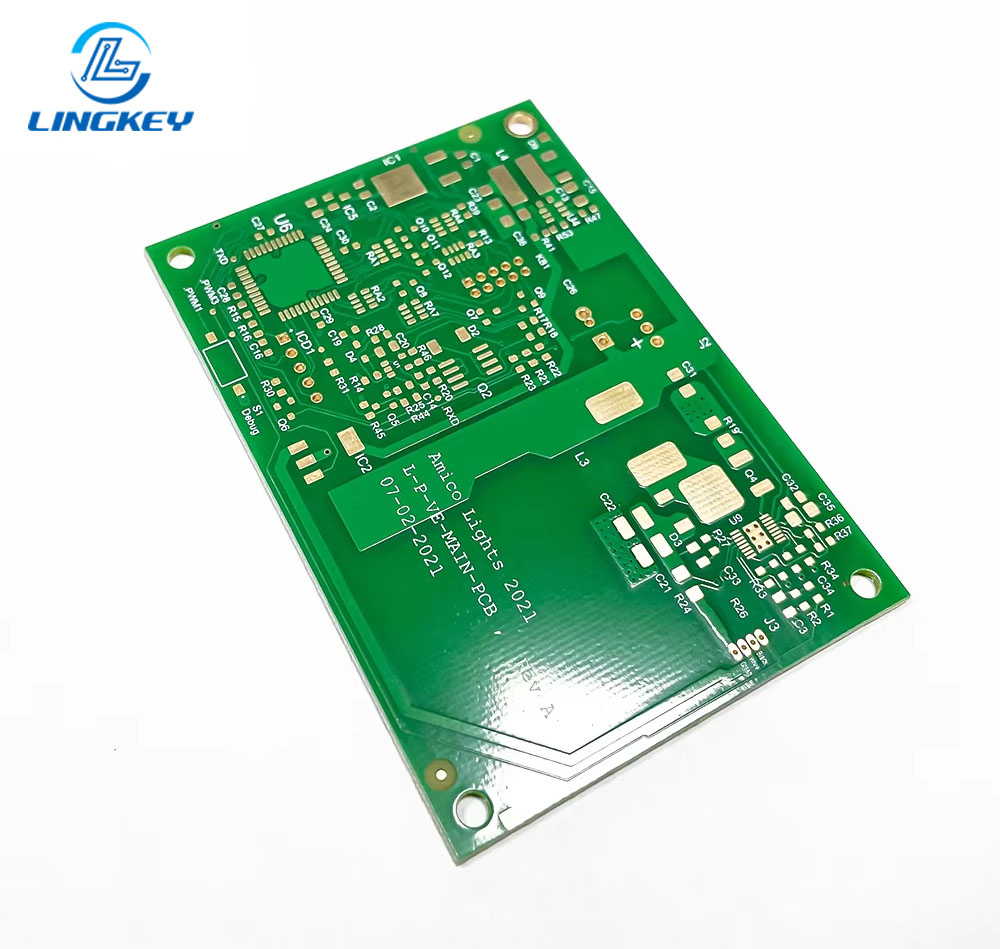
In terms of PCBA/PCB fabrication and assembling, shelf life is the duration that the product can retain its performance, solderability and reliability treated with the same storage conditions. Proper storage and good shelf life management ensure consistent quality in the following assembly and solder processes.
Storage and Handling Requirements
The following storage and handling conditions need to be strictly followed to ensure the solderability and long-term reliability of the PCB/PCBA:
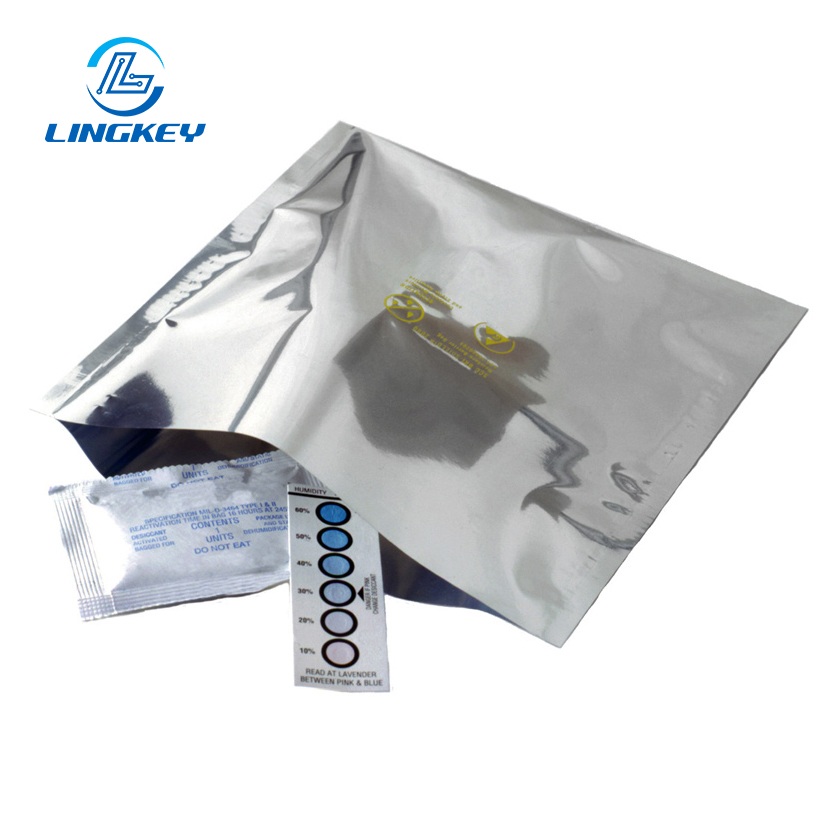
1.Packaged with vacuum sealing bags,Vacuum sealed packaging to prevent moisture and oxidation, strong resistant to air and moisture invasion to protect the veneered boards.
2.Storage at a constant temperature and humidity (<30°C, <60% relative humidity)2.
3.It is recommended that it be stored in a room at 30 °C / 60% relative humidity / 1 atm pressure, to prevent moisture oxidation or heating.
4.Unused(remaining)boards should be resealed and pumped after open. The PCBs not used immediately after the package is opened should be repackaged to prevent moisture. The expired PCBs should be inspected again before be used.
For expired PCBs, the reliability shall be assured by a visual inspection and a solderability test before use.
Factors Affecting Shelf Life
Storage temperatures for PCBs and PCBAs are affected by several environmental and material related aspects. being aware of these variables can ensure that manufacturers and end users experience uniform performance in subsequent assembly processes:
Surface Finish Type
The duration of solderability preservation is determined by the type of surface finish :
- ENIG (Electroless Nickel Immersion Gold) usually provides longer shelf life because it has good oxidation resistance.
- The shelf life is shorter for OSP (Organic Solderability Preservative) since the organic layer is hygroscopic and is also affected by the handling.
- Immersion Tin/Immersion Silver needs a bardziej stringent humidity control as they are sensitive to tarnish or whisker growth.
Base Material Stability
High-frequency laminates (PTFE, Rogers, etc.) or multilayer HDI boards can take on moisture more rapidly, impacting dimensional stability and solderability when storage conditions are not adequately controlled.
Packaging Quality
The vacuum, the efficiency of the desiccant and moisture indicator cards have an immediate impact on the level of protection in transit and storage.
Environmental Exposure
Oxidation can be accelerated and solderability or copper migration can be influenced by humidity, sulfur-containing gases, high temperature and UV radiation.
Best Practices for Extending Shelf Life
To achieve the highest level of product reliability and minimise the manufacturing defects and damage during assembly, the following recommendations for best practice should be applied to the handling and storage:
First-In-First-Out (FIFO) Management
Implement a FIFO inventory management system for raw materials and other inventory items such that the older materials are used prior to the newer materials to reduce the risk of materials going beyond their qualified shelf life.
Regular Inspection Cycle
Establish periodic inspection schedules (e.g., every 3 or 6 months) to check for surface oxidation, pad discoloration, warping, and moisture signs.
Use of Dry Cabinets
For moisture sensitive PCBA and components, store them in an environment controlled dry cabinet (≤10% RH) to avoid moisture pick-up and internal delamination during reflow.
Re-baking Procedures Before Assembly
When the exposure time or humidity limits are exceeded for PCBs:
- Bake the PCBs at the correct temperature (usually 105–125°C) to drive out the moisture that has been absorbed.
- Adhere to the JEDEC standard to avoid blistering or delamination during reflow.
Handling with Gloves and Anti-static Measures
Fingerprints, oils and static discharge can affect the solderability and/or cause corrosion. Operators shall wear gloves and be ESD handled to maintain the condition of the pad.
How LingKey Ensures the Best Shelf Life for Your PCB/PCBA
Shelf life control at LingKey PCB is incorporated at every step of fabrication and logistics to maintain the best solderability and long-term reliability of each individual PCB and PCBA. We follow a stringent material control, environmental protection and quality verification process according to IPC-1601, IPC-6012 and JEDEC J-STD-033 standards.
To maximize shelf life, LingKey applies automated vacuum sealing, moisture-proof packaging and rigorous humidity-temperature monitoring in storage and shipping. Each batch is packed with desiccants and a humidity indicator card to maintain conditions until the boards reach customers. For moisture sensitive PCBA assemblies, we utilize dry-cabinet storage and live MSL (Moisture Sensitivity Level) monitoring to protect the integrity of the components.
In addition, LingKey also performs periodic solderability test, surface oxidation check and material traceability audit on all PCBs within their shelf life to have a double check before shipping. This integrated solution enables us to offer customers products with stable performances after long-term storage to minimize risks in assembly and a stable downstream SMT process.