Table of Contents
ToggleAluminum pcb: complete guide to aluminum pcb
Introduction to Aluminum PCBs
Welcome to the all in one guide to aluminum pcb technology – your one stop shop for all things related to aluminum pcbs including design, applications, and structure. With the rising power density of electronic equipment, designer need to efficient heat removal and to have reliable electrical performance in high power environment. Aluminum printed circuit boards (PCBs) – also referred to as antimicrobial aluminum pcbs or aluminum core pcbs – are a groundbreaking evolution of the traditional pcb to combat these issues.
Conventional FR4 (fiberglass-based) PCBs have poor heat dissipation and are known to have issues in applications such as LEDs, power converters. In comparison, aluminum based PCBs and other metal core solutions dissipate heat from hot spots, increasing the life and luminance of LEDs and enable stable operation in automotive systems, aerospace and power electronics. In this guide you will learn the science, design considerations and applications of aluminum boards in detail so you will be better equipped to select the right solution for your thermally challenging project.
What is an Aluminum PCB?
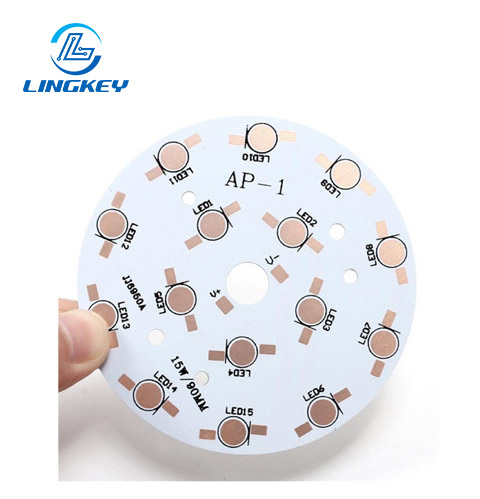
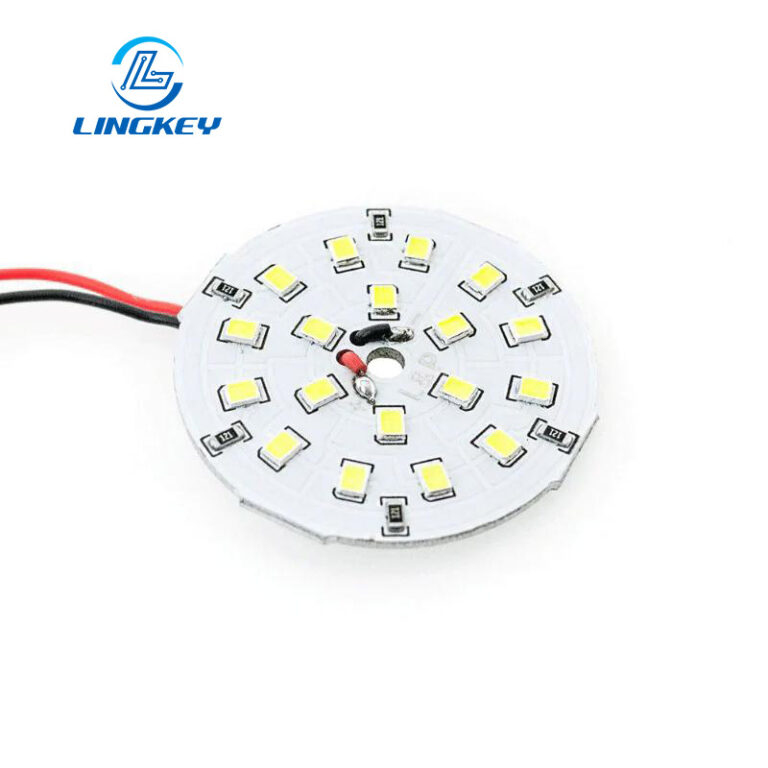
An aluminum PCB (also known as aluminum circuit board or aluminum based PCB) is a high-tech PCB board made of aluminum material as its heat spreader layer instead of traditional glass fiber/epoxy as its base material. This base material offers better heat conduction by rapidly transferring heat away from the electrical parts, which is extremely important for components such as high-power LEDs and high-frequency power converters.
At its core, an aluminum PCB consists of three main layers:
- The copper foil layertransmits current and forms the electrical paths.
- A thermal dielectric layer is sandwiched between the copper and the aluminum for electrical insulation and a critical thermally conductive path for heat dissipation.
- The aluminum substrate(layers and the aluminum substrate membrane) provides mechanical strength,helps to dissipate heat and offers dimensional stability in thermal cycling.
Aluminum boards are used by manufacturers in place of traditional FR4 PCBs for when fast heat dissipation and longer reliability are required. Thermal expansion of aluminium is very small, hence these PCBs are even more suitable for high end applications.
Structure of Aluminum PCBs
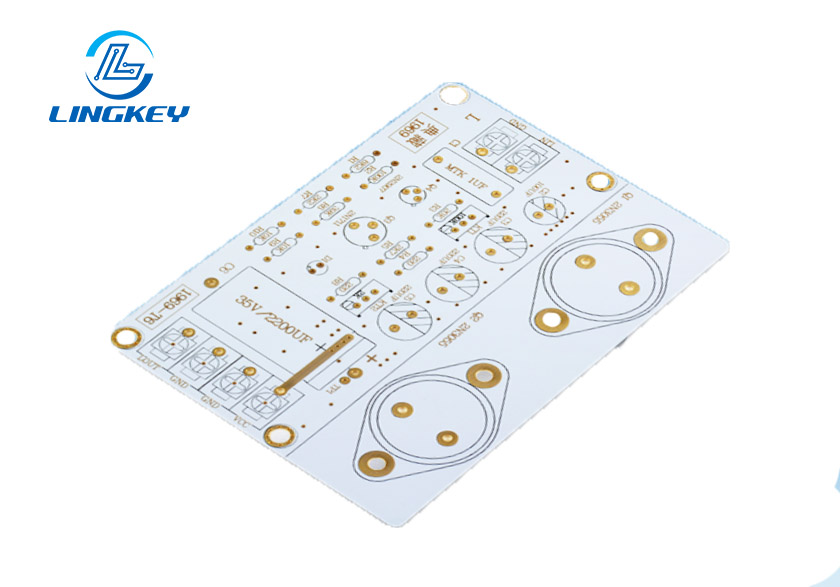
Understanding the structure of an aluminum PCB are the basics to get a good performance in designing and manufacturing aluminum PCBs:
Layer | Function |
Copper Foil Layer | Etched for current transmission; standard in all pcb boards; can be from 1oz to 3oz thickness. |
Dielectric Layer | Insulated but thermally conductive, conducting heat away from hotspots; thickness typically 50-200μm. |
Aluminum Base Layer | Provides main structure, high mechanical strength, and directs heat away from components rapidly. |
Aluminum Base Membrane | Extra protection against corrosion and bonding improvement, especially in harsh environments. |
These structural elements, occasionally employing higher thermal conductivity materials from the brands Ventec, Shengyi, Totking, among others, are designed to optimize both the electrical and mechanical robustness.
Aluminum Backed PCBs vs. Traditional FR4 Boards
- Thermal Performance:Aluminum boards conduct heat 10x better than FR4, enabling higher power densities and lower failure rates.
- Dimensional Stability:Small thermal expansion of aluminum over temperature swings, good for precision circuits.
- Mechanical Strength:Better vibration and impact resistance than fiberglass-based FR4 PCBs.
Types of Aluminum PCBs
There are various PCB aluminum substrate boards options for different applications:
- Single-layer aluminum PCBs:Very cost-effective for simple circuits, also popular in pcb aluminium led lighting.
- Double-sided aluminum PCBs:Enable routing on both sides ifthe medium-performance application requires more complexity.
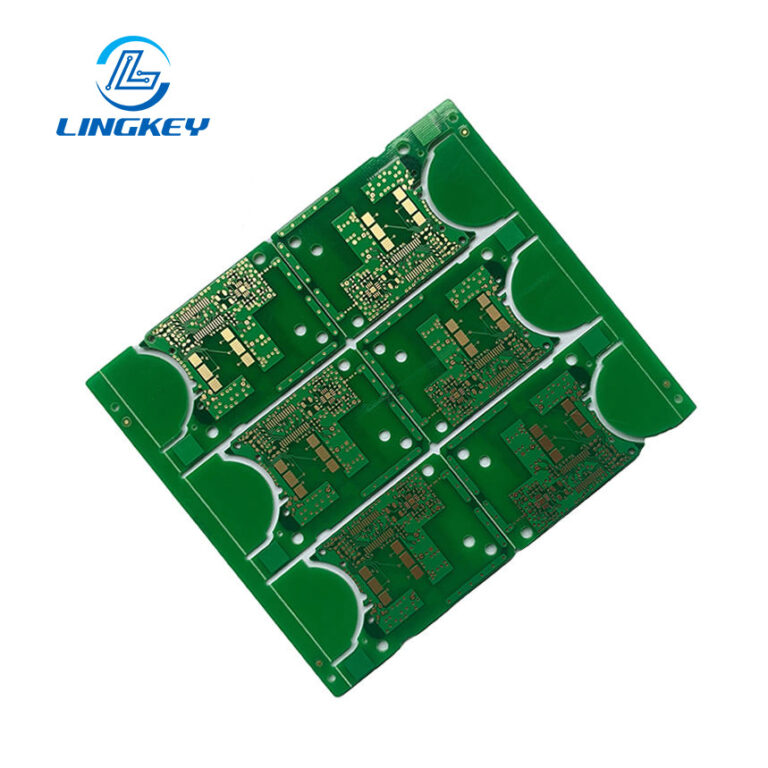
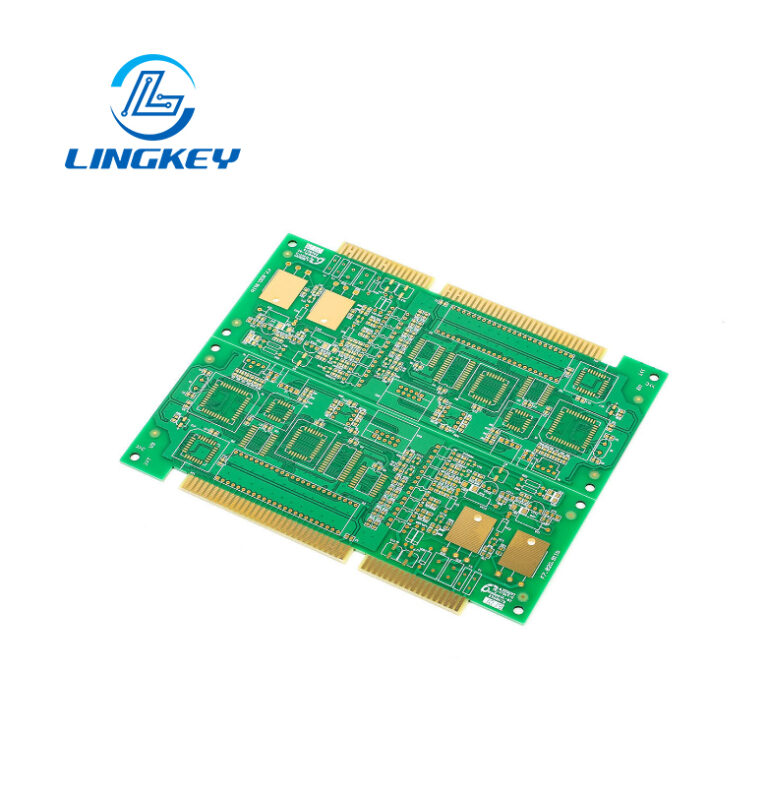
- Multilayer aluminum PCBs:For advanced applications, such as stacked signal and power planes, and typically for high Heat and high-frequency applications.
- Flexible aluminum PCBs:Used where space constraints require boards to flex, such as wearable devices.
- Hybrid aluminum PCBs:Stack up other materials (like FR4 or ceramics) for a combination of
- Aluminum core PCBs:With a thick MCPCB core for super heat dissipation, especially in high power and brightness led driver.
- Aluminum backed PCB:Any structure where an aluminum base provides mechanical and thermal support.
The selection of layer number and substrate material are important stages in ensuring the functionality of a PCB meets the specific needs of an end application.
Aluminum PCB Design Guidelines
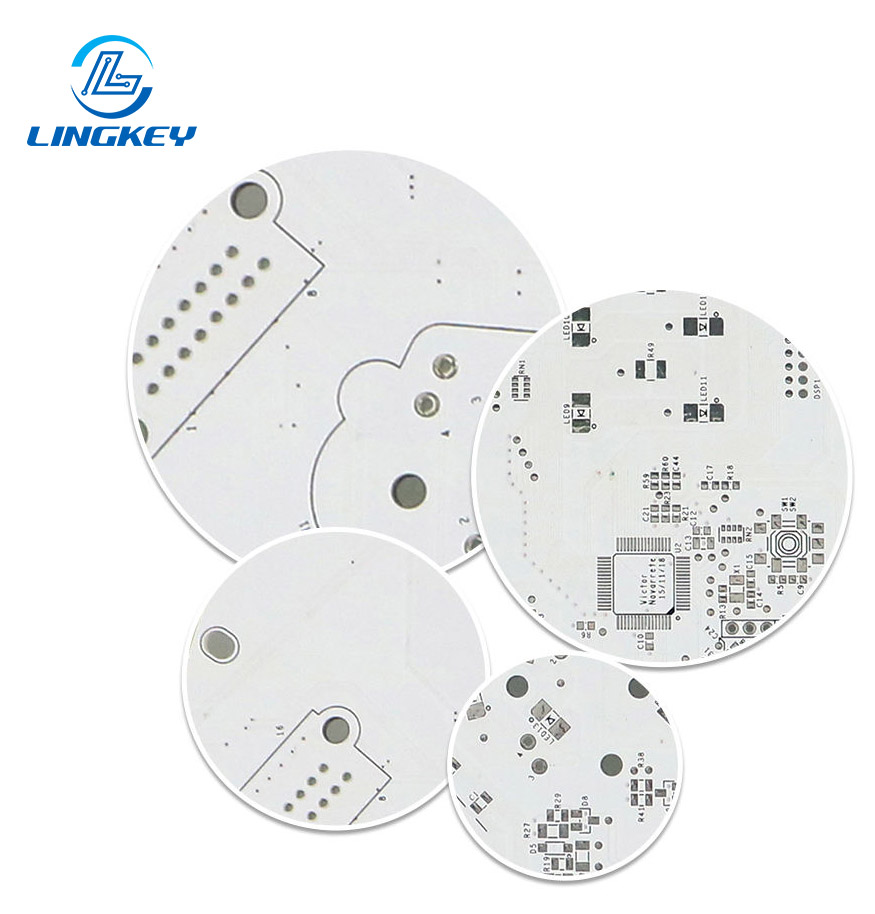
To design a good aluminum PCB, one needs to understand the relationship of heat, current and electrical performance.This part underline the best practices for PCB design and manufacture:
Optimizing Thermal Dissipation
- Place high-power componentson thermal islands—sections of copper directly connected thermally to the aluminum base.
- Utilize thicker copperwhere higher current is present, to minimize resistance and dissipate heat.
- Design the thermal layerto ensure no bottlenecks impede heat flow to the aluminum base.
Electrical & Mechanical Guidelines
- Choose dielectricswith high thermal conductivity for rapid heat transfer and adequate voltage insulation.
- Consider pedestal designsto further enhance direct thermal connection under key components.
- Review Gerber filesand design for manufacturability (DFM) with attention to routability and drilling.
Reliability & Lifespan
- Keep traces as short as possible for minimal inductance and better EMI shielding.
- Select proper solder masks/finishes to prevent corrosion and maintain high electrical integrity.
Typical Stack-Up Table
PCB Option | Copper Layer | Dielectric Layer | Aluminum Base | Applications |
Single-layer Aluminum PCB | 35-70μm | 75-150μm | 1.0-1.5mm | LEDs, general, power modules |
Double-layer Aluminum PCB | 35-105μm | 100-200μm | 1.5-2.0mm | Automotive, more complex circuits |
Multilayer Aluminum PCB | 2x 35μm+ | 2×100μm+ | 2.0mm+ | High-power, high-frequency, defense |
Properties, Advantages, and Disadvantages of Aluminum PCBs
Key Properties & Advantages
- Excellent ability to dissipate heat:The aluminum base and thermal layer rapidly dissipate the intense heat from sensitive components and LEDs.
- Lightweight with High Strength:Aluminum PCBs are lighter than copper or ceramic boards, but provide the similar strength.
- Strong Electrical Performance:Good dielectric insulation and dimensional stability minimize risk of circuit failure.
- Cost-effectiveness:Reduced need for external heat sinks or heavy thermal solutions.
- Environmental Benefits:Aluminum production is less resource-intensive than copper mining, and aluminum can be recycled easily.
- Longer Lifespan:Reduced thermal stress leads to reduced failure and longer service life for high-power electronics.
Disadvantages
- Mainly rigid:Not as flexible as polyimide or rigid-flex PCBs.
- Multilayer complexity:More challenging, thus typically more costly, than single or double sided.
- Electrical isolation limits:Dielectric selection must balance insulation and thermal performance.
Comparison: Aluminum PCBs vs. Other PCBs
Feature | Aluminum PCB | Traditional FR4 Board | Copper-Core PCB | Ceramic PCB |
Heat Dissipation | Excellent | Poor | Very good | Best |
Weight | Light | Light | Heavy | Light |
Brightness for LEDs | Maintained | Often drops due to heat | Excellent | Excellent |
Dimensional Change | Very Low | Medium (fiberglass expands) | Very Low | Very Low |
Cost | Moderate | Low | High | Very High |
Best For | LEDs, power, automotive, aerospace and defense | General electronics | Extreme environments | RF, microwave, hi-rel |
Aluminum PCB Manufacturing Process
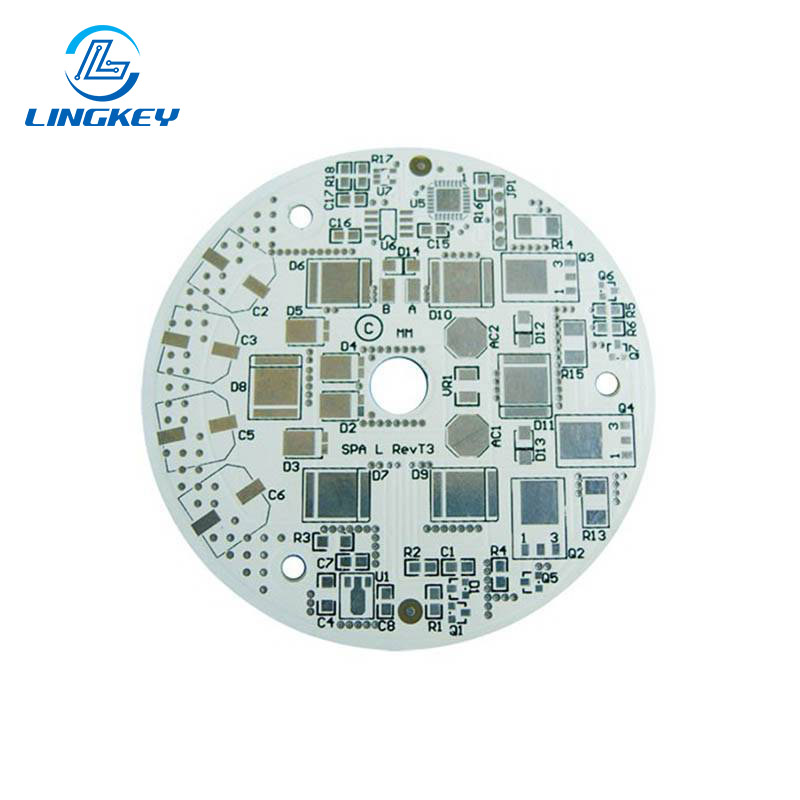
This guide covers how manufacturers use a methodical, quality-focused approach for making aluminum PCBs:
- Materialpreparation: Choose high-quality aluminum base material from reputable suppliers with the appropriate thickness and conductivity for the power and thermal dissipation requirements of your application. Copper foil and dielectric layers are also defined for electrical performance targets at this step.
- Image Transfer and Etching:The circuit patterns are formed on the copper layer by photolithography and then the unwanted copper is etched off. This process forms the current paths and affects signal integrity and thermal management.
- Dielectric Layer Application:A necessary thermal layer is added between the copper traces and the aluminum substrate. This is crucial to ensure heat is effectively removed from hot spots, to avoid early thermal degradation of the pcb boards.
- Lamination:When the layers are aligned, heat and press them into a full, strong aluminum pcb The process has to ensure bead of uniform thickness with good adhesion, since any bubbles in the dielectric layer may block heat flow or electric insulation.
- Drilling and Routing:Precision CNC or laser machined mounting holes and outlines for component placement. Drilling precision guarantees good bonds between the copper and the through-hole part, which is critical in high power and automotive applications.
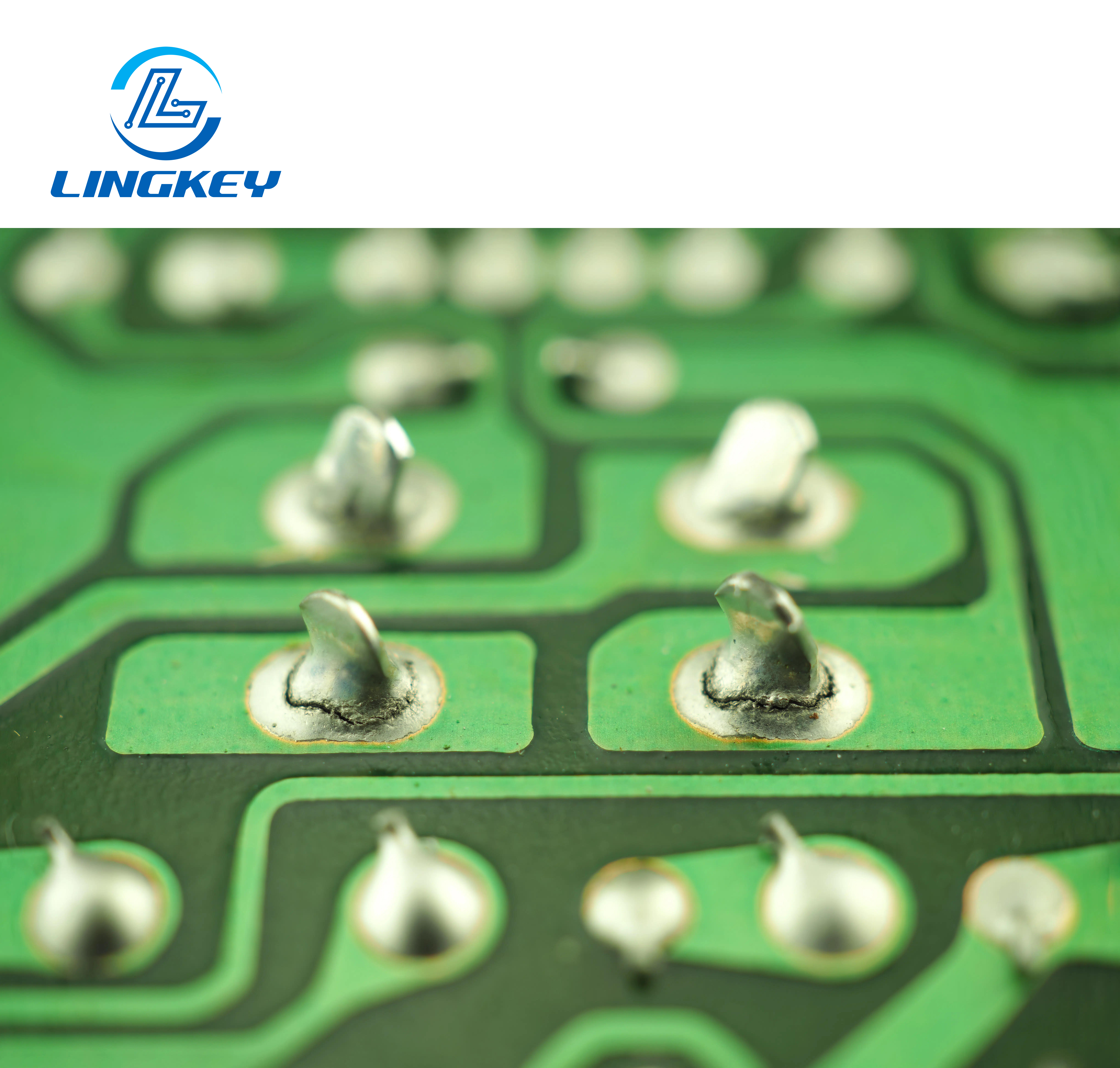
- Surface Finish and Solder Mask:To stop the oxidation and to make it solderable, the manufacturer applies the finish such as ENIG (Electroless Nickel Immersion Gold) or HASL (Hot Air Solder Leveling). To prevent shorts and increase the life of the board, a protective solder mask is applied that is usually green or white in the case of PCB aluminium led applications.
- Printing and Marking:Component outlines, values and polarity (silkscreen) are printed for ease of assembly. This step facilitates both inline and manual assembly, which guarantees all electronic components are correctly placed onto the aluminum PCB.
- Testing and Quality Assurance:Each aluminum backed PCB is subjected to strict quality control: electrical testing for circuit continuity and insulation, thermal cycling to confirm heat dissipation, and visual or AOI inspections for surface defects.
- PCB Assembly:The assembled aluminum pcb then proceed to assembly for soldering of LEDs, drivers or other components. When designing pcm or manufacturing high power or high brightness led modules, we utilize specialized ovens and tightly-controlled profiles to ensure that thermal stress is not placed on either the aluminum circuit board or the attached electronics.
Applications of Aluminum PCBs
Common Applications
Aluminum PCBs are applied in a wide array of industries with high requirements on performance of heat or power load. The most prominent sectors are:
- LED Lighting:The best application: aluminum heat dissipation keeps brightness and prevents color shift or dimming caused by thermal in LED. PCB aluminium LED modules for the indoor, street, automotive and display lighting.
- Power Converters:Switched mode power supplies, inverters and motor drivers need aluminum printed circuit boards to dissipate the large amount of heat produced under high
- Automotive Systems:Modern vehicles employ these boards in headlights, radar, battery management, and infotainment systems, which are subject to vibration and thermal cycling.
- Consumer Electronics:Computers, audio amplifiers, and home appliances use aluminum core PCBs for dependable thermal management in thin, lightweight end products.
- Medical Devices:From imaging machines to hand-held devices, aluminum-based PCBs maintain vital safety requirements in an environment where excess heat could endanger lives.
- Aerospace and Defense:Stringent control in the avionics and military electronics arenas require that use of a stable, low vibration/low dimensional change aluminum under-flight thermal environment be used.
How to Choose the Right Aluminum PCB Manufacturer
Having said that, once you have a complete knowledge of aluminum PCB, the next point you should get is that your supplier can satisfy the industry standards as well as your customized requirements.We are an experienced manufacturer like LingKey who can provide expert advice to make sure your aluminum PCB design, material selection, fabrication and assembly are optimized for thermal performance, reliability and cost efficiency for a wide range of application scenarious.
Key Factors
- Technical Support:Does the supplier assist in selecting appropriate substrate, layer count and thermal solution, or have PCB FAQs?
- Material Sourcing:First-class aluminum (from Ventec, Shengyi, Totking brand) and proven dielectrics with high conductivity brings better results.
- Specialization:Know-how in producing aluminum and MCPCBs for your application voltage and current levels.
- Certifications:Choose the manufacturers that have ISO, UL, and IPC certifications to ensure quality and trustworthiness.
- Customization:Support of all PCB options—single sided, double sided, multilayer, flexible and composite solutions if required.
- End-to-End Service:The BoM sourcing, PCB assembly and after-production service are the guarantees for running potential project.
Questions to Ask
- Can you provide a complete guide to aluminum PCBstack-ups for my application?
- What are your capabilities with high power and high heat applications?
- Have your aluminium circuit boardproducts passed relevant electrical and thermal stress tests for automotive or aerospace and defense?
- How do you ensure consistent thermal and electrical performance batch-to-batch?
- What pcb optionsare available for combined LED and power circuitry?
Frequently Asked Questions
What is an aluminum PCB and why is it preferred for LEDs?
Can aluminum PCBs replace traditional FR4 boards?
What should I consider for PCB design and manufacturing with aluminum PCBs?
Are aluminum boards only used for lighting?
How does heat dissipate away from hotspots?
Summary & Future Trends
This manual represents a comprehensive introduction to aluminum PCBs and aluminum circuit boards—including their construction and thermal characteristics up to selection, applications, and supplier selection. As electronics trend toward more power, smaller size and more reliability, aluminum and other metal core solutions such as copper and ceramics will become increasingly important. Improvements in high freq and hybrid stack-ups, and new and better dielectric materials with higher conductivity are forthcoming that will enable you to go even farther in design flexibility.
Aluminum PCBs provide an attractive combination of mechanical, thermal and electrical performance for engineers who must select the appropriate thermal management solution for LEDs, power electronics, automotive systems, and more— all on a cost-effective, environmentally sustainable, and long-lasting substrate.