ENEPIG PCB Surface Finish: The Essential Guide
Table of Contents
ToggleIntroduction: The Vital Role of ENEPIG in the World of PCB Surface Finishes
In the PCB manufacturing, surface finish is a key factor that affects the quality and reliability of your final PCB. Continuous improvements in electronics have led to different kinds of surface finish each with its own benefits and challenges. 1.1.4 ENEPIG (Electroless Nickel Electroless Palladium Immersion Gold) Among these, ENEPIG emerges as the advanced process that provides excellent combination of oxidation resistance, solderability and wire bonding. With the pressure of demanding applications driving technologies to the edge, ENEPIG offers high-level confidence for every layer of the modern PCB assembly.
In real production, mature PCB providers like LingKey guarantee the advanced surface finish ENEPIG is executed with strict process control and stable quality.
What Is ENEPIG Plating?
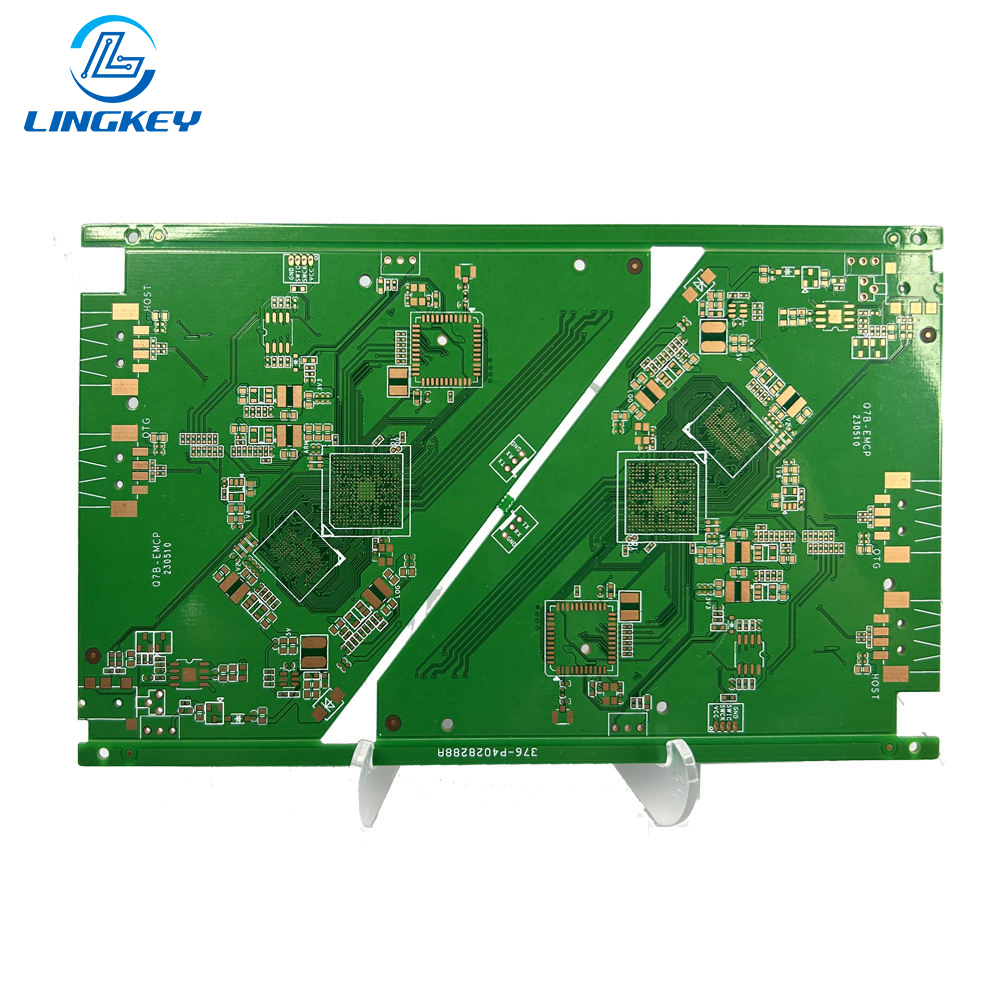
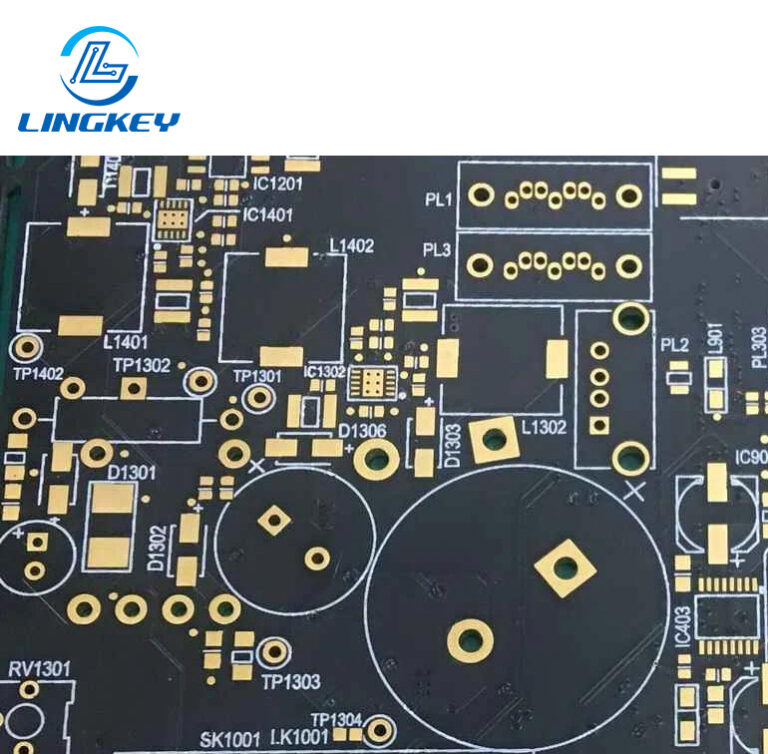
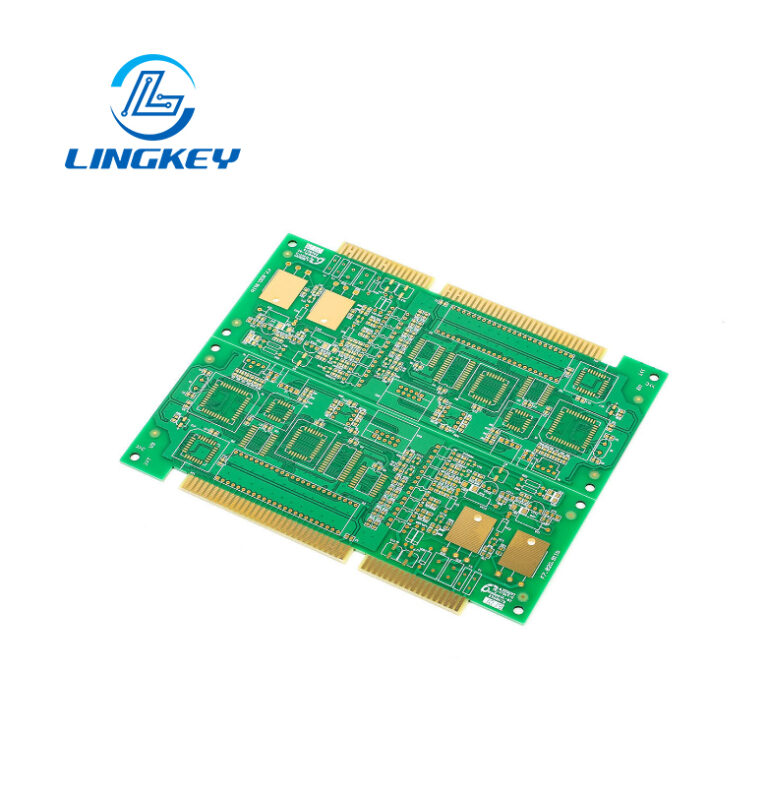
ENEPIG is a surface finish applied to copper pcb pads that consists of three different metal layers nickel, palladium, and gold. The ENEPIG process deposits an electroless nickel layer over the copper, then a thin, consistent palladium layer, and lastly, an immersion layer of gold. The end product is a uniform surface, which is conducive to excellent solderability and wire bonding.
The nickel and gold combination offers solid base, whereas the palladium layer is essential as barrier to inhibit corrosion, black pad problem and enhance wire bonding capability with aluminum and gold wire. In comparison to other surface treatments, ENEPIG’s tri-metal stack affords superior flexibility—positioning ENEPIG as the preferred option in high reliability industries.
ENEPIG Layer Structure and Thickness:
Layer | Typical Thickness (μm) | Role |
Nickel Layer | 3–7 | Barrier, solder base, electrical path |
Palladium Layer | 0.05–0.15 | Wire bonding, corrosion protection |
Gold Layer | 0.03–0.10 | Oxidation shield, wire bond interface |
The thickness of each layer is crucial to keep the electrical and mechanical characteristics. Knowing what differentiates these layers is key to get the best out of ENEPIG on your application.
Manufacturers such as LinKey stress having tight control of each layer of metal to fully take advantage of the performance benefits of ENEPIG.
Understanding PCB Surface Finishes
Surface finish might sound like a small detail, but it’s crucial to PCB assembly yield. Selecting a PCB surface finish can affect solderability, how long the PCB lives, and even the performance of the system. Standard PCB surface finishes are HASL, ENIG, ENEPIG, OSP, and Immersion Silver/Tin.Each of these surface finish options provides different advantages:
- ENEPIG:Excels in both wire bonding and soldering, with unmatched protection against oxidation.
- ENIG:Cost-effective, uniform, but sensitive to black pad and limited for gold wire bonding.
- HASL:Good for budget projects, but lacks flatness for fine-pitch assembly.
- OSP and Immersion Silver:Ideal for quick-turn, less critical jobs.
ENEPIG is unique in that it not only provides a good surface for standard soldering as well as for gold wire, allowing it to be used for other surface mount processes.
How Does the ENEPIG Process Work?
The ENEPIG process, or “fabricating ENEPIG,” begins by exposing the copper PCB pad and then plating the nickel, palladium, and gold layers in sequence. The nickel layer is the mechanical and chemical barrier; it is a homogeneous surface for the succeeding palladium plating. The palladium layer is a key technology innovation that prevents corrosion and enables wire bonding both gold and aluminum wires. Lastly, the gold layer in ENEPIG serves as an ultra-thin, rugged barrier that enables good electrical conduction and long term solderability.
Each stage of the ENEPIG process needs to be closely controlled in terms of temperature, deposition rate, and thickness of the layer. Uncompensational any like treatment of this surface will affect the reliability and performance of the finished PCB.
The ENEPIG Manufacturing Process
Let’s break down the ENEPIG manufacturing sequence:
Copper Activation: The bare copper is processed to accept the nickel layer. This allows good adhesion for next layers.
Electroless Nickel Plating: Deposits the nickel layer offering a base excellent in solderability, corrosion resistivity and mechanical strength. The layer of nickel also forms a good surface for other treatments.
Electroless Palladium Plating: The palladium is plated over the nickel to prevent corrosion and electron migration. The consistent surface assists in providing consistent wire bonding and prolongs PCB life.
Aurous Immersion Plating: The board is submerged in a gold bath, and the gold layer is formed by immersion. Gold was selected because it resists oxidation and has excellent electrical conductivity.
This step-by-step ENEPIG process provides a robust and repeatable process - essential for high-level PCB assembly in critical markets.
ENEPIG Surface Finish: Advantages and Limitations
Advantages of ENEPIG
- Excellent solderability and wire bonding:ENEPIG is compatible with several solder passes and gold wire bonding, allowing for better process flexibility and product
- Superior corrosion and oxidation resistance:The palladium and gold layers combine to deliver superior longevity.
- Minimized black pad risk:The palladium barrier in ENEPIG provides strong barrier resistance, unlike other surface finishes such as ENIG.
- Good electrical conductivity:The gold layer in ENEPIG provides low resistance connections during the whole of the life of the product.
- Uniform surface finish:This reduces defects in modern fine-pitch or BGA (ball grid array) components.
Limitations
- Higher cost:ENEPIG chemistry is more complex, and also requires additional materials such as palladium—impacting the
- Process complexity:Maintaining proper bath chemistry and layer thickness control are essential for good results.
- Not always needed:For simple products or budget devices, finishes like ENIG or HASL may suffice.
Applications of ENEPIG Surface Finish
ENEPIG is designed for harsh conditions where the electronics need to work perfectly and survive for years:
- RF and Microwave Circuits:ENEPIG is a smooth, low-loss, conductive finish that is essential when high-frequency performance is required.
- Medical and Aerospace Equipment:For the most critical reliability demands, the ENEPIG process guarantees solderability and avoids failure from corrosion.
- Automotive Electronics:Withstands harsh environments, temperature fluctuations, and humidity.
- Wearables and Mobile Devices:ENEPIG delivers stable connections for very fine pitches and long assembly windows.
ENEPIG vs ENIG and Other PCB Surface Finishes
Knowing the distinction between ENEPIG and ENIG and other kinds of surface finish is essential for engineers and designers.Here is a lite comparison:
Feature / Finish | ENEPIG | ENIG | HASL | OSP/Immersion Silver |
Solderability | Outstanding | Good | Good | Good |
Wire Bonding Capability | Gold & Aluminum | Gold only | Not supported | Not supported |
Corrosion Resistance | Excellent | Good | Medium | Medium |
Flatness | Very Good | Good | Fair | Good |
Black Pad Risk | Very Low | Medium | Not applicable | N/A |
Cost | Higher | Medium | Low | Low |
Layer Thickness Control | Tight specs possible | Tight specs possible | Less precise | Good |
Suitable for Fine Pitch | Yes | Yes | No | Yes |
Wire Bonding Capability | Gold & Aluminum | Limited (Gold only) | Not suitable | Not suitable |
Performance and Reliability | Top-tier for critical | General-purpose | Entry-level | Moderate |
Typical Use Cases | RF, aerospace, medical | Consumer, industrial | Basic electronics | Short lifecycle |
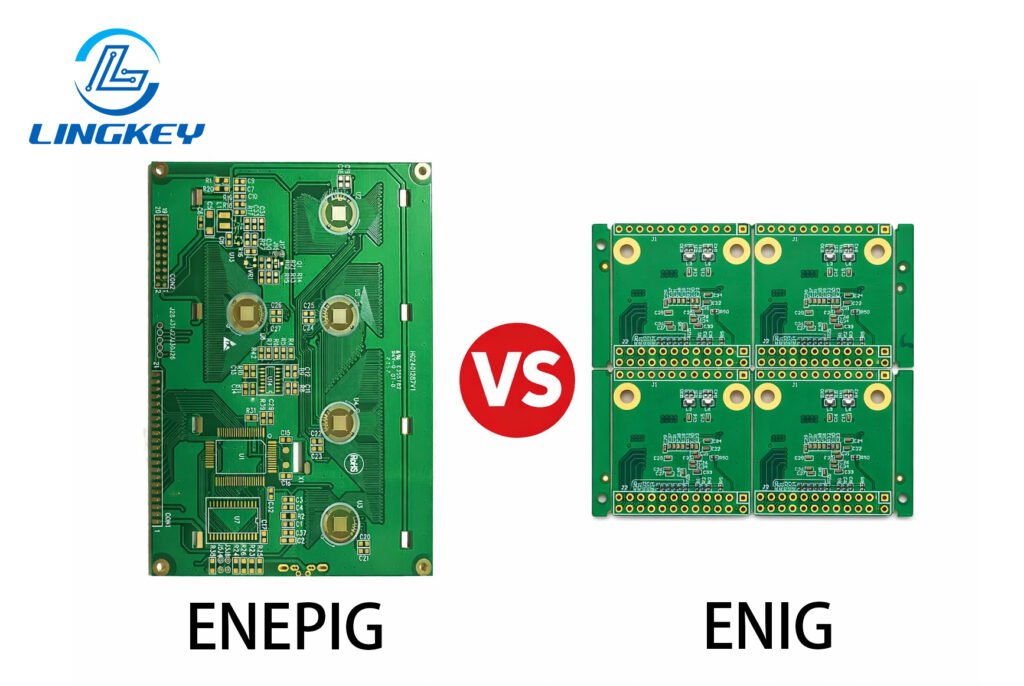
ENEPIG for Dummies: A Guide to PCB Surface Finishes
A Beginner’s Perspective on the World of PCB Surface Finishes
When you get into PCB fabrication, you’ll encounter a variety of PCB surface finishes–each with its own set of pros and cons. Although HASL is fine for the majority of low cost, low complexity boards, assemblies that need superior solderability and wire bonding also need a finish like ENEPIG. The ENEPIG process deposits a barrier (nickel layer), a palladium interface for bonding, and a gold layer for oxidation protection—each are meticulously tailored to a certain layer thickness.
Why the Surface Finish is a Critical Design Decision
Surface finish is a key factor in assembly yield and long-term performance. The selection of a PCB surface finish must take the assembly process requirements into account, as well as the type of surface finish required for lead-free or gold wire assembly, and the required level of protection against oxidation.
ENEPIG Without Compromise
ENEPIG is designed for the engineers that do not give up on the final product – their finished PCBs must have good electrical conductivity, be suitable for complex assembly and provide maximum product reliability.
How to Specify ENEPIG When Ordering a PCB
Steps for Ensuring the Right Surface Finish
- State ENEPIG explicitlyin your design package, referencing IPC-4556 if desired.
- List required layer thicknessfor nickel, palladium, and gold.
- Discuss bonding requirements(gold wire bonding vs. aluminum wire bonding) with your fabricator.
- Request process and quality certificationto ensure reliable ENEPIG process execution.
- Clarify if advanced assembly(like RF connectors or wire-bonded chips) will be used—ENEPIG supports these well.
Common Myths About ENEPIG Debunked
Myth: ENEPIG is only for luxury applications.
Fact: Although ENEPIG provides high performance and reliability, process modifications make it accessible and economically feasible to be used in mid-end electronics.
Myth: ENEPIG can’t compete with finishes like ENIG.
Fact: ENEPIG is superior to ENIG when wire bonding, a precise layer thickness, and long term corrosion protection are required.
Myth: You can’t get ENEPIG at low volume.
Fact: Many pcb fab houses now offer ENEPIG for prototype runs to make high end projects possible without large up front investment.
FAQ: ENEPIG and PCB Surface Treatment
What is the main difference between ENEPIG and ENIG?
Why is the gold layer in ENEPIG important?
How does ENEPIG support RF and microwave circuits?
Can ENEPIG be used in automotive and medical applications?
Conclusion – ENEPIG Delivers Performance and Reliability
ENEPIG provides premium features in the world of PCB surface finishes. The result is the perfect surface finish for high-reliability applications with an unmatched combination of solderability, wire bondability, uniform surface treatment and protection. ENEPIG caters to high performance applications, excels at multi layered advanced PCB assembly and enhances the life cycle of the PCB – what more could a designer want?” When selecting a PCB surface finish for your next critical application, rely on the ENEPIG process for end results that last.
ENEPIG when done by experienced PCB manufacturer like LingKey turns to be an excellent enabler to long life and high performance electronics product.