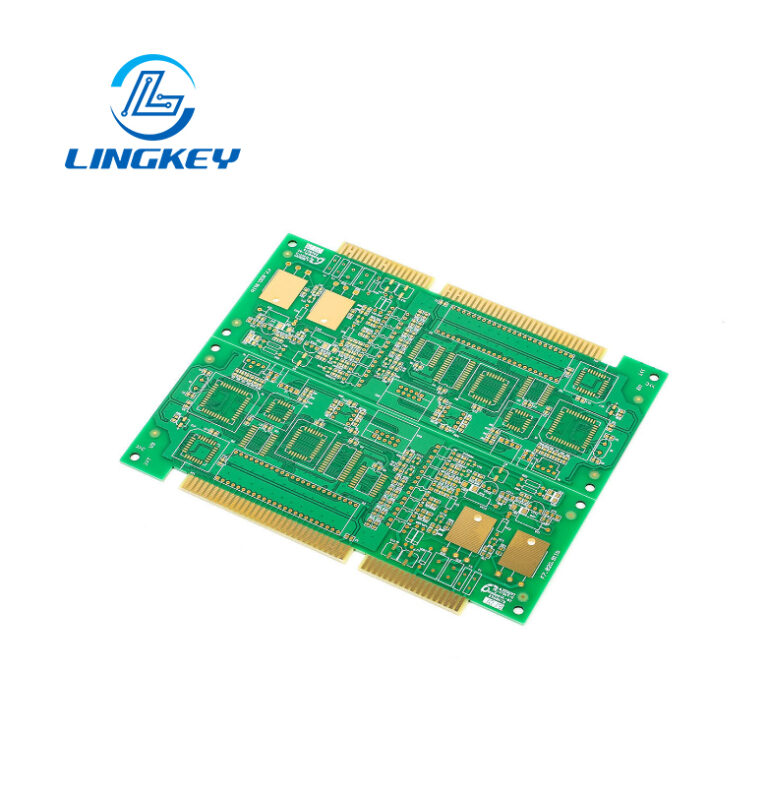
ENIG vs HASL: Different Surface Finish Techniques for PCBs
The selection of PCB surface finish is very important the quality, reliability and life of the printed circuit board must be guaranteed. The two most common surface finish options available now, can be categorized into HASL (Hot Air Solder Leveling) and ENIG (Electroless Nickel Immersion Gold), are popular surface finish alternatives that can affect everything from how easily a PCB can be made to how well it works in various applications. In this all-encompassing guide, we’ll define each finish, provide practical comparisons, and share valuable insights to help you select the optimal PCB surface finish for your next project.
Table of Contents
ToggleIntroduction
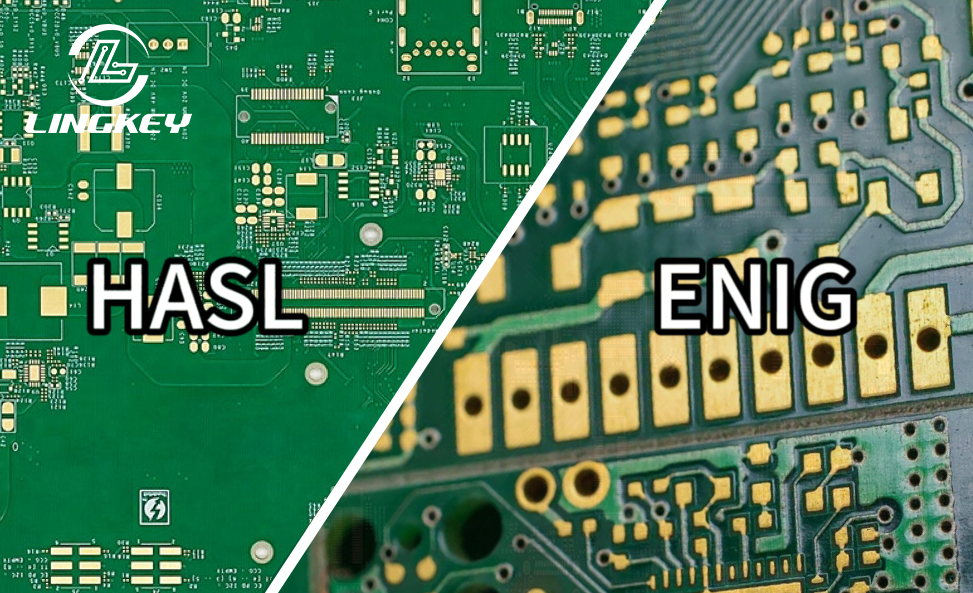
The surface finish requirement for your project isn’t just a cost or regulation issue—this finish helps define the quality of the PCB and the performance over time. The impact of choosing PCB surface finish on solderability, uniformity of surface thickness, oxidation and corrosion resistance, and advanced assembly, including surface mount technology are briefly discussed. Two finishes dominate the discussion: HASL and ENIG . Each coating has its pros and cons so it is important that you select the coating that fits best with your specific application and budget.
Surface Finishes Play a Key Role in PCB Manufacturing
Surface finishing is the necessary part of the process to avoid copper tracks on the PCB from oxidizing, allowing better solderability and the assembly of portions of the PCB. The PCB fabrication process is influenced by the choice of the finish, which must facilitate the formation of reliable solder joints, the backing of the pcb during storage and use and should ideally comply with recognized industry standards, such as RoHS (Restriction of Hazardous Substances). From consumer products to high-performance applications in aerospace, the surface finish plays a critical role for success of the product.
HASL (Hot Air Solder Leveling) Explained
HASL finish is one of the oldest and most widely used surface finish methods. HASL offers an economical surface solution for many designs.
How HASL Surface Finish Works
- Pre-cleaningremoves contaminants from the surface on the PCB.
- Flux coatingis applied to improve solderability.
- The PCB is immersed in molten solder(either lead-based HASL or lead-free HASL).
- Hot air knivesremove excess solder, leaving a thin layer on copper pads.
- Post-cleaningand inspection ensuring an even, shiny coating.
Types of HASL: Lead-based and Lead-free HASL
- Leaded HASL: Contains lead; not RoHS compliant.
- Lead-free HASL: Meets environmental compliance standards.
Advantages and Disadvantages of HASL
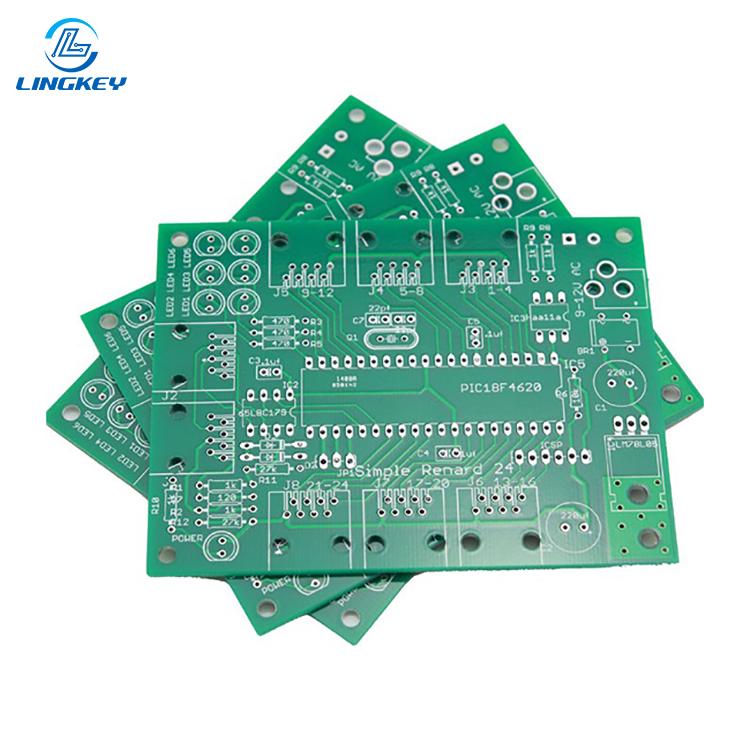
Advantages:
- Cost-effective surface finish—great for large-volume, budget-conscious projects.
- Good solderability; especially for through-hole and larger components.
- Easily inspecteddue to the shiny surface.
- HASL is compatible with a range of assemblies and finish works well for standard surface mount devices.
Disadvantages:
- Uneven surfacewith flatness defects—problematic for fine-pitch or HDI (High-Density Interconnect) PCBs.
- Thermal stress and warpingrisks during the process, affecting thin boards.
- Oxidation can occurover time, making the PCB less reliable with prolonged storage.
- Limited corrosion resistance compared to other surface finishes.
ENIG (Electroless Nickel Immersion Gold) Explained
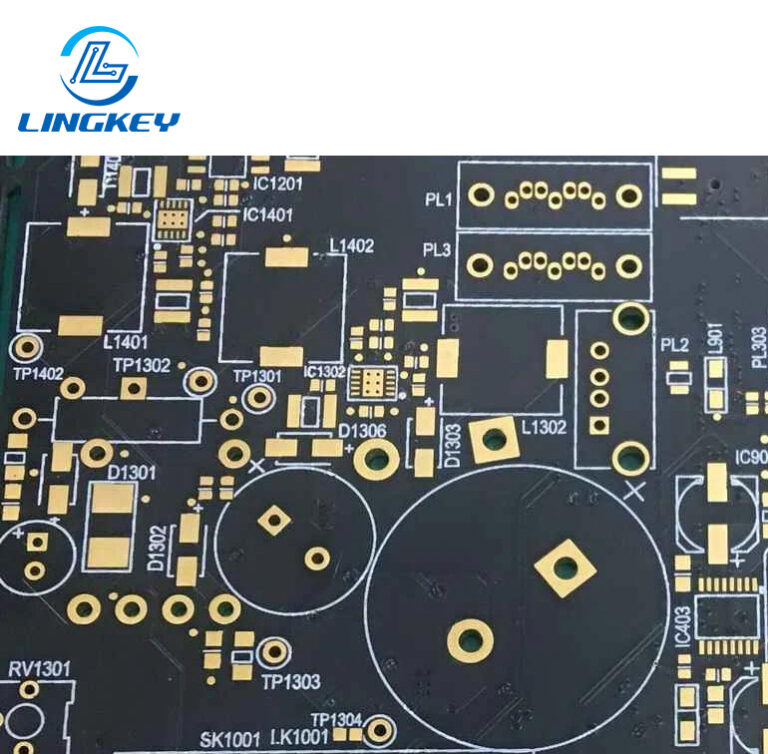
ENIG finish is a dual-metal finish offering a perfectly flat surface and high corrosion resistance—hence its adoption in high-reliability and advanced PCB design and manufacturing.
How ENIG Surface Finish Works
- Pre-cleaningand mild etching prepare the copper tracks.
- Electroless nickel plating:Nickel layer is deposited directly on copper.
- Immersion gold:Thin gold layer (via a chemical process) coats the nickel, creating a smooth and even surface.
- Final inspectionensures all pads have a complete, consistent finish.
What ENIG Offers
ENIG uses a nickel layer as a diffusion barrier (to prevent copper leaching), covered by a gold layer that provides a smooth finish and protects against oxidation. This finish ensures a highly reliable, solderable, and smooth surface for fine-pitch and surface mount assembly.
Advantages and Disadvantages of ENIG
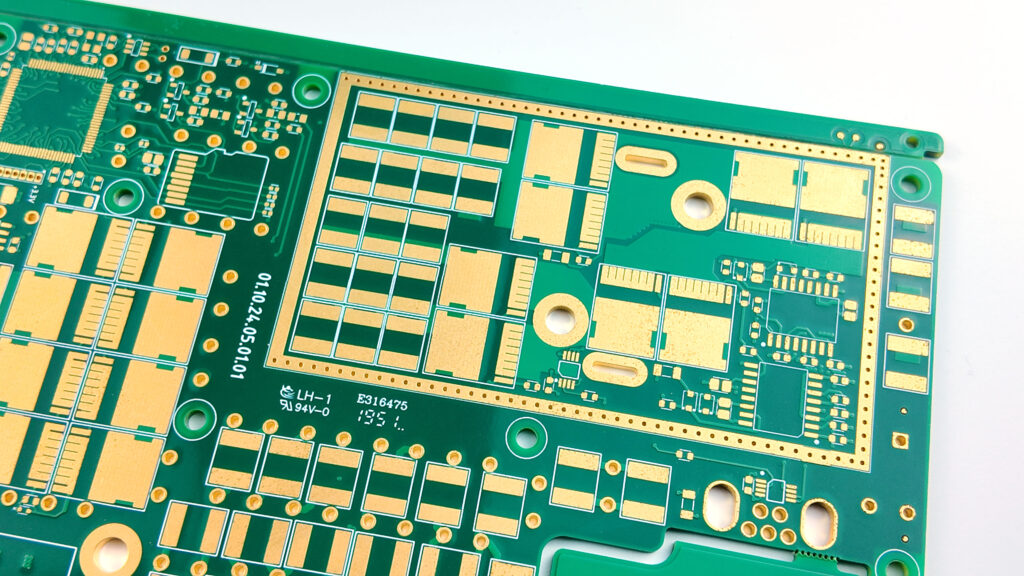
Advantages:
- ENIG offers a smooth and even surface—ideal for surface mount technologycomponents, such as BGAs or QFNs.
- Corrosion resistanceand oxidation protection; ENIG provides excellent shelf life.
- Lead-freeand meets RoHS requirements.
- Durabilityand a finish allows multiple assembly cycles.
- ENIG is alsosuitable for gold wire bonding and high-frequency/RF applications.
- ENIG offers superiorflatness and solderability compared to HASL.
- The benefits of ENIG make it highly suitable for automotive, medical devices, aerospace, and high-speed telecom.
Disadvantages:
- ENIG is more expensive compared to HASL and other finishes.
- Process complexity can lead to “black pad syndrome” (black pad defect), which can make ENIG less reliable if not properly controlled.
- Not suitable for high-wear contact applications (use hard gold).
Comparison: ENIG vs HASL Surface Finishes
Feature | HASL (Hot Air Solder Leveling) | ENIG (Electroless Nickel Immersion Gold) |
Surface Flatness | Uneven surface | Smooth, flat surface |
Solderability | Excellent at first, degrades over time | Excellent, lasts longer |
Cost | Cost-effective | More expensive compared to HASL |
RoHS Compliance | Lead-free variant is compliant | Always compliant |
Shelf Life | 6–12 months | 12–24+ months |
Fine-Pitch Compatibility | Not suitable for HDI/BGA | Ideal for HDI/BGA |
Corrosion Resistance | Moderate | Excellent |
Risk Factors | Heat stress, oxidation, unevenness | Black pad syndrome, process complexity |
Key Points:
- HASL works wellfor basic surface mount and through-hole PCB designs.
- ENIG surface finishis essential for advanced, high-performance applications.
Which Surface Finish is Suitable for Different Applications?
Selecting the type of surface finish depends on your specific use case:
HASL May Be Best For:
- Consumer electronics and educational devices
- Prototypes and cost-driven products
- Simple, larger-pitch PCBs
ENIG is Recommended For:
- Telecommunications, aerospace, and medical devices
- PCBs with fine-pitch BGAs, HDI, or sensitive signal paths
- Environments requiring high corrosion resistance and reliability
HASL vs ENIG: Processes, Differences, and Practical Impacts
In this hasl vs enig discussion, we’ll break down the critical steps in each process and discuss what that means for your PCB assembly and performance. Both are common finishes in the electronics manufacturing industry; however, each are quite different in what they offer when it comes to the application.
HASL Process
The hasl process consists of several steps, culminating in an economical surface finish. Initially, the PCB is cleaned and immersed in a bath of molten solder -an essential element of the HASL surface finish process. Then, it is leveled by hot air knives, which blows off the excess solder and yields a surface finish that is both shiny and strong. The HASL finish provides a resilient and trustworthy surface to solder onto for standard assembly and mature technologies.
The leaded and lead-free versions of HASL are available, with the lead-free version being necessary for RoHS compliance. This is where the difference also between HASL and ENIG rears its head: HASL is a cheap end accessible finish, but can be suffered by inconsistent surface planarity, making it difficult with fine-pitch components or high-density boards. Generally, HASL is acceptable for prototypes and consumer level electronics where the flatness of the surface isn’t as important.
ENIG Process
The ENIG process is more advanced and accurate. In this finish the PCB is cleaned and then a layer of nickel is chemically deposited onto the exposed copper surfaces – this means that the ENIG finish uses nickel as a diffusion barrier, which provides longevity and great solderability. After this process, a thin layer of gold is added to protect the nickel and provide excellent resistance to oxidation.
The quality of ENIG is due to the fact that all particles are grinded to smooth, plate-like shape with excellent planarity and then dispersed in layer form. It enables the fabrication of a perfectly flat and highly reliable surface finish, essential for telecom, medical, and aerospace applications. When your assembly requires multiple soldering cycles ENIG may also be a preferred process, as the finish is stable and oxidation resistant with time.
HASL vs ENIG: Key Differences and Applications
The distinction between HASL and ENIG becomes more pronounced when assembly, cost, and performance requirements are taken into account. HASL is a more convenient and economical surface finish for less complex or high volume jobs, while ENIG is the most level and durable surface for high-end electronics.
The selection between HASL and ENIG depends on the complexity of your design and the importance of the end user application. For example, PCBs with ENIG are popular in high-density interconnect (HDI) and fine-pitch assemblies because of the smooth finish and reliability. At the same time, “HASL works well in applications that are cost sensitive and require rapid manufacturing, and its rugged surface is ideal for soldering and reworking, this combination of factors makes it a favorite in the production world.”
Key Factors When Choosing the Right PCB Surface Finish
When choosing the right PCB surface finish, consider:
- Application Area:Is your product mission-critical?
- Cost:Do you need an economical surface, or is high reliability worth a higher price?
- Assembly Demands:Are you using advanced surface mount technology or simple through-hole component.
- Component Density:Does your design include HDI or fine-pitch BGA packages that need a flat surface?
- Longevity of the PCB:Are your boards going to be stored for a long time prior to assembly or do they require a finish with long shelf life?
- Regulatory Standards:Do you need the RoHS (Restriction of Hazardous Substances) compliance, hence leaded HASL is not acceptable?
- Environmental Protection:Will your finish be subjected to high humidity or corrosive atmospheres? If this is the case, corrosion resistance is a must.
- PCB Manufacturing Process Compatibility: Is your PCB fabricator and assembler capable of handling the finish selected efficiently?
Tips for PCB Design and Manufacturing
- Always specify your finishclearly in your Gerber files and BOM. Whether you want HASL finish, ENIG surface finish, or another type, clarity prevents costly mistakes.
- If you’re unsure, ask your manufacturer for recommendations based on their surface finish options availableand your application.
- For prototype and short runs, HASL is cost-effectiveand offers a great introduction to your assembly process.
- For critical, high-performance, or high-density applications, use ENIGor ask how to make ENIG more cost-effective for your volume.
- When using HASL, confirm if you’re receiving lead-based HASLor lead-free HASL to avoid regulatory issues with RoHS compliance.
- For contact surfaces (like edge connectors), note that finishes like HASLaren’t ideal—ask about electrolytic hard gold.
Alternative Surface Finish Options Available
While HASL and ENIG dominate, there are cases where other finishes suit different applications:
- OSP (Organic Solderability Preservatives):A cost-effective and eco-friendly finish, but less durable—often used for single SMT assembly cycles.
- Immersion Silver:Great for RF and high-speed circuit applications.
- Immersion Tin:Suitable for certain automated soldering, though less common.
- Hard Gold:For keypads or high-wear points—expensive, but durable.
Surface Finish | Best For | Not Suitable For |
HASL | Cost-effective, standard PCBs | Fine-pitch, HDI, long shelf life |
ENIG | HDI, BGA, corrosion resistance | High-wear edge connectors |
OSP | Eco-friendly, short-life products | Multiple soldering cycles |
Immersion Silver | High-frequency, RF circuits | Sensitive to handling, tarnishing |
Hard Gold | Connectors, frequent mechanical contact | Solderable pads (too hard for soldering) |
HASL and ENIG are still the inert standards for most established PCB requirements when compared with other surface finishes, but consider all the finish options to best determine which is the best pcb surface for your project.
FAQ: HASL and ENIG Surface Finishes
Is HASL a good choice for surface mount?
Is ENIG more expensive than HASL?
How does the HASL surface finish compare to ENIG in terms of shelf life?
Can you use both HASL and ENIG finishes on the same board?
Does HASL offer RoHS compliance?
Is ENIG immune to defects?
Conclusion: How to Choose the Best PCB Surface Finish
Surface finishes are critical to affect the cost, performance and reliability of PCBs. What is the right PCB surface finish for your project? HASL can be considered the fastest and most cost-effective finish to apply for simple, consumer level boards, and ENIG provides a smooth finish and long term stability for critical, advanced and high density PCBs. Before finalizing the purchase, define your needs and get advice from trusted PCB manufacturers on which finish is the best for your design.