LED Comprehensive Guide
Table of Contents
ToggleIntroduction: Illuminating the World with LED PCBs
In this era of tough competition, modern LED lighting system has brought new lighting solution for every field from consumer electronics to industrial application today. Fundamental to these advances are PCBs designed specifically for LEDs, allowing lighting projects that are efficient, dependable, and versatile. LED PCBs have become the industry standard for thermal management and electronic efficiency, allowing for sophisticated LED assemblies in anything from small handheld devices to high power industrial luminaires.
With the development of PCB materials, thermal design and process of manufacture, LED PCB assemblies allow lighting engineers to create custom LED systems for high end applications. Thermal path planning and early material selection are in fact pivotal for the long-term reliability of an LED. At LingKey, a LED PCB project is normally evaluated thermally, electrically and manufacturability wise at the design stage to ensure stable performance at production stage.
What is an LED PCB?
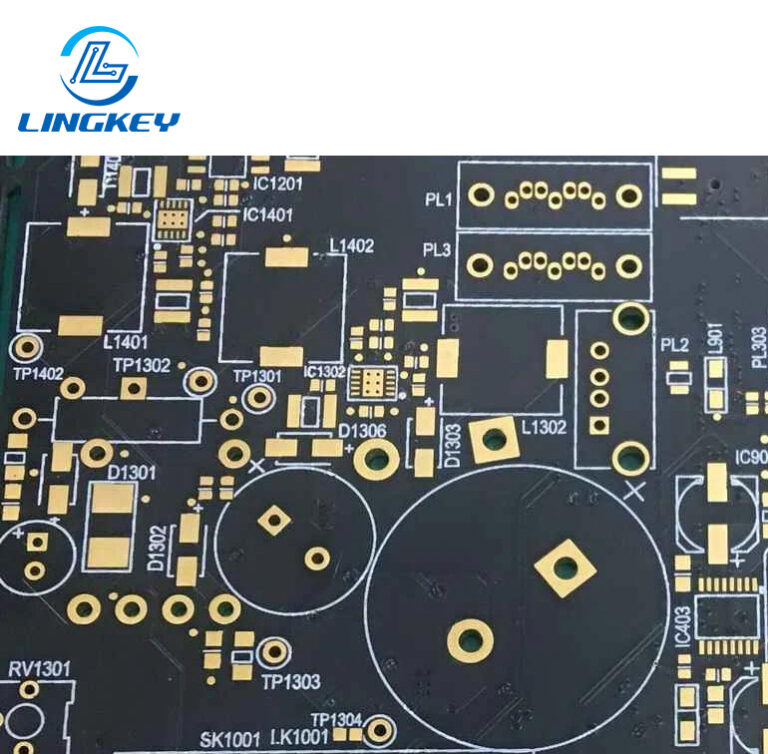
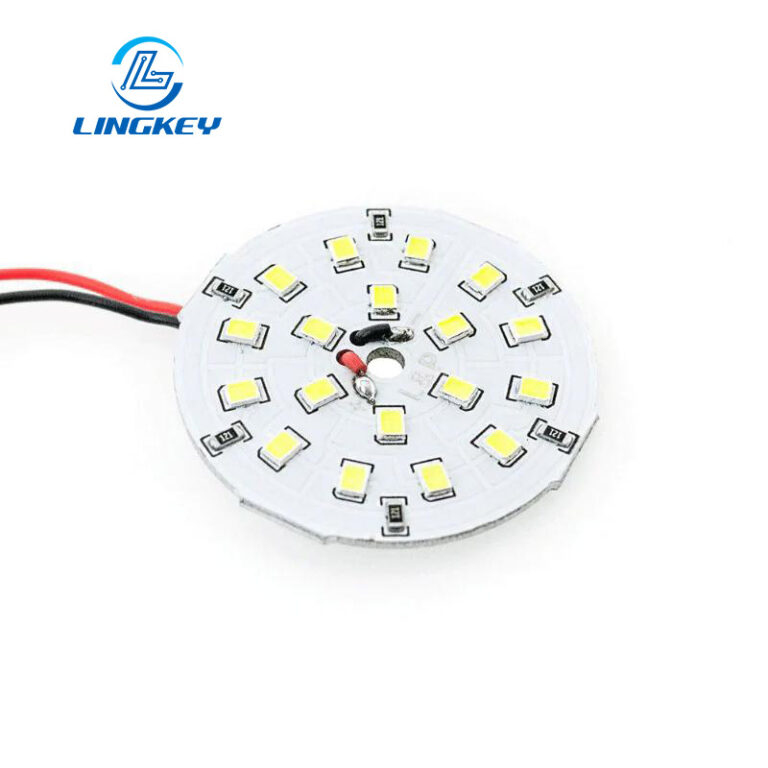
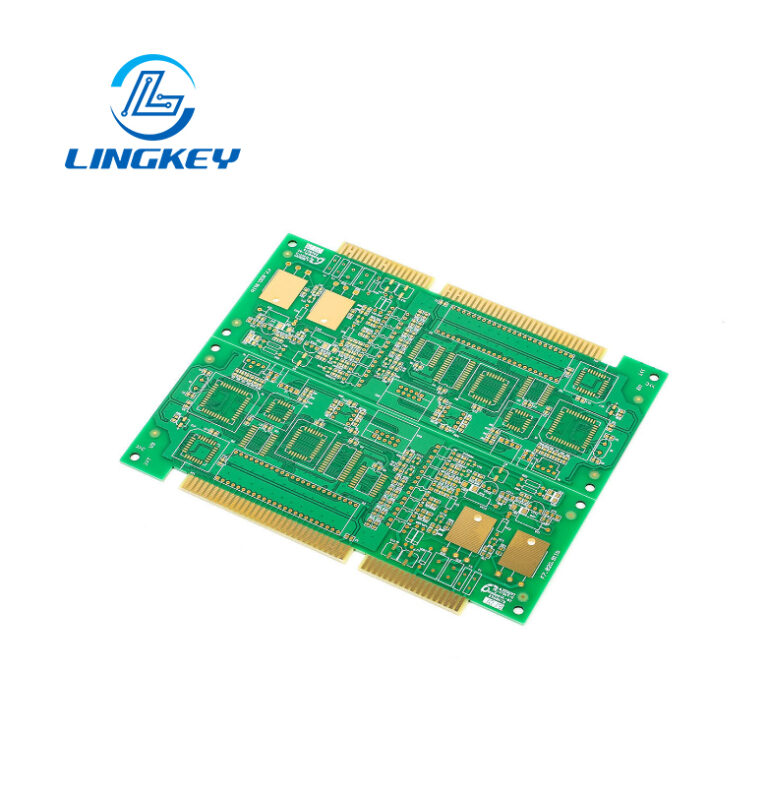
An LED PCB (LED Printed Circuit Board) also known as LED PCB board is a type of printed circuit board designed specifically for housing one or more light-emitting diodes (LEDs) along with any supporting circuitry. These PCBs form the basis of every high-power led lighting system, offering mechanical support, best heat dissipation and stable electrical connection.
PCB for LEDs is often used to:
- Mount and connect single LEDs and high-density LED arrays.
- Allow LED assembliesto safely handle high power and high temperatures.
- Enhance the performance of the LED PCBby optimizing current flow and thermal management.
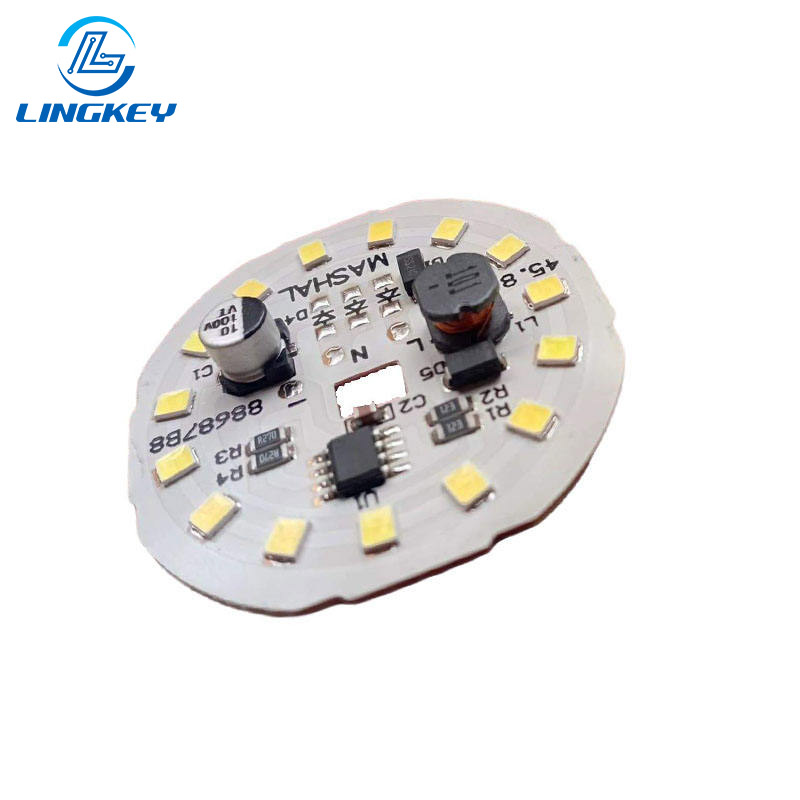
Typical LED PCBs include not only the LEDs themselves, but also vital support elements to facilitate voltage regulation, current-limiting resistors, and occasionally elaborate control circuitry. This is important integration to maximize the life of the LED, the energy efficiency of the LED, and consistency of lighting output.
Core Materials Used in LED PCBs
Choosing the appropriate material of pcb for led is crucial to satisfy the performance and life time of LED PCB board in various applications.
PCB Material | Advantages | LED Lighting Applications | Notes |
FR-4 | Low cost, easy to manufacture, good insulation | Low-power LED, basic LED lighting | Standard for many consumer devices |
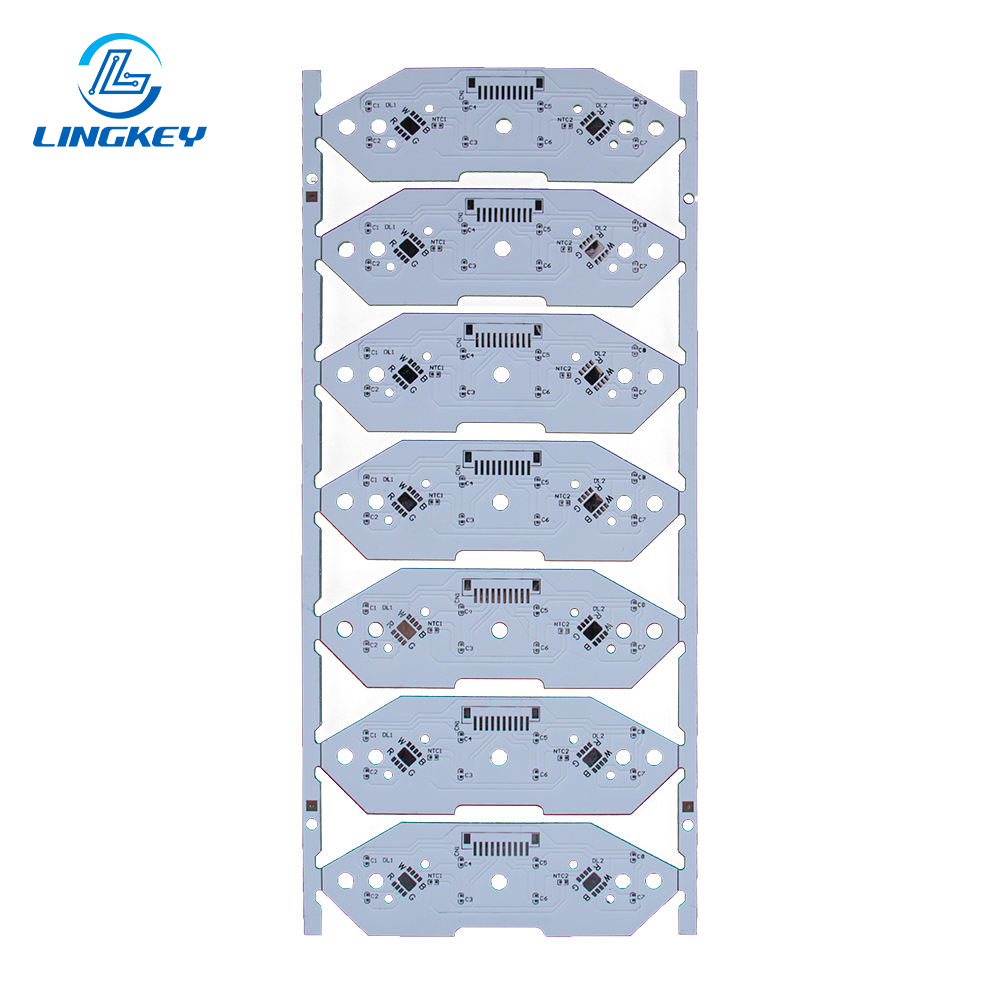
Aluminum PCB | Excellent thermal conductivity, lightweight | High-power LED lighting, automotive | The most popular metal core PCBs |
Copper-based PCBs | Superior heat dissipation, supports high current | Industrial, complex LED boards | Costlier, for high temperatures |
Ceramic LED PCBs | Outstanding thermal/electrical insulation | Medical, telecom, demanding applications | High performance, advanced systems |
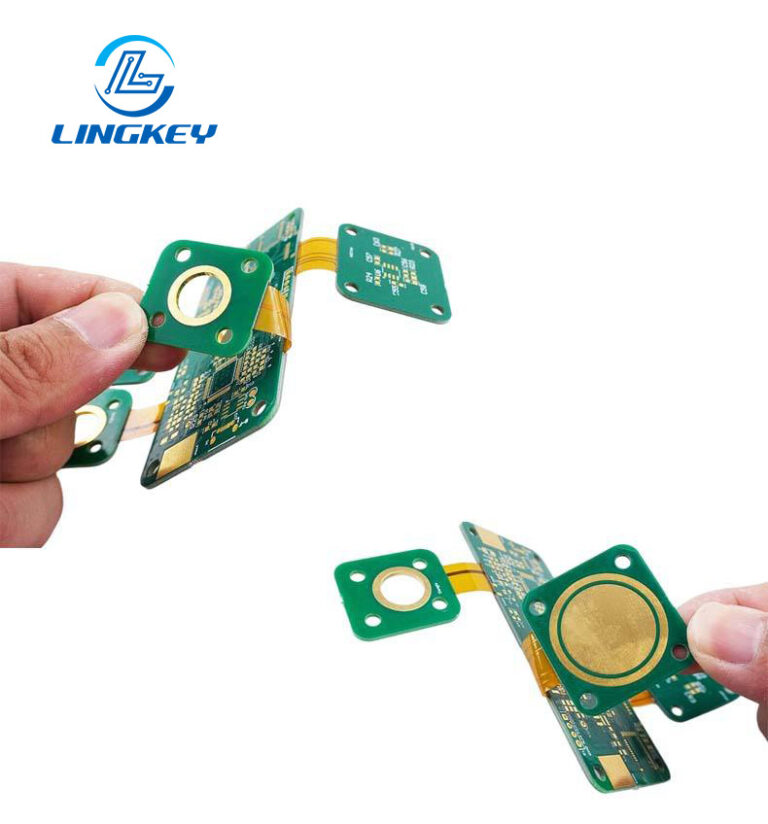
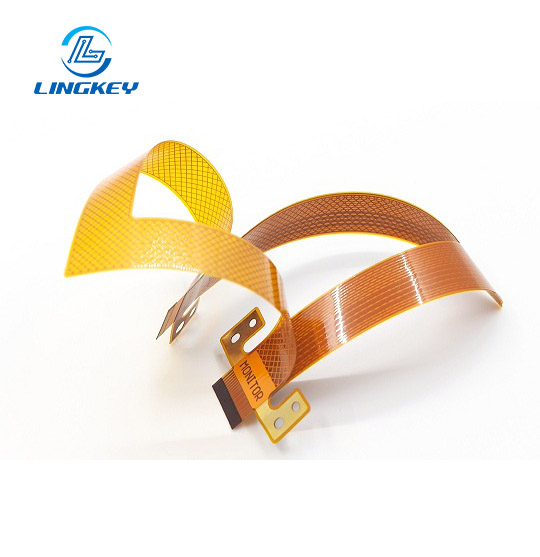
Flexible LED PCBs | Can bend, shape for curves and wearables | Architectural, IoT, innovative solutions | Increasingly used in modern LED lighting |
- Aluminum PCBs are preferred for high power LED lighting because of its bad heat dissipation which makes LED units stays efficiency at high output levels.
- Ceramic LED PCBs and copper based PCBs achieve maximum thermal performance, best suited for high temperature applications, or high-density LED modules.
Anatomy of an LED PCB: Key Components & Structure
Key Elements of an LED PCB Board
- Substrate Layer:The main pcb substrate (e.g. aluminum, ceramic, FR-4) on which all other layers are stacked.
- Conductive Copper Layer:These copper traces deliver current to each LED and critical circuit element.
- Dielectric Layer:Offers electrical insulation with good heat transfer — essential for high-power LED PCBs.
- Solder Mask:Protects the conductive tracks, avoids short circuits, and allows precise SMD positioning.
- Solder Pads & Surface Finish:Pads where LEDs and supporting components are soldered are often plated with gold (ENIG) or tin for reliability.
- Component Placement:LEDs, resistors, capacitors, voltage regulators, driver circuits and occasionally sensors for smart lighting projects.
A good design Ingenious LED PCB assembly will well balance these components and paths layout for the best LED reliability, output and cooling.
Classifications & Types of LED PCBs
The variety of LED PCB board applications means none can meet everyone’s requirements. LED PCBs can be categorized by material, structure, function, and assembly method.
By Material and Complexity
- FR-4 PCB:Ideal for low-power LED systems in consumer electronics.
- Aluminum PCB/Aluminum PCBs/Metal Core PCBs:A proven solution for high-power LED cooling in automotive and industrial applications.
- Copper-based PCBs:For high-temperature environments with high-brightness or high-density LED arrays.
- Ceramic LED PCBs:The gold standard for demanding applications in medical and aerospace.
- Flexible LED PCBs:Perfect for smart, bendable, and compact modern LED lighting systems.
By LED Function
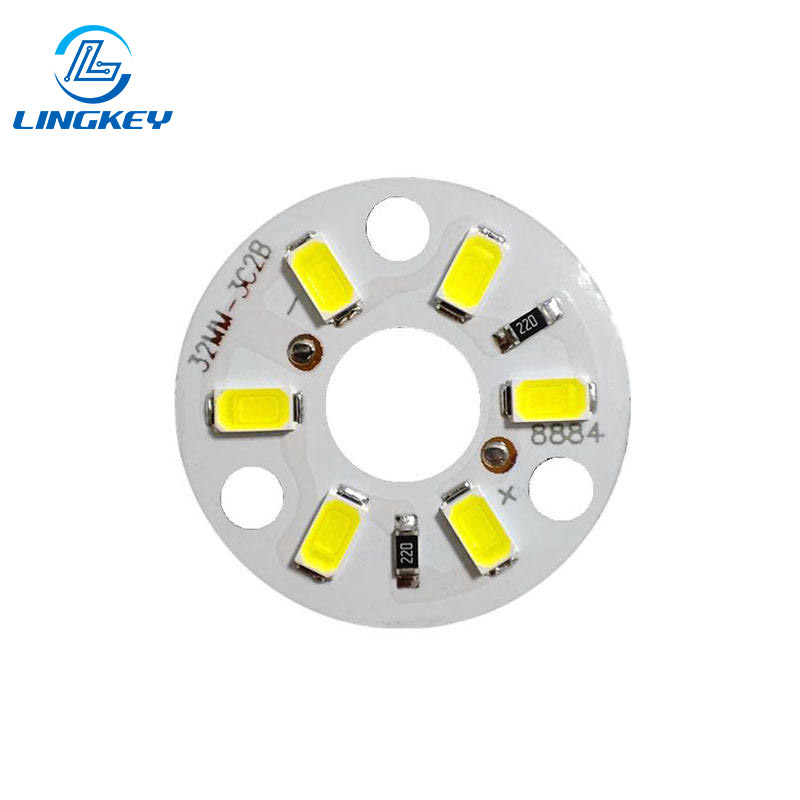
- Single LED and basic LED boards:For flashlights, indicator lights, and electronics.
- High-density arrays:Used in LED displays, architectural lighting, stage/studio applications.
- Backlight unit PCBs:Central to flat-screen TVs and high-end display technology.
By Assembly
- Surface Mount Device (SMD) Assembly:Essential for building modern, miniaturized, high-quality LED lighting fixtures at scale.
- Through-hole assembly:Still used in projects needing extra mechanical strength.
- Hybrid, rigid-flex:Enable innovative curved lighting solutions.
How LED PCBs Work: Electrical & Thermal Management
In order to ensure the efficient running of the LED, an LED PCB board should have the dual function of supplying power efficiently and dissipating heat.
- The flow of current in copper traces is now routed directly to each LED, so you get uniform brightness even in high-density LED arrays.
- The heat of the LEDs is conducted into the substrate and dissipated through a aluminum or copper core – important to keep the life of the LED and the lighting system reliable, particularly for hign-power led pcb designs.
- Thermal vias and direct-attach heat sinks enhance thermal performance in complex LED and high power LED PCB assemblies.
Contemporary LED PCB layouts frequently combine surface-mount LEDs with proprietary driver circuitry, EMI shielding, and thermal sensors—particularly in large scale LED lighting applications for buildings or automotive in high-power LED lighting for buildings or cars.
LED PCB Design Considerations & Best Practices
Design Process and PCB Solution
- Use PCB layout tool to manager trace width and spacing and also the thermal vias placement.
- Select a PCB material that meets your thermal and electrical needs-aluminum PCB for general high-power applications; ceramic or copper for maximum strength.
- When designing LED arrays, ensure an evenly spaced arrangement to reduce hotspots, and also consider the best optical effect for your lighting application.
Best Practices
- Use wider copper traces if you need to carry high current, particularly in high density or complex arrays of LEDs.
- For high-power LED lighting, use suitable heat sinks and thermal management always.
- lShield sensitive circuits from EMI and improve isolation on mixed-signal boards for performance and safety.
In fact, I have found that in real world LED applications, more reliability problems come from poor thermal modeling or material mismatch at the pcb layout level than at assembly.
The LED PCB design service provider LingKey enables LED PCB development with the thermal-aware layout review, material selection guidance, and DFM checks—supporting designers to improve heat dissipation, current distribution, and assembly yield at the design stage prior to fabrication.
PCB Assembly
- For SMD, align components for machine assembly and use test points for simpler post-production checks.
- For through-hole, optimize lead lengths and anchorage for strength.
Manufacturing & Assembly of LED PCBs
The process of designing and building an LED PCB board is precision-based and requires careful planning, more so in case of high-powered LED lighting modules. Today’s PCB fabricators are beginning to provide end-to-end LED PCB solutions, including design, prototyping and mass production assembly – all with high levels of automation and quality.
Steps in LED PCB Manufacturing
- Design Preparation:The process starts with the intricate designs being created in professional PCB design software, defining layer stackups, copper weights, and the location of LEDs in single arrays or multi-LED configurations.
- PCB Material Selection:Selection of an appropriate LED material is essential for thermal performance. High-power LEDs are preferably mounted on aluminum PCBs or metal core PCBs, whereas low-power and ornamental LED lighting solutions may be implemented on economical FR-4 boards.
- Imaging and Etching:The copper foil is patterned with UV-curable films and then etched to form the copper traces that electrically connect and power the LEDs.
- Drilling and Plating:These are precision machined holes for through-hole components or thermal vias which may be plated to provide better conductivity.
- Solder Mask Application:The application of the solder mask and surface finish protects the copper traces and also provides strong solder joints for the LEDs and components.
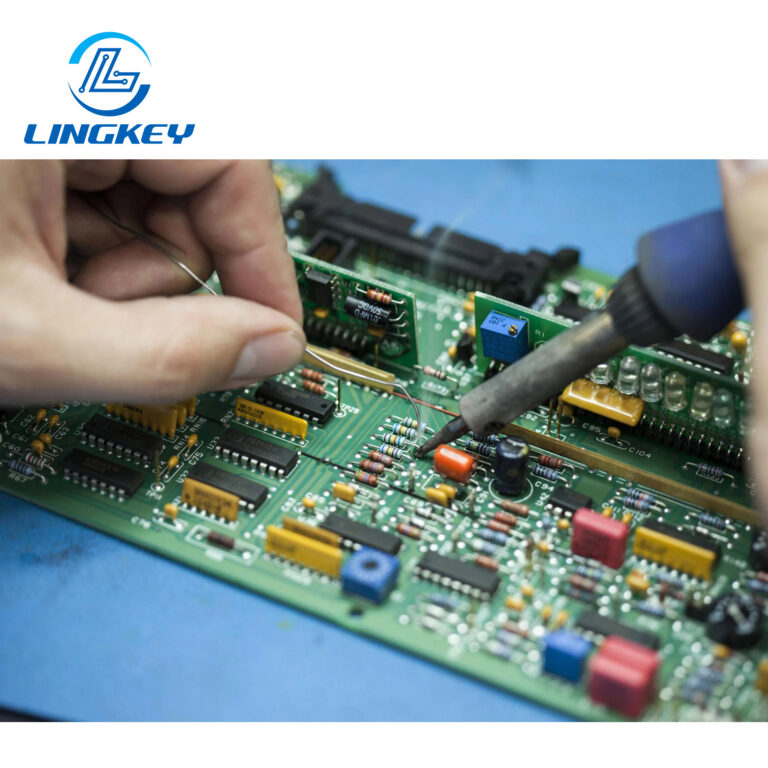
- LED PCB Assembly:LEDs and other components are assembled, usually with Surface Mount Assembly (SMT) for small, automated production, or with Through-hole assembly for large, rugged installations.
- Reflow Soldering:In SMD assembly, boards go through an oven where the solder paste is melted to create strong electrical and physical connections.
- Quality Inspection:Automated optical inspection (AOI), x-ray examinations (for concealed joints) and electrical testing ensure the reliability of the LED system—essential in challenging applications such as automotive lighting or giant building LEDs.
LED PCB Assembly Methods
Method | Advantages | Applications |
SMT/SMD Assembly | High-density, compact, automated assembly | Modern LED lighting, displays |
Through-hole | Superior physical strength, easy prototyping | Retrofits, outdoor, automotive |
Advantages and Disadvantages of LED PCBs
Advantages
- Optimized for high-power LED lighting:Good thermal dissipation, energy efficiency, and high-temperature resistance.
- Enhanced lifespan of the LED (LED lifespan):Efficient heat dissipation prolongs life and reduces maintenance and cost of ownership.
- Scalability, from a single LED to high-density LED arrays:The advanced designs allow compact layouts of IoT devices to the industrial luminaires.
- Flexible and custom solutions:LED pcb board The pcb boards which are designed for led can be customized for special lighting applications such as flexible, curved or ruggedized applications.
- Improved reliability:These solutions involve prudent selection of the PCB material, design and assembly, and are necessary to improve the reliability of LED circuits, important in the mission-critical lighting solutions.
Disadvantages
- More complexity in the design process:High performance and complex LED modules need talented designs and high level PCB solutions.
- Repair challenges:SMD and metal core PCBs are hard to rework, particularly in small or high density light arrays.
- Upfront cost for demanding applications:Advanced materials and custom construction may have higher upfront costs, reconciled by energy savings and long LED life.
LED PCB Applications Across Industries
LED PCBs are now standard in many industries that demand effective led lighting solutions such as:
Application Area | Typical PCB Board Used | Example Lighting Solutions |
Modern LED Lighting Systems | Aluminum PCB, FR-4 | Smart bulbs, LED tubes, industrial luminaires |
Automotive Lighting Systems | Aluminum, Copper, Ceramic | Headlamps, brake lights, adaptive driving beams |
Architectural Lighting | Flexible, Rigid-flex | LED panels, cove lighting, creative installations |
Consumer Electronics | FR-4, Aluminum PCB | Smartphones, tablets, backlights, flashlights |
Medical Devices | Ceramic, Copper-based PCBs | Surgical lamps, phototherapy units, diagnostic tools |
Display Technology | Aluminum PCB, Copper-based | LED signage, high-brightness billboards, video walls |
Smart Lighting & IoT Devices | Flexible LED PCB, hybrid | Home automation, adaptive street lighting, sensors |
Industrial and Retrofit | Metal Core PCB, Aluminum | Machine vision, factory lighting, high-power fixtures |
Future Trends in LED PCB Technology
The next LED innovations depend on the PCB. Here’s what’s ahead:
- Flexible and bendable LED PCBs:Bring a new level of architectural, automotive and wearable lighting projects to life.
- Smart, connected lighting:Sensors and wireless controls being integrated directly on the LED PCB (LED PCB), enabling LED systems to be more adaptive, communicative and energy saving.
- Eco-friendly and advanced materials:PCB fabricators now provide recyclable and low toxicity substrate materials options—promoting green efforts worldwide.
- Miniaturization and high-density arrays:Smaller, higher density micro-LED solutions for displays, high density LED arrays, and bio sensors will also push the requirements on LED PCB further.
Frequently Asked Questions About LED PCBs
How to use PCB design software for new LED projects?
Which PCB material should I choose for demanding applications?
How important is the reliability of LED and performance of the LED PCB?
Can I assemble 20 PCBs or more for prototyping?
What’s trending in lighting solutions and advanced LED PCB manufacturing?
Conclusion: The Future of LED PCBs in Modern Technology
PCBs are now the basis of modern LED technology – enabling dependable, energy efficient and flexible lighting solutions, ranging from low-power LEDs to high-power LED lighting solutions in mission critical industries. This A to Z guide to LED PCB boards demonstrates how meticulous material selection, state-of-the-art PCB design, and expert assembly combine to make all the difference in the reliability, performance and innovation of the next generation of LED lighting.
PCBs are the basis of current LED technology, which allows for dependable and energy-efficient lighting solutions that can be scaled from low-power indicators to high-power industrial and automotive systems. This all-inclusive guide points out the importance of proper materials handling, thermal management, and controlled manufacturing on LED performance and service life.
For projects that require design- to assembly -consistency, partnering with an engineering-centric led pcb provider can dramatically reduce development risk. LingKey backs LED PCB solutions with industry-specific design review, production proven fabrication, and dependable assembly, empowering teams to go confidently from concept to production.