Military PCB Assembly & Manufacturing: Quality Assemblies
Table of Contents
ToggleIntroduction: The Role of Military-Grade PCBs in Defense Technology
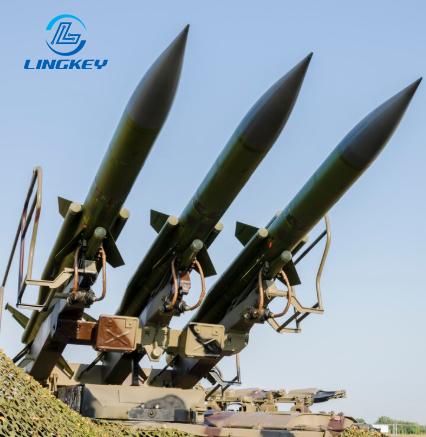
Technology has transformed security and national defense. Today, military electronics are the foundation of sophisticated systems — from missile control to battlefield communications. At the core of these inventions is the military-grade PCB, a crucial link between the electronics manufacturing industry and the rugged military and defence environment. The production process requires the following of mil standards rigorously and only the most dependable assembly of boards guarantees a safe running in field of war. High performance pcb products are no longer premium products but are essential in today’s defence industry and increasingly critical applications.
What Is a Military-Grade PCB?
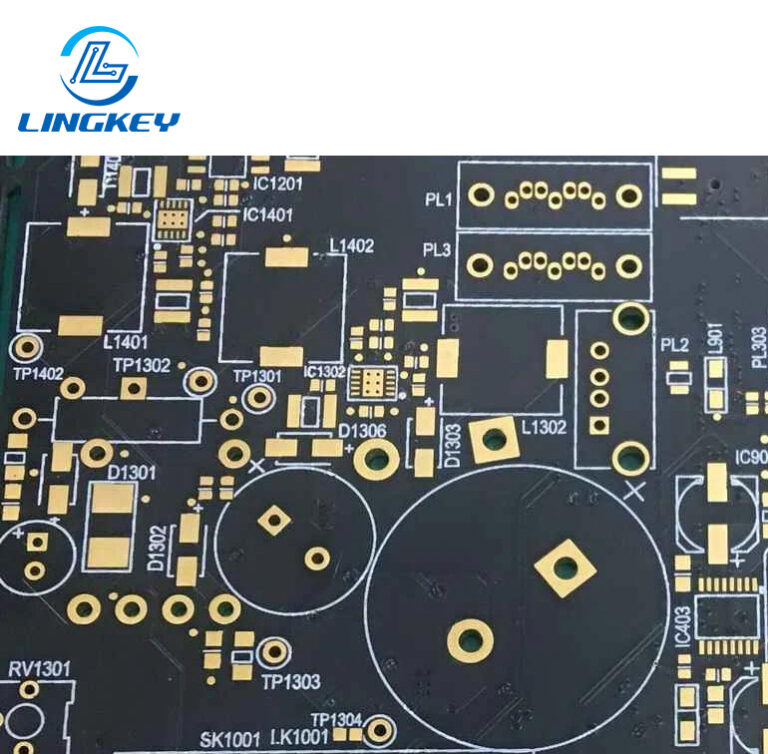
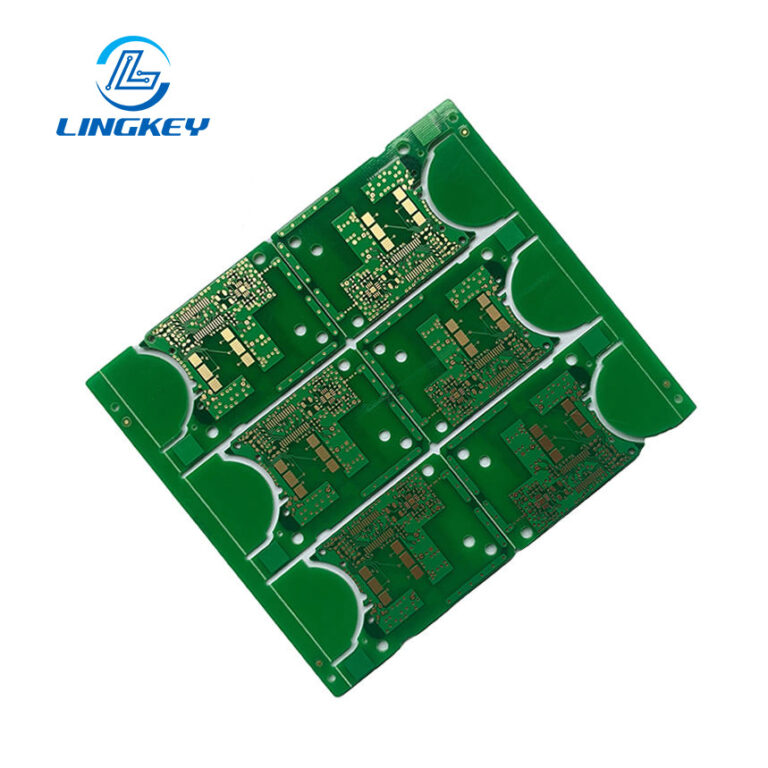
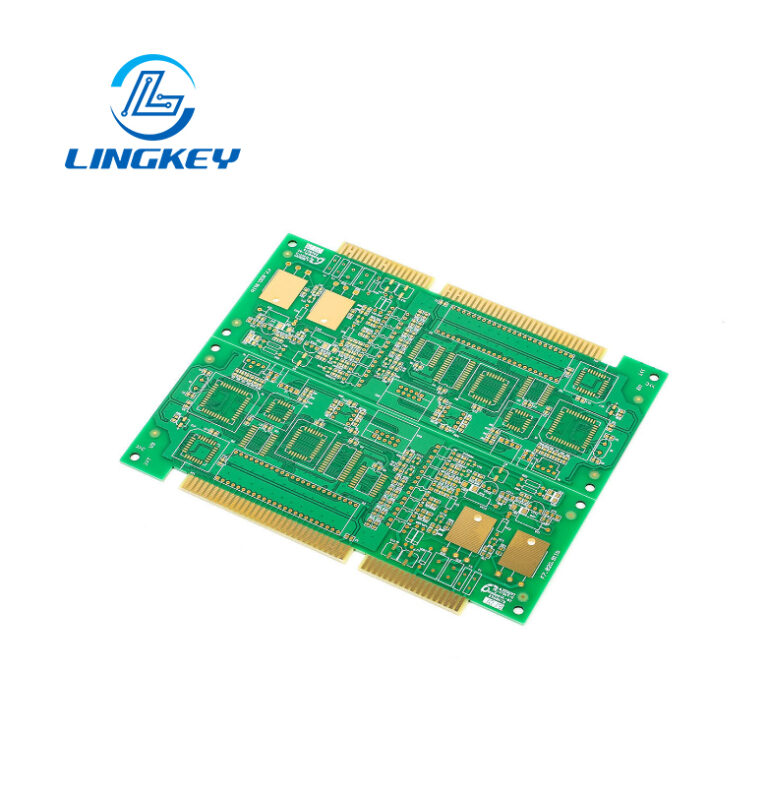
A military-grade PCB is a printed circuit board designed and manufactured to hold up to harsh military environment. The distinctions between military boards and consumer electronics begin with the raw materials and continue through every phase of design and production. The PCBs for defense electronics are required to be extremely rugged, reliably functional under extreme temperatures and they shall meet military performance.
Military-Grade PCB vs. Conventional PCB
Feature | Military-Grade PCB | Conventional PCB |
Industry Standards | MIL-PRF-31032, IPC-A-610 (Class 3), MIL spec PCB | IPC-A-610 (Class 2), basic ISO |
Material Selection | Polyimide, PTFE, high Tg, ceramic laminates | Standard FR4 |
Thermal Stability | Wide temperature, high temp shock | Standard tolerance |
Environmental Resistance | Dust, humidity, shock, chemical | Basic protection |
Surface Finishes | ENIG, thick gold, conformal coating | Lead-free HASL |
Multilayer Structures | 12–40+ layers, heavy copper | 2–8 layers |
Testing Protocols | ESS, 100% functional, X-ray, in-circuit | Sample QC |
Applications | Military, aerospace, critical applications | General consumer/industrial |
Where Military PCBs Are Used
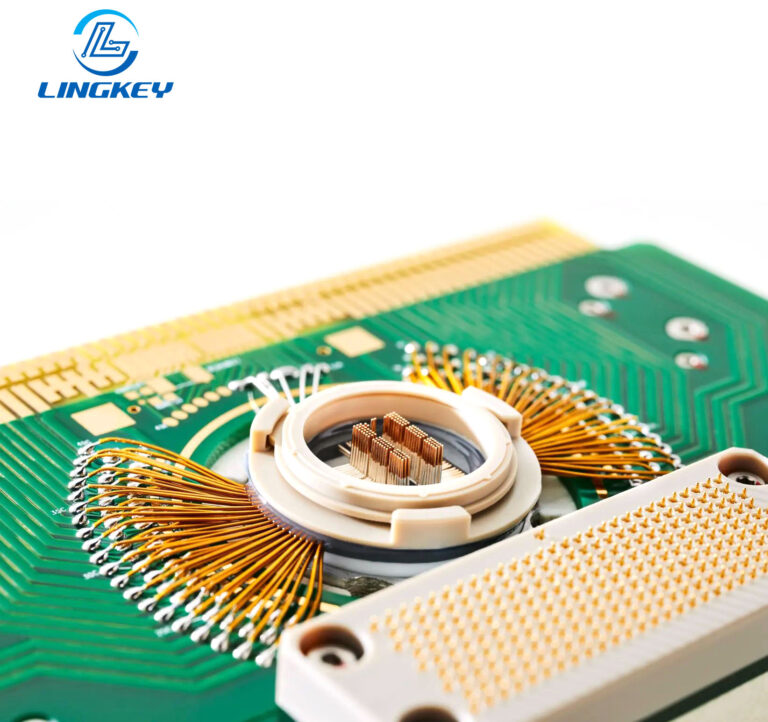
High performance electronics are at the heart of missile guidance, flight control, communications, radar, cyber defense, unmanned vehicles and electronic warfare systems. In all cases a military PCB needs to be able to survive in tough real world conditions and meet the highest defence industry standards. Today military boards are also leading aerospace innovation by powering secondary payloads, data handling and power conversion on satellites and UAVs.
Military-Grade PCB Industry Standards & Certifications
Military PCB design and manufacturing requirements are clear: assembly must demonstrate adherence to internationally recognized standards while protecting the reliability of military systems and defense electronics.
Key Certifications and Standards
- MIL-PRF-31032: The benchmark for manufacturing and performance of high-reliability military and aerospace boards.
- IPC-A-610 (Class 3): The gold standard for soldering and assembly quality, ensuring each assembly meets mission-critical reliability.
- IPC-6012 Class 3: Rigorous requirements for rigid PCBs in harsh environments.
- AS9100: Quality management for aerospace and defense electronics manufacturing.
- ITAR: U.S. export controls for military electronics, ensuring a secure supply chain.
- 10 Years of Experience: Longevity and proven reliability are hallmarks of leading manufacturers.
These certifications are not just for show—they dictate everything related to military pcb fabrication and assembly, from the trusted materials used, to traceability, and the documentation required for auditing and lifecycle maintenance in the defense industry.
The processes for manufacturers such as LingKey are centered around these certifications to provide consistency, traceability, and long term reliability in defense electronics programs.
Key Features and Benefits of Military-Grade Circuit Boards
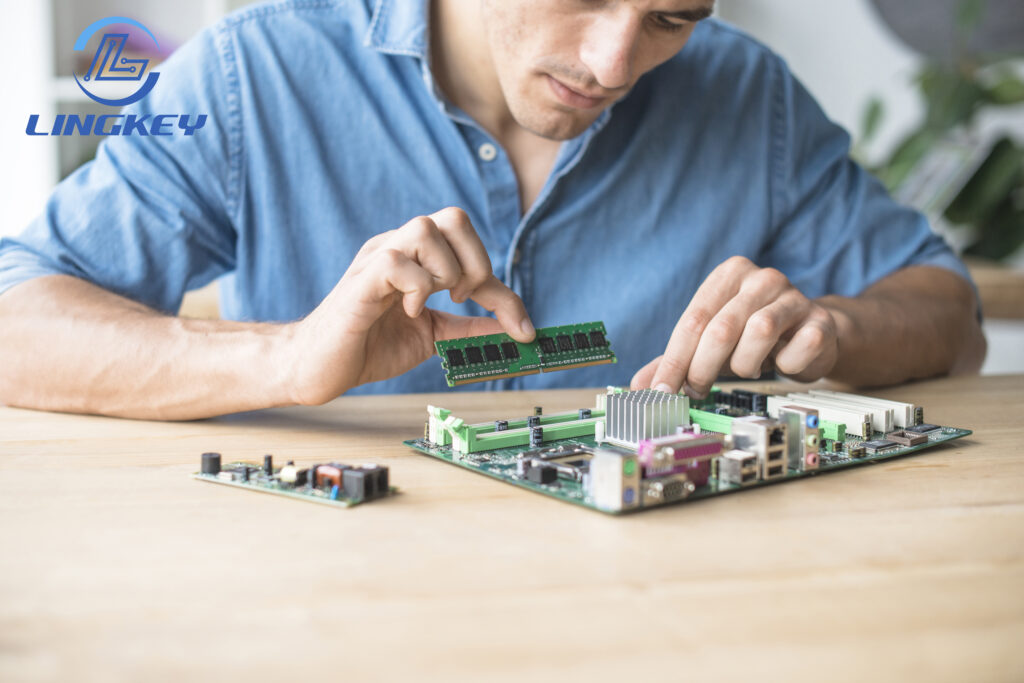
Military-grade PCBs represent a class of extraordinary engineering and are designed to perform for extended periods under harsh conditions:
- Choosing the Right Materials: High-Tg polyimide, PTFE for RF and ceramic yield performance stability and electrical efficiency over broad temperature and space applications.
- Thermal Stability: Multilayer construction and heavy copper provide for high current handling and fast thermal cycling.
- Board Must Offer Environmental Resistance: Conformal coating protects each circuit from dust, chemicals and moisture – a must-have for military assemblies subject to unknowns in the field.
- Surface Mount & SMT: Advanced surface mount and SMT assembly enhance reliability, allowing the board to withstand severe vibration and shock.
- Comprehensive Testing: 100% functional, in-circuit, x-ray, and stress screening weed out weak links prior to going live.
- Traceability and Security:Security features and serialization make your mil spec electronics safe and trackable—vital in defense electronics.
Military vs. Commercial PCB Comparison
Military-Grade PCB | Commercial PCB |
Wide Temperature Range | Standard Range |
Heavy Copper & Multilayer | Basic Stackup |
Military PCB Assembly Requires | General Assembly |
100% ESS/Functional Test | Partial QC |
Conformal Coating | None/Optional |
ITAR & Mil Standards | General Standards |
Applications of Military-Grade PCBs in Defense & Aerospace
PCBs for defense and aerospace act as the brains of the military systems. Applications span:
- Missile control unitsand aerospace flight control boards
- Naval radar systemsand shipboard cyber defense
- Rugged, high-reliability military communication and signal networks
- Electronic warfare systems require advanced EMI/RFI shielding and secure routing
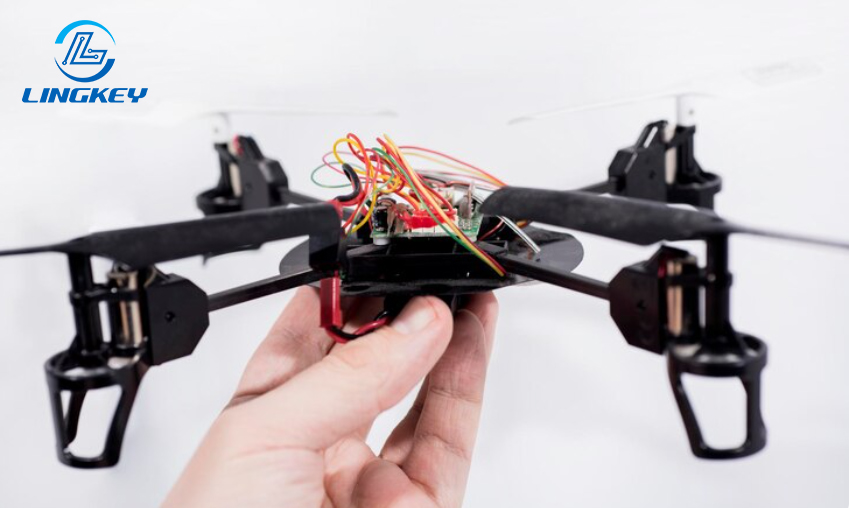
- Drones, UAVs, and robotics platforms—high-density PCB engineering for lightweight, rugged capabilities
- Auxiliary power and power distribution systems in ground and aerial platforms
Applications like control and communication systems are critical, and the most experienced providers are turned to for board engineering when performance and life-saving reliability must be guaranteed.
Military-Grade PCB Design: Strategies for Excellence
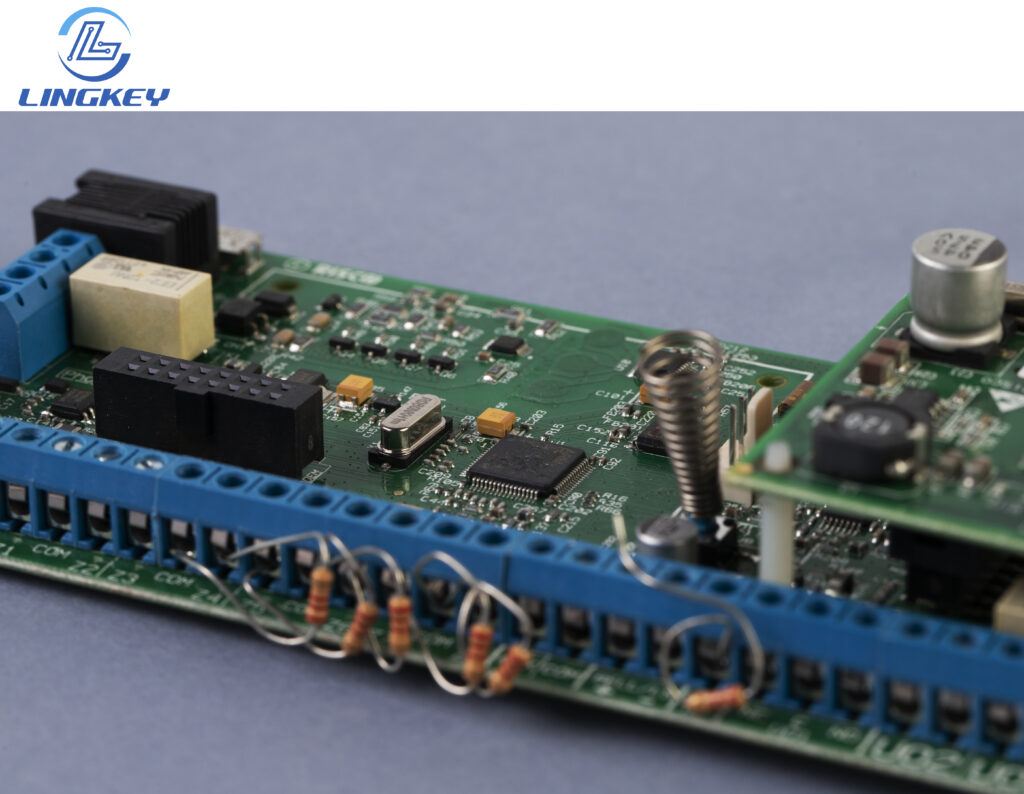
Superior PCB design starts with the right design decisions made early on in the development process for high performance, rugged applications.Strategies include:
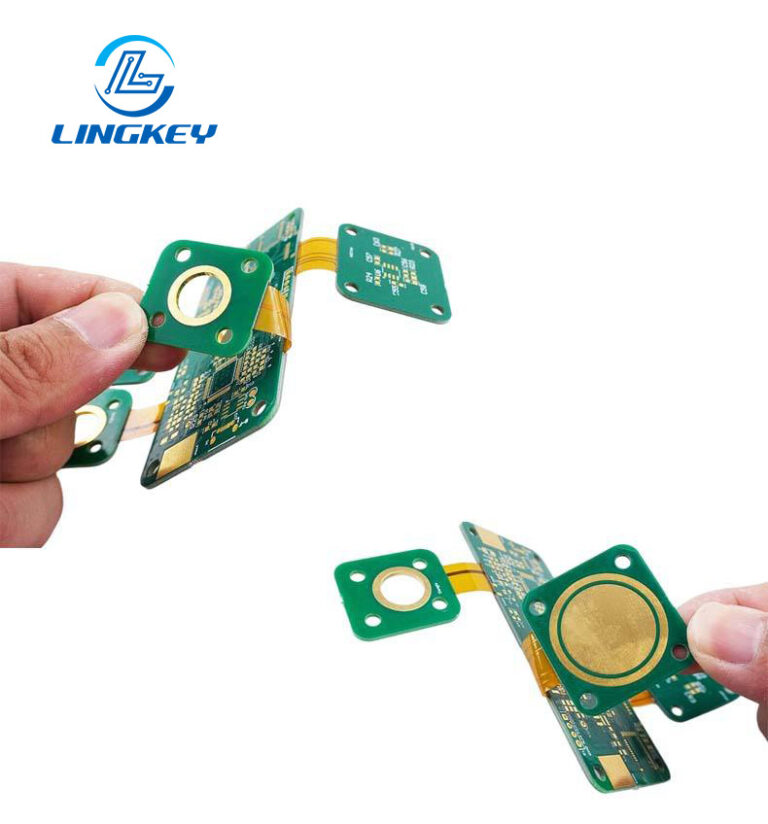
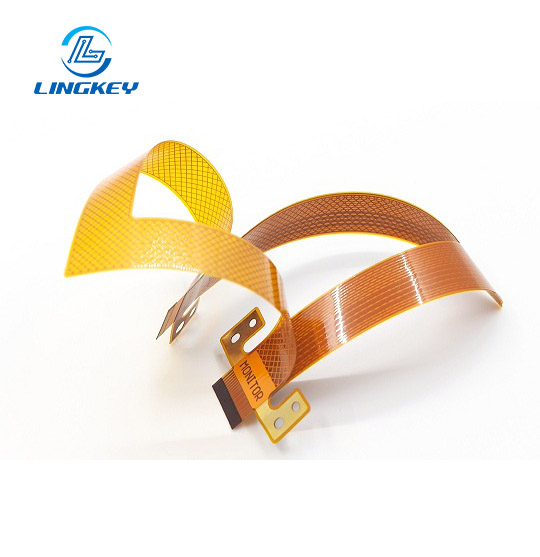
- Material Selection for the Mission: PTFE is used for RF, polyimide for flexibility and thermal cycles, and heavy copper for power delivery.
- Multilayer Engineering: These are up to 40 layers for redundancy, power management, and signal processing enhancement. Time to engineer every board for EMI containment and signal integrity.
- Thermal Management: The engineered structures are high heat capable, needed for missile, radar, and aerospace applications.
- Design and Manufacturing for Testability: Slots, test points, and modular designs enable quick checks and in-field upgrades.
Military PCB Assembly: Precision & Reliability
Military PCB assembly are subject to much tighter standards than consumer product ones.The assembly has to:
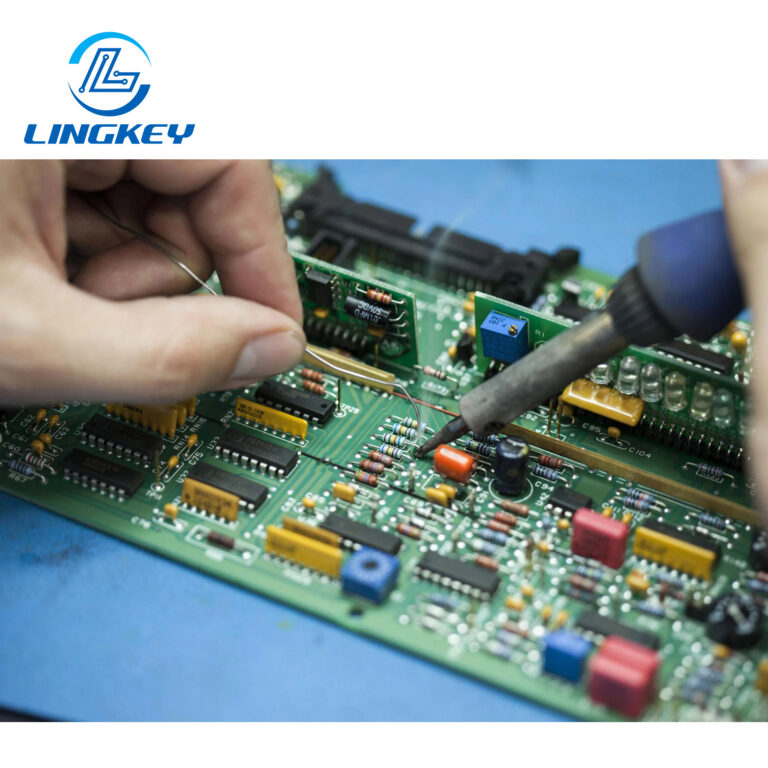
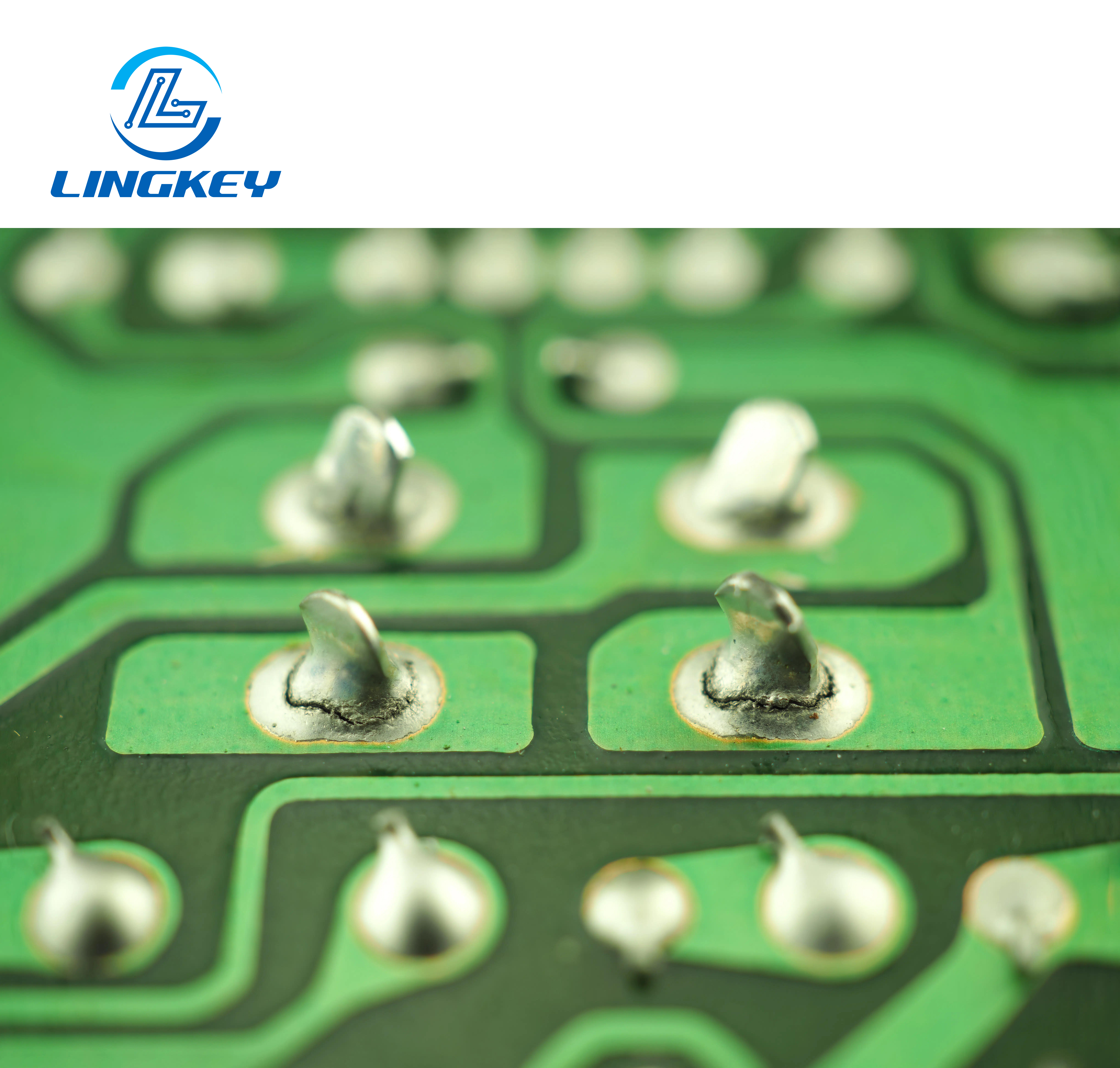
- Maintain solder quality, cleanliness, and free of defects construction to IPC-A-610 class 3 and MIL spec PCB standards.
- Employ controlled atmosphere selective soldering and reflow for precise component positioning and dependable solder joints—crucial in surface mount (SMT)
- Include conformal coating, encapsulation, and potting, especially in wide temperature scenarios and aerospace applications.
- Depend on 100% full testing and documentation, we make every military pcb assembly nothing less than perfection.
For trusted military pcb assemblers, find a company with established assembly capabilities and a minimum of a decade of experience in defense industry.
In a military PCB assembly professional environment like LingKey’s, each step of the process is tightly controlled to comply with Class 3 and MIL-spec standards.
Military PCB Solutions by Leading Providers
Trusted leaders in military pcb manufacturing and assembly offer end-to-end support:
- High-level engineers for PCB design and manufacturing, to cover all the requirements for military applications from concept to full production.
- Customized solutions for defense electronics , aerospace and military communications platforms.
- Facilities and processes audited to exceed mil standards, with in house development for board assembly, surface mount (SMT), and multilayer builds.
Specialized PCB products from these providers power mission-ready military systems:
- Combination control and communication systems for ground, air, and sea
- Electronic warfare equipment demands the use of high-end high-frequency PCBs with best-in-class materials like PTFE and copper-clad laminates.
- Densely packed military modules for missile guidance, radar processing and unmanned vehicles.
- Military-grade modular electronics designed to interface with both legacy and next-generation military systems.
Selecting a Certified Military PCB Manufacturer
Selecting a military PCB manufacturer is a strategic decision that affects all aspects of defense programs and mission critical applications. To maintain mission performance without stop:
- Insist on Compliance: Choose partners qualified to MIL-PRF-31032, IPC-A-610 Class 3, IPC-6012, AS9100 and ITAR for the defense work in international.
- Proven Track Record: Your contract manufacturer must have proven experience in the defense industry, with complex Military PCBs and assemblies.
- Advanced Technology: Modern equipment for AOI, X-ray and in-circuit testing combined with high-mix, high-volume
- Comprehensive Quality Management: Seek documented process control, ongoing improvement, anti-counterfeiting protection, and active post-sales support.
- Full Lifecycle Support: The right partner offers more than just manufacturing, they provide DFM, prototyping, system integration and field technical support.
- Security: Assess supply chain security and export compliance to prevent access by the unauthorized to sensitive military electronic technology.
One-stop military PCBA assembly supplier unites world class engineering, proven supply chain management and transparent collaborative design and manufacturing services.
This approach is demonstrated by manufacturers such as LingKey which integrate certification compliance with proven experience in defense manufacturing.
Frequently Asked Questions (FAQ)
What is a mil spec PCB?
Are PCBs for military and defense very different from commercial boards?
Do military electronic warfare systems require specific design?
How do I ensure reliable military PCB assembly meets program requirements?
Can I use a military PCB manufacturer for non-defense work?
Contact & Request a Quote
Looking for a military PCB assembly manufacturer that has been in the defence manufacturing industry for 10 years or more? Compliance-driven PCB fabrication and assembly for military, aerospace and defense programs is available from groups like LingKey.