PCB Assembly Cost: Key Factors That Influence PCB Manufacturing and Assembly Expenses
Table of Contents
ToggleIntroduction
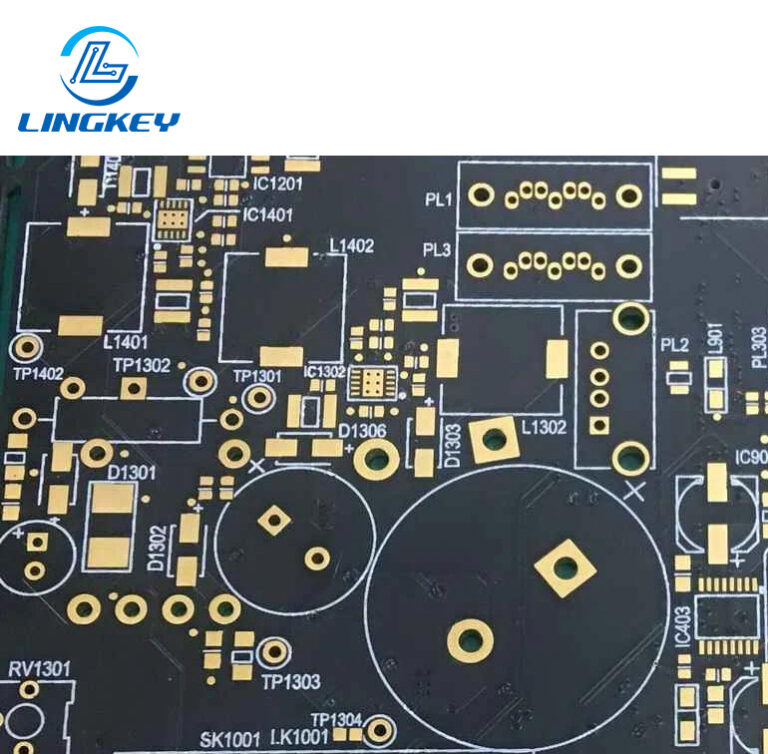
The price of PCBA is influenced by many factors, including the type of materials and components used, the manufacturing processes, testing, shipping, and even the design and manufacturing options used. The cost of manufacturing a PCB is not just about the raw cost of the PCB itself, it’s all about the layers of a PCB, the level of automation, and supply-chain concerns. Understanding these cost influences on pcb board assembly allows you to make informed choices and gives you the ability to reduce overhead and produce more competitive final products.
What Drives PCB Assembly Costs?
The total cost of building a final PCB is influenced by several factors:
- Materials(PCB substrate, copper, solder, chemical process)
- PCB componentsand Bill of Materials (BOM)
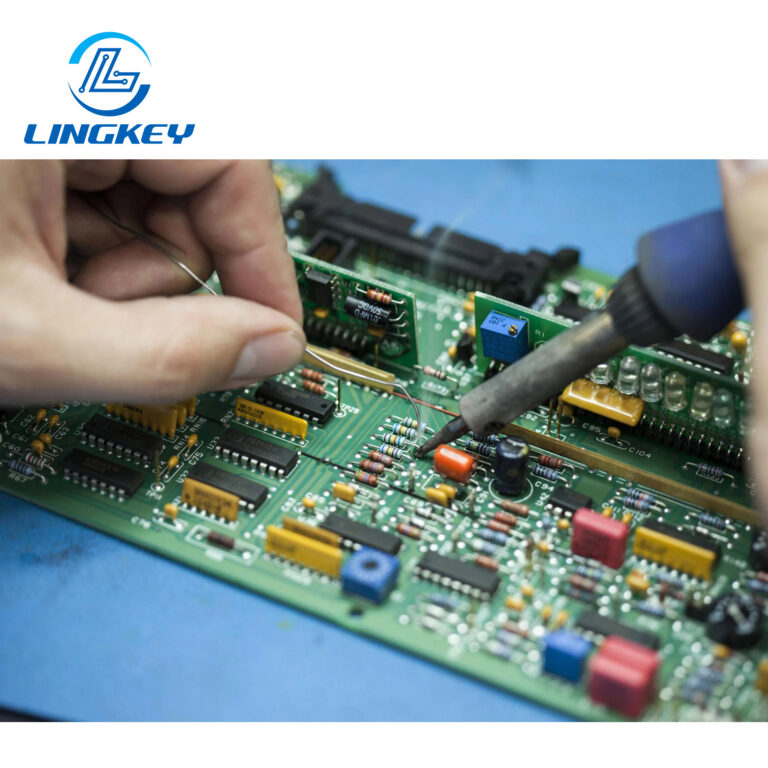
- Assembly methods(manual, semi-automated, automated SMT assembly)
- Manufacturing complexityand circuit design
- Testing and Quality Inspection(AOI, X-Ray, ICT)
- Order volume and lot size(prototype vs. high-volume PCB production)
- Logistics and value-added services
- Market conditions(component scarcity, labor costs)
- Design and manufacturing choices
- Overhead costs(warehouse, shipping, NRE)
Each of these directly affects the cost and overall price per assembled PCB.
Factors Affecting PCB Assembly Pricing
Material-Related Cost Factors
PCB Material and Substrate
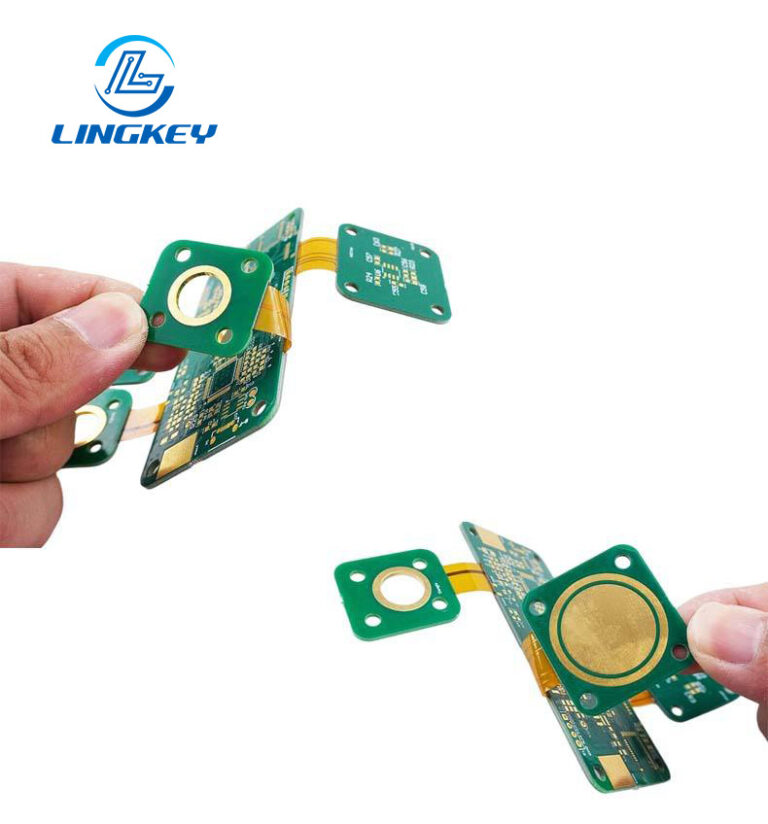
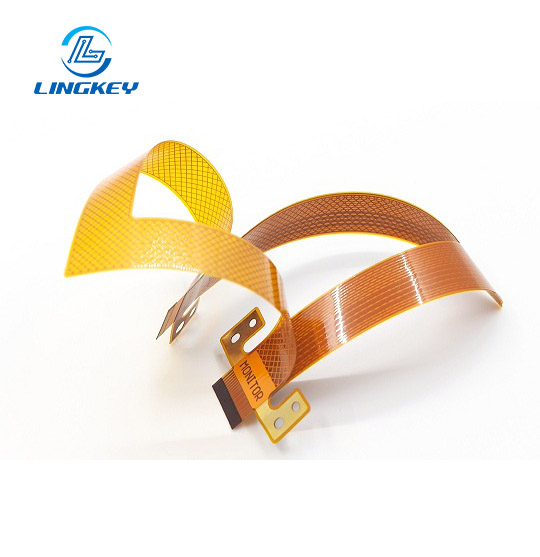
The breed and quality of your PCB material, be it standard FR4, polyimide for flex boards, or high-tech high frequency substrates, makes a huge difference in the cost of PCB. Special PCB substrates, thicker copper, special laminates are among the main cost drivers, in particular for complicated manufacturing or severe environmental.
Copper Thickness and Surface Finish
Thicker copper (usually required for high current flows) or special finishes such as ENIG and immersion silver add to the cost of the board. HASL hot air solder leveling is economical but the life and reliability of ENIG often justifies the additional cost due to environmental and shelf-life considerations.
Size of the PCB, Stackup, and Layer Count
When the PCB size and layers count increase, the material consumption and assembly complexity also increase. The addition of each layer raises the cost of machining, especially for high density ml-stackups and this is compared to the cost of simpler boards.
PCB Components and BOM
The BOM is one of the main contributors to the price of pcb assembly. Costly or difficult to obtain components, bespoke packaging, or extremely small parts (micro-BGAs, tiny QFNs) can add a significant amount of cost. Efficient sourcing by the PCB fabricator might contribute in cutting down procurement expenditure and thereby the overall assembly cost.
Process-Related Cost Factors
Manufacturing Complexity and Assembly Methods
Complexity of the manufacturing process is the main factor in price. Fine pitch ICs, tight tolerance traces, micro-vias or high-speed designs require the use of automated assembly and strict process control, which also means a higher cost of production for these boards.
- SMT assembly(Surface Mount Technology) is well suited for high volume, low cost pcb runs, taking advantage of automated pick-and-place and reflow soldering for efficiency.
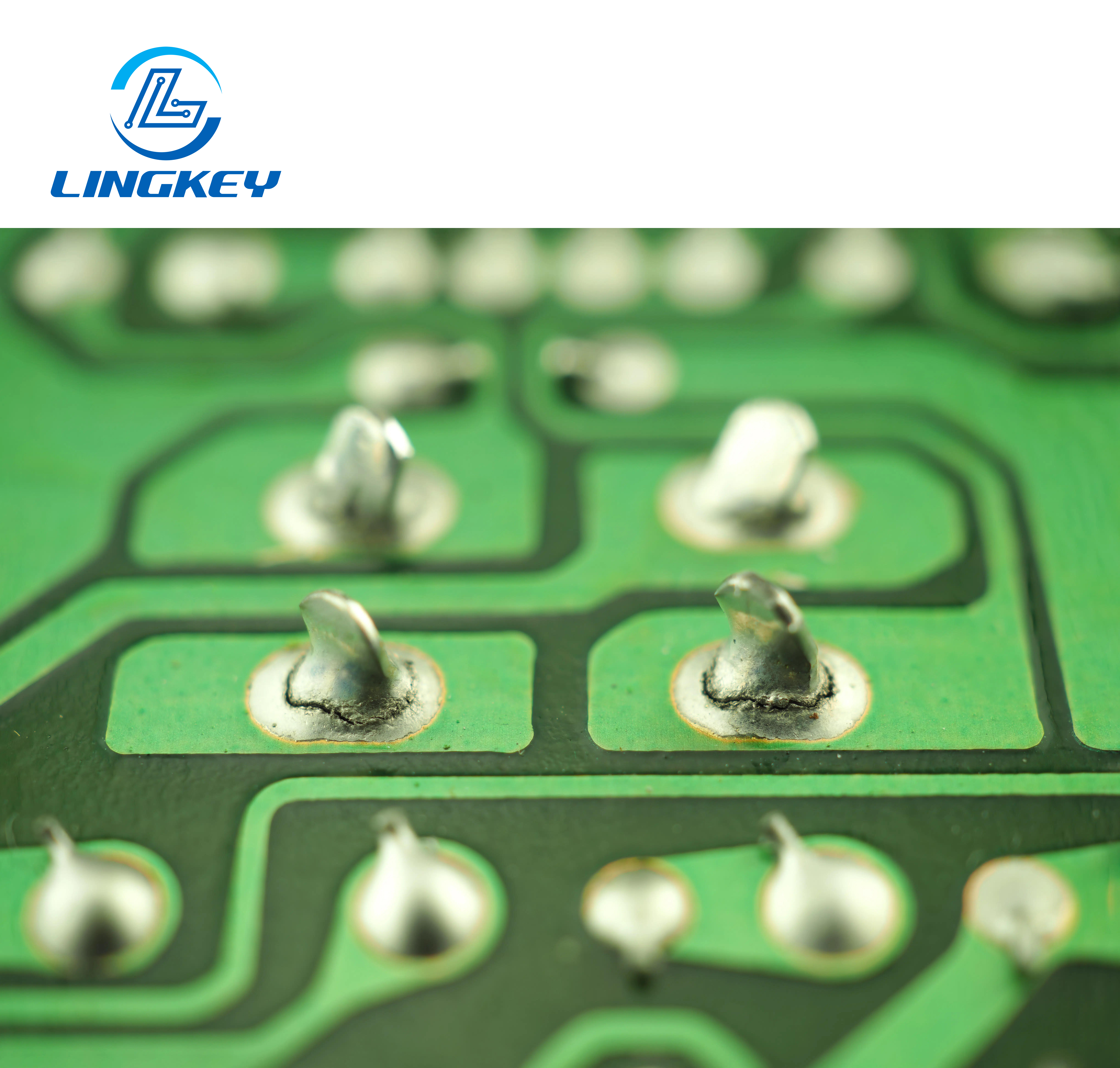
- THT assembly(Through-Hole Technology) can be costlier on fine-pitch designs as it is labor-intensive and involves more manual process.
Choosing the right assembly methods for your project can greatly affect the price of PCB assembly.
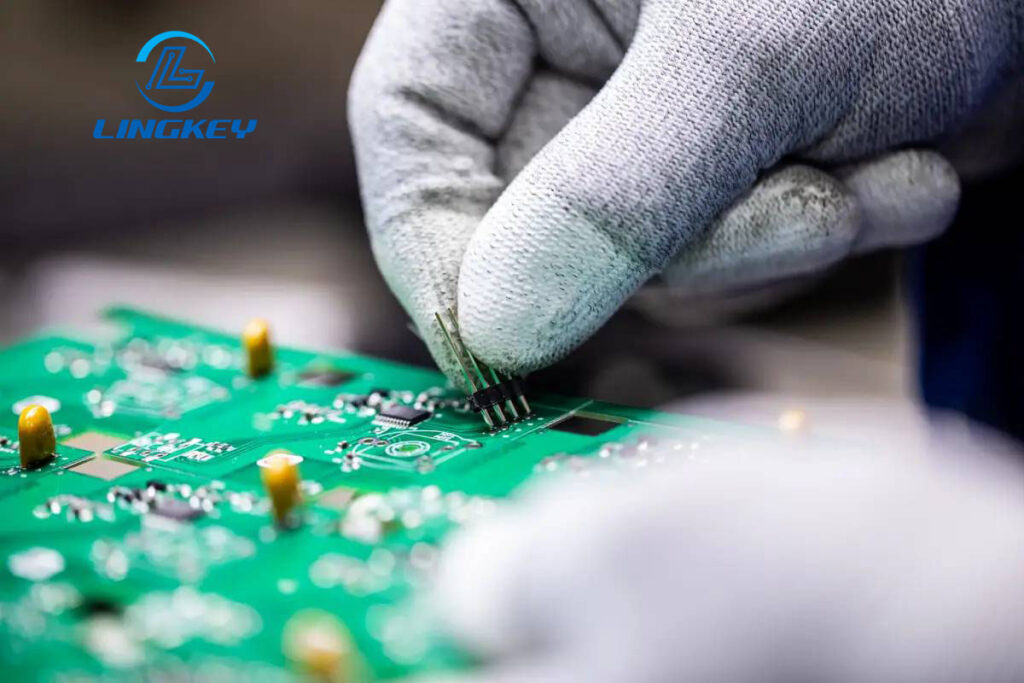
Solder Paste Printing & Reflow Soldering
Complex stencils, lead-free solders, and accurate thermal profiles all influence the cost and can slightly add to the overhead for each batch of PCBs.
Panelization and PCB Layout
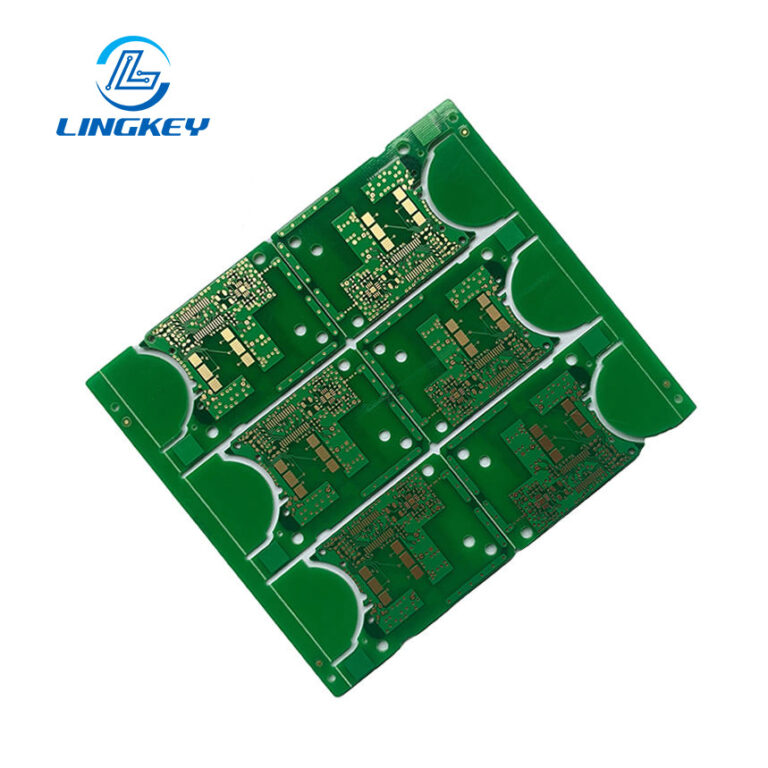
A PCB design for panelization enables efficient fabrication—since more boards per panel equates to a lower cost per unit by minimizing waste.
Order Volume–Related Cost Factors
Prototype Production vs. Mass Production
The price of PCB assembly for prototypes can be a lot more per board because of NRE charges and setup labor. Since fixed costs are spread over more units the unit cost is expected to decrease as volume increases – is an essential idea for attaining economical manufacturing.
Lead Time and Delivery Requirements
Fast-track or priority manufacturing options can increase costs to include production scheduling priority, expedited procurement, and premium shipping.
Quality & Testing-Related Cost Factors
Inspection and Functional Testing
Each extra test, whether an automatic optical inspection (AOI), X-ray or FCT (functional test), adds to the cost of assembly. For the critical industries (automotive, medical and aerospace), stricter testing is a must and it adds to cost and time to market.
Standards and Certifications
Meeting IPC Class 3 or customer-specific requirements areas could increase production and inspection complexity and costs.

Order Volume–Related Cost Factors
Procurement Costs and Turnkey Solutions
Handling the buying of hundreds of components for PCBs, if done inefficiently, can result in escalating overhead charges. Turnkey PCB assembly providers generally provide better procurement pricing but also may recoup logistics and warehousing cost.
Shipping, Handling, and Packaging
Specialized packaging, ESD protection, and global shipping add a layer of both direct and indirect cost. Transportation fees can be fluctuating, particularly for international PCB fabrication.
Market & External Cost Factors
Component Price Volatility
In recent years the prices of PCBs and components have been volatile, influenced by shortages, growing demand and world crises. This impacts the price of the PCB, and may call for flexible purchasing and anticipatory ordering.
Regional and Industry Considerations
Various regions, may be better at different areas of the PCB industry but the cost of labour and production overhead had in higher wage countries can drive up the cost of a PCB. On the other hand, off shoring may reduce labour and production cost but it also increases the risk of delay and impact on the price of final PCB.
Special Manufacturing & Design Considerations
The pcb design and manufacturing phase is an opportunity to optimize for cost.
- Design is a powerful lever: Apply DFM rules to ensure that the circuitry, stackup, and layout do not cause any unexpected cost.
- Avoid over-designing: Unneeded layers, superfluous test points, or complex via structures may increase pcbcost with little benefit.
- Work with your PCB manufacturer from the beginning for any potential issues related to layout, stackup or planned assembly methods.
Hidden and Indirect PCB Assembly Costs
In addition to BOM and assembly, hidden fees such as prototype debugging, unexpected rework, and customs charges can greatly affect the cost of your project.
- Delays from unplanned production adjustmentsor late ECOs (engineering change orders)
- Quality control and certification expenses
- Shipping losses or damage
- Procurement surprise expenses if components are delayed or not pre-qualified with manufacturers
- Additional assembly methodsrequired for unique components
These costs such as special certifications or customs are often overlooked but they can add up especially for high-value or time critical projects.
How to Reduce PCB Manufacturing and Assembly Costs
Cost reduction demands a holistic approach spanning design, sourcing, and manufacturing:
PCB Design and Layout
- DFM review:Early design for manufacturability can flag unnecessary complexity before it increases manufacturing costs.
- Optimize PCB layoutto minimize dimensions and use standard panel sizes.
- Use standard footprints; avoid custom or obsolete parts that increase procurement costs.
Materials and Components
- Choose readily available, standard PCB materials over specialized, high-cost laminates unless specific performance demands it.
- Minimize layers in a PCBto what’s functionally necessary.
- Where feasible, design with components that allow for automated assembly (e.g., SMT over THT).
Production and Assembly
- Efficient manufacturingcomes from higher batch sizes—order in economical quantities to reduce the price per board.
- Combine ordersand use turnkey PCB manufacturer services for BOM procurement.
- Balance cost and test coverage by selecting the adequate but not excessive level of inspection and functional testing for your application.
- Allow longer lead times—urgent manufacturing or expedited shipping can raise costs significantly.
Process Improvements
- Leverage automated SMT assembly lines wherever possible for high-volume PCB runs.
- For projects that demand THT, explore partial automation or outsourced labor to reduce costs.
- Lower assembly expenses by panelizing boards and utilizing efficient soldering methods.
Ongoing Optimization
- Re-negotiate pricing for repeat or high-volume PCB production.
- Stay aware of market changes—when procurement costs or certain PCB materials drop, quickly capitalize for your next run.
FAQs: PCB Assembly Cost
What is one of the main factors affecting the cost of pcb assembly?
How do procurement costs and labor influence the total cost of PCB assembly?
Does increasing the size of the PCB always increase the cost?
Can urgent manufacturing significantly affect PCB prices?
Is there an effective way to reduce the cost for high-complexity projects?
Summary Table: Main PCB Assembly Cost Drivers
Factor | How It Affects Cost | Ways to Control It |
PCB Material | Directly affects the cost | Select standard, cost-effective |
Number of Layers | Increases manufacturing cost | Minimize to functional necessity |
PCB Size/Dimensions | Increases the cost | Optimize layout, maximize panels |
Components (BOM) | Affects the price | Standard parts, optimize footprint |
Assembly Methods | Higher labor = higher cost | Automate with SMT, efficient design |
Testing & Inspection | Raises costs | Balance coverage with application |
Order Volume | Affects price per board | Batch production for lower costs |
Lead Time | Expedited = higher cost | Plan ahead, allow standard lead time |
Get a Custom PCB Assembly Quote
To accurately estimate your cost of PCBs and balance cost with performance, prepare:
- Gerber/Drill files
- Full BOM
- Anticipated quantities
- Testing, standards, or special packaging needs
- Target date and shipping info
Work with your chosen PCB manufacturer to get a transparent, up-to-date quote reflecting current production costs, market conditions, and your specific requirements.
Conclusion
The cost of PCB assembly is the total of material, process selection, component sourcing, manufacturing complexity, and volume strategy, all influenced by the factors described above. With a little planning, good timing of DFM, and strategic sourcing you’ll be able to reduce the costs, lower the unit cost and get efficient and cost-effective manufacturing — without compromising on quality of your finished PCB.
By working with LingKey, customers enjoy a more disciplined way to control PCB assembly costs. From BOM optimization and process selection to scalable production methodologies, LingKey enables cost-effective PCB assembly solutions with no trade-offs in performance, quality standards, or delivery dependability.