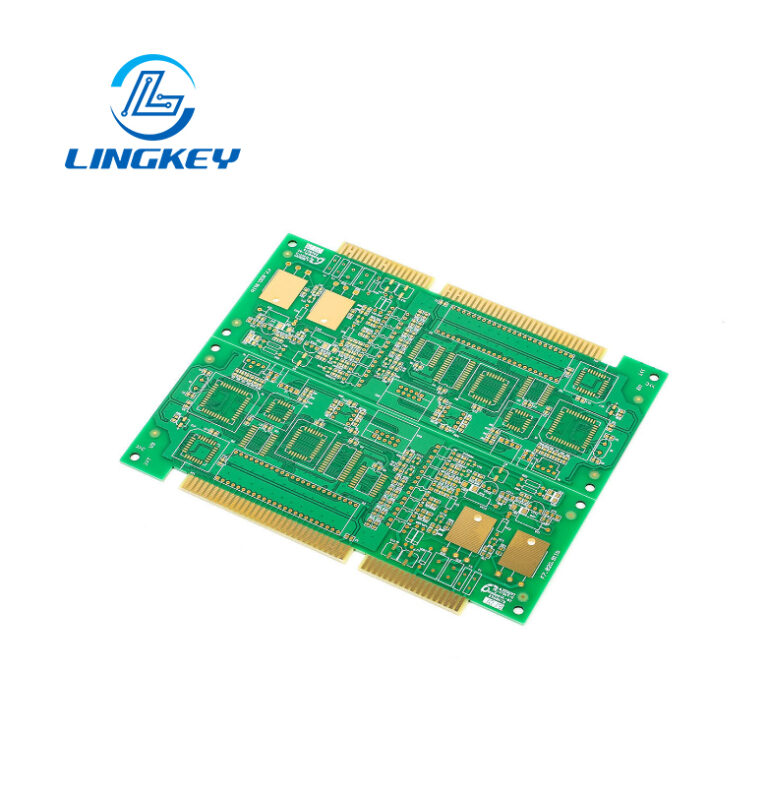
PCB Cost Explained: Circuit Boards & PCB Manufacturing Guide
Table of Contents
ToggleIntroduction to PCB Cost
The PCBs are the base of electronic modern electronics, which enable everything from consumer devices to industrial controls. The price of PCB may differ widely, ranging from $0.50 or less to over $500, according to a number of factors, which include the type of material, the number of layers in the circuit board and the complexity of the circuit design.
Understanding PCB board cost is essential for engineers, manufacturers, and buyers. The total cost is not a constant, rather it is a complex interplay between the design requirements, material choice, quality control and the size of the production batch. Right decisions help to decrease your printed circuit board cost and keep the performance and reliability at the uppermost level.
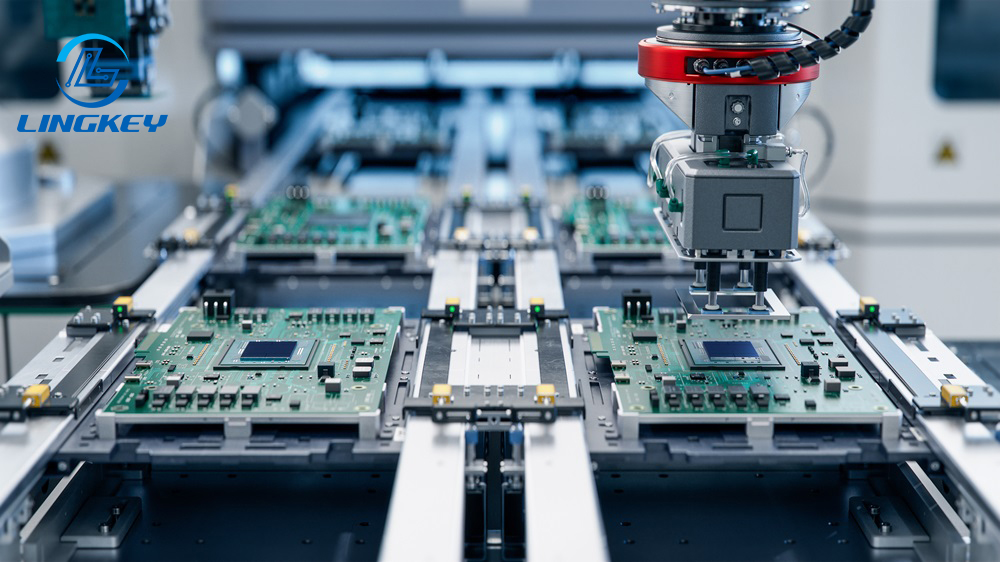
Quick Check: Key Factors Affecting PCB Cost
The combined influence of several local and global factors directly determine the final price in the pcb manufacturer and assembly environment. Whether you’re looking for a simple prototype or an advanced, dependable PCB for a mission-critical device, you’ll need to consider these core factors.
Key PCB Cost Factors Table
Category | Key Factor | Explanation |
Structure | Type of Material Used | FR4, CEM-3, Rogers, Polyimide—each laminate and technology used affects the cost and performance. |
& Materials | Layers a PCB Has | Single-sided, double-sided, or multi-layer PCBs (more layers = increased material and cost). |
| Board Size & Thickness | Larger boards, thicker copper, and greater laminate use drive up production costs. |
| Surface Finish | HASL, OSP, nickel immersion gold, silver, tin lead—chosen finish impacts durability and price. |
Circuit Design | Through-hole vs. Surface Mount | Through-hole technology and surface mount technology each present distinct cost implications. |
| Design Complexity | Intricate designs affect the cost due to increased material and process requirements. |
Production | Production Volume | High volumes lower the cost per unit by spreading overhead costs over more boards. |
& Logistics | Turnaround Time (TAT) | Shorter production timelines can increase the cost significantly. |
| Testing & Quality Control Measures | Quality protocols, such as ICT or AOI, are performed to ensure a reliable PCB, but may increase costs. |
| Labor Expenses & Region | Global labor rates and local regulations affect the PCB board cost. |
Manufacturing | Assembly Method | SMT vs. through-hole assembly, solder paste application, and component density matter. |
Process | Cost Range for PCB Production | Costs associated with pcb production vary significantly based on order and technical requirements. |
Factors to Consider for Reliable PCB and Optimal Performance
When designing for a robust PCB, take into the consideration:
- The number of layers a PCB requires for signal and power integrity.
- Type of material used(e.g., FR4, high-frequency laminates, polyimide).
- Thickness of the copperapplied to the board (affects current carrying, heat dissipation).
- Whether advanced features like nickel immersion goldor ENIG are needed for wear resistance.
- The complexity of your production volumeand market-to-design lifecycle.
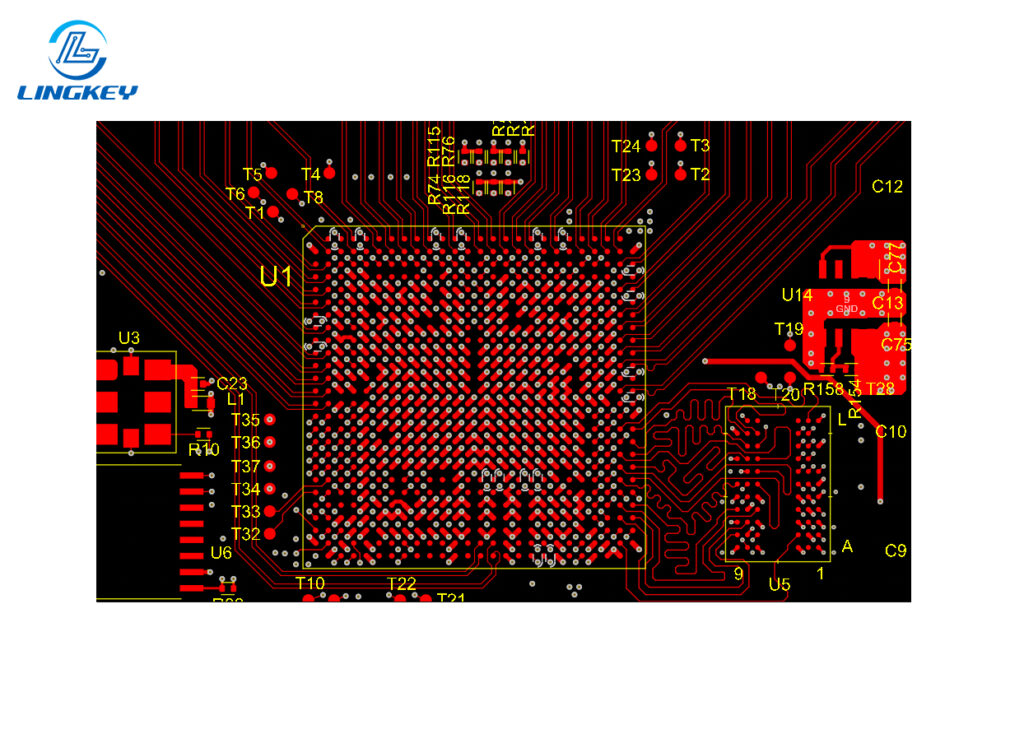
Cost Breakdown by PCB Type
Let’s see the cost variation of the pcb board with type and application.
Standard Rigid PCB Cost
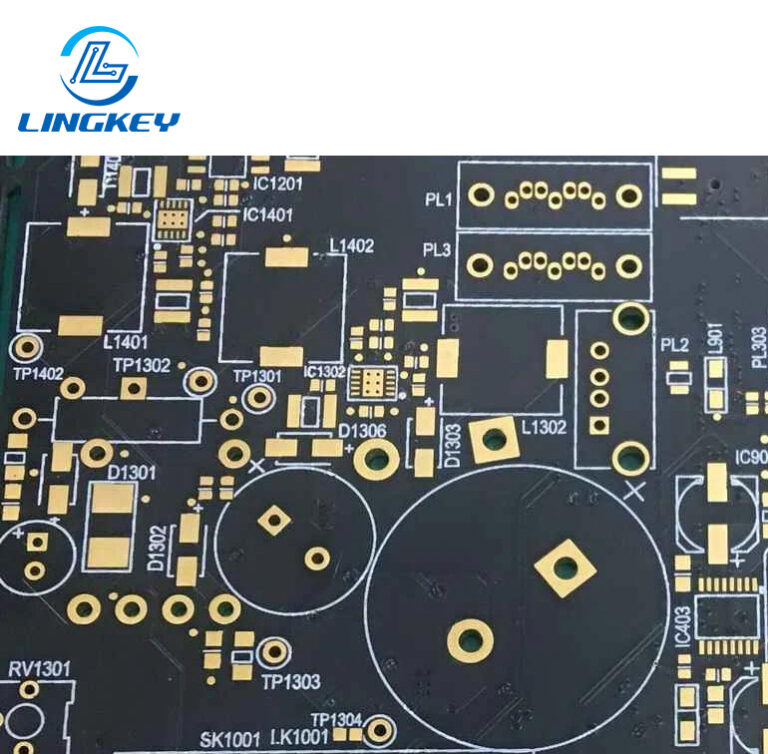
Rigids are the most popular type of PCB especially when made from FR4 laminate. The price range is predominantly influenced by the material selection, the number of layers and the quantity of production.
Board Type | Typical Layers | Production Cost (per unit, USD) | Notes |
Single-sided | 1 | $0.50–$2.00 | Simple prototypes |
Double-sided | 2 | $1.50–$8.00 | Moderate complexity |
Multi-layer PCBs | 4, 6, 8+ | $8.00–$500+ | HDI, advanced builds |
The price of a rigid PCB increases with board thickness, trace fineness and additional procedures (like gold plating).
Flexible PCB Cost
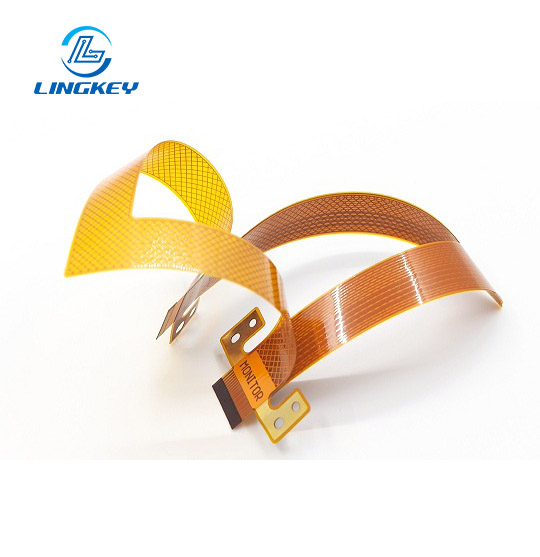
Flexible boards utilize polyimide or PET film as the base material and are preferred for complex layouts or moving end-products. The price of a flexible PCB is greater, typically in the range of $0.10 to $0.35 per in², especially when dealing with small batch productions or multi-layer designs.
- Cost Drivers:Urgency, copper thickness, region, and finish (e.g., nickel immersion gold).
- Flexible PCBs’ production costs and overhead costs are consistently higher than for rigid options.
Rigid-Flex PCB Cost
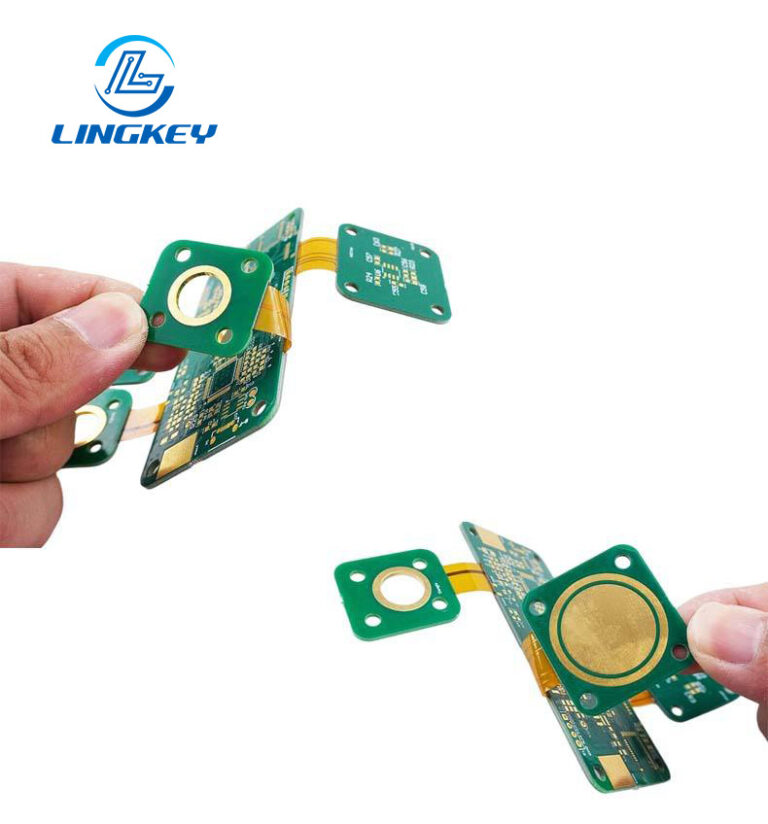
Rigid-flex PCB is the most expensive, sometimes up to 7 times the price of the standard options. This is due to:
- Use of expensive no-flow prepreg
- Hybrid structure and laminate choices
- Separate assembly stages and higher scrap rates
PCB Cost per Square Inch
The cost of the PCB per square inch is a key metric to gauge the pricing and estimate the budget.
Configuration | Cost per in² (USD) | Factors Affecting the Overall Cost |
Standard Rigid, 2L | $0.02–$0.10 | Size, volume, layers, finish, copper thickness |
Flexible | $0.10–$0.35 | Polyimide, copper, finish, panel utilization |
Rigid-Flex | $0.30–$0.70 | Multi-process, material variety, lower yield |
The unit cost decreases as the production size increases—known as one of the key contributors to total cost.
Wholesale and Bulk PCB Pricing
Wholesale PCB price becomes critical if a high production quantity is required. Bulk orders can significantly bring down your printed circuit board costs as the overhead charges and setup fees are divided among more units.
Quantity | 4-Layer Rigid PCB (5x5cm, per unit) | Notes |
10 pcs | $8–$20 | Prototype, higher cost |
100 pcs | $2–$3 | Small batch, savings |
1000+ pcs | $0.90–$1.40 | Wholesale, low margin |
Hidden or Additional Costs in PCB Manufacturing
Some of the costs related to the production and assembly of pcbs are not always obvious.
- Setup, Tooling, and Engineering:Non-recurring charges, particularly for complex or new designs, add to the cost.
- Special Processing:HDI, blind/buried vias, via filling or fine-pitch features as used in multi-layer PCBs.
- Testing & Quality Control Measures:Advanced analyses such as in-circuit, AOI, and functional testing are conducted to verify dependable PCBs.
- Shipping, Taxes, and Logistics:Expenses may be significant, particularly for international shipping and customs.
Why Is a PCB Board So Expensive?
The knowledge of Why is your PCB board cost high is very important for an optimal planning of the project. The answer: PCB cost depends on things such as the technology used, the material type, complex designs, thickness of the copper and options such as surface mount technology vs. through-hole technology .Let’s take a closer look at what might drive up the price and how these elements combine:
Technology Used
- Both high density SMT and through-hole technology have their own, specific assembly process and equipment. SMT is well-suited to high density, complex designs, but the setup costs and quality control requirements can be high, particularly for prototypes or small-volume runs. While through-hole is at times less expensive for low-tech boards, you need more drilling and more labor, which also increases the cost.
Type of Material Used
- The type of material utilized – be it standard FR4 or high-frequency laminates, polyimide, or special substrates – can have a big impact on the price. Thicker laminates or boards with high thermal conductivity or that are high-frequency significantly increase material and processing costs.
- Nickelimmersion gold (ENIG) is a common surface finish that is reliable but is significantly more expensive than hasl or OSP.
Layers a PCB Has
- The layer count of a PCB, especially multi-layer PCBs, will result in higher cost of material, more complex circuit layout and longer production lead time. Every extra layer adds more press cycles, more alignment and more quality control, and they all directly affect the cost per unit.
Board Size and Complexity
- Bigger boards just consume more materials and have more quality checks. Complex designs—tight spacing, multiple drill types, or controlled impedance—also take more engineering and testing and that adds to the cost at the
Production Volume and Overhead Costs
- As you increase the quantity of your order, the unit cost decreases because overhead like tooling, setup and engineering time are spread over more units. For small batch customorders or prototyping, both the upfront and per-unit costs can seem unusually high.
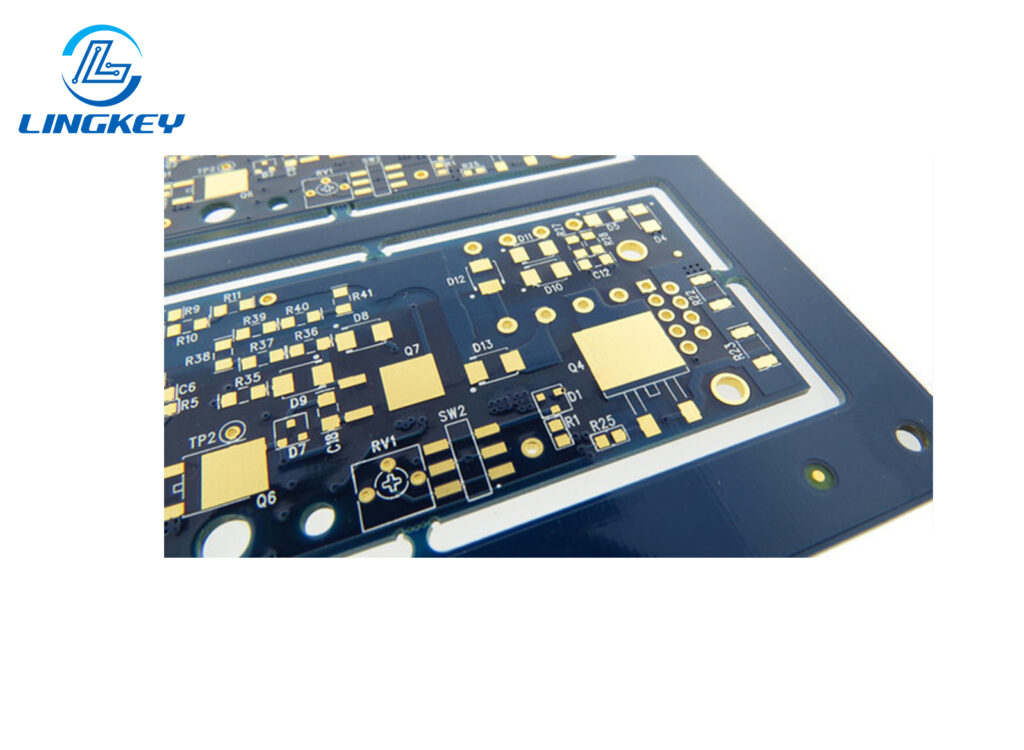
Strategies to Reduce PCB Cost
Understanding what influences the cost of manufacturing PCBs is the quickest way to begin cutting down the cost of your printed circuit boards without sacrificing reliability or best performance.
Actionable Strategies to Lower PCB Cost
- Limit Layers: Use just enough layers for signal integrity and routing because the additional layers influence the fee due to more material consumption.
- Select Cost-Effective Materials: Standard FR4 is usually the best compromise for general use. Choose Rogers, polyimide, or high frequency materials only when a requirement of your design or the environment places a demand on you.
- Choose the Right Surface Finish: HASL is low cost and good enough for a lot of projects. Only use ENIG/nickel immersion gold finishes for SMT/BGA or when the highest contact reliability is required.
- Optimize Panel Utilization: Check with your board house to make sure your boards will fit cleanly on a standard production sheet. Wasteful panel usage increases the cost by the waste of laminate and of labor.
- Simplify Design When Possible: Avoid excessive via types, fine pitch, or features that add process steps.
- Plan Testing Wisely: The standards of quality should be suited for the stage of the project. For prototypes, basic E-test may suffice; for final PCB production, go for full ICT/AOI as required.
- Bulk Orders: The reduction of overhead costs and raw material with production volume increases can be substantial. If possible, combine your runs.
How to Get an Accurate PCB Cost Quote
Obtaining an accurate and transparent PCB quote is crucial—misinterpretations at this point might result in unforeseen charges and expenses related to the PCB manufacturing. Here’s how to minimize risk:
- Send Complete Data:Supply Gerber files at all times along with stack-up sheets, a full BOM, surface finish specifications, and notes regarding any solder paste, THR or SMT needs.
- List All Factors to Consider:State the desired laminate, copper thickness, layers, board size, and finishing method.
- Clarify Quality Control Measures:Note if there is any special testing or certification required. These can add to the cost but are vital for a trustworthy PCB.
- Ask for a Cost Breakdown:Understand base material costs, processing, assembly, and shipping separately.
- Time Your Orders:Estimate how much faster turnaround times will increase the cost, and plan order cycles accordingly.
PCB Assembly Cost vs. Bare PCB Cost
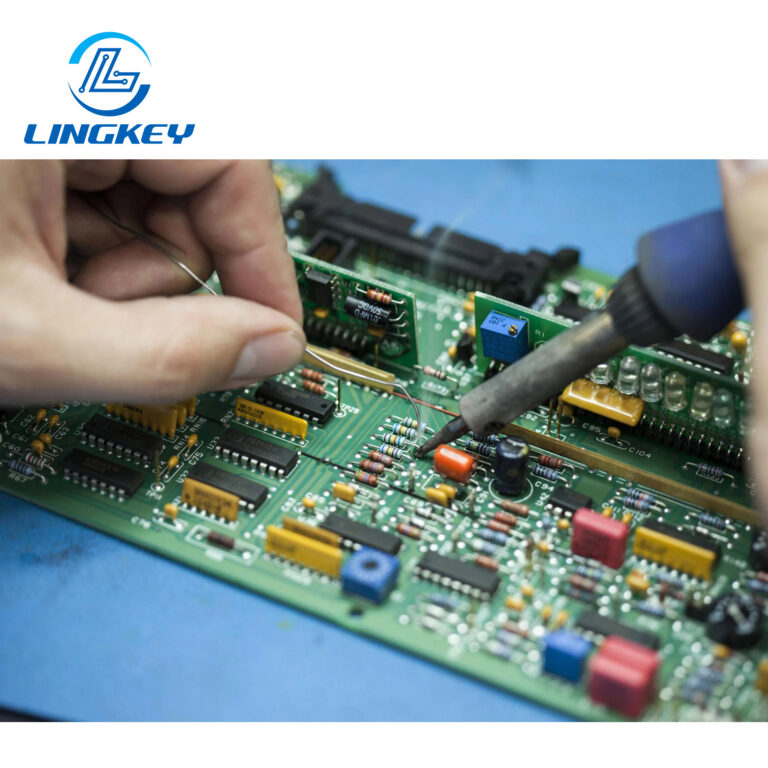
A bare PCB is no more than the circuit board, unpopulated. PCB fabrication and assembly is the process of mounting, either through hole or surface mount components, onto the board and then soldering them in place – in some ways the latter is like the inverse of the former.
What Increases PCB Assembly Costs?
- Component Complexity:The use of fine-pitch components, BGAs (ball grid arrays), or a combination of SMT and through-hole applying dense populated will increase both setup and work cost.
- Solder Paste Application:For SMT, the type and position of solder paste stencils may influence the process of PCB, and in some cases the cost of the whole.
- Technology Used in Assembly:Each has their own typical cost drivers: pick-and-place machines, reflow ovens, or selective soldering (for through-hole).
- Quality Assurance:Some additional inspections, such as those to verify the integrity of solder joints and electrical functionality, may be charged on a per batch or per unit basis.
Frequently Asked Questions (FAQs) About PCB Cost
What are the common factors affecting the overall cost of a PCB?
Does the technology used affect the PCB price?
How do I get a reliable PCB manufacturer at the best price?
Conclusion: Key Takeaways on PCB Cost
The price of a pcb is influenced on many levels, from the technology used and the material applied to the board to the assembly and testing processes. When you apply your knowledge of the cost ranges for different board types and your understanding of what drives the cost within each type, and you combine that with the capabilities of a trusted PCB supplier, you can achieve the best overall performance from your board while keeping the cost tightly controlled. Remember:
- Focus on the essential: layers, material, production volume.
- Don’t overspecify unless needed for reliability or compliance.
- Communicate thoroughly to reduce your printed circuit boardcosts and avoid unexpected charges.
- Factor in assembly, labor, and testing—not just the bare board.
Having a dependable manufacturer partner also contributes to the PCB cost, quality, and lead time being well managed. LingKey is professional pcb & pcba manufacturer providing competitive price, stable quality control and quick production cycle for prototype, small batch and mass production. With high-end fabrication capabilities such as multilayer, HDI, high frequency materials, and a variety of surface finish options including ENIG, OSP, Immersion Silver and Lead-Free HASL, LingKey enable customers to maximize both performance and cost at every stage of the product lifecycle.
If you’re planning to progress from market design to building the final PCB, contact us now and receive a comprehensive, precise PCB quotation based on your requirements.