PCB Board Productionp Arameters and Process Flow

LingKey offers a wide range of PCB customization to meet all your PCB needs

PCB manufacturing parameters

Lingkey is a professional PCB fabrication, assembly, and mass production manufacturer located in Huizhou, China.

Lingkey specializes in providing one-stop, high-precision electronics manufacturing services. The following information provides a comprehensive overview of the tolerances Lingkey currently offers for PCB production.

The table represents what we call conventional PCBs. We can provide prototypes (with no minimum order quantity), small batches, and fast turnaround.

If your PCBs fall outside the production standards listed below, please send us a message.

Project


Manufacturing Capabilities

Number of layers


Material


FR4, aluminum, copper-based

Maximum PCB size


The maximum size of single and double sided boards is 500mm*600mm, and the maximum size of multi-layer boards is 560*1150mm

PCB Dimensional Tolerance (Outline)


±0.10mm to ±0.20mm 

Plate thickness


0.2- 3.2mm

Plate thickness tolerance (t≥1.0mm)


±10%mm


Plate thickness tolerance (t<1.0mm)


±0.1 mm

Minimum line width/spacing


0.08mm/0.08mm


Outer copper thickness


1oz/2oz/3oz/4oz/5oz/6oz/7oz/8oz (35um/70um/105um/140um/175um/210um/245um/280um)

Inner layer copper thickness


1 oz / 1.5 oz / 2 oz / 3 oz / 4 oz (35 μm / 50 μm / 70 μm / 105 μm / 140 μm)

Inner hole margin line edge


0.17mm


Outer hole margin line edge


0.20mm


Aperture tolerance


NPTH±0.05mm

PTH±0.08mm


Solder mask thickness


8-30um


Smallest Green Oil Bridge


0.075mm


Line margin green oil window (minimum spacing)


0.1mm


Minimum BGA size


Φ0.22mm (except tin spraying)


Minimum distance between holes


0.3mm


Jin Hou


1-3U

PCB production process

Optimize gerber data
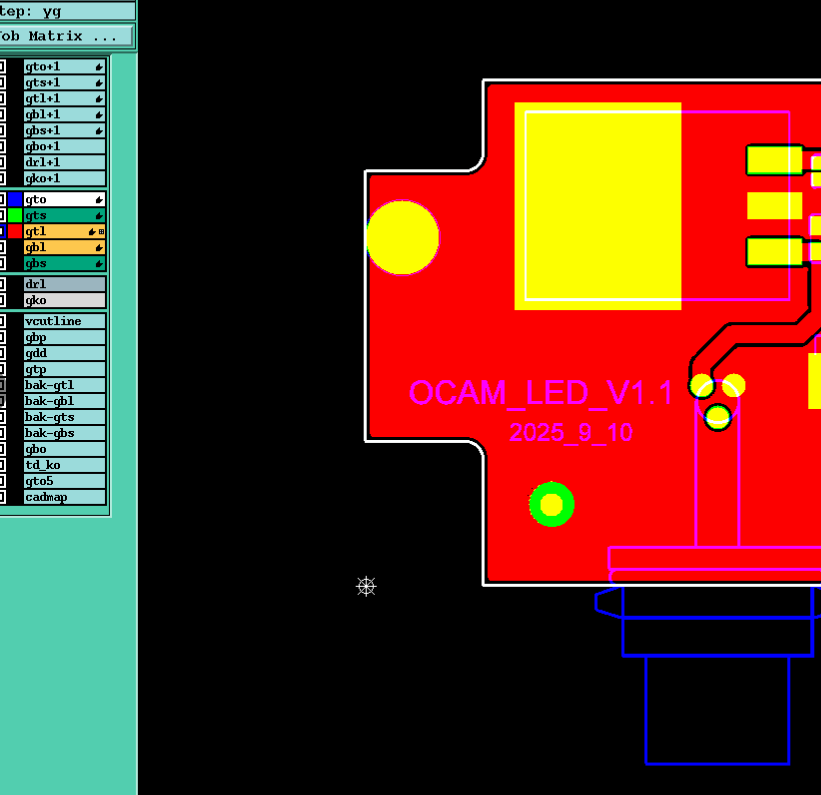
To ensure your PCB design can be successfully manufactured, our engineers will conduct a comprehensive Design for Material Function (DFM) analysis. They will review minimum trace widths and spacing, aperture and annular ring reliability, solder mask bridging, stackup structure and impedance control, as well as panel design and board edge spacing to verify the rationality of your design.

First, we will select a suitable substrate, usually glass fiber-reinforced epoxy resin (FR-4). We also provide a variety of PCB boards, such as CEM-1, EM1, CEM3, Fr1, FR-2, Fr4, aluminum-based PCB, metal core PCB, flexible PCB and rigid-flex PCB, and high-frequency PCB (PTFE). The choice of material depends on the application requirements of the final product, such as temperature stability, electrical insulation performance, and mechanical strength.
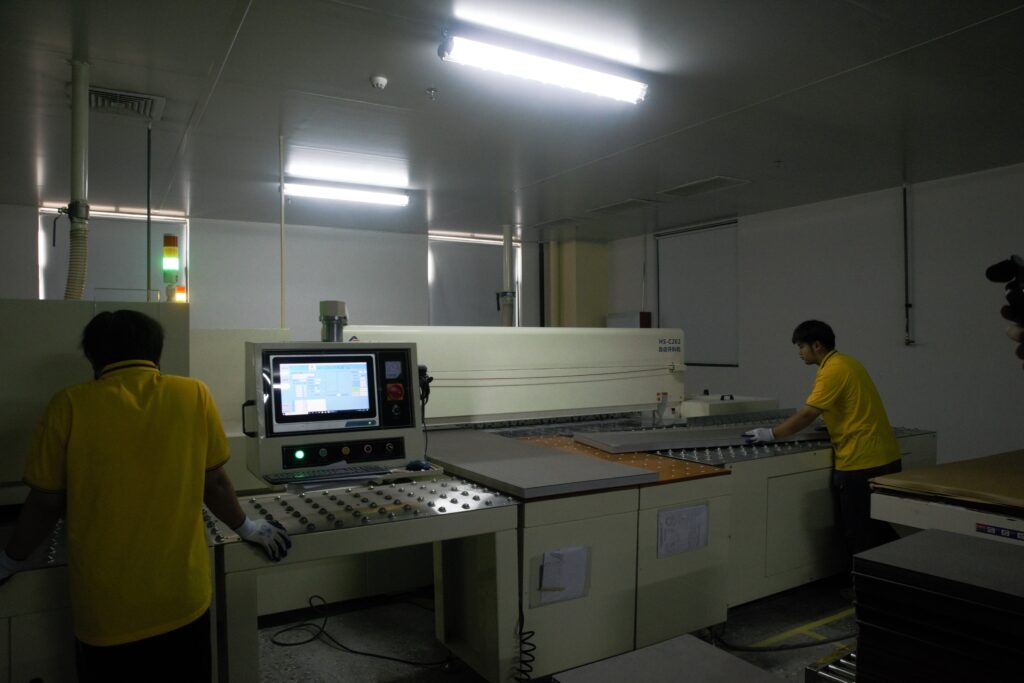
Cutting substrate: The substrate material is cut into appropriate sizes according to the size and design requirements of the PCB. We use professional equipment for cutting to ensure precise and clean edges.

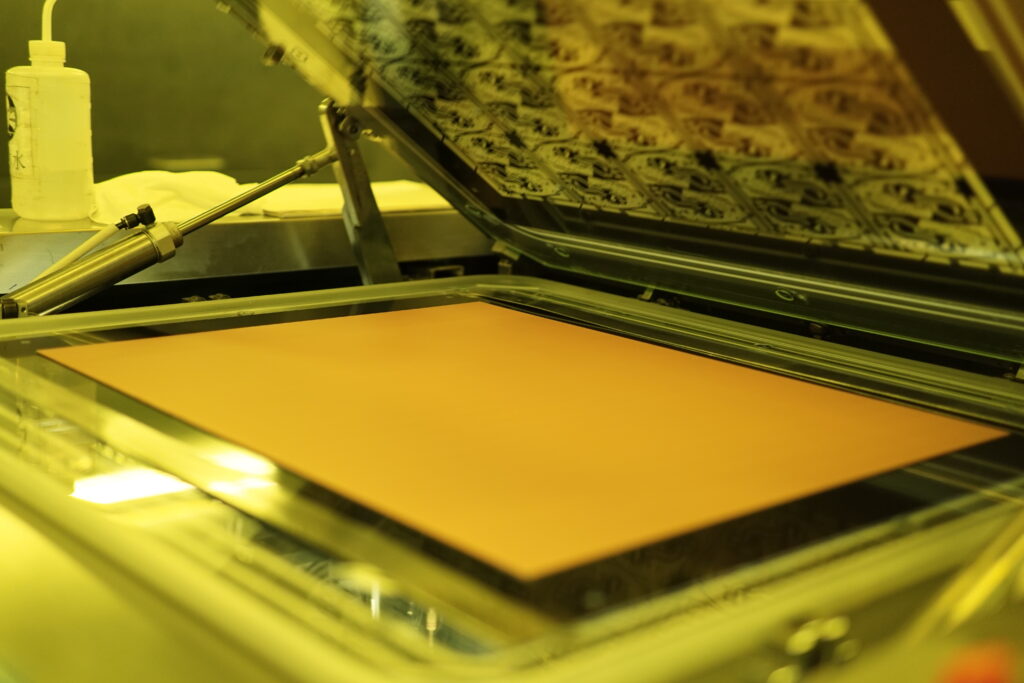
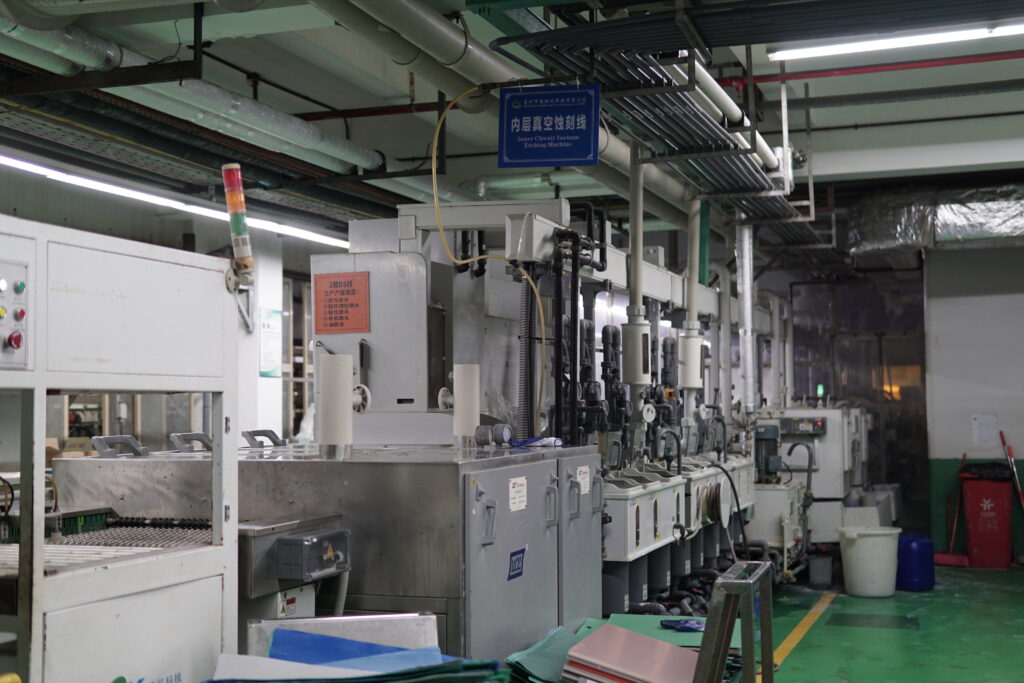
Inner layer pattern production is a key step in producing multi-layer PCBs. It accurately transfers the circuit pattern to the copper-clad substrate through coating photosensitive materials, photolithography exposure, development, and etching processes to ensure the functionality and reliability of the circuit.

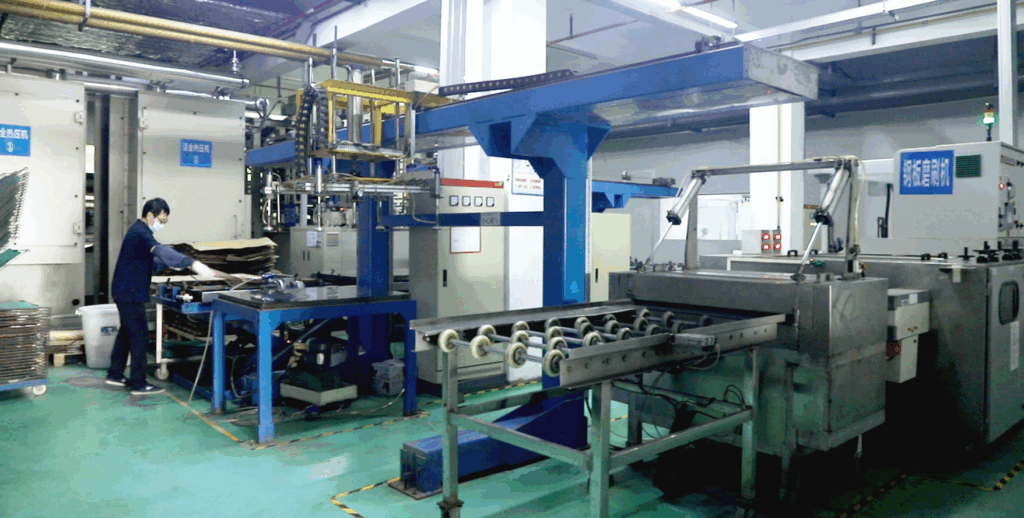
It is the most critical step in manufacturing multi-layer boards. In this step, all the individually made inner and outer layers, together with prepreg (an insulating material containing resin), are pressed and merged under high temperature and high pressure. This process ensures a strong bond between different layers and forms a solid multi-layer board, thereby ensuring the mechanical strength and electrical stability of the PCB.

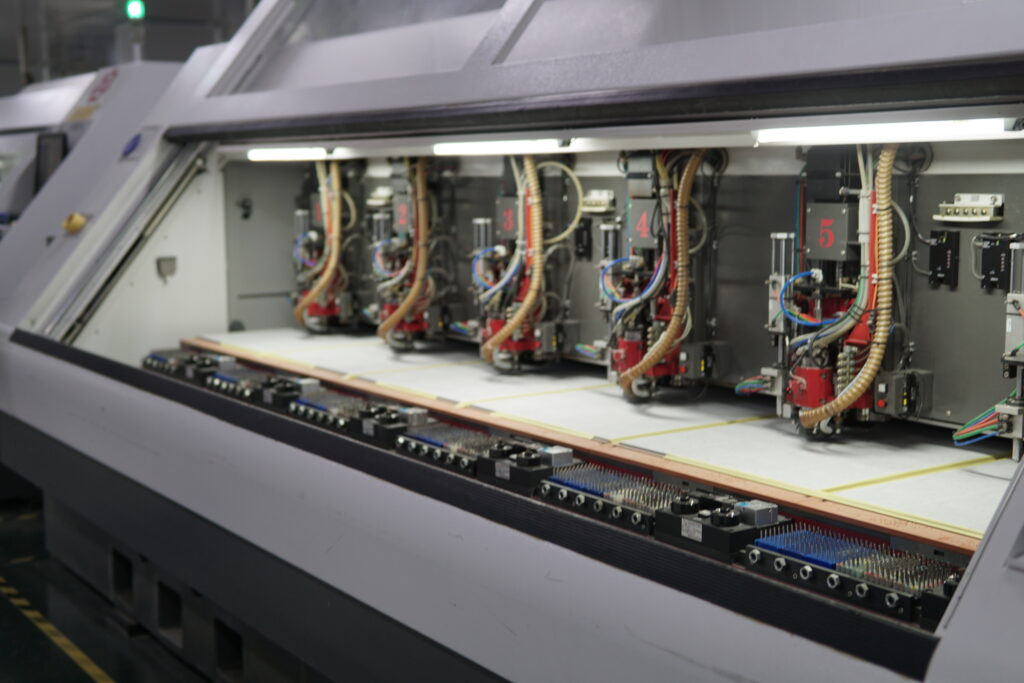
Drilling is a key step in PCBs, mainly used to make holes and mounting holes on circuit boards. We will use high-precision CNC drilling machines to accurately control the location, size, and depth of the drilling according to the design files.

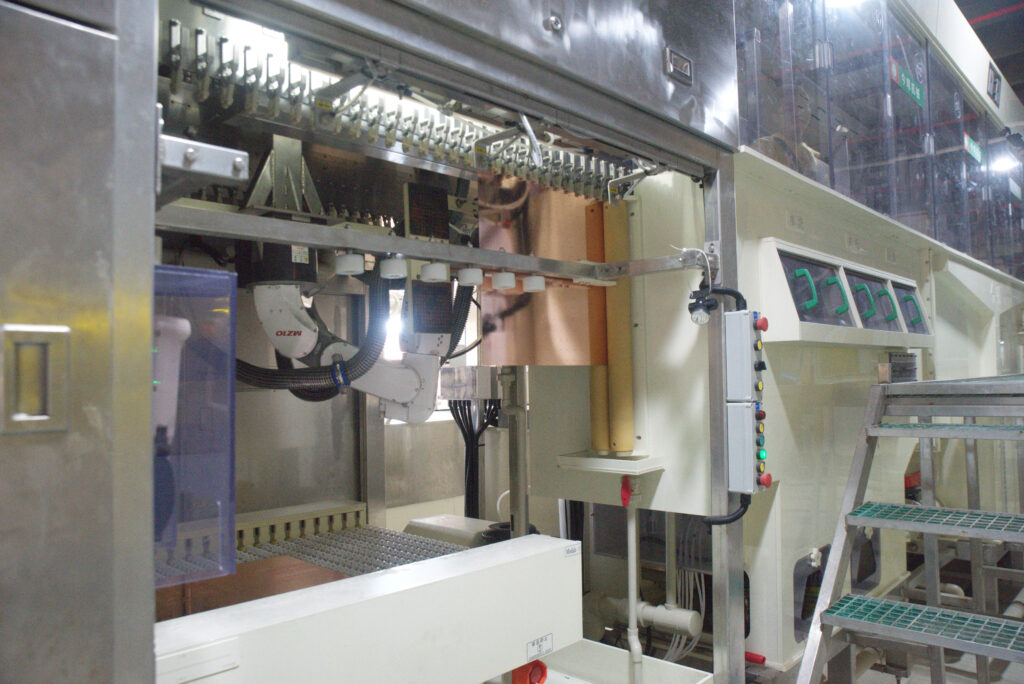
The main purpose is to form a thin copper layer on the hole wall after drilling so that the subsequent electroplating process can deposit thick copper more evenly. Next, the copper layer adhesion of the hole wall is enhanced by micro-etching, and then the PCB is immersed in an activator and catalyst to prepare for the chemical deposition of copper. In the autocatalytic copper deposition stage, copper ions are automatically deposited on the activated hole wall to form a continuous copper layer without an external current.

involves applying a photosensitive resist to the surface of the circuit board, and then accurately transferring the circuit pattern to the circuit board through photolithography exposure and development technology. Next, the unprotected copper layer is removed through an etching process to form the required circuit line.

A solder mask is a layer of insulating material applied to the surface of the PCB. Its main function is to protect the copper line from environmental influences, prevent oxidation and short circuits, and also prevent solder misflow during the welding process. The solder mask is usually green, but it can also be red, blue, white, and other colors, depending on the manufacturer or design requirements.

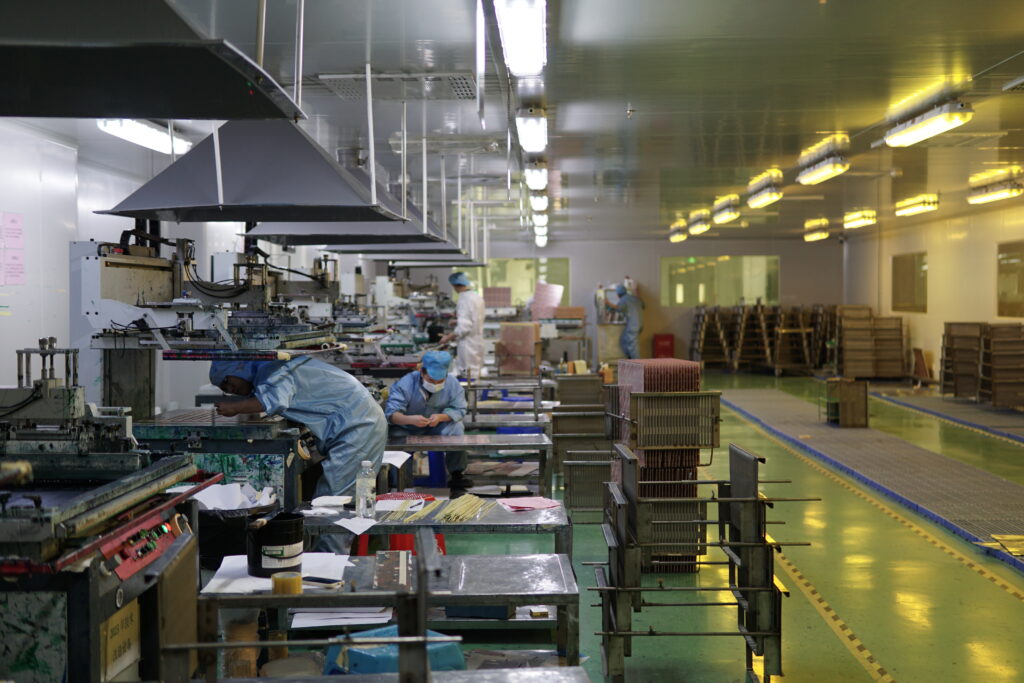
Silk screen printing: mainly printing identification, such as component positioning marks, component numbers, logos, warning signs, etc.

Surface treatment: The main purpose is to protect the copper line from corrosion and oxidation while ensuring good welding performance. We can produce various types of surface treatments, such as HASL (suitable for cost-sensitive applications), ENIG (provides excellent welding performance and reliability, suitable for high-density components), ENEPIG (suitable for high-reliability requirements and aluminum wire bonding), and immersion silver (superior electrical performance, ideal for high-frequency applications).

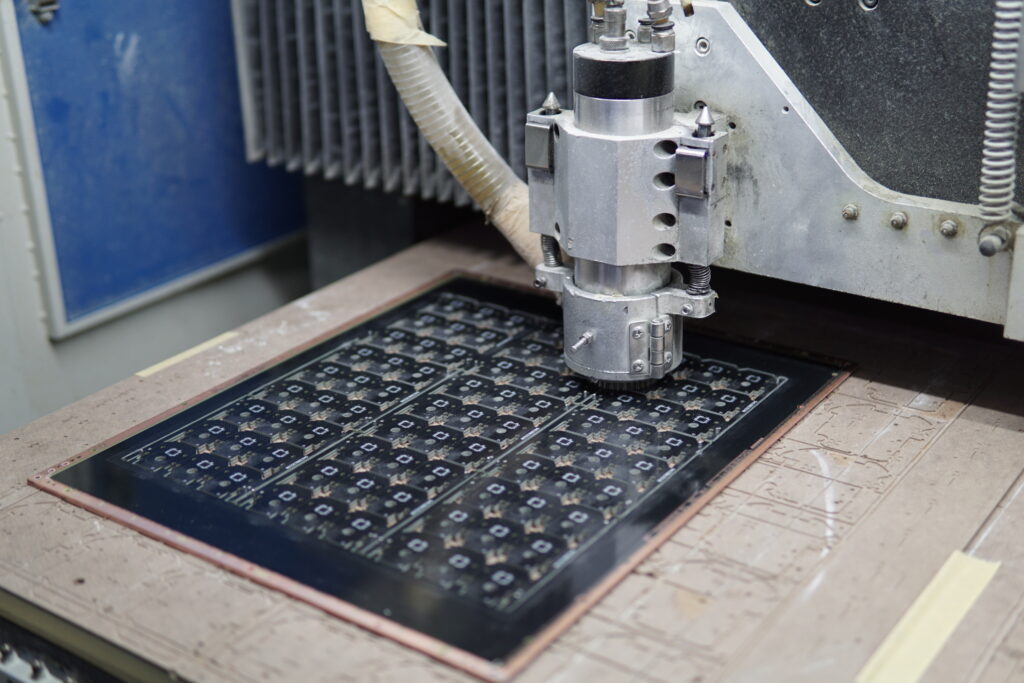
Shearing and depaneling: Cut the circuit board into the size and shape you need, using methods such as mechanical shears, laser cutting, or water jet cutting. The board separation is carried out at the end of the process. It is mainly carried out by V-cutting, punching, or milling to divide the circuit board into unit pcs to ensure the independence and integrity of each board and the convenience of subsequent assembly.

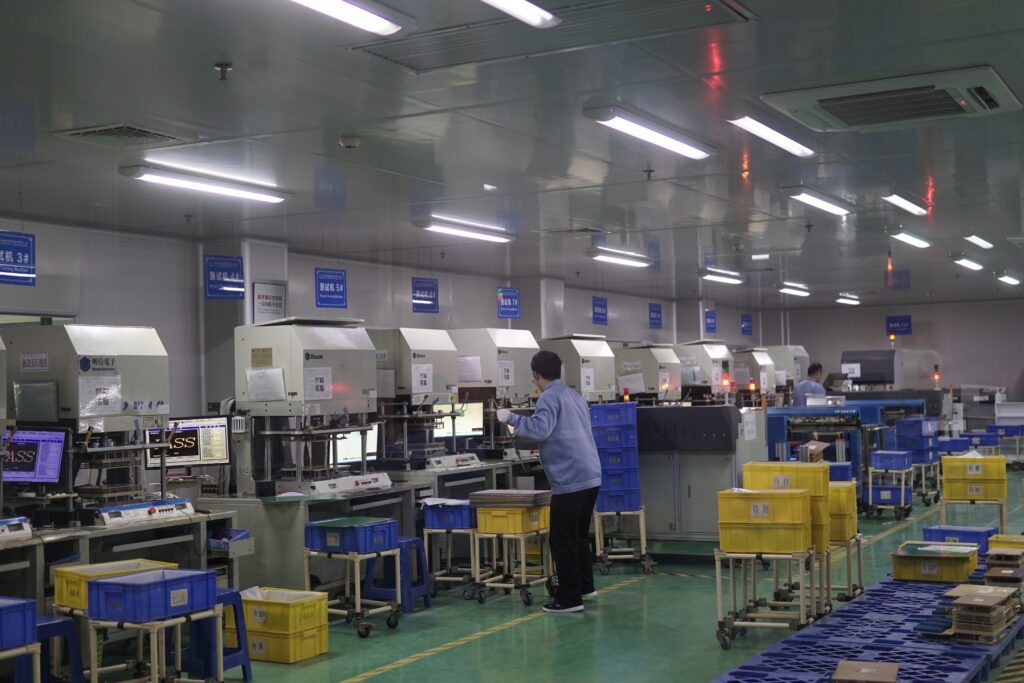
Electronic testing: We will test each PCB. Usually, we will use a flying probe tester or a fixture tester to ensure that each circuit board meets the design specifications in function and there are no short circuits, open circuits, or other electrical faults.

FQC: It is mainly to check the overall appearance, use a caliper, micrometer, or automatic measuring equipment to check the size and hole position accuracy of the PCB to ensure that it meets the design documents.

Before packaging, all PCBs must be thoroughly cleaned and dried. Vacuum packaging is carried out to ensure that the circuit board will not be damp for a certain period of time. All boards will be placed in cardboard boxes and protected with cushioning materials such as foam plastics, bubble film, or other fillers to ensure that they will not be damaged during transportation.

Transportation: We can transport the boards to you through various channels, such as DHL, USP, FedEx, TNT, etc. If you need sea or land transportation, it can also be supported.

Why choose Lingkey to cooperate

PCB manufacturing, fast response

Our rigid flex PCB manufacturing combines best-in-class materials with advanced fabrication and assembly processes to meet the challenges of both traditional rigid PCBs and new market needs for dynamic flex capability.

Comprehensive testing and quality assurance

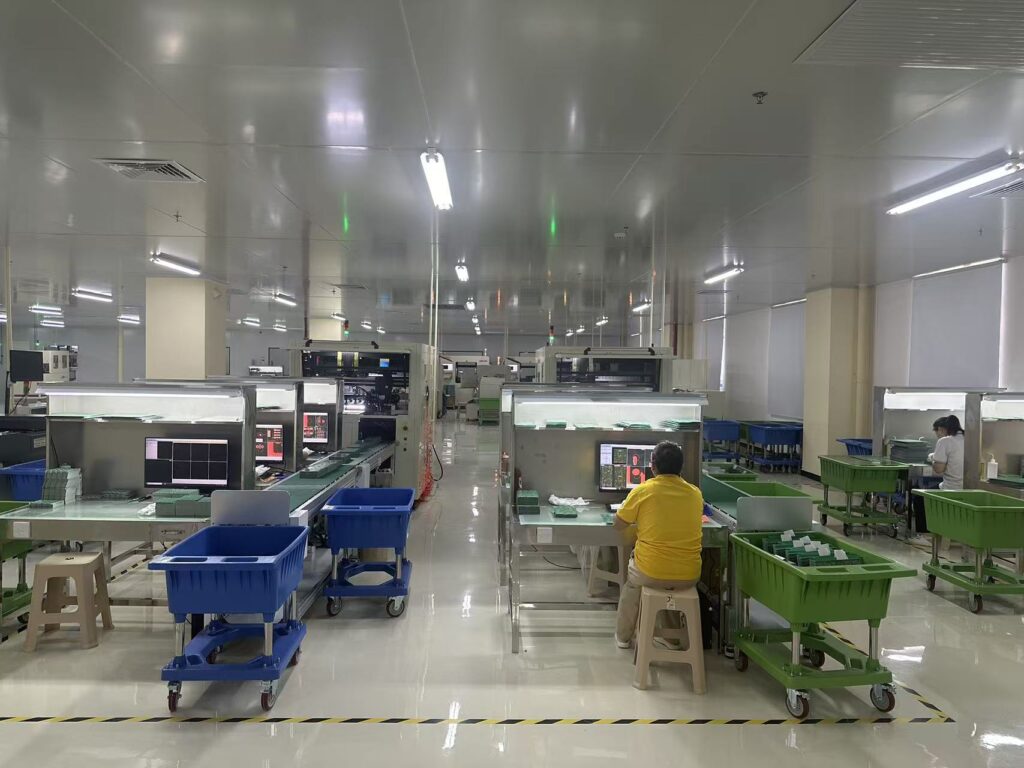
The factory is equipped with testing systems such as flying probe testers, AOI, X-ray, and functional testing, ensuring full-process quality control.

Quality Assurance

We have obtained certifications such as ISO 14001, UL, and ISO 9001, fully meeting the strict quality standards required for medical, automotive, and industrial control applications.

Get your flexible pcb quote now

Order now to enjoy discounted shipping

Scroll to Top

Contact Us