Rigid-Flex PCBs vs Flex: Choose the Right PCB Type
Printed circuit boards (PCBs) today are the backbone of virtually all electronic devices. As technology develops and reliability, miniaturization and flexible design are required, the choice between rigid-flex PCBs and flex PCBs in circuit design is becoming a major consideration. This comprehensive handbook will help you in making the right decisions between rigid-flex and flex circuit solutions to allow you to determine the best type of PCB approach for your application based on reliability, performance and cost of ownership.
Table of Contents
ToggleIntroduction
With the growing miniaturization and complexity of electronics, advanced PCB technology has become more critical than ever. When selecting the best PCB for your application, designers must take into account several key design constraints such as form factor, mechanical ruggedness, signal integrity, and cost. Rigid-flex PCBs and flex PCBs (previously referred to as flex circuits) are the best choice for use in end-products like medical instrumentation, wearables and aerospace platforms – they are the perfect solution for small, high reliability applications.
Overview: Rigid, Flex, and Rigid-flex PCBs
Most electronic assemblies have long been dominated by rigid printed circuit boards (rigid PCBs). But the advent of flex circuit and rigid-flex circuits has revolutionized today’s electronics by enabling flexible design and novel structural solutions.
Flex PCBs are manufactured from flexible materials like polyimide, where as rigid PCBs are made from FR4. Rigid-flex circuits combine the best of both by containing two or more rigid and flexible sections within a single circuit board, enabling unprecedented design freedom and reliability.
Demand for Compact and Reliable PCBs
In medical, automobile and wearable electronics, recent trends in the circuits have been demanding that they become smaller, lighter, and more reliable. Both flexible PCBs and rigid-flex PCBs are thin and light in weight, can be designed into complex geometries, and they can handle high flex cycles, proving to be the best for dynamic applications and compact space.
Modern pcb design rules are based upon minimizing the number of connectors and cables – the traditional rigid pcb’s weak points – and not compromising performance. Dual flexible designs have emerged as the choice in electronic products such as foldable phones, and controls for aeronautics and space applications, where space-saving and mechanical flexibility are the highest priorities.
What Are Rigid PCBs?
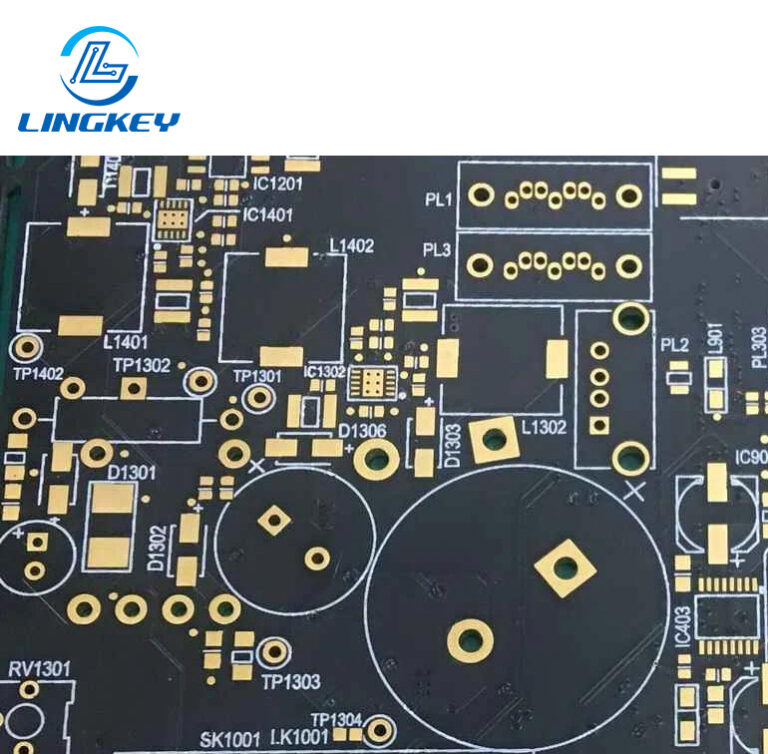
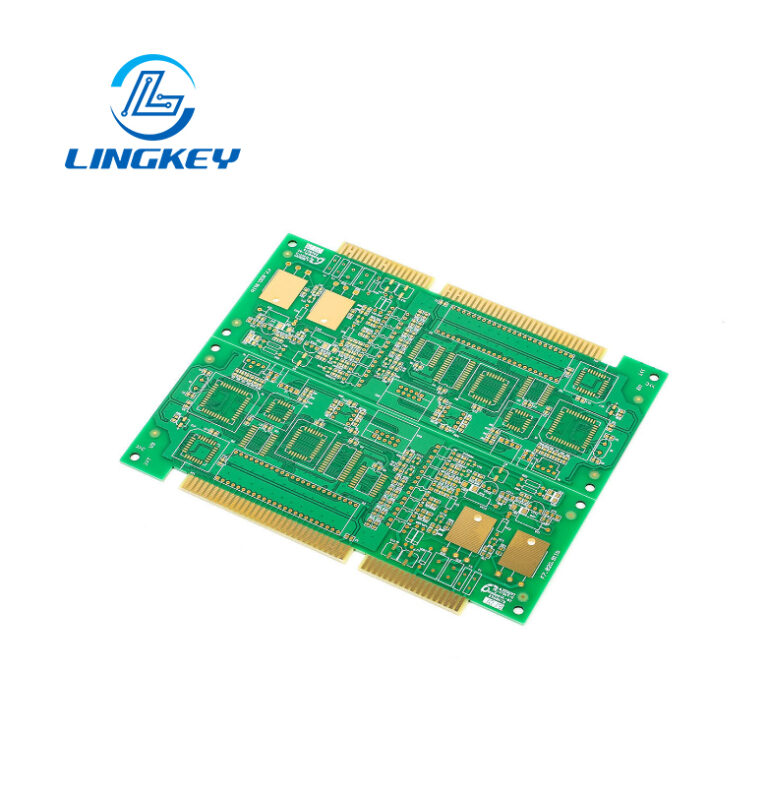
Rigid PCBs are the standard PCBs and are typically single-layer or multi-layer circuit boards, which are stable and cost effective. Since they are made of FR4 material, they are solid and durable.
Advantages:
- Well-suited for static and stable device assemblies.
- PCB design is straightforward with a clear bend radius (none).
- Rigid part provides strong support for large or heavy components.
Disadvantages:
- Cannot bend, twist, or fold.
- Not ideal for compact or dynamic environments.
Rigid PCBs are found in electronics where the circuit is fixed in place, for example in desktops, TVs, and fat product manufacturing such as industrial controllers.
What Are Flex PCBs and Flex Circuits?
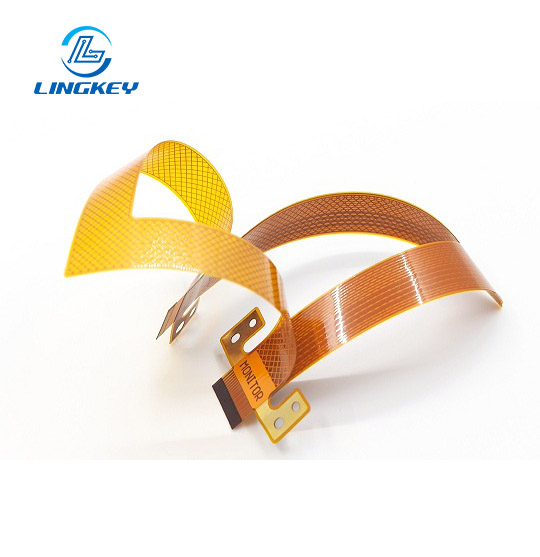
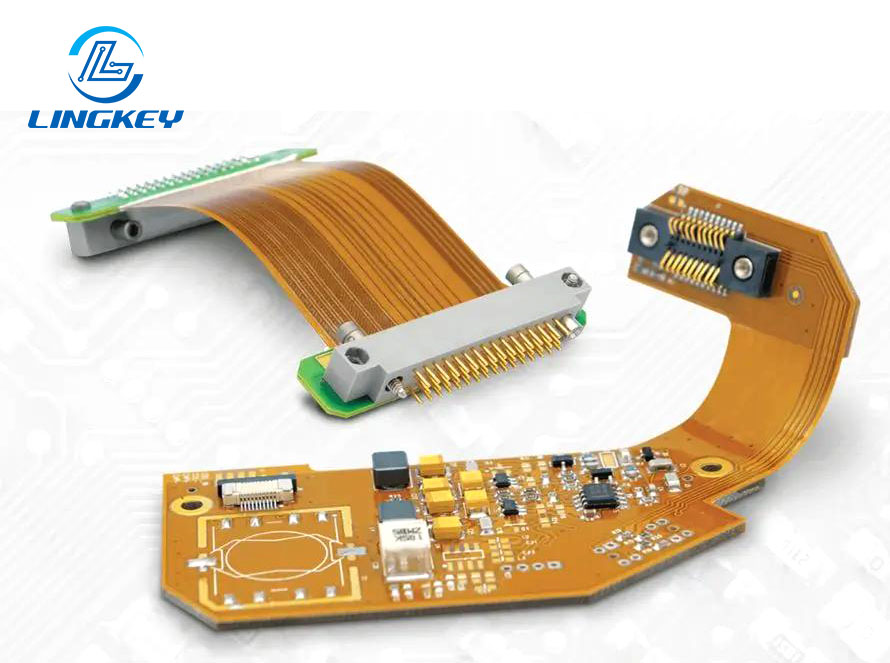
Flex PCBs, also known as flex circuits, flexible PCBs, or flexible circuit boards, are made of flexible materials such as polyimide. The thin copper layers are laminated to a flexible substrate, which allows the board to flex and to fit into non-planar shapes.
Key Benefits:
- Low weight and ultra-thin profile.
- Accommodate small bend radius, allowing for repetitive folding and flex cycles.
- Reduce the need for connectors and cables.
- Enable innovative designs in wearable and portable technology.
Applications:
- Wearable fitness trackers and medical sensors.
- Foldable displays and cameras.
- Automotive touch interfaces and airbag electronics.
PCBs can have stiffener in certain areas to strengthen component mounting. These features make them the perfect fit for applications that require motion or space saving.
What Are Rigid-flex PCBs?
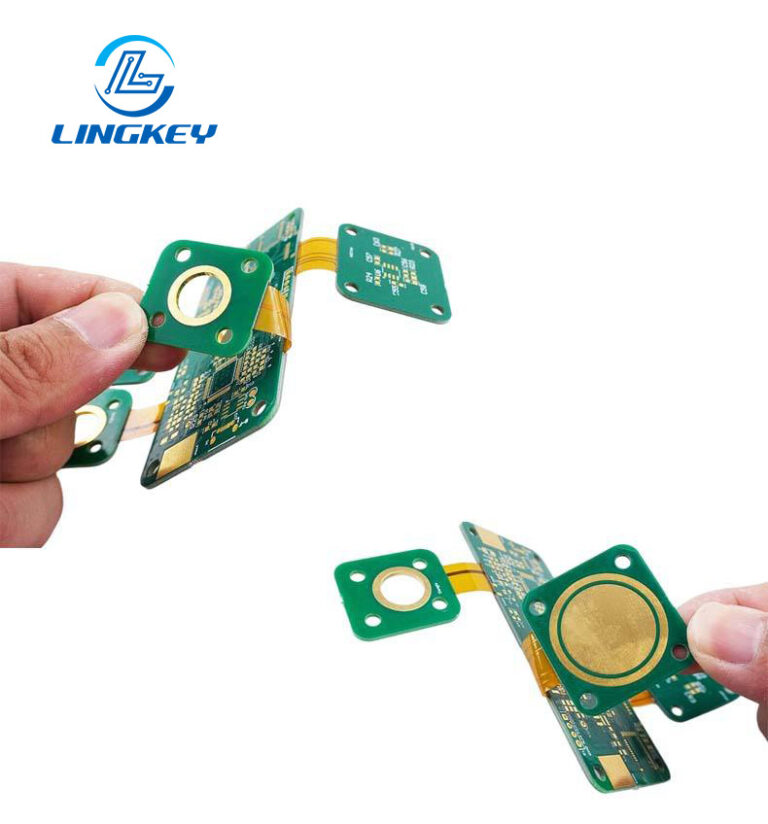
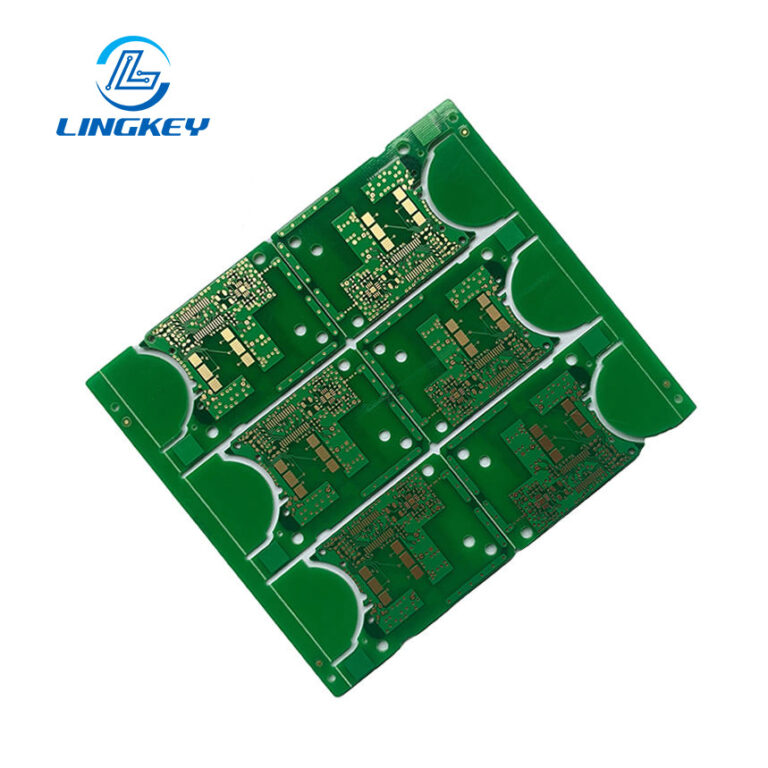
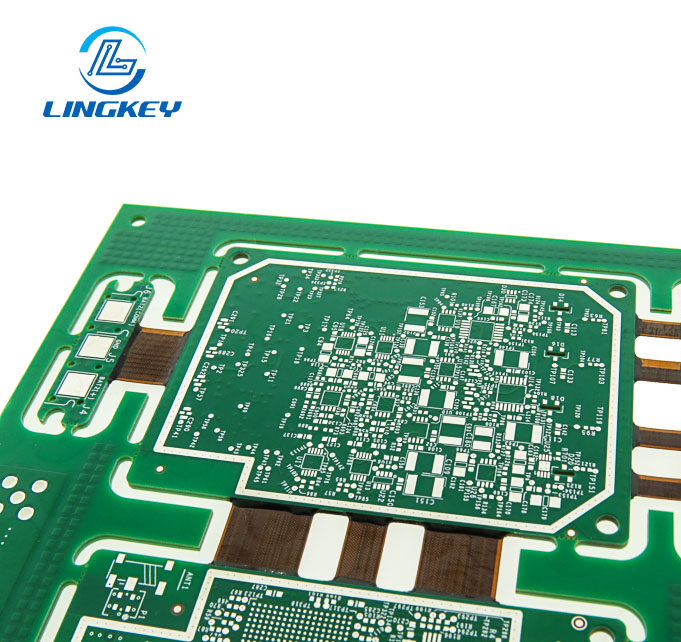
Rigid and flex layers in rigid-flex circuit boards are manufactured in a single multilayer stack. This hybrid configuration enables the rigid section of the substrate to be used for mounting components, while flexible arms connect numerous planes, commonly folding into 3D assemblies. Rigid-flex PCBs are well suited to harsh environments or constrained spaces where dependability and minimal connectors are paramount.
Why Use Rigid-flex?
- Unmatched mechanical stabilityfor repeated movement.
- Space and weight reductionby removing connectors and cables.
- Simplifies product assembly, reducing risk of failure.
- Enhanced signal integritybecause rigid-flex circuit boards offer seamless conductive paths without many connectors.
Rigid-flex PCBs are also widely used in medical implants, military communications, and aircraft equipment, which allows them to be used in small, vital, and high-cost applications.
Manufacturing Process: Rigid-flex PCBs
The production of rigid-flex circuit boards galvanizes traditional rigid and flexible materials, the best of each material’s unique properties are combined to enable high-performance applications.
Steps:
- Circuit design: Engineers specify where flex vs. rigid regions are needed based on device bend radius and space constraints.
- Material layering: Flexible polyimide and rigid FR4 layers are alternately stacked.
- Drilling and plating: Vias are created, spanning both rigid and flexible layers for connectivity.
- Lamination process: Multilayer lamination secures flexible and rigid regions.
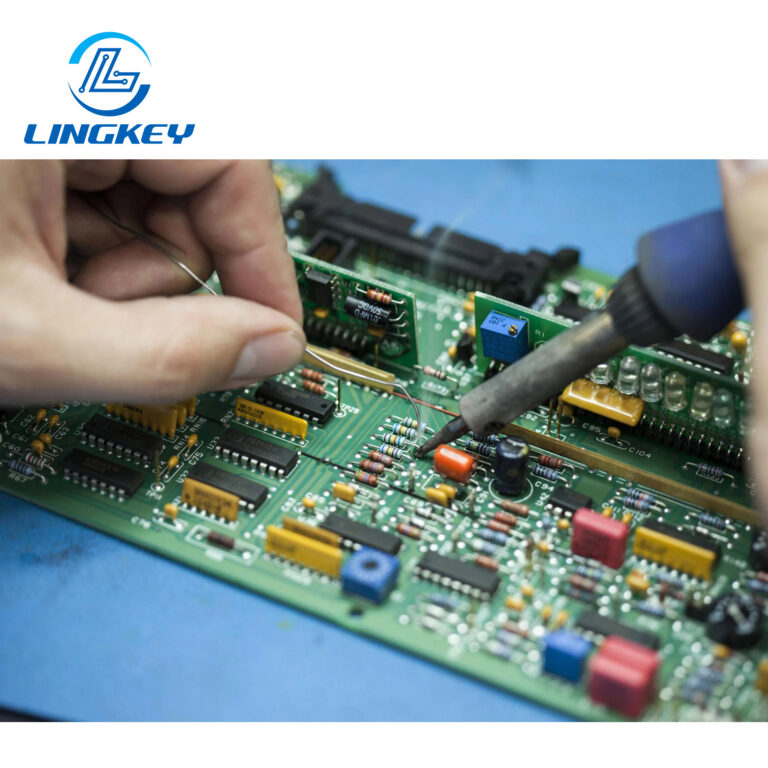
- Component mounting: SMT and THT components placed as needed.
- Quality testing: PCBs are designed to withstand flex cycles and meet tight design rules for aerospace, medical, or defense certification.
In rigid-flex PCB production, consistent quality is only achievable through design engineers working closely with the experienced fabricator. Manufacturers like LingKey cater for rigid-flex designs by providing optimised stack-ups, material transitions and lamination processes that ensure long-term reliability in harse environments.
Capabilities & Performance: Rigid-flex PCBs
Rigid-flex PCBs are ideal for performance-driven designs:
- Allowing custom shapes for tight product form factors.
- Surviving thousands of flex cycles without fatigue.
- Supporting high-frequency signal transmission via continuous paths (no disruptive connectors).
- Blocking electro-magnetic interference better than cable-heavy setups.
- Ensuring high reliability, even where vibration or bending occurs.
Comparison Table: Rigid, Flex, and Rigid-flex PCBs
Key Feature | Rigid PCBs | Flex PCBs (Flex Circuits) | Rigid-flex PCBs |
Material | FR4 | Polyimide, flexible | FR4 & Polyimide mix |
Flexibility | None | High | Selective by design |
Weight | Higher | Low | Lower |
Connectors and Cables | Required | Reduced | Minimized |
Space Efficiency | Limited | Excellent | Outstanding |
Signal Integrity | Good | Good | Excellent |
Flex Cycles | Not supported | >500,000 | >200,000 (in flex regions) |
Typical Applications | Stationary | Wearables, cameras | Aerospace, medical, defense |
Cost (Prototype) | Low | Moderately low | Higher |
Assembly Complexity | Low | Medium | Low (eliminates many manual steps) |
Advantages and Challenges
Advantages
- Rigid-flex circuitsoffer high reliability, compact design, and fewer assembly errors.
- Preferred where design considerations demand complex 3D routing.
- Rigid-flex circuit boardreduces parts count and improves durability—no more problematic connectors and cables.
- Improves signal integrity through continuous conductive paths.
- PCBs are lightweightand suitable for modern wearable and portable electronics.
- Simplifies product testing and assembly.
Challenges
- PCBs can be more expensivein small volumes due to a complex manufacturing process.
- Design rules for rigid-flex PCB design are more intricate than for traditional rigid PCBs.
- Longer lead times for prototyping.
- Design parameterssuch as bend radius must be calculated precisely to prevent damage during use.
Design Considerations for Rigid-Flex and Flexible PCBs
In the design of advanced instruments, several design factors peculiar to rigid-flex and flex circuit technology must be considered carefully. Unlike conventional rigid boards, designers need to consider:
- Minimum Bend Radius:The radius is the minimum bend radius that the flexure section can be subjected to without the possibility of fracture or separation. Adhering to the bend radius design rules is critical; the bend radius should be greater than or equal to 6-10 times the thickness of the flexible material for single bend cycles, and even larger for applications of recurrent movement.
- Material Choice:Rigid-flex PCBs are a combination of FR4 (rigid portions) and flexible substances such as polyimide (flex portions). Each substance has an impact on mechanical stability, temperature resistance, and flexibility.
- Layer Stack-up:The layout of rigid and flexible sections in a circuit must be considered in relation to circuit design and assembly. For example, the runs between two rigid sections pass through flex areas with gradual transitions.
- Component Placement:Only the rigid part should host heavy or dense components to avoid stress in flex sections.
- Design Rules Compliance:Rigid-flex PCB layouts are subject to stricter guidelines from IPC and PCB manufacturers, including trace width, spacing, via design, and even the type of adhesives employed.
- Flex Cycles and Fatigue:For applications such as laptops or folding displays, high flex cycles are necessary; the rigid-flex circuit should be designed to consider the amount of flexing it will endure during the product life.
By understanding rigid-flex and flexible circuit design rules, engineers ensure long-term performance and manufacturability.

Cost Benefits and Design Considerations
Cost Factors
Combining flex and rigid portions in a single rigid-flex PCB may be more costly initially compared to using conventional rigid PCBs or discrete flex circuits. But the total cost is usually less for the life of the device:
- Lower Assembly Costs:Removing connectors and cables means fewer parts and labor costs, simplifying the assembly and reducing the chance of human error.
- Reduced Testing and Maintenance:The integrated design also facilitates automated testing and the PCBs are less subject to errors induced by loose cable connections.
- Longer Lifespan:Rigid-flex PCBs endure more flex cycles and extreme environments, resulting in less repair or replacement.
When the Investment Pays Off
Rigid-flex PCBs are perfectly suited for small enclosures and applications that can benefit from the space savings and higher reliability even if the cost is higher in the beginning. In applications such as aerospace, medical devices, or premium wearable, the long-term savings and reliability are substantial.
Figuring Out the Cost Benefits for a Specific Application: Think about your volume (high runs will receive more benefit from cost savings), expected product life (longer-lived products will receive more benefit), and the value of eliminating assembly steps in your operation.
Applications Across Industries
Rigid-flex and flexible PCBs are ideal for compact, high-reliability, and innovative products:
- Medical Devices:Hearing aids, pacemakers, diagnostic Rigid-flex PCBs reduce the potential of failure and save space within complex enclosures.
- Wearable Electronics:Flex circuits are used in fitness trackers and smartwatches due to their comfort, lightweight, and durability.
- Aerospace Industry:Rigid-flex PCBs are used in avionics, satellites and drones for their toughness and space-saving properties; the rigid-flex PCBs can be vibrated and exposed to thermal extremes.
- Consumer Electronics:Cameras, smartphones and foldable devices are enabled by flexible PCBs and rigid-flex circuits to provide new form factors and strong performance.
- Automotive Systems:Flex and rigid-flex PCBs are widely employed in airbag modules, ADAS cameras, and infotainment systems due to vibration resistance, high reliability, and the ability to achieve smaller form factors.
How to Choose the Right PCB
Selecting the right PCB type for your application involves evaluating both technical needs and practical considerations:
- Complexity of Design:Does your device need to include rigid and flexible components? If yes, then rigid-flex is the best
- Bend Requirements:Flexible PCBs are recommended for use in applications that involve constant motion or small bend radii. Rigid-flex circuits are superior when certain portions must remain stationary and others must flex.
- Space and Weight Constraints:Rigid-flex PCBs are generally lighter and take up less space compared to traditional rigid PCBs with connectors and cables.
- Application Environment:If your device operates in harsh or high-vibration environments, rigid-flex PCBs are less prone to failure.
- Budget:Although rigid-flex designs might be pricier in the beginning, the high reduction in assembly, error, and maintenance costs usually compensates for the cost in mission-critical applications.
Employ rigid-flex in high-reliability, space-limited, or challenging-environment applications. Flexible PCBs are most suitable for applications that require dynamic flexing but not rigid support. Conventional rigid boards still reign supreme when it’s all about price and physical flexibility is not required.
At this point, consultation with an experienced PCB manufacturer can early and reduce design risk. Companies such as LingKey offer engineering input on rigid-flex practicality, bend reliability and cost trade-offs to guide designers to the best option in terms of PCB architecture from the beginning.

FAQs: Understanding Rigid-flex vs. Flex Circuits
What makes rigid-flex PCB design different from traditional rigid circuit boards?
Can flexible PCBs be used in place of rigid-flex circuit board designs?
How do you determine the correct bend radius?
Are rigid-flex printed circuit boards always more expensive?
Which PCB type is best for wearable electronics?
Conclusion and Summary
Knowledge of rigid-flex, flexible, and normal rigid PCBs is very important in the modern electronics industry.Each has its own benefits and obstacles:
- Rigid printed circuit boardsare cost-effective for static assemblies but lack design flexibility.
- Flexible PCBsenable new product shapes and repeated bending, making them ideal for dynamic applications.
- Rigid-flex circuit boards offerthe highest reliability, greatest space efficiency, and are suitable for harsh or compact environments.
To select the right PCB, consider your circuit design, space limitations, durability, number of flex cycles, and budget. Rigid flex PCBs are perfect for high end, high power electronics such as those found in aerospace and military applications, providing simplified assembly and ultimate long term reliability in coutemporary electronic systems.
For the intricate, space-optimized, and high-reliability applications, it is crucial to have a rigid-flex PCB partner with demonstrated manufacturing capabilities. From flex, rigid-flex to high layer count rigid multilayer PCBs, LingKey helps engineers turn complex designs into dependable, production-ready hardware.