Solder and PCB: Best Temperature for Soldering PCB
Table of Contents
ToggleIntroduction
In the multifaceted realm of PCB assembly, the importance of soldering temperature is paramount. Whether you are dealing with surface-mount parts or classic through-hole assemblies, finding the right temperature for your solder and good temperature management protects not only your process but also the performance and reliability of every product that rolls off your line. In this guide you will learn what temperature for soldering pcb is best, how to regulate and optimize the temperature when soldering and why having distinct temperature profiles for your process is the key of successful soldering.
In the actual production, LingKey PCBA assembly service provider always focus on early stage control of soldering temperature profiles to achieve an optimum balance between assembly yield, component safety, and the long-term reliability of the product.
What Is Soldering Temperature in PCB Assembly?
The soldering temperature in PCB assembly is the level of controlled heat that is applied in order to melt the solder and produce good joints between the electronic components and the circuit board. A minimum amount of heat needs to be supplied to achieve a reliable physical and electrical bond; too little heat will have the effect that the solder paste is not able to adequately flow, wet the surfaces and solidify in a good connection.
The soldering temperature depends on the material of the board, type of solder alloy, and size and sensitivity of thepcb and components. For instance, the melting point of a popular leaded solder Sn63/Pb37is around 183 °C whereas SAC305 (lead free solder) melts at 217 °C. But to be able to force a good solder joint you usually have to heat that joint up to a temperature higher than the melting point otherwise you don’t get strong solder joints and you can get cold solder joints.
Why Soldering Temperature Control Matters in PCB Assembly
The importance of soldering temperature control cannot be overemphasized:
- Good solderingmeans forming strong, long-lasting and electrically sound joints.
- Controlling temperatureduring soldering prevents excess thermal stress, minimizes the risk of burn components, and ensures the integrity of delicate components.
- The right soldering iron temperatureimproves production consistency by guaranteeing reliable joints and preventing variance across batches.
- Temperature changesacross the PCB, if not controlled, can cause excessive soldering in some areas and cold joints in others, directly leading to defects and circuit failures.
- When the temperature for soldering PCBis too high, you risk oxidation, delamination, and damaging the PCB and components.
In short,what temperature to solder at is important since the correct soldering temperature is a key factor for defect prevention as well as for long term reliability.
Soldering Temperature Ranges in PCB Assembly
General Temperature Ranges by Method & Material
Choosing the right temperature is important to get for your soldering job. Various methods and types of PCB materials have to be tailored with specific temperature profiles as follows this practical table:
Soldering Method | Typical Temperature Range | Notes |
SMT (Reflow Soldering) | 220°C – 250°C (lead-free) | Profile: preheat, soak, reflow |
Through-Hole Soldering | 250°C – 300°C | Often wave soldering |
Copper Foil Soldering | 280°C – 330°C | Heavy copper/industrial PCBs |
Manual Soldering | 240°C – 280°C | Adjust for comp/board size |
Manual (large comps) | 350°C – 370°C | Larger leads or thick boards |
Leaded vs Lead-Free Solder Temperatures
Solder Alloy | Melting Point | Typical Working Range | Notes |
Sn63/Pb37 | 183°C | 215°C – 250°C | Easier flow, not RoHS compliant |
SAC305 | 217°C | 240°C – 260°C | RoHS compliant, needs careful control |
Temperature Profiles for Common Soldering Methods
For reflow soldering, a controlled temperature profile includes:
- Preheat:100–150°C to minimize thermal shock.
- Soak:150–180°C for even heating and flux activation.
- Reflow:240–250°C (lead-free), the peak temperature to melt the solder and make the bond.
- Cooling Stages:Controlled descent prevents cracks and ensures joints stay strong as the board cools.
Stage | Temp. Range (Lead-Free) | Duration (secs) |
Preheat | 100°C–150°C | 60–120 |
Soak | 150°C–180°C | 60–120 |
Reflow | 240°C–250°C | 20–60 |
Cooling | Down from 250°C | 60–120 |
Stages of the PCB Soldering Process
No matter the method, successful soldering goes through the following stages:
- Preheating:Protects against thermal shock and aids flux activity.
- Soaking:Ensures even temperature for all parts, especially vital in machine soldering with high-density, surface-mount devices.
- Reflow/Soldering:Time at peak temperature when solder paste turns to molten solder and bonds surfaces.
- Cooling:Proper, unaffected cooling delivers good soldering and prevents cracks from temperature changes.
The control of soldering temperature during each of these stages ensures strong, defect-free joints.
Factors Influencing Soldering Temperature Selection
Key Elements in Selecting the Appropriate Soldering Temperature
- Solder Alloy Type:Each alloy, whether lead-based or lead-free solder, has a unique melting threshold. Always check your solder paste or wire label!
- Board Material:The thermal characteristics (CTE, thickness, copper weight) greatly affect the temperature to make a good joint.
- Component Type and Sensitivity:Some delicate components or SMD capacitors may burn at high soldering, requiring precise control.
- Soldering Method:Manual soldering by hand, machine soldering in reflow ovens, and wave baths need different process controls.
- Production Scale:High-volume lines demand automated good temperature control across the PCB.
- Environmental Conditions:Humidity, ambient temperature, and air flow affect the temperature for your solder and may require process tweaks.

Soldering Temperature Control Methods and Best Practices
Tools and Equipment
Reliable assembly starts with the right tools:
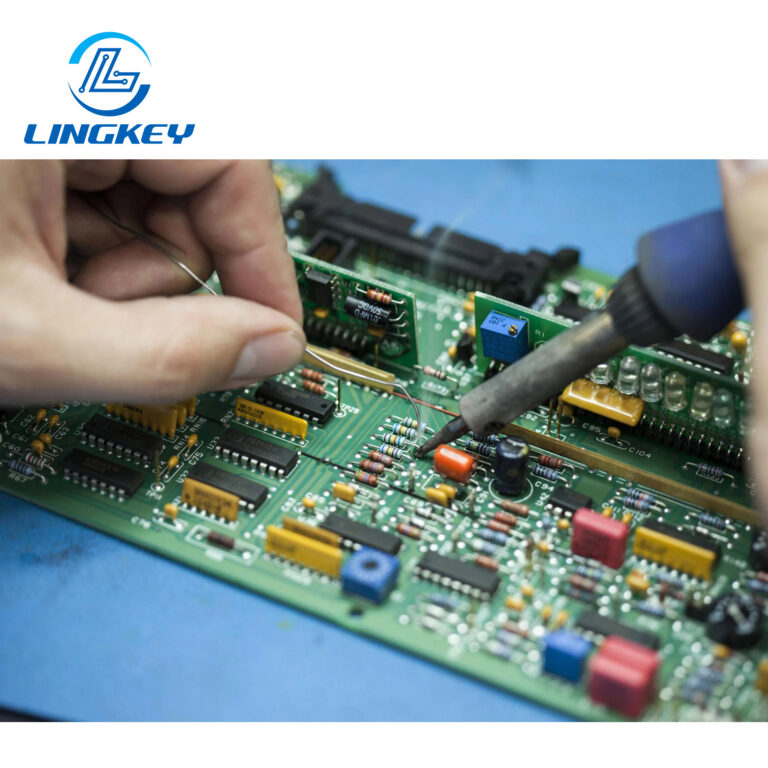
- Temperature-controlled soldering ironsto ensure the right soldering iron temperature during manual soldering.
- Reflow oven with programmable reflow solder temperature profiles indispensable for automated production.
- Wave soldering machinesthat maintain consistent wave and preheat parameters, suitable for high-volume through-hole and mixed-technology boards.
- Thermal profilersand thermocouples to measure surface and internal temperatures across the PCB, making sure the specific temperature set is maintained even as board material or component density changes.
Process Monitoring and Optimization
It is necessary to monitor each stage of the production process to have good temperature control. Regularly calibrate your equipment and monitor temperature variations in each production run:
- Utilize thermal profilingto record temperature points and optimize soldering profiles.
- Regular checks for soldering equipment help avoid excessive solderingtemperatures that can burn components or cause delamination.
- For manual soldering, always use a digital or analog thermometer on the tip, especially when changing iron tips or after periods of continuous use.
In the commercial production of PCBs, and at LingKey as well, thermal profiling is standard practice whenever board designs, materials, or component layouts are modified.
PCB Design Considerations & Manufacturer Guidelines
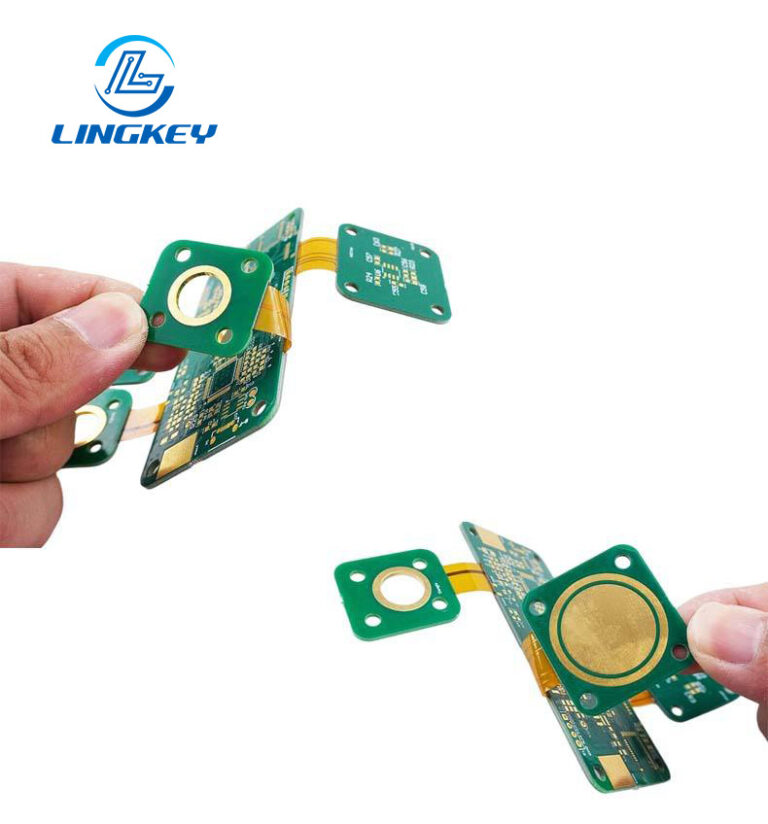
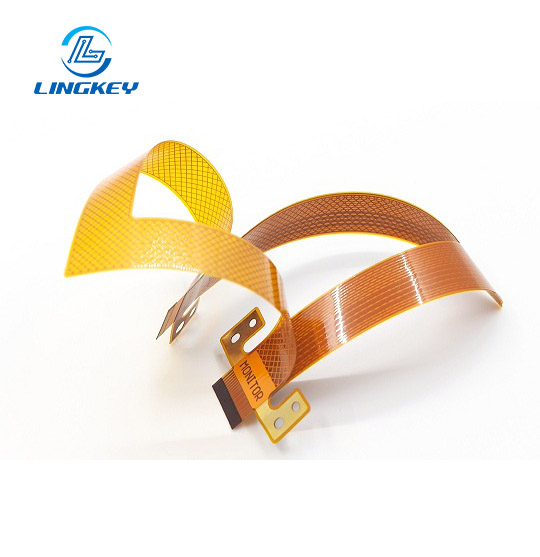
- When choosing a PCB, choose a board material with thermal properties that are compatible with your anticipated soldering requirements. For instance, while FR-4 is conventional, CEM or flex materials need special consideration when it comes to temperature for soldering PCB.
- Design thermal relief spacing for sensitive areas of the board, and use uniform copper distribution to prevent hot or cold zones on the PCB.
- Observe the component manufacturer guidelines for maximum allowable temperatures, especially for surface-mount and sensitive components.
- Consult IPC Standards (IPC J-STD-001)to ensure best practices in the control and optimize soldering temperature
Practical Best Practices
- Preheat both the PCB and componentsbefore soldering to avoid thermal shock.
- Use the shortest time at the peak temperature to reduce the thermal stress but ensure it is long enough to allow the solder to adequately flow and result in solid solder joints.
- Select the appropriate solder paste for your application — it has always been confirmed for its recommended working range and for use with either leaded or lead-free processes.
- Remember to adjust your reflow and wave oven profiles based on periodic thermal profiling, if applicable, particularly when soldering environment temperatures fluctuate or if a new board material is being used.
Consequences of Poor Soldering Temperature Control
Not controlling the soldering temperature can result in expensive failures both on the spot and in the field. The following table is a resumen of common defects cause and effect:
Issue/Defect | Cause | Impact |
Cold Solder Joints | Temp too low, insufficient heating, or dirty surface | Unreliable connections, intermittent failures |
Component Cracking | High soldering with rapid temperature ramp or excessive dwell | Functional failure, open circuits |
Delamination | Temperature is too high or thermal shock | Layers separate, total board failure |
Oxidation | Excessive & prolonged high temps, poor flux | Poor wetting, unreliable joints |
Solder Bridging | Overheating, excessive solder, poor design | Shorts between pads/components |
Burn Components | Overexposure to peak temp, direct iron contact | Immediate component damage |
Circuit Failures | Poor soldering overall | Recall risk, end-user dissatisfaction |

Troubleshooting Common Soldering Temperature Problems
Practical Troubleshooting Checklist
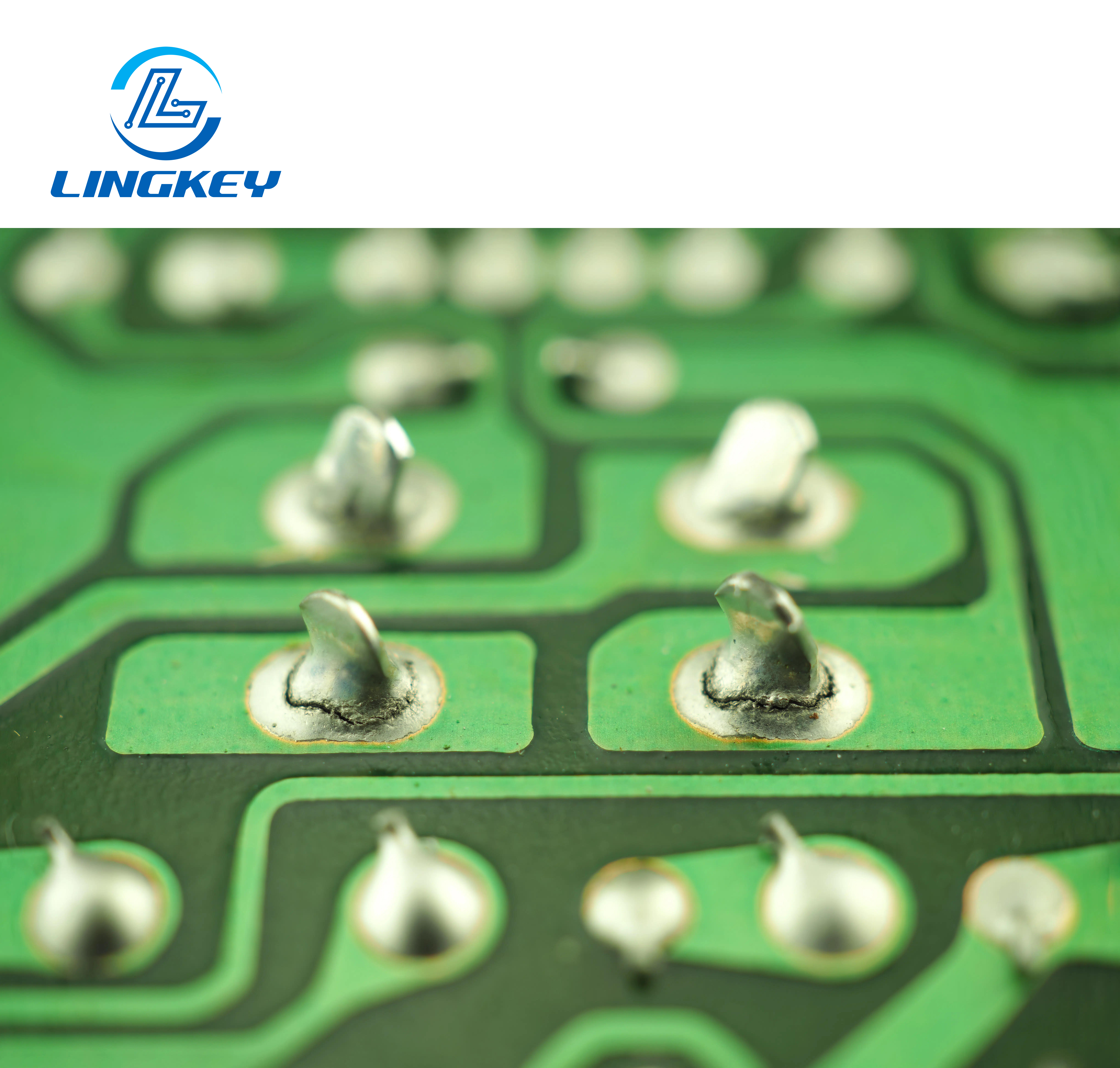
- If you notice dull or grainy looking joints, see if the PCB soldering temperature was too low or if the board was contaminated – clean and raise temp gradually.
- If pads are lifted or board is damaged assume overheating, an extended dwell time, or slow cooling. Reassess your thermal profile and make sure you’re not spending too long at the peak temperature.
- If solder bridges occur, check if the solder paste volume is too high and the board cooling step too slow. Adjust the volume accordingly and use ladders or stencil to apply paste.
- Molten solder not flowing? Your soldering could just need more heat, or the wrong paste was selected for your assembly.
Frequently Asked Questions about Soldering Temperature in PCB Assembly
What temperature for soldering is best for my project?
How do I control and optimize soldering temperature across the PCB?
Can I use the same temperature for all soldering jobs?
What if my temperature is too high?
What are signs of improper soldering temperature?
Industry Standards & Guidelines for PCB Soldering Temperature
- IPC J-STD-001: It establishes the process and defines the criteria for acceptance of temperature and quality of soldering.
- RoHS Compliance: Needs lead-free soldering and occasionally higher temperatures, so double-check your configurations.
- Thermal profiling documentation: Necessary for auditing and process enhancement, particularly in high-reliability or regulated industries.
Related Tools & Products for Accurate Soldering Temperature Control
- Digital soldering stationswith accurate temperature feedback (e.g. Metcal, Hakko).
- Programmable reflow ovensfor SMD and high-density boards, ensuring precise profiles.
- Thermal profilersfor ongoing monitoring and optimization.
- Certified leaded or lead-free solder paste compatible with your chosen manufacturing process.
Conclusion

In electronics, a certain temperature isn’t merely a technical point—it’s the center point in manufacturing. Soldering temperature for PCB assembly is the key to good soldering, good reliability, and process consistency. The right temperature, monitored and controlled throughout the process from preheat to cool down, allows you to make robust solder joints with a minimum of circuit failures and expensive rework.
With the backing of seasoned PCB assembly partners like LingKey, tightly regulated soldering temperature profiles enable the design intent to be realized into robust, repeatable production outcomes.