What is a Backplane PCB? Comprehensive Guide
Table of Contents
ToggleIntroduction
Nowadays, if you want to build a solid and scalable system, designing a backplane PCB is a must in electronics. From high-performance data center backplanes, server backplanes in high-end communication systems, to automotive electronics that keep your vehicle safely connected, the backplane PCB plays a critical role. In this article, you will gain an insight on what is a backplane PCB, why backplane PCBs finds importance in lot of sectors and how does its distinctive design influences the reliability of the system.
What is a Backplane PCB?
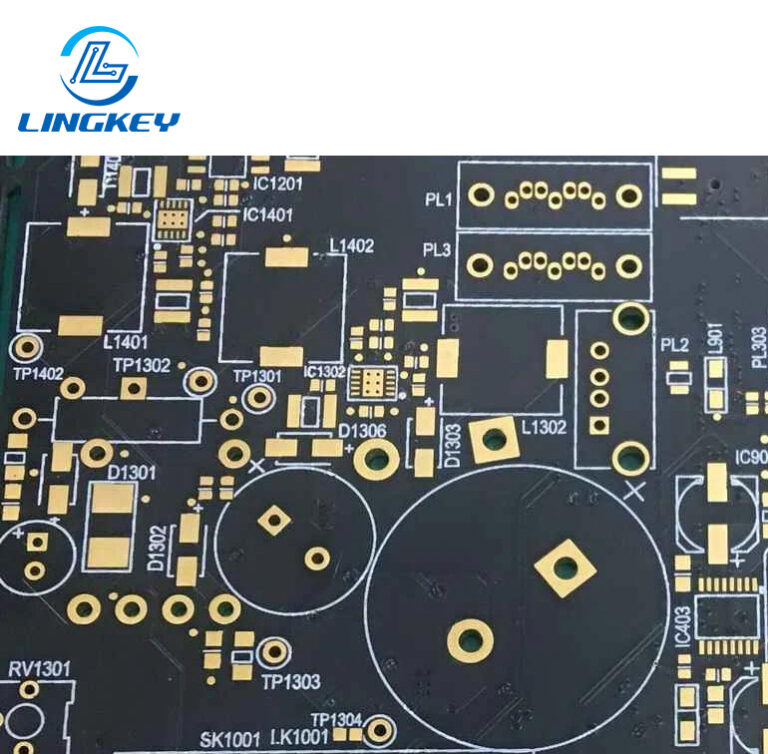
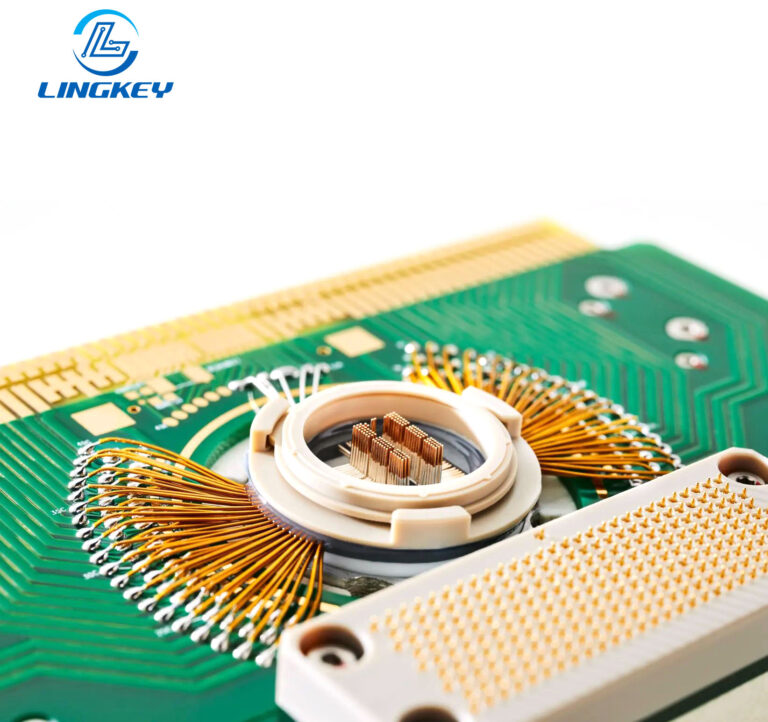
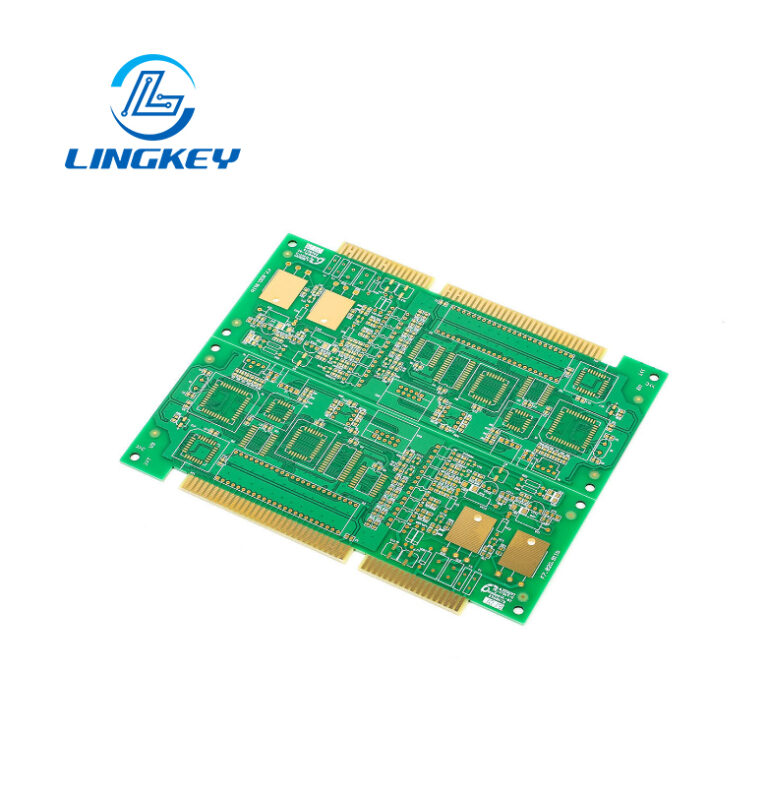
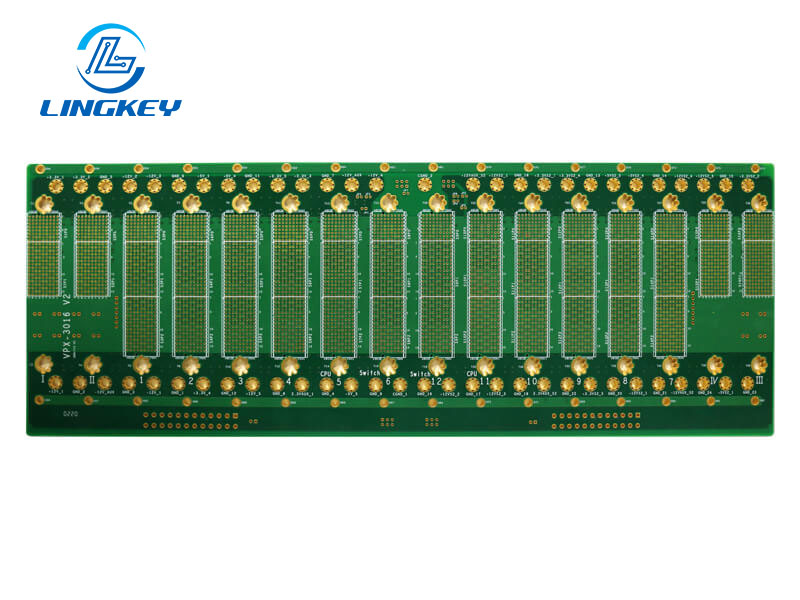
Backplane PCB is a kind of PCB which serves as main circuit for connecting multiple boards or modules in a computer system or other electronic system. In essence, backplane PCBs deliver the electrical connections along with a physical holder to various cards, modules, or sub-systems allowing them to communicate efficiently, perform high-speed data transfers, and share power in an organized fashion throughout the device.
Unlike a typical PCB, a backplane PCB acts as a backbone, it deals with signals and power in addition to modular expansion by utilizing a variety of connectors and slots. The wide usage of backplane PCBs in server racks, switch backplanes set up, automotive applications, and complex telecom system highlight their importance and necessity for dependable system design.
Structure and Key Components of Backplane PCBs
The Structure of a Backplane PCB
Knowledge of backplane pcb solid structure is essential when starting the discussion on pcb design or backplane pcb production. Normally a high quality backplane consists of several layers, designed specifically to handle signals and power. These include:
- Signal Layers:Optimized for minimal interference and crosstalk, essential for maintaining signal integrity in high-speed applications.
- Power Planes:Dedicated copper layers ensure efficient power delivery to all modules, a critical aspect in high-performance systems requiring robust power management.
- Ground Layers:These enhance EMI shielding and reduce noise, boosting reliability.
It is this unique layering configuration that provides backplane PCBs with the physical and electrical properties required in high-performance electronics applications.
Key Components
The parts of a backplane PCB are bigger than regular connectors. Some of the major elements of a backplane are:
- Connectors, Slots, and Sockets:To connect CPUs, daughter cards, memory modules, and input/output cards providing ease of upgrade and repair.
- Data and Power Traces:Precision-engineered for high integrity and minimal loss even across dense layouts.
- Thermal Management Features:such as heat sinks and thermal vias—important because high-speed backplane designs tend to dissipate a lot of power.
- Active Components:Commonly found in modern backplanes for buffering, switching or managing data flow, particularly in active backplane designs.

Common Backplane Connectors
Backplane PCBs support various industry-standard and custom connectors. Some examples include:
- PCIe:For high-speed data transfer in PC and server backplanes.
- SATA:Common in data storage and automotive electronics.
- RJ45 and Custom Interfaces:For networking and communication systems.
These connectors are strategically placed during the backplane PCB design phase to provide the best performance and system flexibility.
Types of Backplane PCBs
Understanding the types of backplane PCBs is crucial for matching system requirements to architectural capabilities.
- Passive Backplane:A passive backplane has no active components e.g. chips or logic devices. What it does for the system is give it a physical and electrical path—perfect for when all you need is straightforward simplicity and rock-solid dependability, like in industrial controls or ruggedized electronics.
- Active Backplane:Active Backplane An active backplane contains active components that help in directing, switching or modifying the signals, unlike a passive backplane. This type of design is typical of server backplanes, switch backplanes and other high-speed, high-complexity communication systems.
- Hybrid and Midplane Configurations:These are combined to provide maximum performance and flexibility on all platforms.
- Custom Designs:Backplane pcbs are found in a myriad of custom form factors tailored for application areas including military, automotive electronics and focused computing.
Key Features and Main Functions of Backplane PCBs
The distinctive features and functions define what makes a high-performance backplane central to electronics, computer systems, and communication systems.
Main Functions
- Communication and Data Transfer:Facilitates seamless, high-speed exchange between boards or modules.
- Power Distribution:Efficient, isolated, and stable power delivery across all connected components.
- Physical Support:The backplane PCB provides mechanical stability for the total system assembly.
- Thermal and Power Management:Manages heat and load balancing in dense, power-hungry systems.
Features
- Scalability:Easily add or change parts of the system without extensive rewiring or redesign.
- Signal Integrity and Power Distribution:Designed to minimize signal distortion, crosstalk, and electromagnetic interference.
- Modularity:Backplanes make upgrades and repairs straightforward.
- Space Saving:Highly condensed design reduces wiring and improves serviceability.
- Reliability and Performance:Physical and electrical layout considerations are critical to system reliability, as well as to overall backplane performance.
Applications of Backplane PCBs
Backplane PCBs are used in almost every segment of the technology landscape, including:
- Servers and Data Centers:Backplane PCB acts as the main communication and power hub for blades, storage, and network interface cards.
- Telecommunications and Networking:Providing reliable interconnectivity for routers, switches, and core network nodes.
- Industrial Automation:Integrating PLCs, I/O modules, and controllers in scalable, modular architectures.
- Automotive Electronics:Enabling modular in-vehicle systems for infotainment, safety, and autonomous driving hardware.
- Medical Equipment & Aerospace:Where backplane PCB requires the highest reliability for patient safety and mission-critical tasks.
- Communication Systems and HPC:Handling dense signal routing and processing in next-generation high-speed telecommunication infrastructure.
Backplane vs. Motherboard (and Midplane)
Backplane vs motherboard architecture review is necessary to figure out which one fits the requirements. A motherboard integrates most of the critical processing, memory and I/O components on a single printed circuit board (PCB), a backplane is designed to accommodate modular expansion and high-speed interconnectivity.
Feature | Backplane PCB | Motherboard | Midplane |
Primary Purpose | Communication hub, physical and electrical expansion | Central processing & I/O | Dual-sided interconnect for modules |
Expansion | Highly modular (boards/modules plug-in) | Limited | Very high |
Active Components | Optional (active/passive) | Always present | Optional |
Power Management | Dedicated power planes & supply | Integrated | Advanced |
Typical Use | Servers, telecom, industrial, automotive | PCs, laptops | Blade servers, storage |
A backplane would be the best option for expanding, high-performance systems that require reliability, redundancy, and a design that is able to withstand the test of time.
Design Considerations and Manufacturing Challenges
The design of a backplane PCB requires a trade-off between performance, reliability, and ease of manufacturing. Important elements of backplane design include:
- Material Selection:Advanced laminates for signal and thermal performance.
- Layout and Stackup:Efficiency of the signal paths, power planes and connectors in delivering power to the load without excessive crosstalk.
- Integration of Active Components:Inclusion where signal buffering or switching is needed for extremely high-speed data transmission.
- Signal Integrity and Power Distribution:Careful use of ground planes, differential pairs, and shielding techniques.
- Manufacturing:Precision machining and high-pressure testing ensure every backplane pcb meets the physical and electrical requirements.
Backplane PCB production has to overcome issues such as thermal expansion, vibration, and meeting the requirements of regulatory safety standards—therefore a dependable manufacturer is essential.

Future Trends in Backplane PCB Technology
As backplane PCB design evolves, industry trends are reshaping the field:
Increased Layer Count and Higher Speeds: Modern computer systems and server backplanes require more layers, frequently more than 20 or 30, to support increasing data rates and complex power delivery. High-end backplane PCB manufacturing such as precision layer alignment, superior power planes, and advanced dielectric materials are utilized to achieve optimal signal integrity.
Advanced Materials for Specialized Environments: High-performance backplane PCBs in aerospace, automotive electronics and communication system are now utilizing thermally stable substrates and high frequency laminates. These non-conductive materials not only improve signal transmission but also increase the reliability of the system in harsh physical and electrical environments.
Optical Interconnects and Signal Integrity: With rising data rates, signal integrity becomes very hard to maintain over long copper traces. New optical interconnects on backplane PCBs based technologies offer lower signal loss, immunity to electromagnetic interference (EMI), and enable extreme bandwidth, which is critical for next generation communication systems.
Power Management and Intelligent Control: Backplane PCBs are being designed with active components, sensors and intelligent monitoring circuits to enhance power delivery and system health. This allows for active fault detection, dynamic load balancing, and greater overall system reliability.
Modular and Scalable Architectures: Backplane PCBs are vital in enabling modular expansion in data center, industrial automation and vehicle electronics. Hot-swappable slots, configurable connector layouts provide for system expansion and service without extended downtime.
Frequently Asked Questions about Backplane PCBs
What exactly is a backplane PCB?
What aspects of backplane design affect performance?
Are backplane PCBs used in automotive electronics?
What’s the main difference between a backplane and a motherboard?
Can a passive backplane deliver power and signals?
Why does backplane PCB require so much attention to layout and materials?
How can I ensure the reliability of my backplane PCB design?
Partner with Us for Professional Backplane PCB Solutions
Selecting the right backplane PCB manufacturer for your needs has an immediate effect on system uptime, data rates, and long term maintenance costs. LingKey has the profound engineering knowledge and mature manufacture capability to provide high-performance backplane PCB solutions in IT infrastructure, telecom, automotive electronics and mission critical industrial platforms.
- Custom Backplane PCB Design:Customized designs and stackups for the specific application requirements—both active and passive architectures.
- Full Lifecycle Support:From first prototype to production, making sure that signals and power, connectors, environmental factors and everything else involved in backplane design are covered.
- Cutting-Edge Quality Assurance:State-of-the-art testing for signal integrity, power planes, thermal reliability, and physical robustness.
- Case Study – Switch Backplane Success:In collaboration with a major communications systems vendor, we assisted in the development of a switch backplane that supported 56Gbps SERDES links with excellent signal integrity and provided modular hot-swap slots. This project helped to increase system scalability without losing unparalleled uptime.
Conclusion
A backplane PCB is integral to the operation of countless computers and electronics in all fields, including automotive electronics and data centers, serving as the central nervous system. The backplane PCBs help simplify a modularity, upgrade, and communication between each system efficiently to manage the power, and to operate with the long reliability. If you’re after a passive or active architecture, getting your backplane PCB design right is crucial if you want to make the most of your electronic systems – now and in the future.