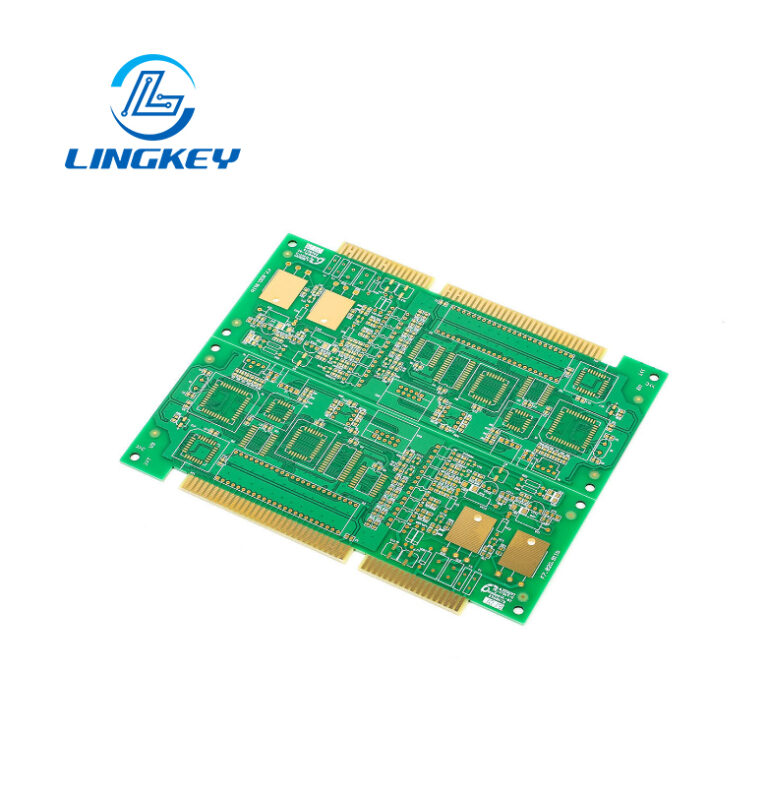
What Is a Pinner in PCB? Essential PCB Pinner and Pin Functions in Modern PCB Manufacturing
Table of Contents
ToggleIntroduction to Pinners in PCB Manufacturing
The printed circuit board (PCB) production process consists of various stages to place and fix the components to the exact positions as defined by the pcb design layout. With the need for reliability and miniaturization in electronics manufacturing, everything, from the shapes of the components to their correct alignment and stability, must be precisely controlled.
PCB pinners are essential in this process. PCB pinners have a direct effect on the high quality end product, if they’re used to ensure proper alignment, or to secure components as they are being soldered. In day-to-day high-density applications and superior control systems, pinners are more important than ever for PCB manufacturers and designers.
What Is a Pinner in PCB? (Definition & Functions)
A PCB pinner is a custom-made fixture, tool or device used at one or more stages in the production process to provide accurate alignment and hold components or layers in place as the printed circuit boards is being assembled. The pinner utilizes a pinning technology to capture or release and transfer pins, This enable the proper securing and aligning of components in PCB. PCB pinners are used in both manual and automated operations to:
- Focus on the assembly, securing, and aligning the components, so you get that especially prior to critical processes, such as reflow or wave soldering.
- Hold the components in place until the soldering or bonding operation is completed that gives the permanent joining.
- Support the assembly of multiple and complex component shapes and keep stability during the whole
- Allow for easier inspection and quality control to minimize defects such as short circuits and misalignment.
The pinner ensures that each joint is solid and dependable by snugging components together, holding the components in place and providing alignment and stability, which is critical in medical devices, control units and other applications where a departure from the norm results in a degraded performance.
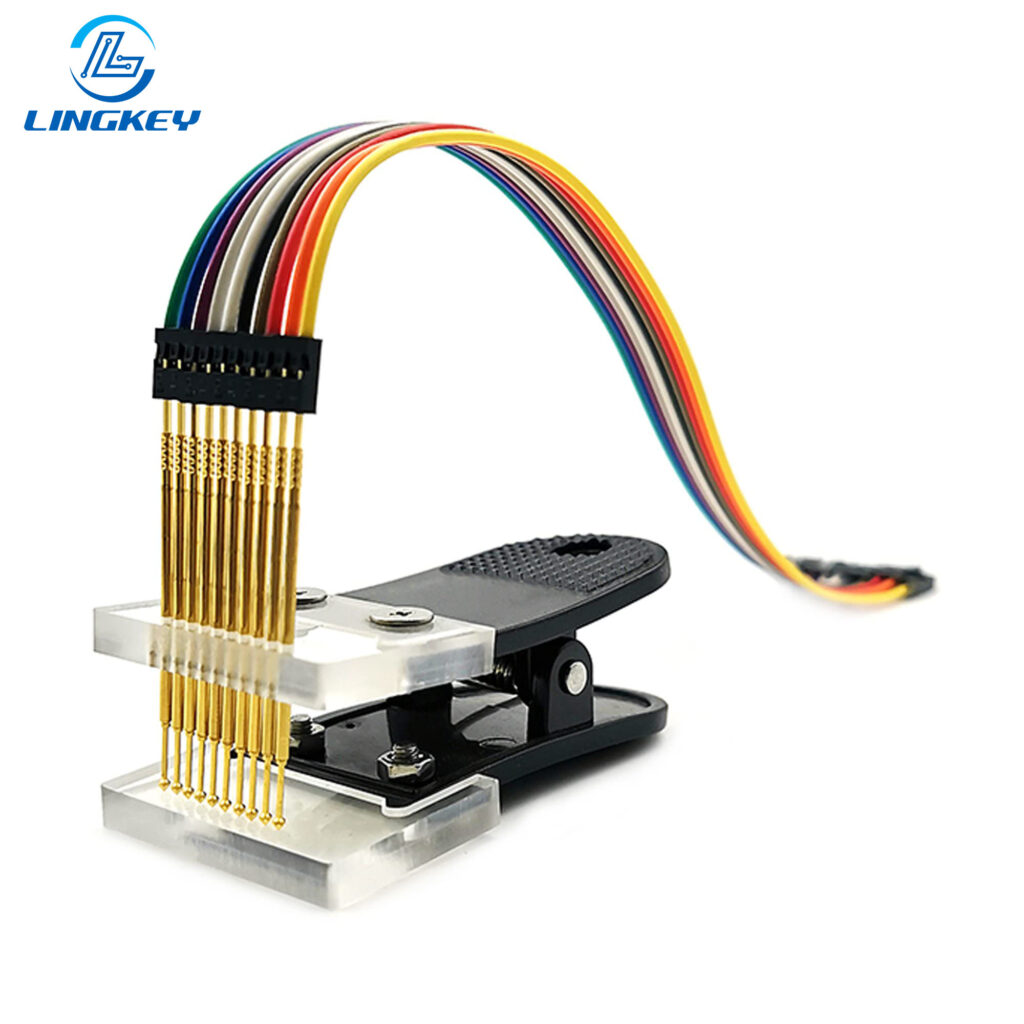
Pinner in PCB Factory: Workflow and Practical Role
In a PCB factory, specialist technicians and engineers use different kinds of PCB pinners to make the production process more efficient.Pinners are vital in:
- Pin Insertion:The pinning sleeves provide firm insertion of pins and component leads through the PCB layers which is vital for both SMT and THT.
- Component Alignment:These are processed through a stacker (humanized to semi-auto/auto) and the components and layers get aligned as per the pcb design.
- Soldering or Bonding:Pinners grasp and hold parts during the critical solder or bond step, so that the parts do not move, which could lead to bad joints or shorts.
- Inspection and Quality Control:With all parts properly aligned, pinners contribute to the enhancement of the end product and reduction in defect rates.
- Release and Transfer:After the assembly, the pinner dispenses the components in the exact alignment without misaligning them and the board is ready for the next process.
The Role of PCB Pinners in Factory Workflow
Process Step | Pinner Function | Outcome |
Component Placement | Hold components in correct position | Prevents misalignment |
Soldering/Bonding | Secure components during heating and cooling | Reduces defects/short circuits |
Inspection | Maintain position for automated/manual QC | Ensures quality/reliability |
Automation Integration | Supports robotic or semi-automatic assembly | Increases speed and accuracy |
Types of PCB Pinners in Manufacturing
There are many kinds of PCB pinners to meet various needs and production volumes:
Through-Hole Pinners
For securing parts that need to be inserted through the PCB, vital for high power elements and connectors.
Surface Mount Pinners
Concentrating on densely populated PCBs and small, intricate shape components, these pinners lock down the components through the SMT process.
High-Precision Pinners
Automated pinners that provide alignment with micron precision, critical in medical devices and control systems where reliability is unquestionable.
Custom and Specialized PCB Pinners
Tailored for unique production process scenarios, such as flexible PCBs, HDI boards, or unusual component layouts.
Material and Mechanism-Based Types:
- Plastic Pinners:Used for electrical insulation and where heat resistance is vital.
- Metal Pinners:Applied where strength and vibration resistance are crucial.
- Snap-In, Press-Fit, and Threaded Pinners:According to whether easy disassembly, compactness, or permanence is desired.
- Semi-Automatic Pinners:Combine manual and automated processes for situations needing both precise alignment and some level of human intervention.
Comparison of PCB Pinner Types
Type | Best For | Key Benefit | Notable Use Cases |
Through-Hole Pinners | THT, high-power components | Mechanical strength | Automotive, industrial |
Surface Mount Pinners | SMT, compact assemblies | Space saving/precision | Consumer electronics, LED lighting |
High-Precision Pinners | Medical, military, HDI | Micron-level alignment | Medical equipment, aerospace |
Custom/Threaded/Snap-In | Unique layouts, hybrid PCBs | Flexibility/serviceability | Control units, repairable systems |
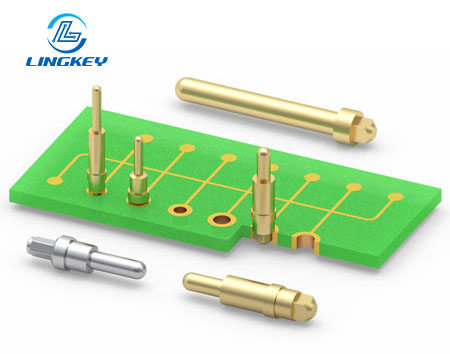
The Importance of PCB Pinners in PCB Assembly
PCB pinners play a crucial role in enhancing the assembly process:
- Ensure Precise Alignment & Placement:The pcb pinning technique guarantees accuracy in component placement which is essential to getting both alignment and stability in the assembly.
- Hold Components Securely:During volatile soldering or bonding, pinners also serve to hold parts in place, which reduces defects and helps maintain signal integrity.
- Component Compatibility:PCB pinners capable of handling different form factor components (rectangle, square, circle) and cover the wide needs of pcb for both simple and complex boards.
- Improving the Overall Quality:PCB pinners help reduce defect rates, leading to higher reliability and longer life of the final product.
Pinning Technologies: Through-Hole vs Surface Mount Technology (SMT)
Through-Hole Technology (THT)
Through-hole pinners are critical in THT for strong mechanical bonding in components and for boards under high vibration like automotive and industrial automation.
Surface Mount Technology (SMT)
Using surface mount pinners, components are placed right on the surface of the board which makes for extremely efficient, automated production lines. The pinning system here is still very precise, even through reflow soldering.
Mixed Technology Boards
Most boards utilize still a combination of SMT and THT. Full-automatics and semi-automatics pinners guarantee components are under the correct orientation, which enables PCB producers to satisfy the rigorous condition of tight-packed, multifunctional boards.
Applications of PCB Pinners in Electronics Manufacturing
PCB pinners help in various industries by supporting unique pcb needs:
Consumer Electronics
PCB pinners are essential in maintaining the alignment and stability of tightly stacked components in mobile phones, wearables, and laptops. With the sophistication of design and small dimension of devices, surface mount pinners and ultra high precision pinners play a vital role in making sure that even the tinest components are held at the right place during high speed assembly and reflow soldering processes.
Automotive Electronics
In cars, pinners must guarantee accurate and dependable pin insertion and alignment as the control systems, power modules, and safety-critical electronics in vehicles have a similar requirement. Through-hole pinners offer the requisite mechanical strength for parts exposed to vibration and thermal cycling, and custom pinners can be designed to fit unique component configurations within automotive PCBs.
Medical Equipment
When it comes to life-sustaining equipment, the reliability is paramount. PCB pinners are essential in guaranteeing a reliable, stable electrical and mechanical interface, especially in complex multilayer PCBs with a wide range of component shapes. Good quality pcb pinners will also help to retain the stability in the assembly and operation of the final product and this in turn helps to ensure patient safety.
Industrial Automation and Control Units
Industrial PCBs, which are widely applied in automation and robotic technology, take full advantage of automatic and semi-automatic pinners to realize efficient processing In today’s production. In this case, PCB pinners guarantee that components remain fixed for the entire operation, from insertion through soldering or bonding, resulting in an improved operational reliability.
LED Lighting, IoT, and Communication
Dense multi-layer and mixed technology boards are typical in these industries. PCB pinners can grip and secure components or layers whilst considering signal integrity and thermal dissipation, enabling the performance requirements for modern smart devices.
Key Skills and Best Practices for PCB Pinning
The whole process of PCB production requires high accuracy. The following skills and know-how are needed to achieve proper positioning and to have a reliable PCB:
- Attention to Detail and Manual Dexterity:Essential for manual pinning or when working with semi-automatic pinners to ensure each pin is correctly oriented and placed.
- Technical Knowledge:Understanding of pcb design and components and knowing which types of PCB pinners to use for each application.
- Troubleshooting Skills:The correct pin misalignment, defects in the soldering during the process or problems during the release and the transfer.
- Routine Inspection and Quality Control:Consistent monitoring of pinners and assembly results enhances the end result and lowers the potential for rework or returns.
- Combine Manual and Automated Approaches:The collaboration between designers and PCB manufacturers is usually a blend of craftsmanship and automation for the more complex, high volume, or custom boards in which flexibility is a main concern.
Best practice should also be pinner mechanism maintenance, calibration tooling frequently, training operator and so on, more when production lines are more automated.
Benefits of Using Pinners in PCB Manufacturing
Utilizing high-quality PCB pinners improves the overall production process by:
- Ensuring Precise Alignment:Pinners secure parts, preventing them from being displaced and facilitating the use of high density components in advanced pcb layouts.
- Securing Components During Assembly:The components are placed and fixed during soldering or bonding, this makes dramatically less short-circuits and higher assembly yield.
- Supporting Complex and Mixed PCB Needs:Whether surface mount technology or through-hole assemblies, the right pinner provides flexibility for hybrid or special applications.
- Boosting Efficiency and Reducing Costs:Automatic pinners, particularly in large scale production, increase output and decrease labor cost, and defect rates.
Benefit | Process Improvement |
Defect Rate Reduction | ~30-35% decrease in soldering/bonding defects |
Production Speed | Up to 40% increase with automatic pinners |
Assembly Consistency | Consistent, repeatable pin alignment & securing |
Adaptability | Supports both simple and complex board assemblies |
Product Reliability | Enhanced vibration, shock, and thermal resistance |
Challenges and Limitations of PCB Pinners
Despite their advantages, PCB pinners come with specific challenges:
- Component Compatibility:Not all pinners are compatible with every part or design layout. Some pinners may need to be customized or the design altered.
- Initial Investment:Automatic and semi-automatic pinners need a capital investment and might be economical only for certain quantities of production.
- Training Needs:With the pinning mechanism and process becoming increasingly specialized and automated, training for operations and maintenance personnel is a must.
- Process Integration:The integration of pinners into a production line could need some considerations for workflow, more so for mixed technology boards or HDI PCBs.
- Miniaturization Pressures:With the decreasing size and increasing complexity of boards, pinners will need to evolve as well, requiring more accuracy and stronger materials.
PCB manufacturers are addressing these concerns by collaborating with designers to recommend the use of pinners early in the design process and by utilizing flexible, intelligent pinner solutions.
The Future of PCB Pinners in Manufacturing
The role of PCB pinners is rapidly evolving with technology advancements:
- Automation and AI:AI-powered automatic pinners and robots are beginning to optimize alignment, pressure, and release, adapting on the fly to new pcb needs.
- Miniaturization Support:Cutting-edge pinners are being developed for HDI and flexible PCBs, supporting micro-scale pinning and bonding.
- Collaborative Robots (Cobots):Cobots, which combine human intervention with robotic precision, are making semi-automatic pinning viable even in custom or low-volume runs.
- Smart Pinner Mechanisms:High-end sensor technology and real-time control provide manufacturers with the status of each pinner release, allowing them to achieve repeatable results without defects at every process.
This advance enables PCB fabricators and designers to address the demands of today’s electronic manufacturing, including aggressive tolerances, quick design revisions, and a zero-defect mentality.
Related Challenges in the PCB Manufacturing Process
Other related manufacturing process challenges that often overlap with pinning include:
- Effects of design layout and component density on the pinning and assembly process.
- Managing signal integrity issues through careful pin alignment and placement.
- Inspection and repair of inner PCB layers, which sometimes require specialized pinning tools.
- The impact of component compatibility and securing methods on control systems’ functionality.
Frequently Asked Questions (FAQs) About PCB Pinners in Manufacturing
How do PCB pinners ensure precise alignment and stability?
Are pinners only for through-hole technology, or also for surface mount technology?
What are the benefits of using automatic pinners over manual pinners?
Do pinners have a crucial role in control units and medical equipment?
Conclusion: The Value and Evolving Role of Pinners in Modern PCB Manufacturing
PCB pinners play an integral role in contemporary electronics production, ensuring accuracy, holding components firmly in place and ultimately influencing the long-term reliability and repeatability of assembled PCBs. Whether manual/semi-automatic systems or state of the art intelligent pinning systems, pinners cater for the needs of ever more complex designs in the pcb fabrication, assembly and quality control procedures.
At LingKey, PCB pinners are part of a larger, process-oriented manufacturing solution. Using the right pinning technology, with controlled assembly processes and tight inspection criteria, LingKey can deliver stable alignment, lower defect rates, and consistent performance in high density, mixed technology and reliability critical PCB assemblies. With the ongoing development of electronic products into higher complexity and tighter tolerance devices, robust pinning solutions, applied in the context of a well-disciplined manufacturing system, are still a key enabler for high-reliability PCB production.