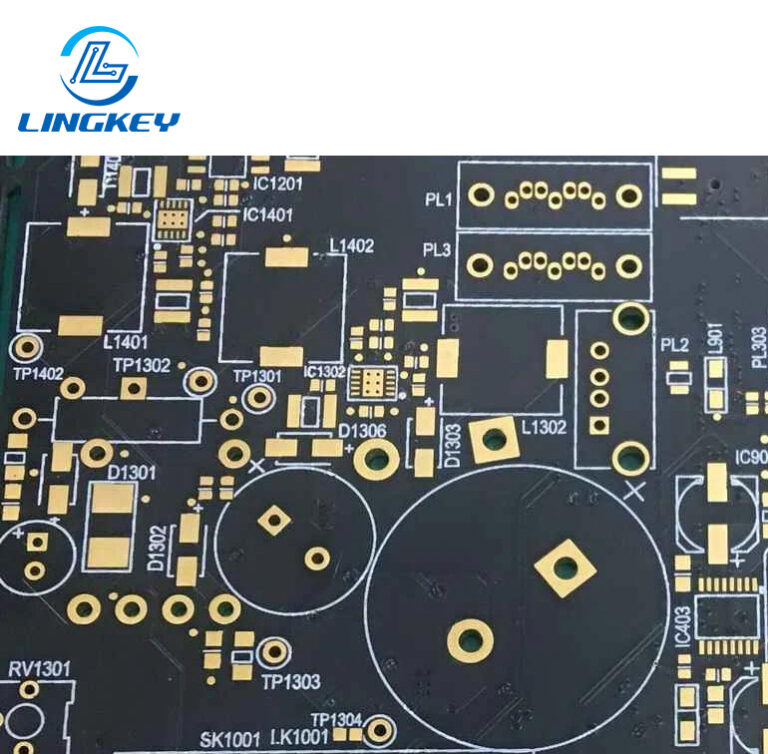
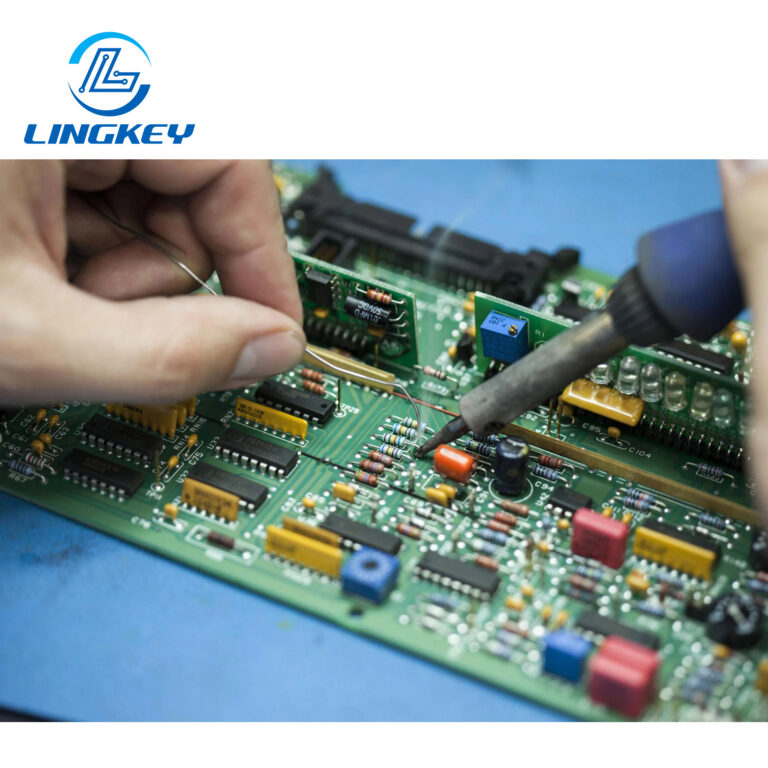
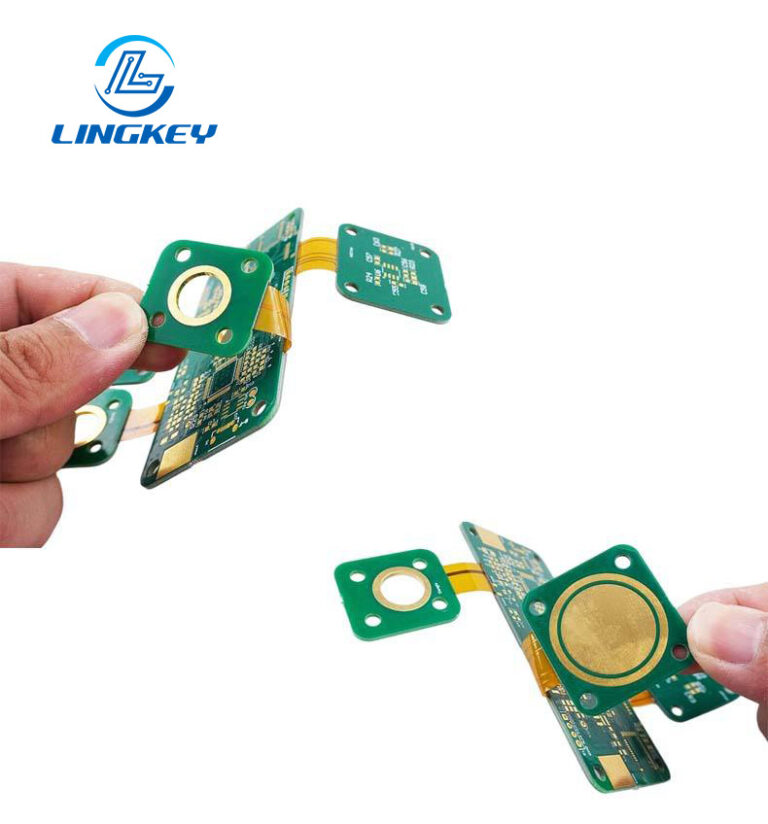
RoHS-compliant PCB assembly, lead-free solder and soldering solutions assembly guide
Table of Contents
ToggleIntroduction
The change in the conventional method of PCB assembly to full lead-free PCB assembly is motivated by regulatory requirements as well as sustainable environmental considerations. With the increasing global concern over electronic waste, electronics makers need to make sure their PCB assembly service meets rigorous international norms like RoHS and REACH. This change fulfils environmental and market demands, leading to the application of lead-free, RoHS compliant PCB technology to be essential for any company that wishes to achieve the utmost quality, regulatory acceptance, and a positive market image.
What is Lead-Free PCB Assembly?
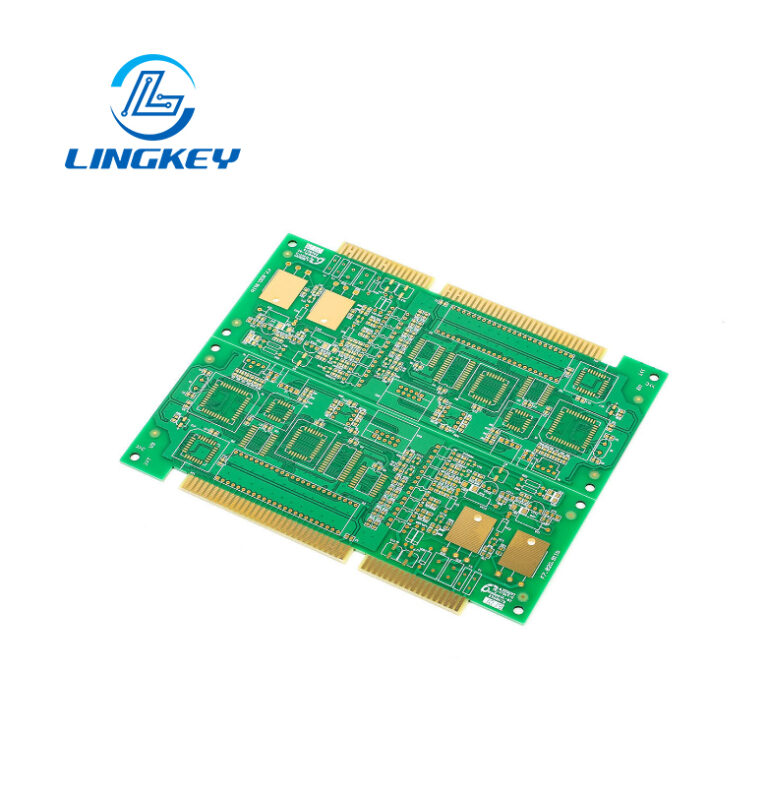
Lead-Free PCB Assembly is the assembly of PCBs using lead free solder, and replacing leaded solder with compliant alloys like SAC305. The material selection, reflow profiles and thermal management must be tightly controlled so that RoHS compliant PCB assemblies can meet both the functional and safety requirements. Today, assembly services have to provide high precision, lead-free finishing compatible with high-end electronics such as mission critical medical devices or air and space applications. Employing lead-free assemblies helps you achieve compliance an d avoids the negative impact of lead on the well-being of humans and environment.
Understanding RoHS Regulations for PCBA Manufacturing

Purpose and Global Importance of RoHS
The EU RoHS Directive serves as a foundation for many aspects of today’s sustainable electronics manufacturing by significantly limiting hazardous materials and encouraging safer and greener end products. Today it is considered standard practice to be RoHS compliant for all PCB assembly service providers globally, as customers require minimal risk to the users and the environment from their electronics. The directive has a strong environmental focus, reducing the detrimental effects of electronic waste and facilitating recycling.
10 Restricted Substances and Maximum Limits
Substance | Max Limit (wt%) |
Lead (Pb) | 0.1 |
Mercury (Hg) | 0.1 |
Cadmium (Cd) | 0.01 |
Hexavalent Chromium (Cr6+) | 0.1 |
PBB / PBDE (flame retardants) | 0.1 |
DEHP / BBP / DBP / DIBP (phthalates) | 0.1 |
No PCB assembly should exceed these limits to be RoHS compliant, so material cost, process requirements and supply chain management are essential focus to pcb assembly services.
RoHS vs. WEEE
RoHS keeps dangerous substances out of new products; WEEE makes sure at end of life they get recycled and collected safely. They complement each other to tackle the increasing menace of electronic waste.
RoHS and REACH
Manufacturers need to be aware of how RoHS and REACH (Registration, Evaluation, Authorization, and Restriction of Chemicals) interact. REACH is not just electronics, it’s chemicals, and it’s robust documentation all the way down the supply chain – a real bear for global electronics manufacturing services (EMS).
Importance of Lead-Free PCB Assembly
The complete adoption of RoHS-compliant PCB assembly is vital for several reasons:
- Environmental Protection:Minimizes toxic compounds and contributes to the worldwide sustainability heyday.
- Regulatory Compliance:Mandatory for entry into regulated markets; failure to comply may incur large fines or recalls.
- Market Access and Branding:“Green” credentials help attract eco-conscious consumers and secure contracts, especially with EU-based clients.
- Reduced Electronic Waste:Using lead-free significantly diminishes contaminant risk in waste recycling streams.
- Optimized Processes:The traditional methods have to be adapted with process optimization to satisfy more stringent requirements with higher melting points and without compromising the assembly yield or uniform quality.
Requirements and Material Selection
Lead-Free PCB Materials and Laminates
Choosing the right PCB substrates is important. High Tg and High Td laminates are necessary because the reflow profile for lead-free soldering is based on higher melting points—usually above 245°C. The informed choice enables substrate stability over multiple thermal cycling, overcoming problems such as warping, creep and oxidation.

Surface Finishes for Lead-Free PCBs
Key surface finishes compatible with lead-free assembly:
- ENIG:Excellent for high-precision and mission-critical assemblies.
- ENEPIG, Immersion Silver, Immersion Tin, OSP:Support consistent quality, reliable for both SMT and through-hole components.
- Lead-Free HASL:Only used where appropriate, since it can be less flat than other finishes and introduce problems with fine-pitch SMDs.
Component Sourcing and BOM Considerations
To get a RoHS PCB, you need to source all the components according to their certificates and IEC 62321. BOM reviews Are Crucial to Prevent an Invisible Introduction use of leaded solder or other restricted materials.

Lead-Free Solder and Soldering Processes
Solder Alloy Comparison Table
Alloy | Composition | Melting Point (°C) | Wetting | Main Use |
SAC305 | Sn96.5/Ag3.0/Cu0.5 | 217–220 | Good | Universal |
SAC405 | Sn95.5/Ag4.0/Cu0.5 | 217–219 | Good | High reliability |
Sn/Cu | Sn99.3/Cu0.7 | 227 | Fair | Wave soldering |
Sn/Bi | Sn58/Bi42 | 138 | Poor | Low-temp, sensitive comp. |
Sn/Pb | Sn63/Pb37 | 183 | Excellent | Traditional only |
Lead-Free vs. Traditional Leaded Solder
Lead-Free PCB assembly has to cope with elevated melting points that affect process demands and prices of the PCB assembly.
- Leaded Solder (Sn/Pb):Known for excellent wetting, lower processing temperature, and easy solder joint rework. But the use of leaded solder means non-compliance with the current RoHS directives, and it is banned on nearly all consumer, industrial, and medical products.
- Lead-Free Solder (e.g., SAC305):A bit more pricey in material cost, but needed for any new electronics that are aimed at regulated markets. Lead-free joints may exhibit a somewhat grainier appearance, different wetting behaviour and sometimes a higher risk of defects such as tombstoning – without process optimization.
Reflow Soldering and Wave Soldering in Lead-Free PCBA
Control of reflow profiles is critical.I ncreased melting and processing temperatures magnify stressors such as warping and oxidation, so:
- Advanced reflow profiles are employed to control ramp rates and avoid thermal shock.
- Components are evaluated for compatibility with higher process temperatures to prevent damage.
- Optimization of cooling and heating zones in ovens helps minimize mechanical stress and creep.
Solder Joint Appearance and Wetting Characteristics
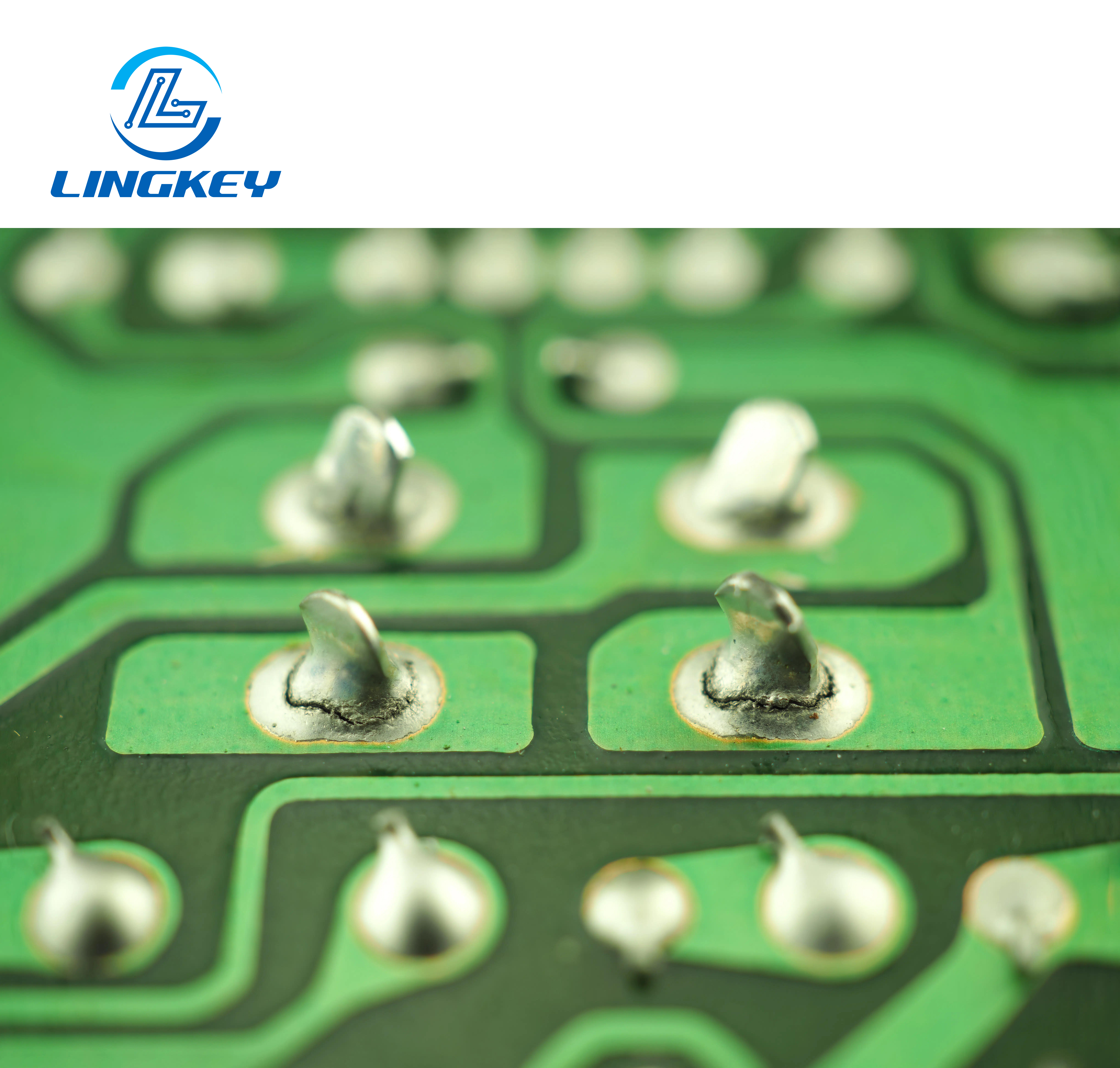
There is a frequent question about the appearance of the solder joint when lead free solder is used in the PCB assembly service as opposed to the traditional Sn/Pb solder. Lead-free joints, particularly those made with SAC305 or SAC405, may look slightly duller and grainier rather than bright and shiny. This is a natural side effect of the alloy composition and does not necessarily mean the solder is bad.
Wetting properties also change in the conversion from leaded to lead-free solder. Lead-free alloys generally have a slightly worse wetting characteristics and thus need a very well controlled process and clean surfaces to avoid defects. Poor wetting can show up as limited solder coverage, higher tombstoning risk (where components pop up on one end), or non-uniform joints, all of which are exacerbated at the higher temperatures required for lead-free processing.
To achieve reliable results, PCB assembly services must:
- Closely monitor and optimize reflow and wave soldering profiles.
- Ensure pads are free from oxidation.
- Apply fluxes designed for higher-temperature lead-free processes.
Reliability, Mechanical Stress, and Technical Challenges
Transitioning to lead-free solder introduces several key reliability and mechanical considerations that assembly services must address:
- Increased Mechanical Stress and Creep:Elevated reflow temperatures can introduce extra mechanical stress on both the component and substrate, which may result in bowing or even delamination. Solder joints are subjected to more risk of creep with time, particularly when exposed to thermal cycling or mechanical loading.
- Oxidation and Surface Degradation:The elevated melting temperature in lead-free assembly heightens the risk of oxidation, making solderability more difficult and can lead to weak joints if additional measures are not taken.
- Intermetallic Compound Growth:Lead-free joints develop thicker intermetallic layers, which can affect the electrical performance and long-term reliability. This is especially true in aerospace applications and mission critical systems where failure is not an option.
- Wetting Defects and Tombstoning:As described, poor wetting at high temperature will make tombstoning or misaligned SMD more likely, especially for small, light weight components.
Technical Optimization Strategies:
- Use high-Tg and high-Td laminates for thermal robustness.
- Regular IPC-A-610 inspections for solder joint quality.
- Introduce underfill or corner bonding in high-stress assemblies.
- Utilize advanced DFM/DFX reviews to design out potential weak points.
Manufacturing Process for RoHS-Compliant PCBA
A complete lead-free PCB assembly process relies on stepwise control and transparency at every phase:
- Design & Material Planning:The process starts with the careful selection of RoHS-compliant materials and components, BOMs are reviewed to ensure no restricted substances are included. The PCB stack-up is tailored for higher reflow profiles.
- Solder Paste Application:The solder pastes have no lead, and the fluxes are designed for high melting temperature processing with less oxidation.
- Component Placement:The two high-speed, high-precision placement machines guarantee accurate placement with minimal damage to the sensitive components.
- Soldering (SMT Reflow and Wave):The reflow profiles are designed for each board and specific solder alloy to provide good wetting, low bow and strong, reliable joints. In the case of through-hole, wave soldering is modified to accommodate the higher temperatures and longer dwell times of lead-free processes.
- Quality Control & Inspection:AOI, X-ray, and even XRF material chemistry analysis contribute toquality uniformity, compliance, and solder joint reliability. IPC-A-610 or higher standards are often applied.
- Testing & Final Assembly:All mission specific modules are functional tested and in most cases subjected to stress testing to guarantee long term reliability even under harsh environment such as automotive and aerospace applications.
- Documentation & Traceability:Each step is traceable for full traceability. Certificates of conformity, validation of REACH and statements of suppliers of conformity are kept and distributed when required.
Quality Control, Inspection, and Certification
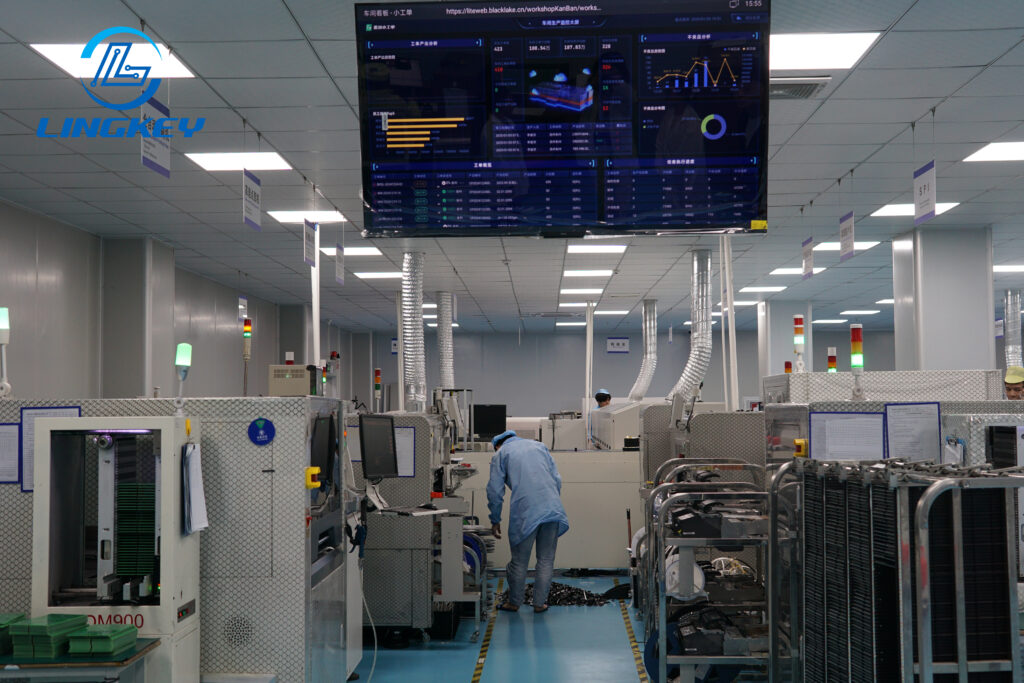
Stable quality is unwavering in lead-free RoHS PCB production. High precision and high reliability products assembly services have strong regime of:
- IPC-A-610 standards compliancefor solder joint strength and appearance.
- XRF analysis,ensuring every batch meets RoHS and REACH substance limits.
- Functional and in-circuit testing,vital for mission-critical and aerospace applications.
- Process optimization:Continuous improvement using real-time SPC and post-process audits.
- Certification:ISO 9001, IATF 16949 (automotive), AS9100 (aerospace), and customer-specific validation.
Benefits and Challenges of Lead-Free PCB Assembly
Benefits
- Environmental Protection:Reduces hazardous waste and aids global efforts against the mounting problem of electronic waste.
- Regulatory Compliance:Ensures access to global markets by meeting RoHS and REACH laws.
- Improved Mechanical Strength:SAC lead-free alloys also tend to be more robust in high temperature or high stress
- Supports Sustainable Electronics Manufacturing:Consistent with trends in green electronics.
- Brand Reputation:Signals to consumers and clients that your products are safe and sustainable.
Challenges
- Material Costs:Lead-free alloys and compatible substrates are typically pricier, impacting PCB assembly pricing.
- Process Requirements:Higher melting points necessitate more precise soldering profile adjustments and more diligence with cooling and warping.
- Technical Complexity:An increase in tombstoning, oxidation, and intermetallics is possible and demands forious engineering and process control.
- Use of Leaded Solder:Now allowed under specific, heavily controlled circumstances (e.g., maintenance of legacy medical or aerospace systems), but the usage must be overtly documented and justified.
Choosing a Lead-Free PCB Assembly Service Partner: Why LingKey?
China remains a global leader in PCB assembly service for several compelling reasons:
- Production Capacity:Ability to handle both low and high volumes efficiently.
- Advanced Engineering Capabilities:Established ecosystem for mission-critical and high-precision applications.
- Full-Service Approach:Many Chinese assembly services offer design, fabrication, assembly, and testing under one roof.
- Supply Chain Advantage:Streamlined sourcing for RoHS and REACH compliant electronics.
- Cost Optimization:Good pricing arrangements, especially for mass production, keeping up with world standards.
- Proven Track Record:Vast experience in managing entire lead free pcb assembly projects for worldwide export.
Industries & Applications of Lead-Free PCBA
- Consumer Electronics:Phones, tablets, handheld devices.
- Automotive & Aerospace Applications:Sensors, controllers, ADAS, mission-critical navigation and safety systems.
- Industrial Automation:Robotics, factory monitoring, process control.
- Medical and Life Sciences:Diagnostic equipment, patient monitoring systems where reliability and compliance are paramount.
- Green Energy & IoT:Battery controllers, smart sensors, grid equipment.
Frequently Asked Questions
What is the visual difference in solder joint appearance between leaded and lead-free assemblies?
Are higher material costs always expected in lead-free PCB assembly pricing?
Can I use leaded solder in mission-critical aerospace applications?
Will moving to lead-free increase defects like tombstoning or creep?
Do RoHS and REACH requirements apply to all electronic products?
Conclusion
Conforming to lead-free, RoHS rules for PCB assembly is not only a regulatory requirement but a strategic action that promotes protection of the environment and lifecycle reliability. Although there are challenges in the form of material costs, higher melting point process requirements, and solder joint optimization, the benefits – consistent quality, access to global markets, and improved brand reputation – more than compensate for these barriers.
Being a PCB assembly manufacturer in China, LingKey takes advantage of this ecosystem to provide customers all over the world with economical RoHS-compliant lead-free PCBA solutions, customers support in stable quality and flexible production.
Through collaboration with a seasoned and compliance-focused PCB assembly manufacturer such as LingKey, businesses can surmount the difficulties of lead-free PCBA, meet regulatory standards, and realize long-term product reliability, all the while contributing to sustainable electronics production.