Printed Circuit Board: Types & Circuit Guide
Introduction to PCB: The Role of Printed Circuit Boards in Electronics
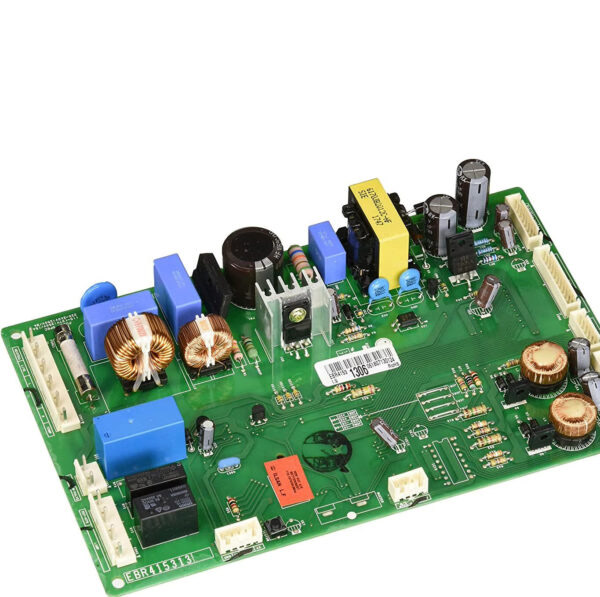
The PCBs are the part of the electronic circuit, which connects electronic components mechanically and electrically using conductive path or tracks of copper. PCBs are found in virtually all electronic devices, from the ones that consumers use daily to the system controls of automotive, aerospace and military applications. Choosing the appropriate type of PCB is one of the key issues in the contemporary pcb design and manufacturing, which has impacts on the performance, cost, and reliability. Like the components they connect, PCBs come in a variety of types and materials which have developed in response to the evolving needs of the industry.
What is a Printed Circuit Board (PCB)?
A PCB (otherwise known as Printed Circuit Board) is a board which has a thin layer of copper used to connect electronic components and electrically support them. These substrates are separated by layers of insulating material that can be fiberglass or other specialized materials with low dielectric constants to reduce signal attenuation.
Structure and Function
- PCB Design guarantees component such as resistor, capacitor, IC are connected in precise manner to make the device working properly.
- The PCB can have multiple layers, from a single side of the board (single-sided PCBs) to more than 30 layers for highly complex systems.
- PCBs offer not just avenues for signals flow but also for heat dissipation and support to parts.
Advantages Over Earlier Technologies
- Replace bulky wire-wrapped or point-to-point construction.
- Allow precise layout via strict design rule
- Enable mass production, making the board both reliable and cost-effective.
Common Applications
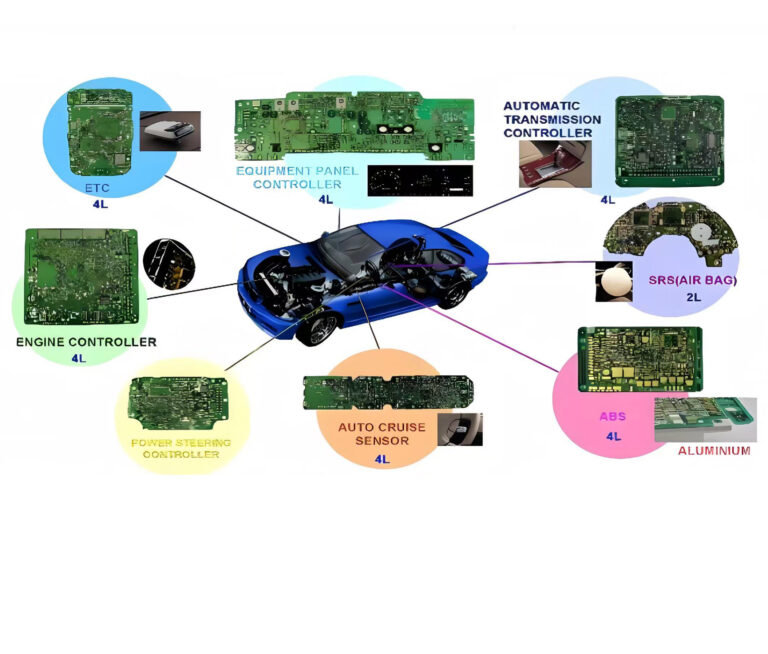
The prevalence of PCBs in such areas as consumer electronics (smartphones, tablets) vehicular engine control units, telecommunications devices, and advanced aerospace and military equipment demonstrates the versatility and range of types of printed circuit boards that can be developed in PCB design.
How Do Printed Circuit Boards Work?
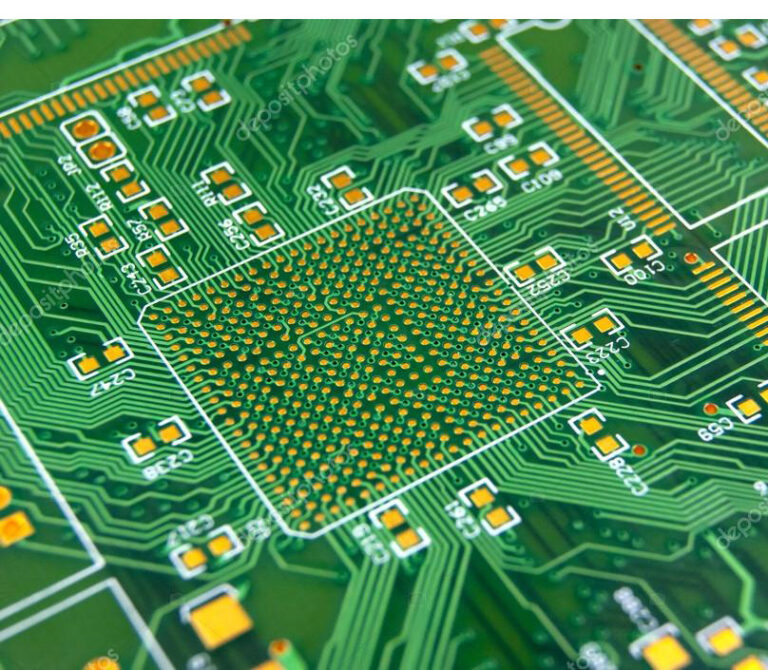
A pcb printed circuit connects components using copper traces. These traces act as wires, routed according to the intended pcb design. A PCB consists of several principal layers:
- Copper traces: These also serve as electrical conductors, and are important to the component density achievable on the board.
- Insulating material:Like FR4 or polyimide substrates, so that the traces are separated by solid layers.
- Solder mask: layer insulator that protect copper and avoid bridges of
- Silkscreen: Marking for assembly and maintenance reference.
The significance of PCBs over other options is that they allow exact layout and repeatability, are robust to mechanical stress, and make the board reliably suitable for both everyday and mission-critical applications.
PCB Types by Number of Layers
One of the most critical differences is how many sides of the board are used for traces, and how many layers of conductive material the type of pcb has.
Single-Sided PCBs
Single-sided PCBs have their components and copper traces located on the same side of the board. These is the type of pcb that suits very simple, cheap projects.
- Main Types: Used in calculators, power supplies, sensors.
Advantages:
- PCBs are the simplestto manufacture.
- Easy repair and debugging.
- Low cost, hence widely used in consumer electronics.
Double-Sided PCBs
A two-layer PCB has components and traces on both sides, and enables more circuit design options.
- Common PCB Types: Applied in industrial monitoring, lighting equipment.
Benefits:
- Components and interconnections on both surfaces.
- More design complexity and better use of space.
Multilayer PCBs (Multi-layer Boards)
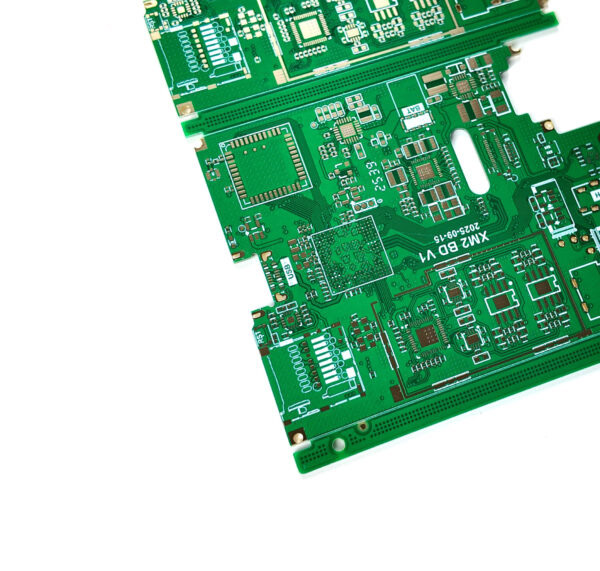
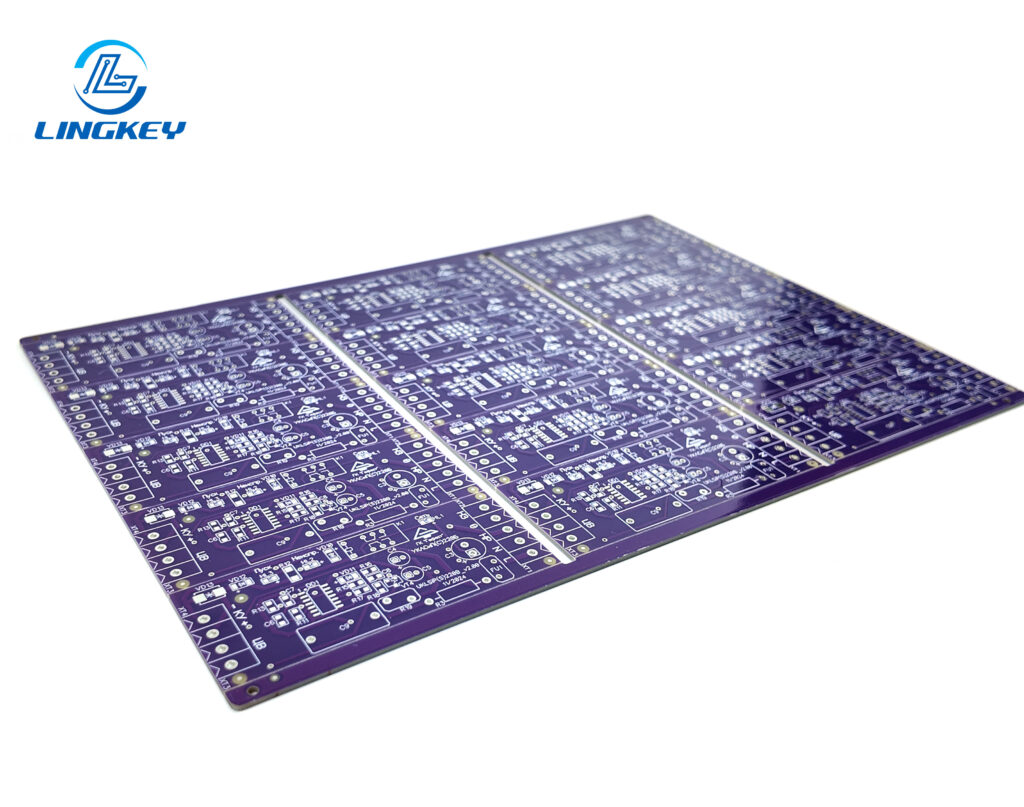
Multilayer PCBs (or multi-layer boards) use multiple layers of copper traces and insulation, sandwiched together.
- Used in Applications: Servers, car electronics, 5G base stations.
- Multiple Layers: For dense, high-speed schemas, 4, 6, or even 32+ layers.
Advantages:
- Support advanced, high-speed signal transmission.
- Minimize electromagnetic interference.
- Enable high density of componentsfor compact products.
Comparison Table: Types of PCBs
| Main Types | Sides Used | Number of Layers | Used In Applications | Typical Use Case |
| Single-sided PCBs | One side | 1 | Widely used in consumer electronics | Simple electronic products |
| Double-sided PCBs | Both sides of board | 2 | Used in various industrial tools | Moderate design complexity |
| Multilayer PCBs | All sides/multiple | 3+ (multiple layers) | Used in high-performance electronics | High-end, tightly packed devices |
Types of Printed Circuit Boards by Substrate
Mechanical robustness and flexibility are affected by the substrate or base material in terms of applicability, especially under severe environments.
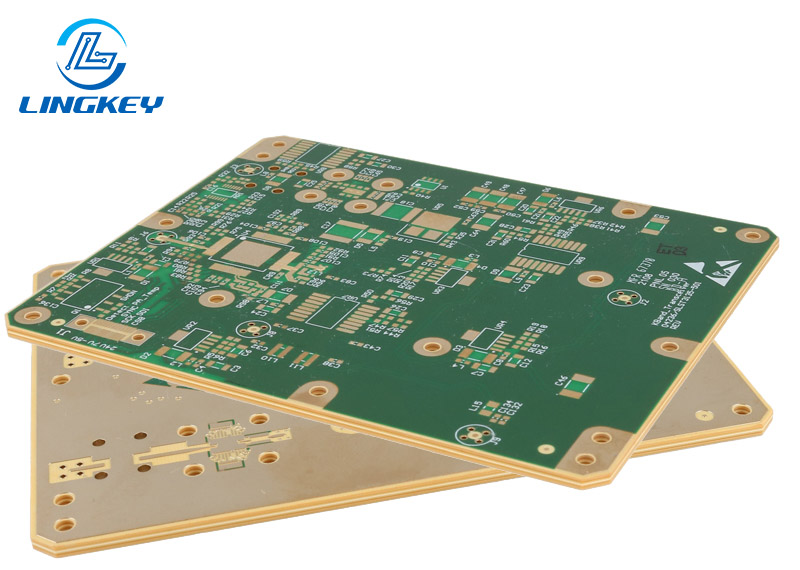
Rigid PCBs (Rigid Board)
Rigid PCBs are the most popular and known type of PCBs in the industry.
- Materials Used: FR4, composites, low dielectric loss materials.
- Applications:Applied in consumer electronics, servers, office machines.
- Type of PCB Offers:Stability, cost-effectiveness and convenience for PCB mounting.
Flexible PCBs (Flexible Circuit)
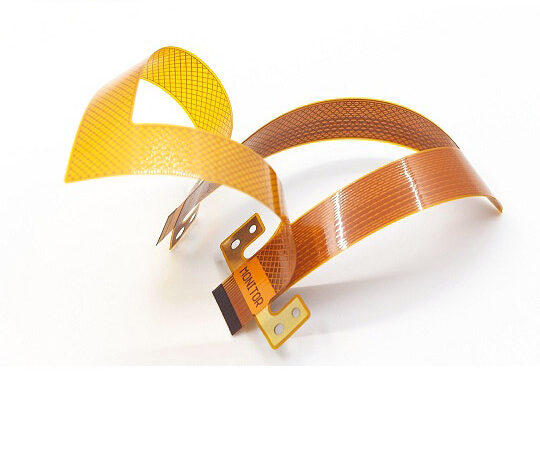
Flexible PCBs or flexible circuits employ substrates like polyimide, which renders these types of PCBs bendable and lightweight.
- Flexible PCBs Can Bend: Necessary for products with the PCB situated in a moving or enclosed space.
- Commonly Used: Cameras, wearables, medical devices, flexible displays.
- Design Ensures: Durability, shock resistance, and high design complexity options.
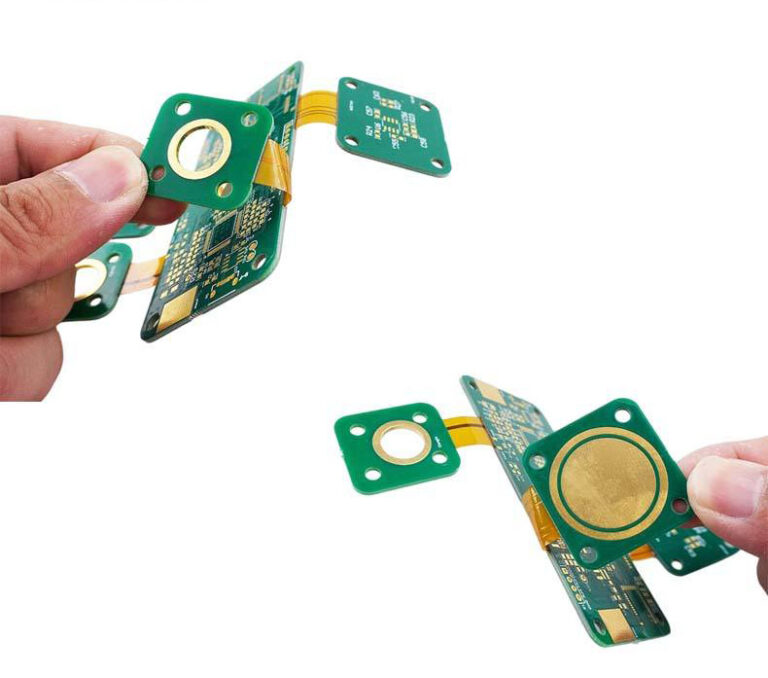
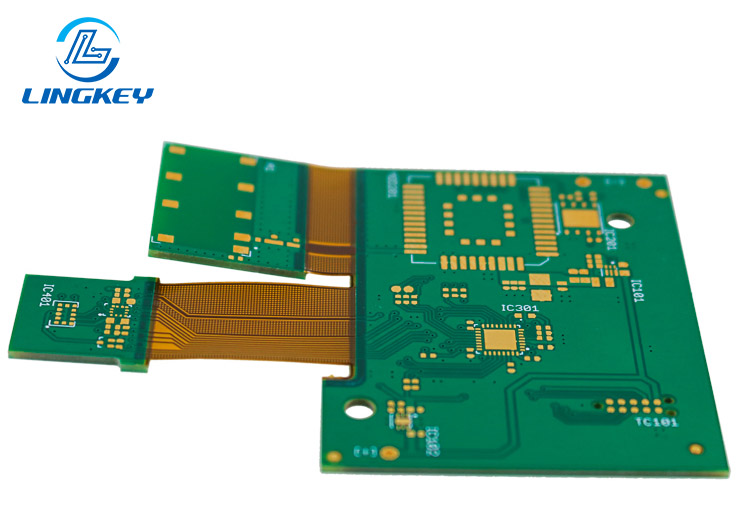
Rigid-Flex PCBs (Rigid-Flex Boards)
The rigid-flex PCBs combines rigid and flexible PCB sections, which is the best options for small size and high reliability applications.
- Widely Used: Aerospace and military, advanced smartphones, medical implants.
- Used in High-Performance and Space-Constrained Devices
- Reliability Optimization: Minimum connectors, fewer solder joints, better signal integrity.
Metal Core and Specialized PCB Types (Ceramic Boards, Metal Core Boards)
Metal core boards , such as aluminum-backed PCBs, contain a metal substrate used to improve thermal conductivity. Ceramic boards and pcbs from special materials for special applications.
- Metal Core Boards: Support high-current or used in high-performance LEDand power electronics.
- Ceramic Boards: Suitable for high frequency, high density circuit such as radar, aerospace and military.
- Materials Used: Ceramics, aluminum, copper clad laminates, all having fine tuned electrical and thermal properties.
PCB Materials: Substrate, Insulating Material, and Specialized Materials
Selecting the substrate materials sets, such as FR4, polyimide, and ceramics, can significantly affect a board’s performance:
- FR4 (Fiberglass Epoxy) is the most widely usedsubstrate in the PCB industry due to its balanced properties: It is strong, inexpensive, and has good electrical insulating properties. It’s the workhorse for most stiff boards and typical PCBs found in consumer electronics and computers.
- Polyimide and PET:Basic substances of flexible PCBs and flexible circuits, which allow to bend and twist without causing any harm. Such used materials allow to have a density of components in small, dynamic locations.
- Aluminum and Copper Cores:Important for metal core boards (such as aluminum backed PCBs) in high power LED and power management applications where thermal conductivity and heat dissipation are a must.
- Ceramic Boards:Provide high thermal and electrical performance, utilized in the aerospace and military sectors where dependability and the reduction of signal loss are essential conditions of use.
- Materials with Low Dielectric Constants:Like specialized Teflon/PTFE or ceramic, are available for PCB designs to need minimize loss of signal and stable, high-speed signal transmission. They are essential to 5G communication and sensitive military grade electronics.
How to Choose the Right Board for Your Project
Choosing the appropriate board for your application is a matter of knowing your environment, design complexity, performance, and cost requirements. A good rule of thumb when choosing your PCB:
| Application Scenario | Recommended PCB Types | Key Factors/Benefits |
| Basic Consumer Products | Single-sided, Double-sided PCBs | Low cost, simple design, easy repair |
| Smartphones, Tablets | Multilayer PCBs, HDI, Flexible PCBs | Compact, high-density, space-optimized |
| Automotive (Engine Control Units, Dashboard) | Rigid PCBs, Metal Core Boards, Multilayer PCBs | Heat resistance, durability, reliability |
| Wearables/Foldables | Flexible PCBs, Rigid-Flex PCBs | Flexibility, light weight, can fit unique form-factors |
| High-Power, Lighting | Aluminum-Backed PCB, Metal Core Boards | Superior heat dissipation, longer product life |
| Aerospace and Military | Rigid-Flex PCBs, Ceramic Boards, Multilayer PCBs | Minimize signal loss, withstands vibration/temperature |
Choose the Best Type of PCB for Your Project A knowledgeable and trustworthy manufacturer can help you pick the right type of PCB to use in your project and greatly enhance the performance of your product and reduce the risk of development.
LingKey is committed to high-quality PCB design support and fabrication services to customers to maximize layer configuration, material selection and efficiency of manufacturing for various application scenarios. Consumer electronics, industrial control, or high reliability systems – professional engineering support can help to make your PCB project more successful whatever your industry.
PCB Manufacturing Process Overview
PCB design and manufacture is a multi-stage process, each stage has to be carried out with precision to make certain that the final board is able to sustain the particular environment of use.
Main Steps:
- Circuit Design: With the help of the CAD software, the designer defines the electrical routes and design rules to be followed, such as trace width and spacing.
- Material Selection: The choice of materials is dictated by electrical, mechanical and environmental requirements, and the selection of the correct insulator is part of this process.
- Printing and Etching: The PCB pattern is the copper traces and with a bare copper-clad base, then the unwanted copper is removed.
- Laminating Layers: In the case of multilayer circuit boards,constituent conductive layers are stacked and pressed together with an insulating substrate between them.
- Drilling Vias and Pads: Holes are bored for components mounting and for via joining the layers.
- Plating and Solder Mask: Plating forms conductors through the holes; the solder mask insulates and protects the traces of copper.
- Silkscreen Labeling: Adds component outlines and reference markings.
- Component Assembly (PCBA): The components are mounted and soldered to the board in bulk, either by the through-hole or SMT process.
- Testing: Boards are visually checked and electrically tested for connectivity and conformance.
With its strong production capability and strict quality control, LingKey serves its customers from prototyping to mass production, providing consistent, reliable and fast services.
PCB Design Rules, Trace Width, and Layers of Conductive Material
In today’s PCB design, some rules and recommendations—design rules- are vital to guarantee performance and production feasibility, more and more when PCB are more and more complex.
Key Factors:
- Trace Width:Calculates the current for a trace with a specified width and thickness, not exceeding the maximum operating temperature.
- Spacing:Sufficient spacing between traces and layers of the conductive material decreases the probability of crosstalk and shorts.
- Number of Layers:An multilayer board is required for complex circuit in order to power and signal the layers well, minimize EMI, and bolster component density.
- Stack-Up:The multi-layered stack-up can have individual power and ground planes for noise and signal attenuation reduction.
- Component Placement:Excellent PCB designs locate high-frequency, sensitive, or hot components in areas that maximize performance and cooling.
Standard PCB design rules are verified in the CAD tool before the board is sent to fabrication, enabling mistakes or violations to be caught at the beginning of the design process.
Frequently Asked Questions: PCB
What are the main types of printed circuit boards?
Some of the most popular are single-sided PCBs, double-sided PCBs, multilayer (multi-layer) PCBs, rigid PCBs, flexible PCBs (flex circuits) and rigid-flex PCBs. Customised version, such as ceramic boards or metal core boards, can also be customised.
Why are PCBs widely used in consumer electronics and industrial products?
A PCB offers a dependable and space-saving connection among electronic parts with the help of conductive tracks. Their construction lends itself to automated assembly, replication, and simple fault isolation, which makes them attractive for high-volume products.
How do materials with low dielectric constants affect PCBs?
These materials reduce the signal attenuation and allow the transmission of the signal at the high frequency and high speed, which is required in such application as 5G communication, aerospace and military, and data center.
Can flexible PCBs replace traditional rigid boards?
Flexible PCBs can bend and be folded, so they are well suited for small or mobile applications. Nevertheless, rigid boards are still the most common in high mechanical stability and mass production cost.
What’s the future of PCB?
The state of the art of pcb in the future will be continuing on becoming smaller in size, operating at higher frequency, using green, recyclable materials, and suitable for smart, wearable and IoT devices.
Conclusion: The Future of PCB
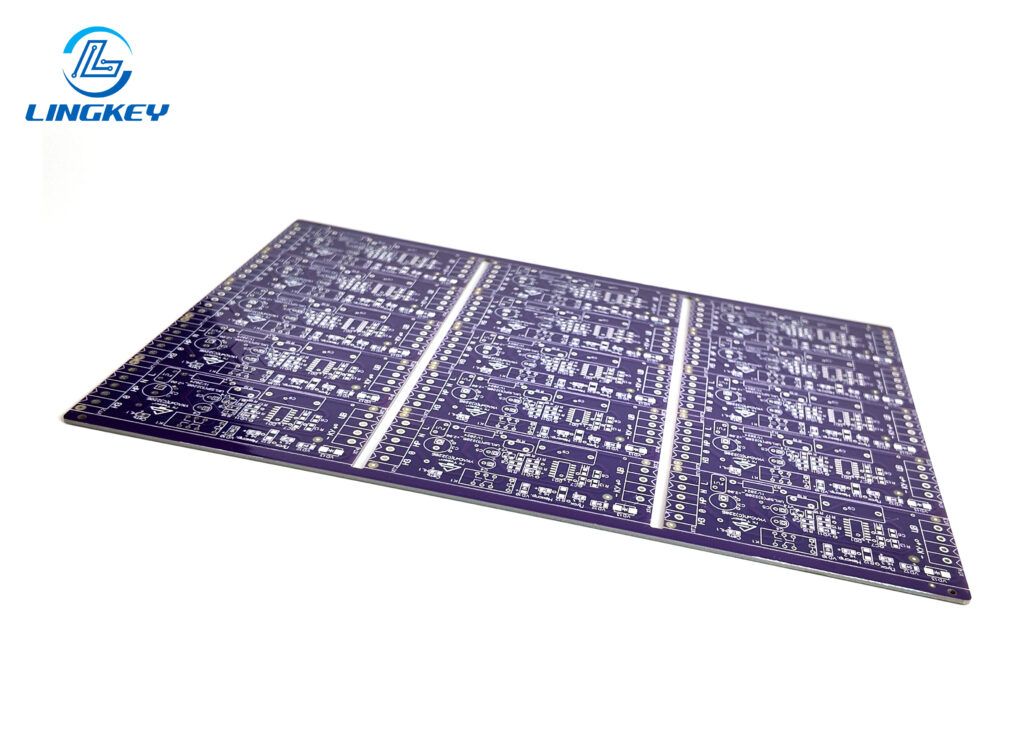
With a range of types available and continuous developments in the design and manufacture of PCBs, these are now found in products as simple as household appliances right through to high performance critical systems. From basic single-sided and multi-layer boards to high-end rigid-flex boards and metal core boards, there is a type of pcb to meet virtually any engineering requirement.
The complexity of designs is rising and the need for special and sustainable materials for application in is likewise increasing as the pcb industry matures. From a pcb for a light switch, to a flexible circuit for a wearable, or an advanced,low loss board for theaerospace and military applications, understanding the types of PCB helps you identify the right solution. LingKey is dedicated to working with emerging technology in pcb design and manufacture, to enable engineers to turn highly complex concepts into reliable and engineered circuits.