The Ultimate Guide to PCB Repair: 5 Most Common PCB Repairs and Expert Solutions
Meta Description: Discover the 5 most common PCB repairs for electronic devices, understand the causes of circuit board damage and short circuit problems, and learn about PCB repair tools and solutions used by today’s best PCB manufacturers and engineers.
Introduction
Printed circuit boards (PCBs) form the backbone of modern electronics devices and equipment, providing conductivity pathways vital to device functionality. However, even with advancements in PCB production technology and manufacturing, circuit board issues remain inevitable; from minor malfunctions to catastrophic short circuit events; knowledge on proper PCB repair is vital for technicians, manufacturers, hobbyists or hobbyists.
This guide can assist in answering some of the most frequently asked PCB repair questions, provide practical tools, and expose strategies utilized by leading PCB manufacturers. Furthermore, you’ll gain an in-depth view into five common repairs; their causes of failure, troubleshooting tips and advice to maintain peak condition PCBs; this comprehensive resource offers something for all levels. Whether dealing with complex integrated circuits or simple through-hole boards this comprehensive resource offers something special.
Understanding Printed Circuit Boards (PCBs) and Their Role in Electronics
What is a PCB?
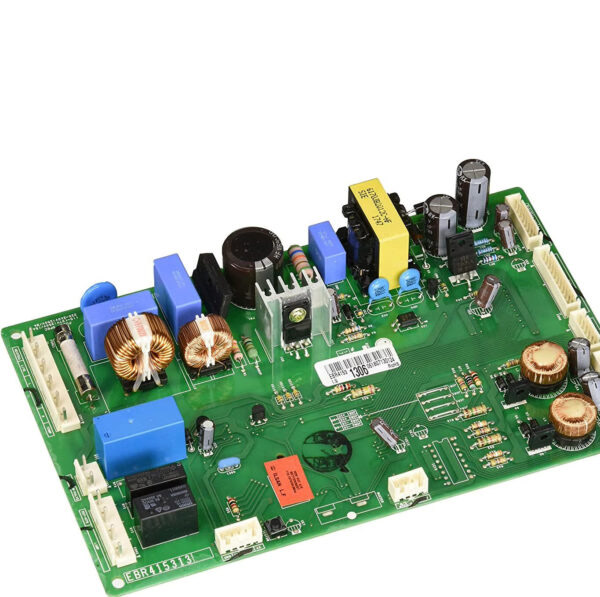
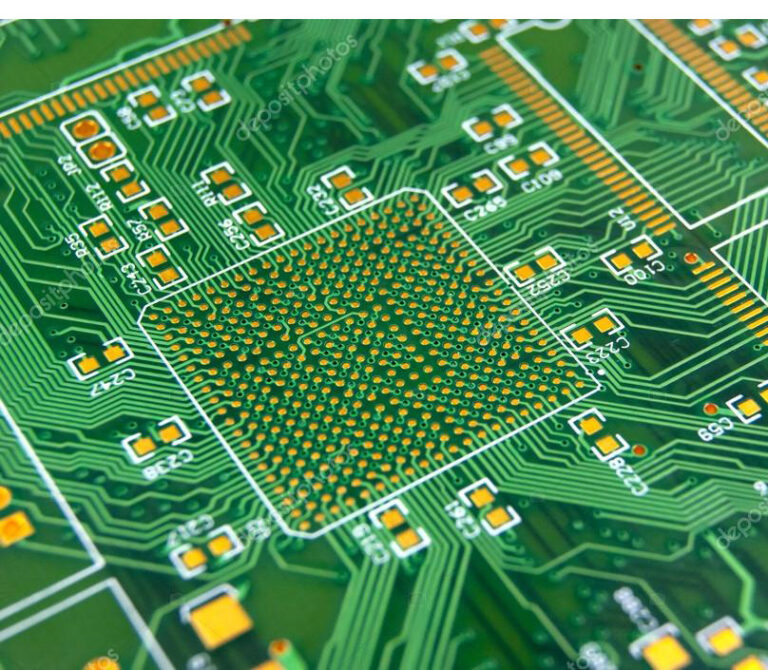
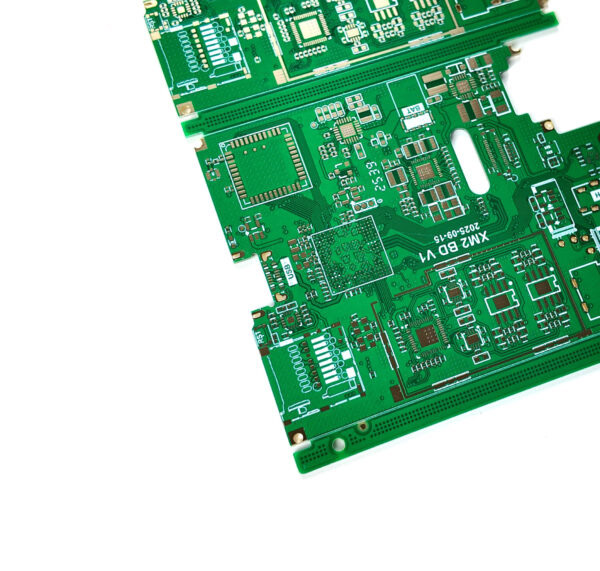
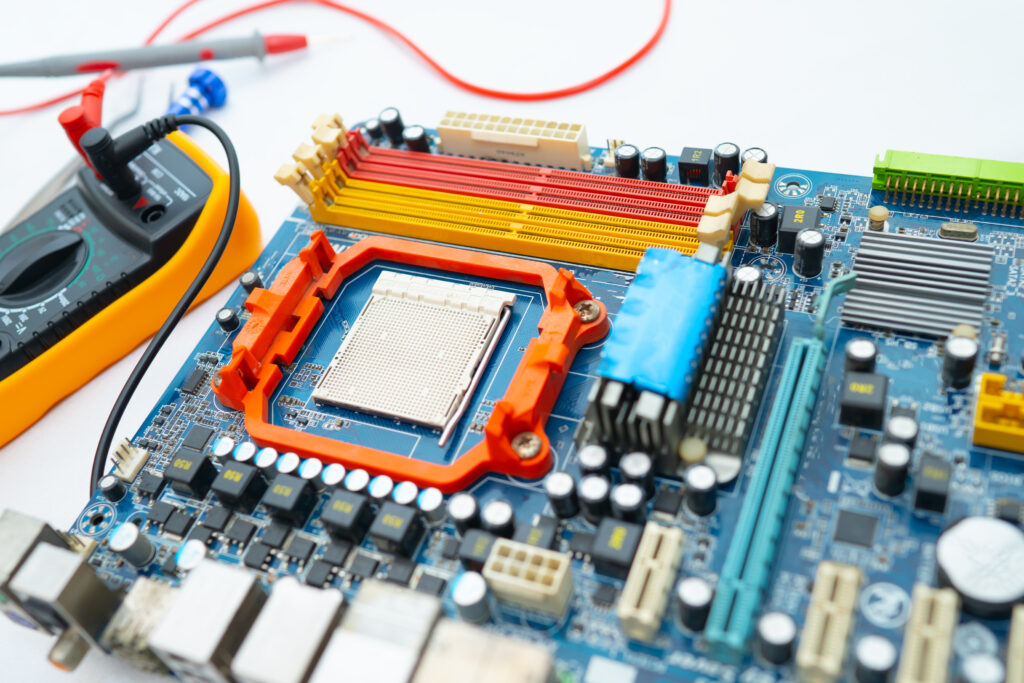
A printed circuit board (PCB) is an essential technology in modern electronics that supports and interconnects circuit board components like resistors, capacitors, and integrated circuits. PCBs are made out of copper layers forming conductive paths through multiple board layers separated by insulating substrates in order to facilitate electrical connections while also offering mechanical stability and physical connectivity between layers of boards.
Modern PCB designs make use of PCB Design Software to trace out traces, simulate circuits and plan the ideal placement for through-holes, surface mount devices and components. Fabrication processes including etching, drilling and copper foil application further define its final appearance.
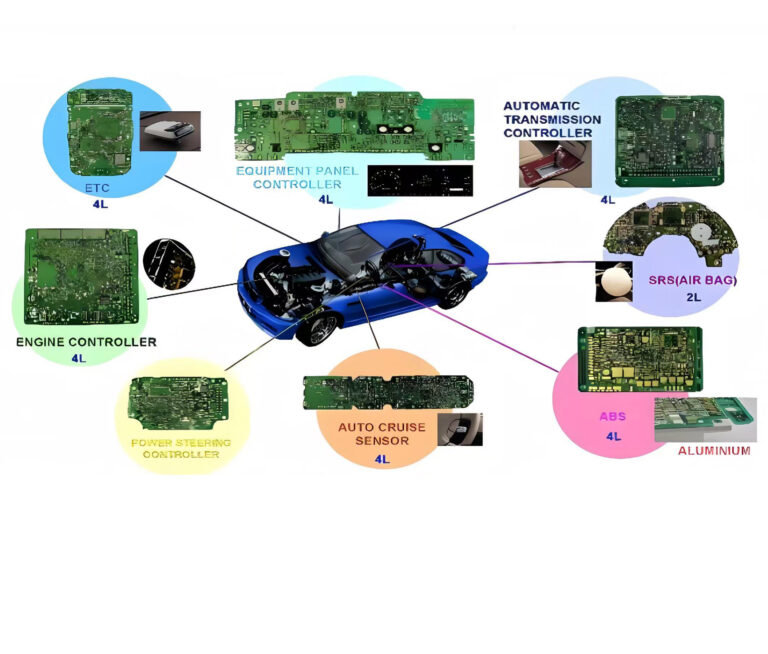
Common Devices That Use PCBs
From simple gadgets to sophisticated OEM (Original Equipment Manufacturer) assemblies, PCBs power countless electronic tools and machines:
- Computers, laptops, and tablets
- Automotive control systems
- Medical diagnostic and imaging devices
- Home appliances and smart devices
- Industrial automation controls
PCBs are designed with future repair techniques in mind, offering easier access to through-holes and circuit traces on serviceable boards.
Why Do Printed Circuit Boards Fail?
Common Reasons for PCB Failure
Failures of PCBs can be divided into categories that highlight their most urgent repair requirements:
Physical Damage: Cracked or broken boards due to mishandling or impact are one of the leading causes of board failure, often damaging copper traces, component leads or solder pads. Short Circuit: Solder bridges, moisture intrusion or misplaced components creating unintended circuit paths often contribute to short circuiting on circuit boards and lead to board failure.
Component Failure: Component failure can include burnt resistors, blown capacitors or failing integrated circuits; frequently due to overheating, design flaws or power surges.
Trace Damage: Heat exposure leads to burning resistors or capacitors to become burnt–often because overheating, design flaws or power surges have rendered their conductivity impaired.
Poor Design: Flimsy PCB materials or improperly spaced traces make a board vulnerable from its inception, while overloads, brownouts or voltage surges frequently damage sensitive circuit components on board.
Manufacturing Defects: Residual flux residue, dirty solder joints or improper copper plating may all play a part in early malfunctions of products manufactured. Environmental Factors: Moisture and humidity cause corrosion issues within outdoor or industrial settings, particularly if left alone for too long.
Table: Comparison Method for Diagnosing PCB Failures
Symptom | Likely Cause | Repair Approach |
No power | Short circuit, blown fuse | Check/replace fuse, fix shorts |
Intermittent op. | Cold solder joint, cracked trace | Resolder, jumper trace |
Inconsistent signals | Faulty IC, bad solder connections | Replace IC, reflow solder |
Burn marks | Power surge, improper voltage | Inspect, repair, replace parts |
How Long Should a Circuit Board Last?
An intelligent circuit board from an experienced PCB manufacturer should last 10-20 years with proper care, but malfunctions increase if exposed to vibration, heat, power anomalies or poor design over a prolonged period.
Diagnosing PCB Problems: Can Circuit Boards Be Repaired?
How to Tell if a Circuit Board is Damaged or Malfunctioning
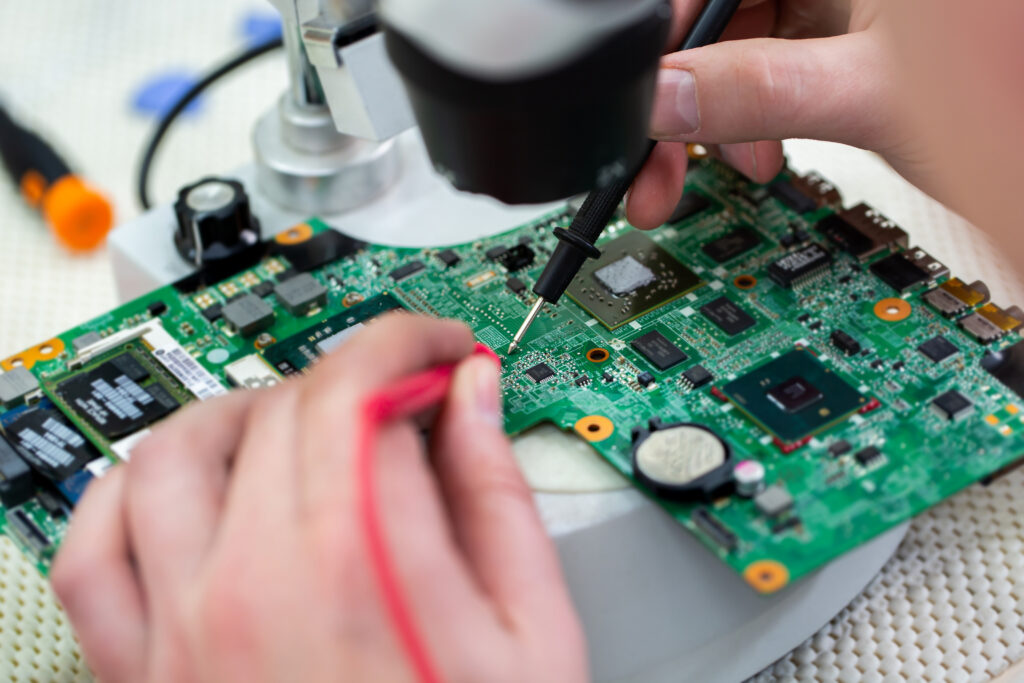
Here are several practical methods of diagnosing PCB issues and verify their :
- Visual inspection: Check for burn marks, corrosion, cracked solder joints, or physical damage on PCB traces and board layers.
- Continuity Tests: Use a multimeter to confirm the integrity of copper traces and through-holes.
- Component Testing: Test resistors, capacitors, and ICs individually for proper behavior.
- Symptom Analysis: Sudden loss of function, power issues, and device non-responsiveness are red flags.
If in doubt, use a systematic comparison method: compare the suspected circuit board against a known-good one to match voltage levels, component values and signal quality.
PCB Diagnostics and Testing Tools
A complete set of PCB repair tools is your best ally for effective circuit board repair:
Tool/Equipment | Use Case |
Soldering Iron | Reflow and repair solder joints |
Desoldering Pump | Remove excess solder |
Solder Braid/Wick | Clean solder bridges, prepare joints |
Flux Pen | Improve solder flow |
Multimeter | Continuity, voltage, resistance checks |
Oscilloscope | Signal analysis, waveform validation |
Microscope/Inspection Lamp | Detect detail issues/traces |
BGA Rework Station | Surface-mount IC removal/replacement |
X-ray Inspection System | Internal fault/traced damage detection |
ESD protection | Prevent static damage during repair |
Comparison Board | Diagnose faults by direct comparison |
When to Repair or Replace a Circuit Board
Circuit boards may be repaired when their cause can be isolated (for instance a single burned component, minor trace damage or short circuit). When more widespread damage has occurred-such as delaminated boards with excessive component failures or compromised copper layers-replacement is often more cost effective; though high value or custom OEM boards may merit complex repair or remanufacturing solutions.
The 5 Most Common PCB Repairs
These repairs cover most PCB troubleshooting and board repair scenarios:
- Solder Joint Repairs:Soldering iron repairs include fixing cold joints, solder bridges or tombstoning using flux pen solder.
- Trace Repairs:To restore broken or burnt circuit traces using copper wire or foil as replacements.
- Component Replacement:Removing and replacing broken components such as resistors, capacitors and integrated circuits is often an essential task in modern engineering.
- Pad and Via Restoration:Revamp or replacement of lost connection pads and through-holes for reliable component mounting and electrical continuity, typically using copper foil, conductive epoxy or specialty PCB pad repair kits to secure junction between layers on board and components on circuit board layers.
- Cleaning and Repairing PCB Corrosion:Addressing corrosion caused by environmental factors like humidity, spilled liquids, or battery leakage. Cleaning is performed with isopropyl alcohol and neutralizing solutions, followed by restoration of any damaged conductive paths or pads.
Other Common PCB Problems and Solutions
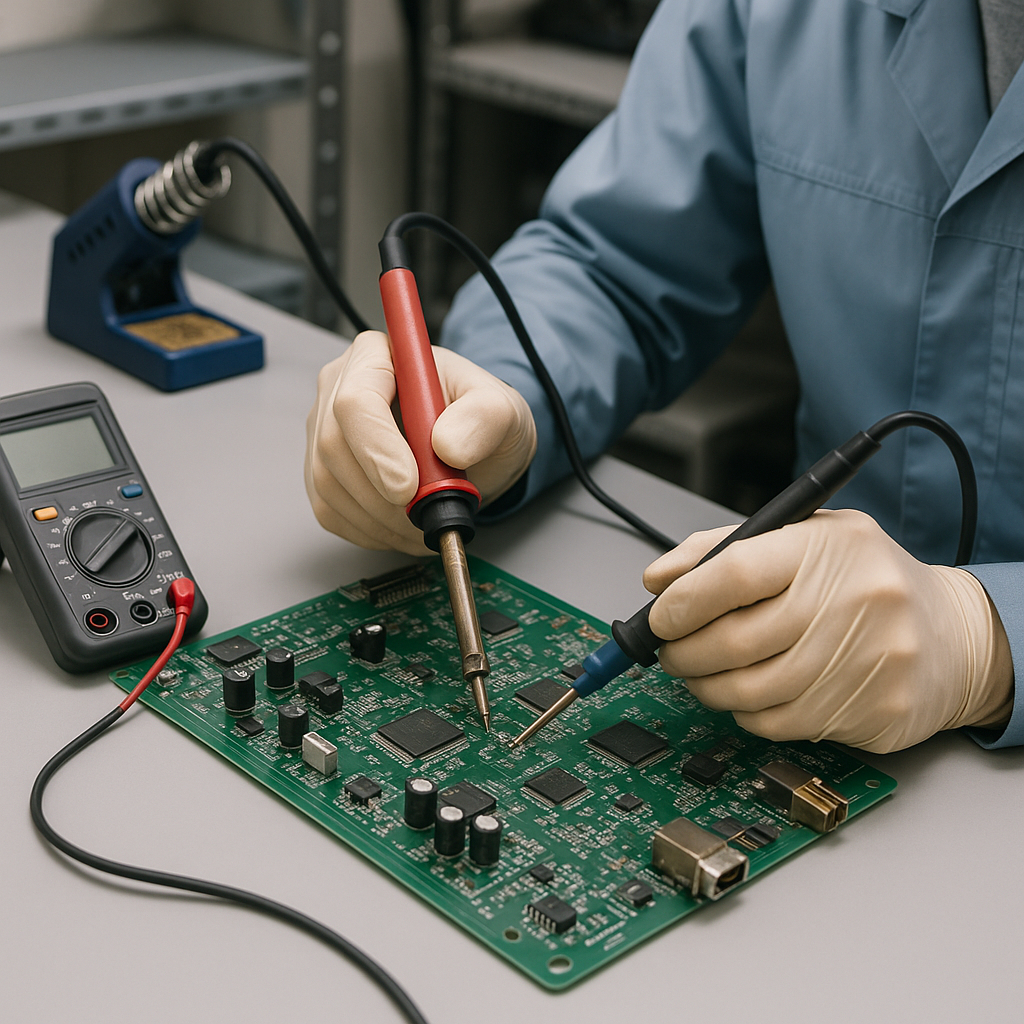
Short Circuit Issues: Short circuits are one of the most common problems plaguing PCB boards, often resulting from solder bridges, misplaced wires, or conductive debris. To fix the board, use a sharp eye and diagnostic tools to track down the culprit. Remove shorts with a soldering iron, solder wick, or desoldering pump, then retest with a multimeter.
Additional Circuit Board Problems and Solutions:
- Sporadic Malfunction:Often due to micro-cracks in solder joints or PCB traces. Re-solder and reinforce.
- Failed Through-Holes or Vias:These are especially prone to physical damage during component removal or insertion; use copper wire or plating pens for restoration.
- Power Rail Failure:Caused by failed components or poor PCB design—replace affected components, and verify PCB assembly for design flaws.
- Component Shifting During Soldering (Tombstoning):Preventative measures include adjusting the reflow oven profile or improving PCB design.
Practical Experience Note: If repeated circuit failures occur, review the PCB design, manufacturing process, and ensure that the board meets the standards for your application.
Essential Tools and Materials for PCB Repair
Any effective repair begins with the right collection of repair tools and PCB repair tools. Here’s a comprehensive list:
Repair Tool | Purpose/Function |
Soldering Iron | Soldering and desoldering of components, joints |
Desoldering Pump | Suction away molten solder for part removal |
Solder Braid (Wick) | Remove excess solder and clean connections |
Flux Pen | Improve solder flow, reduce oxidation on PCB |
Multimeter | Continuity test, voltage/resistance measurement |
Oscilloscope | Inspect signal integrity and trace troubleshooting |
BGA Rework Station | Surface mount and IC chip servicing |
X-ray Inspection System | Find hidden trace or layer damage |
ESD Mat & Wrist Strap | Anti-static measures for quality control |
Copper Foil / Jumper Wire | Trace and pad restoration |
Magnifying Lamp/Microscope | Visual inspection for circuit board repair |
Cleaning Brushes/Alcohol | Remove corrosion/circuit debris |
Be sure to follow safety protocols to avoid electrocution and ensure that anti-static measures are in place during sensitive repairs.
PCB Repair vs. Professional Services
DIY PCB repairs may be adequate in solving immediate, easily detected faults; however, more complex multilayer boards or integrated circuits often need professional PCB refurbishment services for better repair results and faster turnaround time. Our company uses advanced diagnostic equipment like BGA rework stations and X-ray systems to deliver faster turnaround times with manufacturer quality results if you require fast circuit troubleshooting solutions or high value electronics repairs with warranties coverage that guarantees results and service coverage.
Preventive Maintenance and Longevity Tips for PCBs
- Inspect Regularly:Regular visual checks help you find circuit board damage early and prevent major failures.
- Control Humidity:Keep PCBs in controlled environments; moisture is the primary cause of corrosion and conductivity issues.
- Practice Good Design:Use enough copper thickness, validate with PCB design software, and consider the placement of sensitive components.
- Quality Assembly:Ensure best practices in PCB assembly; solder joints must be clean, components secured, and through-holes or vias unobstructed.
- Use Quality Components:Select reputable suppliers for your PCB components and always review quality control reports from your pcb manufacturer.
Frequently Asked Questions About PCB Repairs
Q: How do I know if my circuit board needs repair?
A: Symptoms include total malfunction, sporadic operation, burn marks, failed continuity tests, or visible broken/corroded traces.
Q: Can a short circuit on a PCB be fixed?
A: Yes. Most short circuits are repairable using simple PCB repair tools like a soldering iron, solder wick, and a multimeter to locate the short.
Q: What are the essential pcb repair tools?
A: Soldering iron, desoldering pump, flux pen, multimeter, oscilloscope, and ESD protection are essential for safe and thorough repairs.
Q: How do I troubleshoot a PCB if I don’t have a schematic diagram?
A: Use the comparison method—compare your board visually and electrically against a known good board to help you find faults.
Conclusion
No matter if you’re an electronics hobbyist or engineer, mastering PCB troubleshooting and repair techniques outlined here can help you pinpoint and solve some of the most prevalent circuit board problems like solder faults, trace breaks, short circuits and component failure. From preventative maintenance and design considerations to using appropriate repair tools and repair kits – your ability to repair PCBs will extend their lifespan of any electronics device you touch significantly. When repairs become too complex for DIY repairs alone to handle, please seek professional remanufacturing or support from professional PCB manufacturers or repair services if repairs become too complex for DIY efforts alone.
Keep this guide close at hand for all of your circuit board repair and troubleshooting needs – experience and the right tools can make all the difference when it comes to electronics!