What is Red PCB?-A Comprehensive Guide to Red Solder Mask
Introduction
The printed circuit board (PCB) is the heart of today’s electronic devices and the key enabler for high-volume electronics manufacturing. PCBs are available in a variety of colors, but red PCB boards have experienced a surge in popularity among manufacturers and designers seeking to maximize visibility while also imparting a bold visual statement. Although the colour green has been traditionally dominant in the industry – many have found that other PCB colours offer visual appeal, branding opportunities and have utilised them in certain design applications to assist with particular inspection techniques. In this all-inclusive guide, you’ll discover when and why to go for the red solder mask, the impact it has on your assembly, and how it contributes to an easier inspection of the board.
What is a Red PCB?
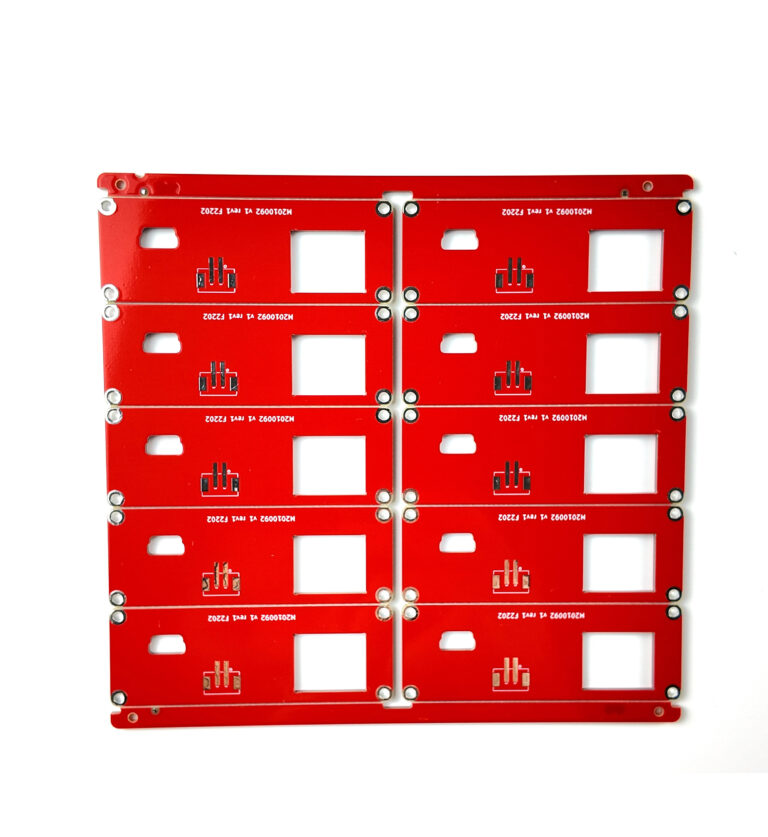
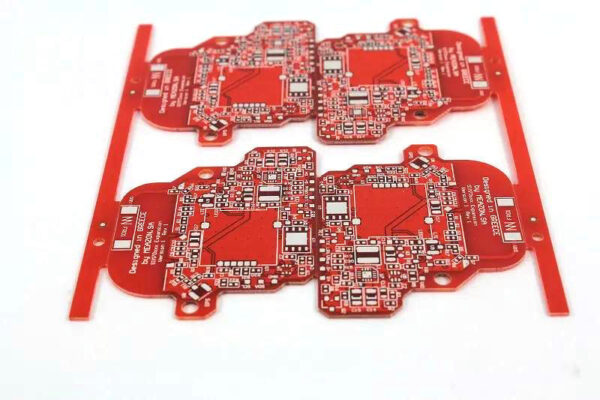
A red PCB is one in which the solder mask (the protective layer that is applied to the board) is red in color. This protective layer is very important in the production of PCB and plays a role not only in beautifying the visual effect, but also in functional reliability and performance. The bright red color is achieved through the addition of pigmentation during the production process. Red is commonly chosen to enhance the appearance of products where the PCB is partially visible, or where it needs to be easily differentiated from other boards.
The color does not affect the core materials like the FR-4 fiberglass composite, the copper traces, or the epoxy-based solder mask. Rather, the solder mask is a protective layer applied to these elements that adds to the insulating properties and the mechanical strength of the final PCB. The choice to go with a red color for the solder mask is usually a design decision with both practical and visual factors.
The Role of the Solder Mask in Red PCBs
Solder mask is a protective and insulating film that is applied on the copper traces and is found in almost all modern PCBs. For a red colored PCB, the mask is the red color of the pigmented epoxy or LPI (liquid photoimageable) resin. The mask is a protective coating that is applied to all the non-soldered areas of the board and it prevents solder bridges, oxidation, and contaminates from the environment.
Solder mask helps:
- Insulate copper traces and components from accidental shorts
- Offer mechanical strength against bending and scratching
- Protect against moisture and corrosion protection(oxidation)
- Improve reliabilityand product lifespan
- Enhance the visual appealby providing a uniform, professional look
When you look at the board, the color selection especially red can help find production problem, solder bridges or flux residues, aid in your assembly process.
Why Are Circuit Boards Different Colors?
Although PCBs come in a variety of colors today, green has traditionally been the default color because of the availability and cost balance of green solder mask materials. Historically, the standard green solder mask with good contrast was easier to inspect with the naked eye in normal factory lighting and magnification.
But as industries started to realize the advantage in high visibility, better branding and easier inspection, the selection of color broadened. Nowadays, PCB manufacturing frequently requires more than just technical details; it calls for visual differentiation and user experience. Some of the popular colors are blue and black, yellow and white, purple and of course red.
Reasons for different PCB colors include:
- Visual impactand branding
- Easier to inspect the boardduring assembly and troubleshooting
- Industry identification and safety coding
- To match corporate color schemes or differentiate between versions
Red PCB Color Code & Manufacturing Process
Red Color Code
Although there is no standard code for red color, phrases such as “SR-Red”, “RSM-05 Red” and “LPI Red” are commonly seen. Manufacturers can provide glossy red and matte red finish options, which change the look of the PCB when lighted or to the eye.
How Are Red PCBs Made?
- PCB Fabrication:Beginning with an FR-4 PCB substrate, copper is layered, etched to form traces and components for circuit design.
- Protective Layer Application:A red soldermask (epoxy or LPI resin with red pigment) is applied and UV-cured, which results in a durable layer.
- Silkscreening:Markings are painted, usually in white or yellow, as these colours contrast well with the red mask.
- Finishing:Surfaces are coated with HASL, ENIG or other finishes for better resistance and solderability.
- Inspection:Boards are tested for defects; the red solder mask makes silkscreen and flux residue more visible, so it is easier to find defects.
During professional PCB production, solder mask color quality, coating thickness and curing processes are controlled by companies like LingKey to maintain the consistency of visual appearance and facilitate production in a uniformity and durability manner.

Advantages of Red PCBs
Visual Impact and Appeal
The red color gives good visibility and is over popular products where the PCB can be seen—like clear phone cases, gaming peripherals, or high-end audio gear.
Assembly and Inspection Efficiency
Red soldermask facilitates assembly since it contrasts with copper traces and silkscreen labels. This also enables easier board examination and detection of bridges, misaligned joints or flux residues, especially in high speed production or when the production is stopped for troubleshooting. Red PCBs aid the manufacturer and engineer in that it is easier to view the board during various stages of assembly.
Reliability and Protection
The solder mask is a protective layer applied to the board with insulating properties, and mechanical strength, regardless of the colour. On the other hand, picking a red solder mask also means choosing a finish which is less prone to show residue or dirt, boosting up reliability of the visual inspections, particularly on small runs and prototyping.
Branding and Differentiation
Choosing red as a color option for PCBs gives brands a unique differentiation in an ocean of green PCBs for the masses. For companies providing high-end or limited edition products, or products where the PCB color is seen, red provides a tailor-made, professional finish.
Red PCB vs Other Color PCBs
Red and green are often compared, since they are the most common choices for development and production. Each color offers different advantages depending on the application and choice of PCBs.
| Color | Pros | Cons | Best For |
| Green | Standard, low-cost, easier to inspect | Less visual appeal | Mass production, default PCB |
| Red | Excellent contrast, branding, aesthetic appeals | Slightly higher cost per board | Prototypes, custom/branding runs |
| Blue | Unique visual, moderate availability | Lower inspection contrast | Special edition, Arduino/IoT |
| Black | Sleek, premium look | Hardest to inspect, absorbs heat | High-end, visible boards |
| Yellow | Offer excellent contrast, high visibility | Expensive, not widely supported | Prototyping, debugging |
| White | Reflective, good for LEDs | Shows dirt, lower silkscreen readability | Lighting & optical applications |
| Purple | Distinctive, OSH Park niche | Rare, higher surcharge | Maker/hobbyist projects |
- Red PCB vs Green PCB: Green is still the standard color used for normal factory runs, but when visual impact and branding are more important, red is the Red is also great if you want a board that is easier to view the board or visually isolated from other boards in its assembly area.

Common Applications of Red PCBs
Red PCBs are typically used in:
- Consumer electronics: Where the PCB might be visible or coloration adds value to the product design.
- Prototyping and limited runs: Fast assembly and debug with simplified circuit design check because of improved contrast.
- High-end audio and specialty devices: Products where the PCB color is part of the aesthetic.
- Automotive, aerospace, and medical: Visual coding and fast identification.
- Gaming and modding communities: Enthusiasts seeking a premium look.
Manufacturing & Design Considerations
Considerations for Red as a Color Choice
When designing with red solder mask, think about:
- Cost per board:Red may cost a little more than green, so consider whether the visual and inspection advantages are worth the premium.
- Inspection under Lighting:Red can appear different when viewed under bright or direct light compared to green or yellow. But visual impact and the potential for superior contrast, particularly with white or yellow silkscreen, still make it one of the best options for lines that are easier to inspect, especially when they contain complex traces and components.
Visibility During Assembly and Troubleshooting
Selecting red solder mask simplifies the visibility of the board during assembly and troubleshooting. For assembly staff and engineers this means quicker identification of problems such as incorrect placement of components, solder bridges or cold solder joints. The outcome: Streamlined PCB solutions and less chance of defects surviving final QC.
Solder Mask Finish Options
Red solder mask surface finish is available in glossy or matte. A glossy finish can add more attractiveness to the visual, the red could get even more vivid, this is very good for the products with PCB is shown intentionally. Matte surfaces also reduce glare and make the under factory lights easier to read it helps even more when you’re checking the board.
Silkscreen and Color Contrast
- White and yellow silkscreens provide good contrast on red, making it easy to see text, logos and markings.
- Avoid black silkscreen on red, as it can get lost amid the color and hinder quick inspections.
Design Decision and Customization
The decision of PCB colour is the one of the design options that you can choose based on both the technical demands and your company identity. If you have specific design needs.With an experienced PCB manufacturer such as LingKey, you can be assured your products will perform well, color match consistently, and be optimized in both function and appearance.
Myths & Misconceptions About Red PCBs
A lot of people still believe that the color selection impacts usability or performance, but that’s not true:
- The solder mask is a layer of coating that protects the copper and does not affect any of electrical properties, EMI shielding, or the mechanical strength of the substrate. It is related only to visual inspection, branding and
- Red doesn’t make a PCB any more or less reliable. Your design, the materials like FR-4, and the assembly process determine performance and reliability, not the color.
Frequently Asked Questions (FAQs) About Red PCBs
Does the color of a PCB affect its functionality or performance? No, PCB color does not affect functionality or performance. All the “important” performance attributes are derived from the layout, stack-up and substrate, and not from the color. The mask is a protective layer to cover the copper, which is the same for all colors.
Is red PCB better than green? Red PCBs provide stronger visual contrast, are easier to examine at times and can make branding more visible on the product. Green is industry standard so it is usually cheaper and can be supported on any assembly line. The option of PCBs at the end of the day depends on your needs and priorities.
Can red PCBs be used in high-end or reliability-focused products? Definitely. Red PCBs are utilized in aerospace, automotive, and other high-reliability industries. Just make sure that the color you choose is compatible with your EMS and inspection process.
Are red PCBs more expensive? A little bit. The cost of a red solder mask can increase marginally the cost of the board because of pigment and cleaning steps in the production process, but the difference is frequently offset by the advantages during assembly and troubleshooting or branding.
Does red solder mask make it easier to inspect the board? Yes. The vibrant red color contrasts well with the white/yellow silkscreen and copper, enabling operators to verify component placement and solder quality at a glance, particularly in low to medium volume manufacturing where visual inspection is important.
Conclusion: Should You Choose Red PCBs?
PCB fabricator & designer and the color of your solder mask is more than just aesthetics. Red PCBs offer a visual impact and get strong visual appeal, plus they can help accelerate the assembly process, and facilitate board inspection at every step of the way. Their performance and durability is maintained by their protective layer applied over traces and components, just like any other color of solder mask.
Although green has long been the standard for PCBs, red is usually the preferred color for prototypes, higher-end products and brands wishing to make a statement. For inspection advantages or branding, red solder mask may be the best PCB color for visibility, simple assembly, and/or better user experience.
When you’re planning on using red for your next project, consult with your manufacturer to make sure it will work with their assembly and test processes. Circuit design with a difference — select red solder mask for both form and function in your next PCB solution.
Also, it is very important to select a trustworthy PCB manufacturer which can guarantee the quality and stability of the colored pcb. LingKey provides high-end pcb fabrication and assembly solutions and customized solder mask options (including non-standard colors), under a strict process control commitment and high quality standards, assisting customers to reach best functional performance as well as visual differentiation.