PCB HS Code Complete Guide
Decipher the challenges of cross-border pcb assembly, pcb import and export with the help of our comprehensive pcb hs code guide.Learn How to Label PCBs Correctly This guide will show you how you should label your PCBs as well as the right code for your PCB board and how to get solid trade compliance allThese are some of the best strategies that can help your company when doing business internationally in electrical machinery and equipment. From bare PCBs to fully populated boards and sophisticated assemblies, accurate HS codes mean you can avoid mistakes, reduce customs tariffs and stop delays that cost money.Contents of the article.
Introduction
The global printed circuit board and pcb assembly market is on the rise, and the importance of accurate customs classification is increasing. Understanding the HS system and customs tariff schedules is crucial to ensuring compliance and saving money. If you’re an experienced electronics exporter or a first time PCB importer, this guide provides some practical tips and advice on harmonized system codes, as developed by the World Customs Organisation.
What is a PCB HS Code?
A PCB HS code (Harmonized System Code) is the classification number used globally to identify and describe PCBs during import and export transactions. Managed by the World Customs Organization, the HS system allows customs authorities to facilitate trade, collect tariffs, and monitor international commerce.
The Code That Describes a Printed Circuit Board
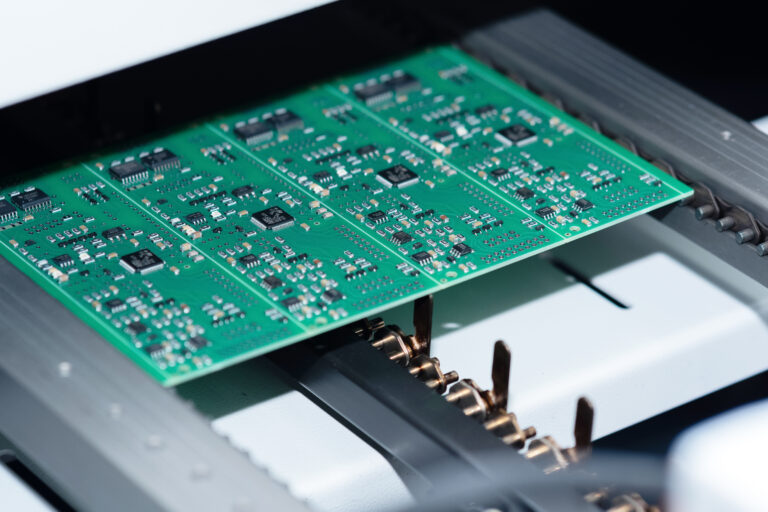
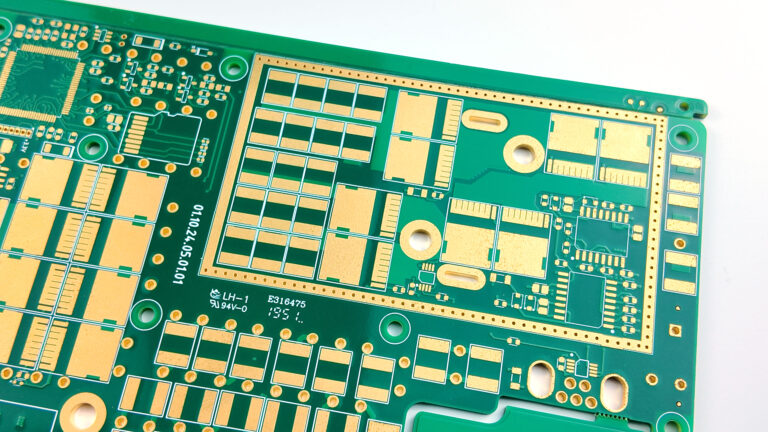
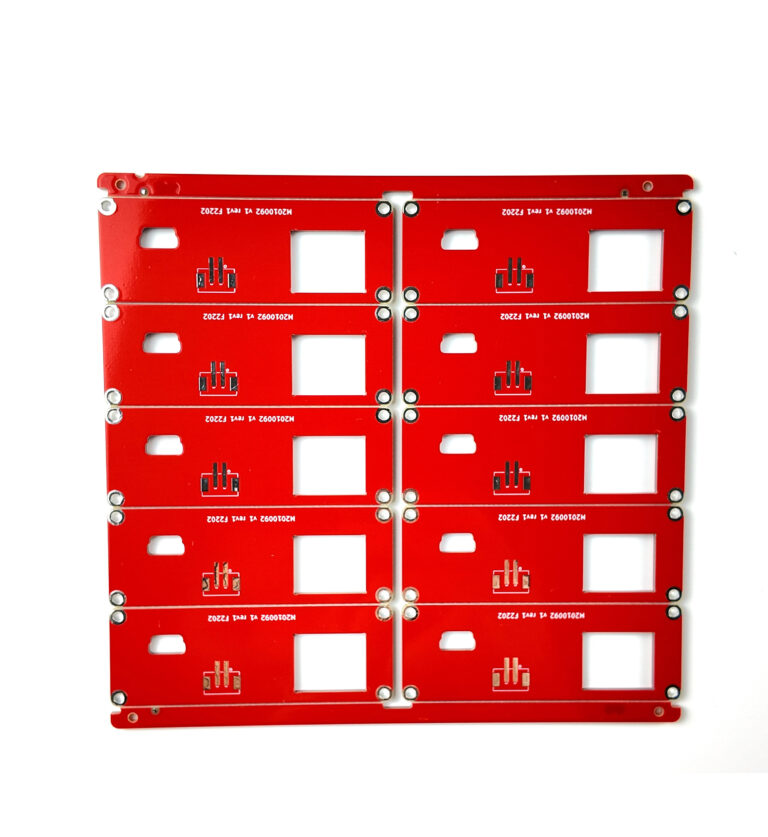
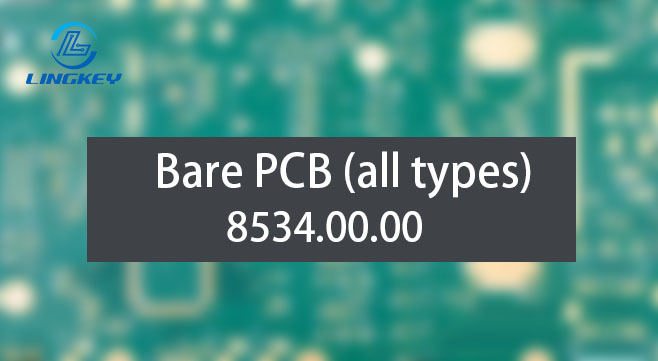
Bare PCB boards the main HS code is 8534.00.00 which related with electrical machinery and equipment. This code makes sure that PCBs without attached components are treated like bare substrates. As for populated PCBs (assemblies), these will have different codes depending on the main components added.
HS Code | Description |
8534.00.00 | Printed circuit boards (bare) |
8534.00.11 | Single-sided bare PCBs |
8534.00.12 | Double-sided bare PCBs |
8534.00.19 | Multi-layer bare PCBs |
8534.00.90 | PCBs with passive elements |
The HS code 8534.00.00 is the most common HS code internationally for PCBs.
PCB HS Code Breakdown
HS classification for PCB boards is structured to provide clarity to customs officials worldwide. The harmonized system codes start with 85 (for electrical machinery and equipment) and drill further down to specific product forms.
- 85– Electrical machinery and equipment
- 34– Printed circuits
- 00– Base category for bare PCB
- .00– Additional country-specific digits or details (e.g., passive components, layers, or features)
This code directly impacts customs tariff assessment for every PCB-related import or export transaction.
HS Codes for Key PCB Product Categories
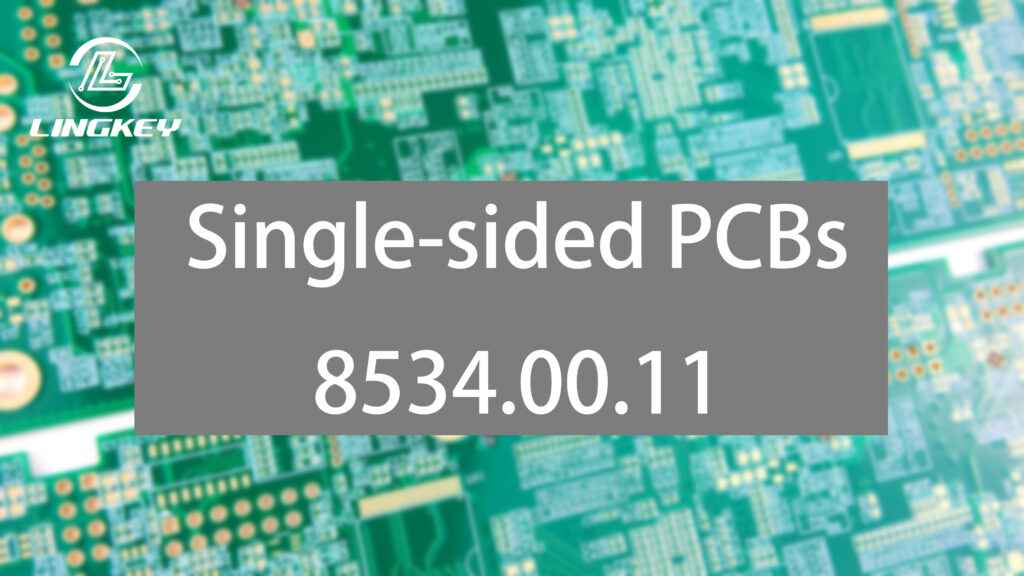
The HS code for bare PCBs is 8534.00.00, but different PCB assemblies require careful classification:
- Single-sidedPCBs: 8534.00.11
- Double-sided PCBs: 8534.00.12
- Multi-layer PCBs: 8534.00.19
- PCBs with Passive Elements, RF: 8534.00.90
- Populated Boards (Assemblies): These combine PCBs with essential components (resistors, capacitors, ICs), requiring different HS codes based on assembly complexity.
Table: HS Codes for Different PCB Types
Product Type | Correct Code | Notes |
Bare PCB (all types) | 8534.00.00 | Base code for unpopulated boards |
Populated PCB (PCBA) | Varies | Based on components, check customs database |
Flexible/rigid-flex PCBs | 8534.00.xx | Confirm with local customs authority |
Importance of PCB HS Code in International Trade
The importance of HS codes for PCB boards goes beyond meeting legal requirements. The correct classification:
- Ensures correct calculation of import duties and customs tariffs
- Is essential for trade compliance and accurate statistical tracking
- Allows participation in trade agreements that reduce tariffs for certain goods
- Simplifies logistics, tracking, and product identification worldwide
Using the correct code is necessary to avoid misclassification—one of the most common causes of customs delays and penalties for PCB imports or exports.
Tariff Determination, Trade Agreements, and Statistics
The system of the HS and the precise HS code play a key role in the calculation of the tariff and duty rates. The HS code is used by the customs authorities to determine which customs tariff rates apply and whether any preferential treatment under a trade agreement is available for each import or export.
Market | HS Code | Customs Tariff |
USA | 8534.00.00 | Assessed per Section 301 and local rules |
EU | 8534.00.00+ | Structured by EU TARIC database |
China | 8534.00.00 | Varies, may include VAT rebates |
Customs Clearance, Documentation, and Compliance
Proper HS classification is critical for smooth customs clearance and compliance. For each shipment, ensure you provide:
- Commercial invoices listing the correct HS code
- Export and import documentation matching the customs database
- Product specification sheets
- Bill of lading with precise codes
- Certificates of origin when required
Finding the Right HS Code for Your PCB Product
To classify PCBs correctly, follow these steps:
- Identify the Product: Is it a bare board or assembled (PCBA)?
- Match to the Right Code: Use 8534.00.00 for bare PCBs; populated PCBs must reflect the essential components.
- Consult Customs Databases: Use your country’s online customs database or the World Customs Organization’s HS system tools.
- Ask Experts:Work with customs brokers or compliance consultants for complex or custom PCB assemblies.
Navigating Classification Challenges
Classifying different PCB and PCBA types presents several challenges:
- Distinguishing Populated from Bare: Misclassification leads to incorrect duties and customs investigation.
- Complex or Custom Boards: Boards with built-in or non-standard features may require extra digits or interpretation by an expert.
- Changing Regulations: The HS code list is regularly being updated by the World Customs Organization and continuous adherence is required.
Best Practices for PCB HS Code Management
- Update Classifications: Review all codes regularly and after new product releases.
- Train Teams:Logistics, procurement, and compliance staff should be informed on how to categorize PCBs.
- Audit Documentation:Occasionally check to make sure all shipping, invoice and customs documents include the right HS codes.
- Leverage Technology: Utilize inventory control and customs compliance software connected to the most recent customs databases.
- Consult Experts: it is important to select the appropriate code that most accurately describes the real configuration and basic elements of your product.
FAQs: PCB HS Code Complete Guide
What is the HS code for bare PCBs?
Do PCBA assemblies use the same code?
Can misclassification cause delays?
How to Change my Photo from Admin Dashboard?
Do different countries use different codes for PCBs?Dashboard?
What’s the best strategy to classify PCBs and ensure smooth customs clearance?
Conclusion
The necessity to know and use correct HS codes for PCB boards especially hs code 8534.00.00 for bare PCBs in electronic manufacturing for international trade. Appropriate classification ensures the correct determination of the tariff and smooth customs clearance and trade compliance. Whether you’re doing pcb assembly or exporting and importing pcb, the code you use tells customs exactly what product you’re shipping–minimizing your risk of misclassification and keeping your supply chain moving.
Keep ahead of the game by periodically reviewing your HS classification, consulting customs databases, subscribing to regulatory updates, and partnering with specialists in pcb hs code classification to help ensure your success and your compliance in the international marketplace.