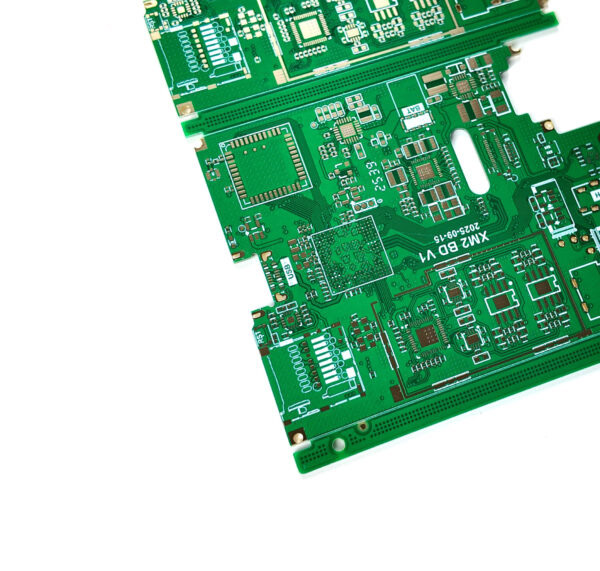
PCB Solder Mask Colors: Selecting the Right Option
Introduction
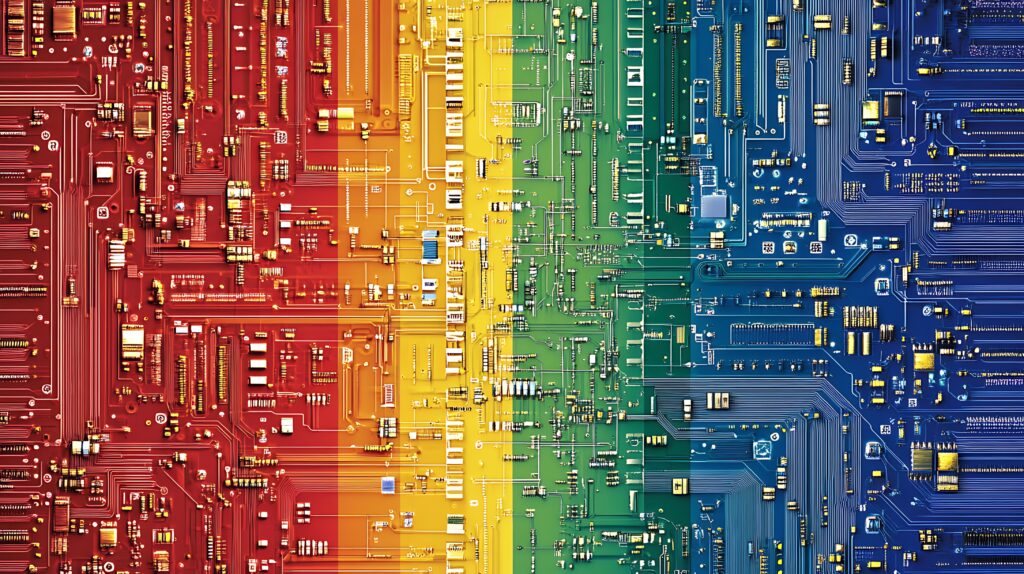
Choosing the right PCB colour and solder mask colour is now widely considered to be a cosmetic and functional hardware design decision. The color you use for your PCB (Printed Circuit Board) not only affects the visual style and brand image but also has influence on the manufacturing cost, inspection and defect detection, thermal characteristic, and market (especially when you are designing your own PCB for a visually-oriented product line or for more clear component identification in the assembly and rework).
As manufacturers provide more and more options, designers and engineers alike have to know how different solder mask colors and PCB Color Guides can influence your final choices. This all-inclusive master’s guide details all the important considerations when choosing a solder mask color ranging from manufacturing, inspection and brand recognition related considerations to the minor impacts on electrical performance, thermal dissipation and supply chain related considerations.
What Is a PCB Solder Mask and Why Does Color Matter?
Solder mask (or solder resist) is a polymer layer or film applied to the surface of a PCB to protect copper traces from oxidation and contaminants and prevent accidental solder bridging during the PCB manufacturing process. This solder stop mask will help at the same time the reliability of your circuit board and its working time by using high quality connection with less risk of trace damage while in use of maintenance or repairing.
The soldermask color – green, blue, red, black, white, yellow, purple, etc.- acts not only as a barrier, but also impacts the aesthetic, visibility of the board, visibility of traces, and ease of inspection. The color of the PCB board can contribute to the thermal properties of the board, how reflective it is (very important for LED lighting applications), and how easy it is to work with the components and silkscreen while assembling and testing the PCB.
The Importance of Solder Mask Color in PCB Assembly
The color of the solder mask is an important factor in the PCB Manufacturer and QA process. Certain hues, including the default green, provide the best color contrast with copper and silkscreen printing to allow for the easy identification of component locations, efficient alignment, and quick detection of errors or contamination. On the other hand, black pcb or boards in other colors like purple, blue can be used for custom or brand identity but may impact on AOI (Automated Optical Inspection) system strength. Furthermore, many consumer and industrial electronics are demanded to be beautiful. The solder mask color selection can also be used to work with branding elements – some companies have branched out into offering unique PCB colors (eg a signature blue PCB or purple solder mask) to extend their product branding.
Does Solder Mask Color Matter for Functionality?
Although there are many engineers who speculate about solder mask color having an impact on electrical performance, in reality all the standard solder mask colours (green, blue, red, black, white, yellow, purple) have essentially the same electrical properties and make no difference to how a circuit performs. However, some indirect effects exist. For instance:
- Darker shades such as black solder maskand red PCB may absorb more infrared energy, leading to slightly elevated surface temperatures during assembly reflow or wave soldering, which, if unchecked, could marginally affect heat dissipation or thermal conductivity during manufacturing.
- Lighter colors, like white PCBor yellow, reflect more light—a desirable attribute for LED lighting applications, where maximizing reflectivity is key.
- Masks with high contrast to components and silkscreen improve defect inspection, while certain unique colors may require more careful maintenance to stay clean and visible.
The Spectrum of PCB Solder Mask Colors: Pros, Cons, and Applications
Here’s a PCB Color Guide for the most frequently used options:
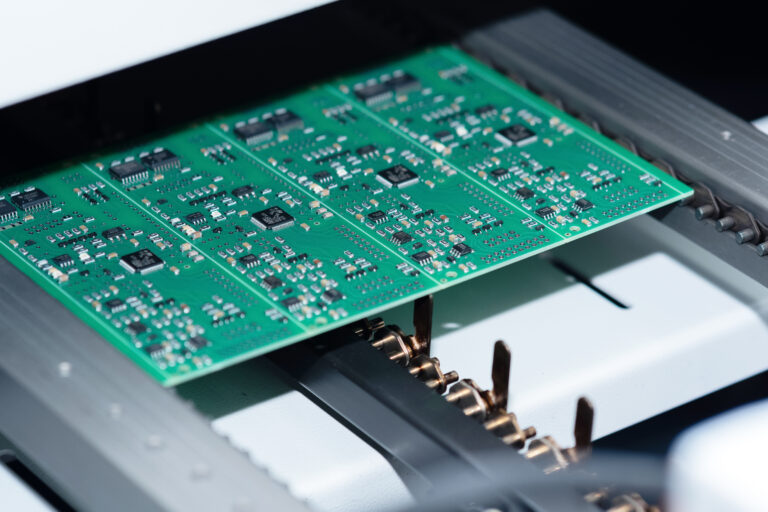
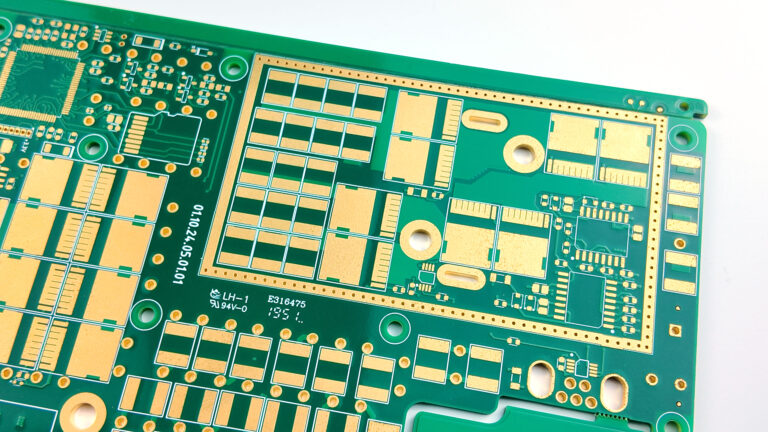
Green PCB (Green Solder Mask)
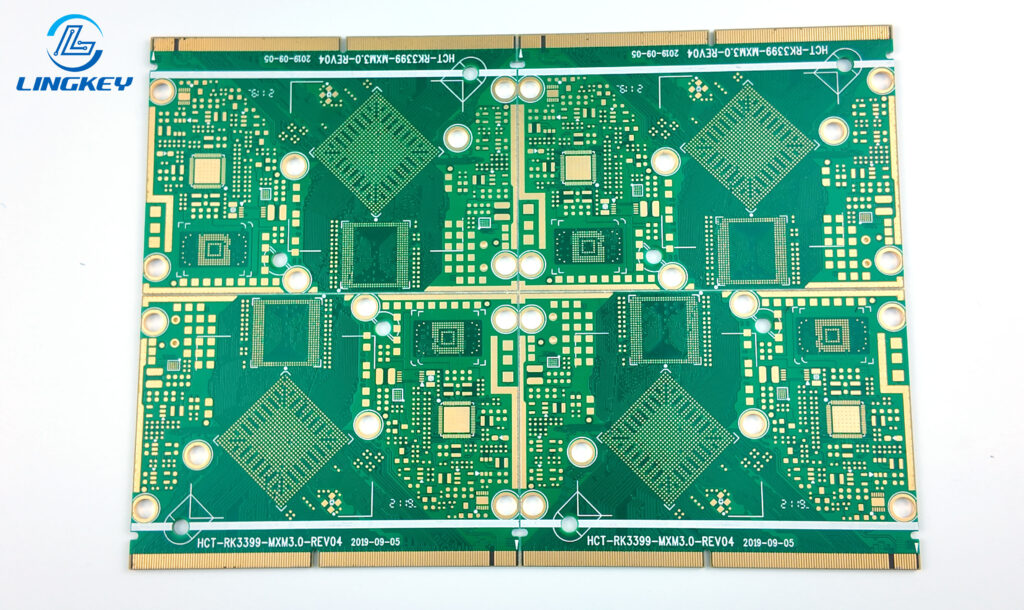
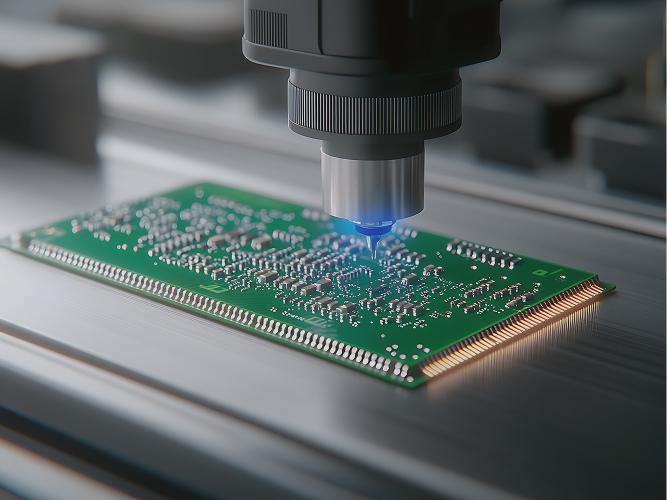
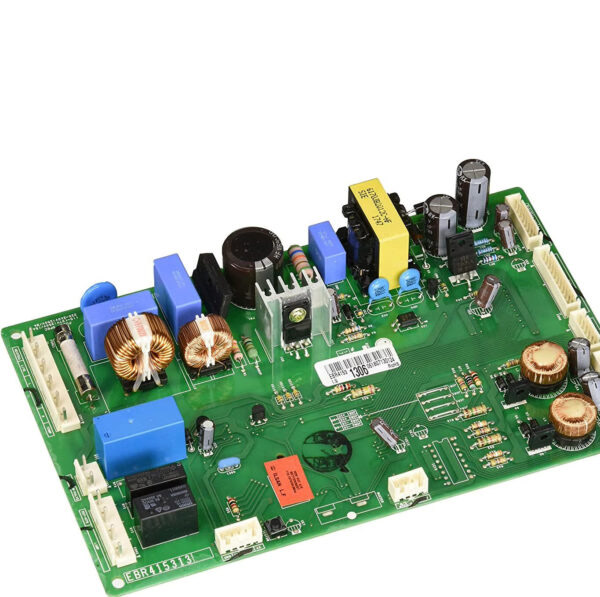
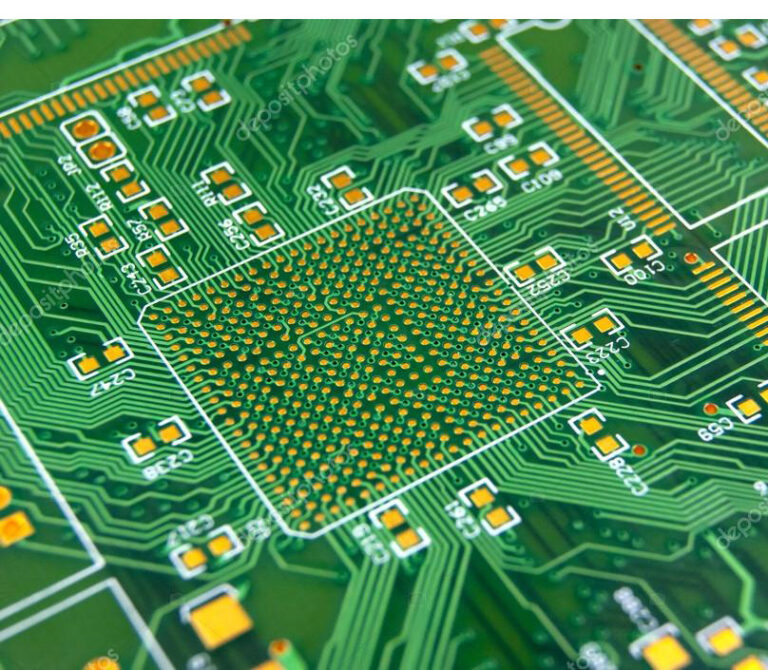
- Green is the most common color for PCB board manufacturing based on the industry tradition and ease of visual inspection of contrast. Green solder mask provides the best compromise in terms of defect visibility and silkscreen clarity and is considered the default for PCB prototyping, large production runs, and high-reliability applications.
- Applications:Consumer electronics, industrial automation, and most PCB designs.
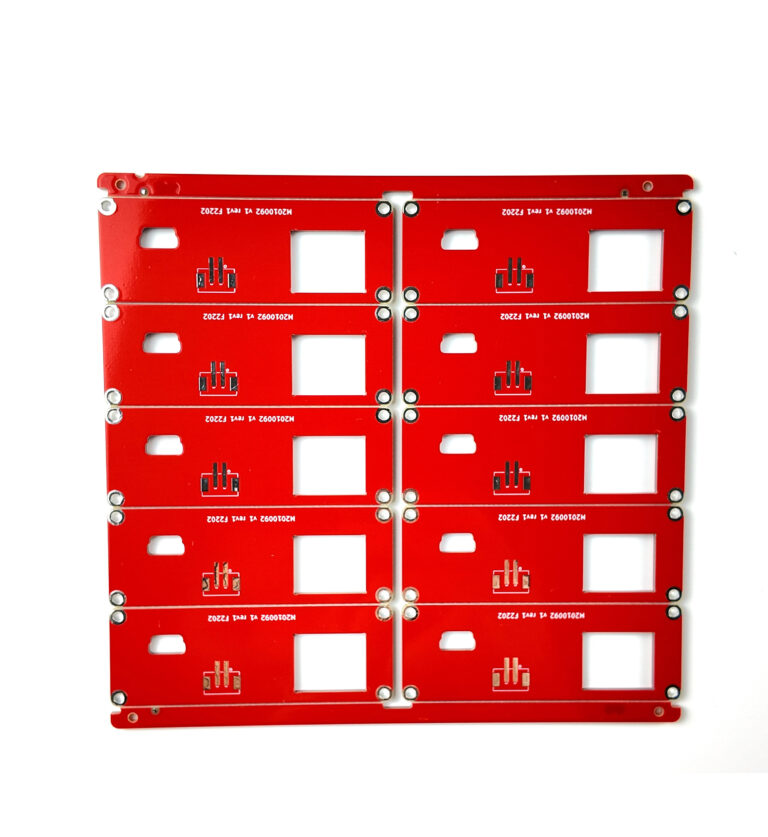
Red PCB (Red Solder Mask)
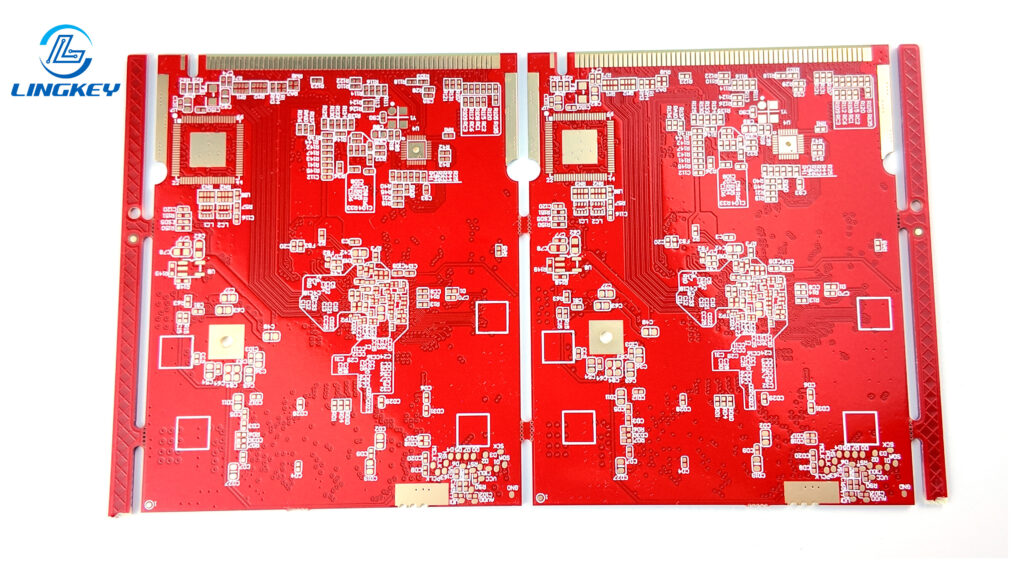
- Red solder maskscreate a bold, eye-catching visual. They offer higher contrast than black or blue in some lighting conditions, aiding in identification and assembly. Red PCBs are also used to signify high-performance or specialized boards.
- Applications:High-end consumer products, demo boards, custom electronics.
Blue PCB (Blue Solder Mask)
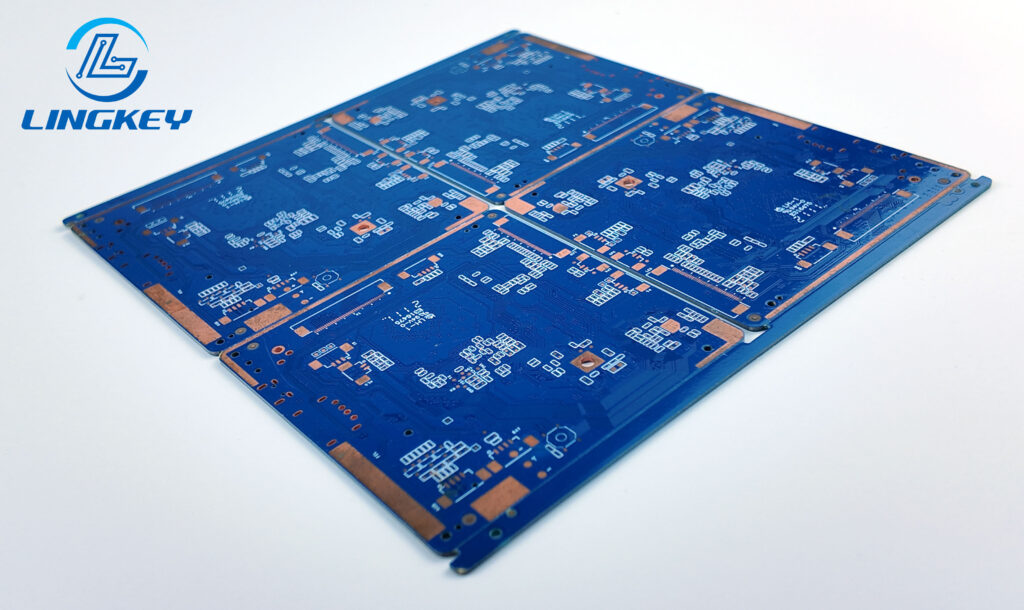
- Blue PCBsare often associated with development boards, industrial products, or where branding requires a less common color. Blue provides modern aesthetics, relatively good contrast, and is frequently used for prototypes.
- Applications: Communication devices, microcontroller boards, brand differentiation.
Black PCB (Black Solder Mask)
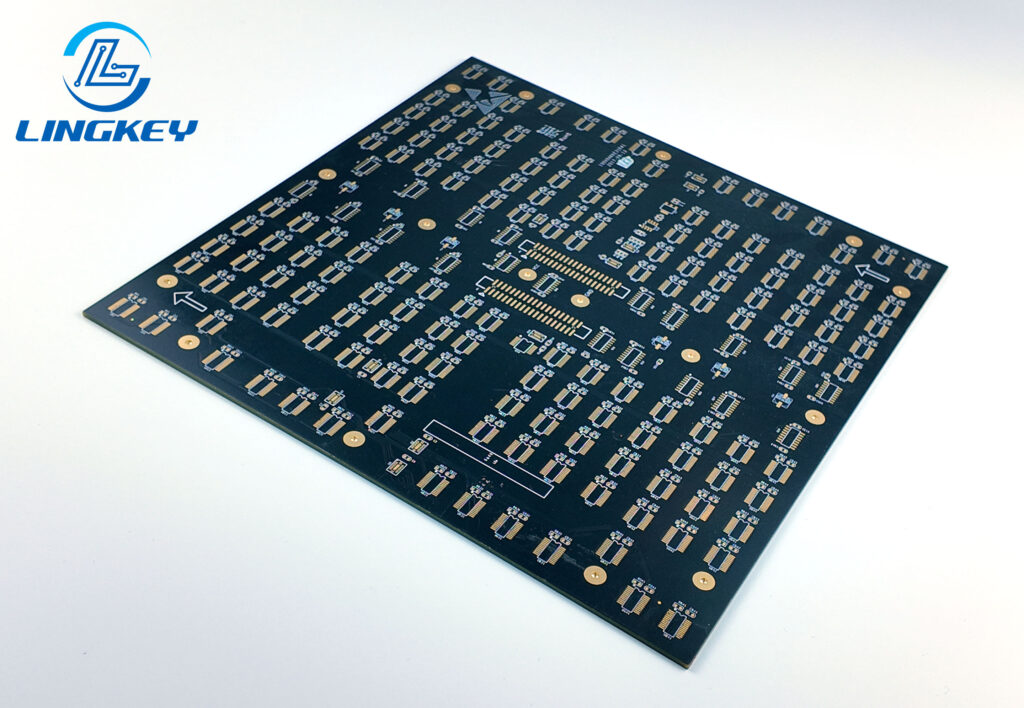
- Black PCBgives a sleek, premium look, perfect for high-end consumer electronics, but can hinder inspection due to low contrast with copper and silkscreen, and may absorb more heat (impacting heat conduction slightly).
- Applications:Premium audio, designer wearables, luxury chargers.
White PCB (White Solder Mask)
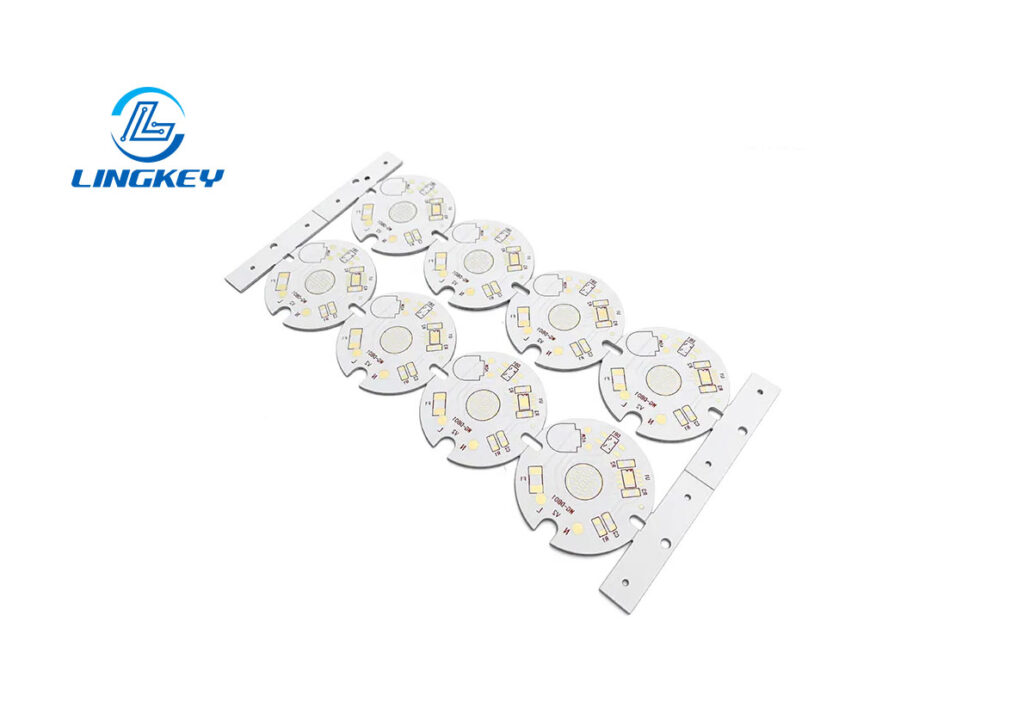
- White PCBmaximizes light reflection and is essential for LED lighting and display modules, though it can get dirty or stained easily and has low text/silkscreen contrast.
- Applications:LED PCBs, backlit displays, lighting appliances.
Yellow PCB (Yellow Solder Mask)
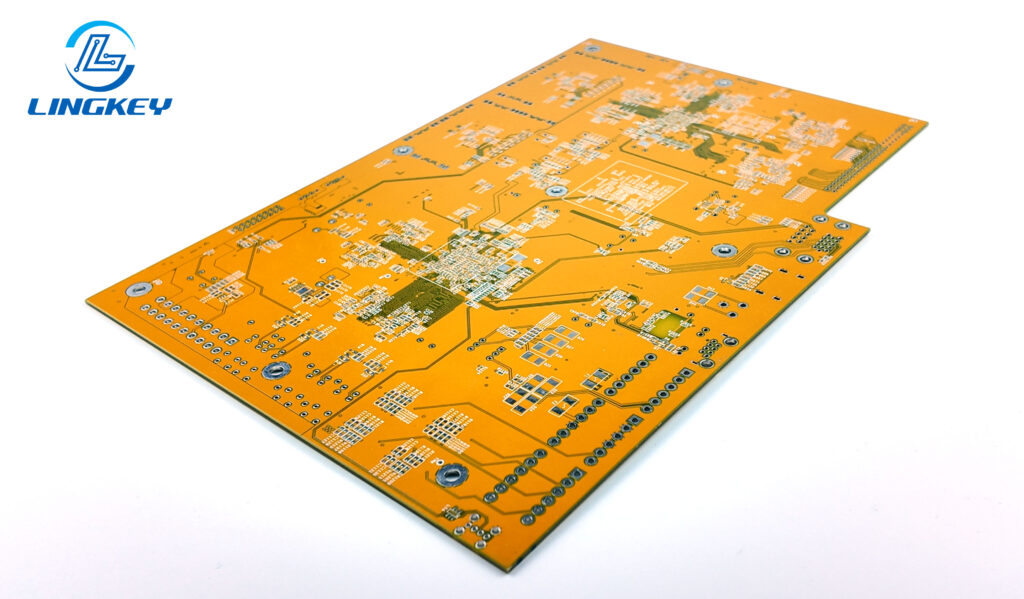
- Yellow PCBsstand out with strong visibility and good heat dissipation, but are less common due to susceptibility to showing dirt and supply challenges.
- Applications:Power electronics, unique branded boards.
Purple PCB (Purple Solder Mask)

- Purple solder maskis most recognized with open-source hardware communities , it sets products apart as visually striking, albeit with potential supply challenges or added cost.
- Applications:Hobbyist boards, limited-edition designs, maker products.
PCB Color | Aesthetics/Branding | Inspection | Heat Dissipation | Common Applications |
Green | High, standard | Excellent | Neutral | Mass production, general use |
Blue | Modern, cool | Good | Neutral | Dev boards, branding, industry |
Red | Bold, eye-catching | Good | Slightly higher absorb | Custom, premium, demo boards |
Black | Slick, premium | Low | Higher absorb | High-end, designer consumer tech |
White | Clean, reflective | Low | Excellent reflectivity | LEDs, displays, lighting PCBs |
Yellow | Unique, strong | Good | Good | Power, unique brand, test boards |
Purple | Unique, creative | Moderate | Neutral | Hobby/maker, branded |
Key Factors to Consider When Choosing PCB Solder Mask Colors
Which color of PCB to choose is based on these tips for color selection and important considerations:
- Product Design & Aesthetics:Align PCB color with your product’s style, intended audience, or corporate look.
- Brand Image & Brand Recognition:Use distinctive colors to set your board apart and reinforce recognition.
- Component Identification:Ensure coloring enables effective visual checks during assembly, rework, and repair.
- Color Contrast:High contrast between solder mask, copper traces, and silkscreen improves inspection and quality assurance.
- Heat Dissipation & Thermal Management:Consider reflectivity for light-based devices or compare dark vs. light colors for heat absorption.
- Production Costs & Supply Chain:Certain specialty colors or finishes may lengthen lead time or cost; standard green is the most cost-effective and readily available.
- Inspection & Maintenance:White/yellow show dirt, black hides defects, green/blue balance both for high-quality manufacturing service.
- PCB Testing & Repair:Green, blue, and red allow easier QA under various lighting, benefiting long-term board maintenance.
- Manufacturing Process & Gerber File Preparation:Be sure your color and silkscreen pairings are supported by your manufacturer’s photolithography process for your chosen solder mask color.
Solder Mask Colors and PCB Performance: Debunking Myths
Solder resist color primarily affects appearance and inspection—not electrical performance or safety. However, subtle effects exist:
- Heat Absorption:Black and other dark masks may slightly increase surface temps during IR soldering.
- Inspection and Visibility:High-contrast options (green, blue, or red PCB) support automated and manual QA; colors like black or white present challenges.
- Supply Chain & Cost:Uncommon colors may increase cost or complicate sourcing in large builds.
Tips for Selecting the Right Solder Mask Color for Your PCB
Prototype
It’s standard, easy to inspect, and fast to source.
Branding matters
Use blue, purple, or custom color for unique PCB identity.
LED/lighting
Go white for maximum light reflection.
Cost-sensitive or high-volume production
Choose green or blue, which deliver the best balance of low cost of production, rapid availability and really good quality assurance.
Ensure silkscreen contrast
Always pair your solder mask with a silkscreen color that maintains high legibility for marking, maintenance, and repair—white or yellow silkscreen on dark masks, black or blue on lighter masks.
Consult your manufacturer
Leverage manufacturer expertise to understand material choices, color compatibility, and technical constraints during the design-to-fabrication process.
Premium product
Black, purple, or matte finishes offer a sophisticated look but require attention to inspection and possible heat absorption challenges
Custom Solder Mask Colors & Special Options
Custom PCB colors will make your product design and brand image stand out in a sea of traditional green boards. If you have a custom brand color or aesthetic requirement like a specific shade related to your branding, matte vs gloss finish or even two color designs, most of the modern PCB fabricators will be able to fulfill those. Keep in mind :
- Minimum orders and cost:Non-standard colors often require a higher minimum order quantity and may incur additional production costs due to custom dyes or processing.
- Lead time:Custom colors may add days or weeks to your regular supply chain, so plan accordingly.
- Verification:Always review a sample or test panel before mass production to confirm the final board color, reflectivity, and overall finish align with your product identity and inspection needs.
Custom color options also give designers the ability to match the look of the circuit board with the overall product design—an emerging trend in consumer electronics, wearables, and other high-visibility technology.
Solder Mask Color Trends and Future Developments
Solder mask color selection is no longer just a technical decision—it’s an integral part of modern PCB design and branding strategy. Some trends shaping the industry include:
- Matte and specialized finishes:These minimize glare for visual inspection and provide a distinctly premium appearance suitable for high-end electronics.
- Eco-friendly/sustainable materials:Advances in pigment and polymer technology enable solder masks that are safer for the environment and manufacturing personnel.
- Two-tone and specialty masks:Designers increasingly use dual-layer or mixed-color solder masks for functional and branding effects.
- Transparent and semi-transparent masks:For wearables, demonstration products, and educational kits, allowing end users or engineers to view inner circuitry for added value or troubleshooting.
- Customization at scale:As PCB prototyping becomes more agile and affordable, more projects benefit from brand-aligned or function-driven color selection across small and large production runs.
Why Choose Our Company for PCB Solder Mask Color Options?
By selecting the right manufacturer, you will be able to take advantage of the full spectrum of PCB color options, as well as receive expert support in the selection of materials, the matching of colors, and the integration with your manufacturing of assembly processes.Our company provides :
- A full range of colors is available in stock including green, blue, red, white, black, yellow and purple, plus Pantone matched and special colors on request.
- No extra fees for standard colorsand clear communication on costs, lead times, and supply chain timing for specialty orders.
- Quality assurance processesthat ensure color consistency, proper solder mask thickness, defect inspection, and strict compliance with industry specifications.
- Engineering support for PCB assembly, silkscreen and solder mask combination guidance, and process integration for custom and high-quality circuit boards.
Frequently Asked Questions about PCB Solder Mask Colors
Does solder mask color impact electrical performance or thermal conductivity?
What is the most common color used in PCB board manufacturing?
Are there disadvantages to using colors other than green?
How do I ensure maximum readability for maintenance?
Can I specify a unique color for my brand or product?
Conclusion: Strategic Solder Mask Color Choices in Modern PCB Design
Choosing the correct color of PCB solder mask involves more than just tradition. Although standard green isthe best choice for the majority of applications due to its visibility that is optimized for inspection, along with its low cost and support within the industry, the colors red, blue, white, black, yellow and purple can be used for additional branding opportunities, aesthetics, and in some cases even thermal management. Let your product requirements, end-use environment and company image be your guide in your selection process.
When you partner with a quality fabricator, you can strike the best balance of cost, production reliability, thermal performance, and visual impact to produce a circuit board that not only runs like a dream but also helps solidify your brand in the marketplace. A considered solder mask colour is one small detail that distinguishes modern, quality and forward thinking PCB design.