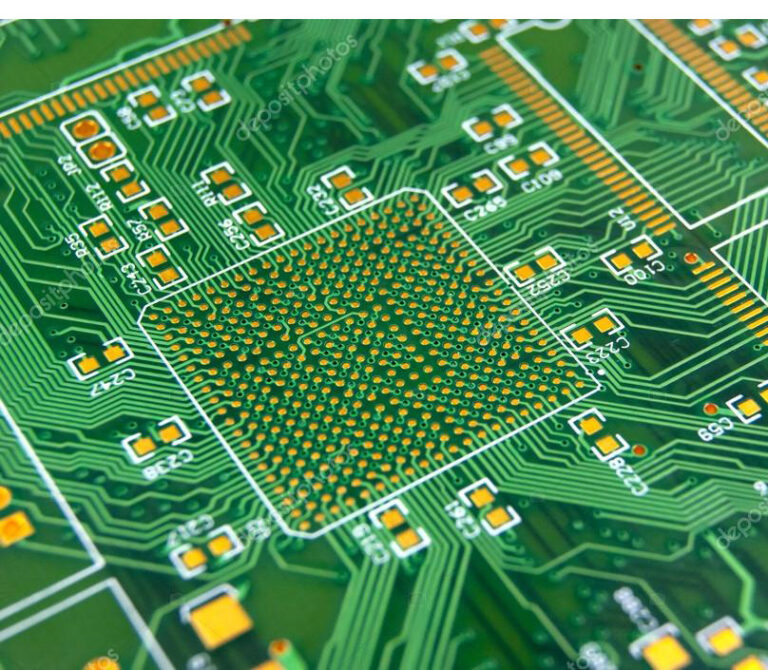
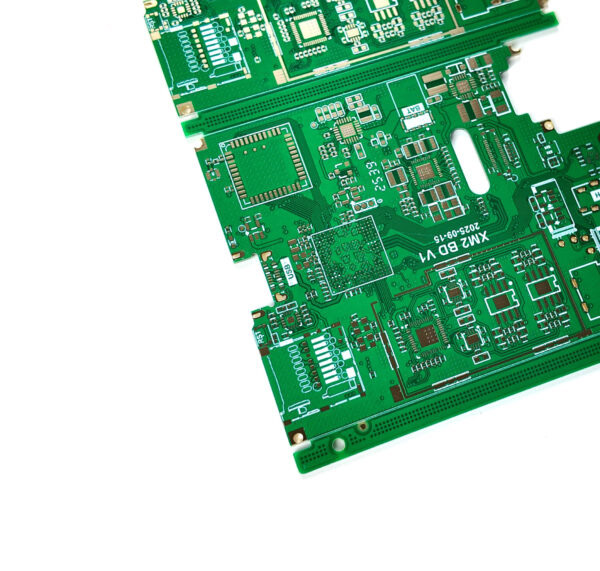
A Comprehensive Guide to Copper Clad Laminate (CCL): Structure, Types, Standards & Applications
Introduction: Why Copper-Clad Laminate is Foundational in Electronics Manufacturing
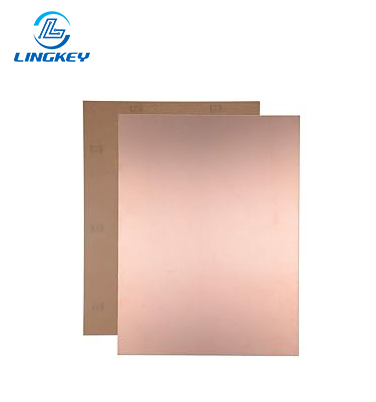
Copper-clad laminate is the pulse of the PCB industry and of modern electronics manufacturing. This material draped by copper on one or both sides in the form of a sheet, with a dielectric substrate layered beneath the copper, forms the foundation of PCB manufacturing, PCB assembly, and dependable device functionality. From your role at a leading PCB manufacturer to a small PCB prototype service, your choice of copper clad laminate will influence the performance and reliability of your finished product.
Today manufacturers and PCB designers have to consider the cost, the complexity, the environmental aspects such as halogen free CCL, and at the same time the high thermal conductivity and signal integrity due to evolving digital devices.
What is Copper Clad Laminate (CCL)?
A copper clad laminate (CCL) is a rigid base material the most common one composed of woven glass fabric, which is impregnated with resin such as epoxy resin (present day FR-4) and a thin layer of copper foil is bonded to one or both side(s) of the base material by heat and pressure. This structure results in a general purpose PCB laminate which can be selectively etched to form detailed circuit traces.
Definition and Key Features
- Laminate consistsof dielectric (insulator) + copper foil
- One or both sidesof the substrate can have copper, supporting single- and double-sided PCBs or more complex multilayer designs
- Used as the primary raw material in pcb manufacturing processes, from simple consumer boards to advanced multilayer systems
Importance in the PCB Industry
The whole electronics industry is based on CCL technology. Due to the improvement in ccl manufacturing process, the electronics nowadays can be more miniaturized, speeded up and stabilized. Compare the standard general purpose CCL with the high frequency, low loss CCLs for 5G, and it’s clear why the ccl is the key for success.
LingKey’s high speed and high reliability pcb production process combines general FR-4 and high end low loss CCL materials for pcbs, keeping the signal integrity stable even in 5G and automotive environment.
Copper Clad Laminate Structure and Components
Every comprehensive guide to copper clad laminate must begin with anatomy.
Copper Foil in Lamination
- Combination of copperwith resin systems gives conductivity for signal routing
- Foil comes in variants: standard ED, rolled annealed, high ductility, and high temperature types.
- Copper foilis available in varying thicknesses and surface treatments for enhanced adhesion
- The type of copper and how it is bonded affects dissipation factor, EMI performance, and thermal dissipation
Dielectric Substrate and Prepreg
- The “backbone” that provides mechanical support, electrical insulation
- Most common: Woven glass(E-glass) with high-quality epoxy resin (FR-4) or high-performance polymers (polyimide/PTFE)
- Prepreg is partially cured resin + reinforcement, used as both bond and mechanical structure in multilayer builds
Advanced Constructions and Materials
- FR-5(improved high-temperature performance over FR-4)
- Ceramic and metal-based substrates for high thermal conductivity
- Hybrid laminates for RF, flexible, or ultra-high-speed uses
Types and Classifications of Copper Clad Laminates
By Mechanical Rigidity
- Rigid CCL(FR-4, FR-5, CEM-1): Standard for most PCBs, strong mechanical and dimensional stability
- Flexible CCLs: Used in flexible circuits and dynamic applications, such as foldable phones or wearables
By Resin and Reinforcement Type
- Epoxy, Polyimide, PTFE, Phenolic(each with its own performance and reliability benefits)
- Substrates reinforced with woven glassfor strength, dimensional stability, and low CTE
- Compound and hybrid resin systems for demanding electronic substrate requirements
By Environmental and Regulatory Class
- Halogen-free CCLs:For green manufacturing and RoHS/REACH compliance
- Lead-free compatible:Survive higher reflow processes in green electronics
- General performance CCL specialty low-dk, low-df, or thermal optimized materials
Key Properties and Specifications
To make sense of CCL options, one must understand their technical parameters and why they matter for pcb manufacturing.
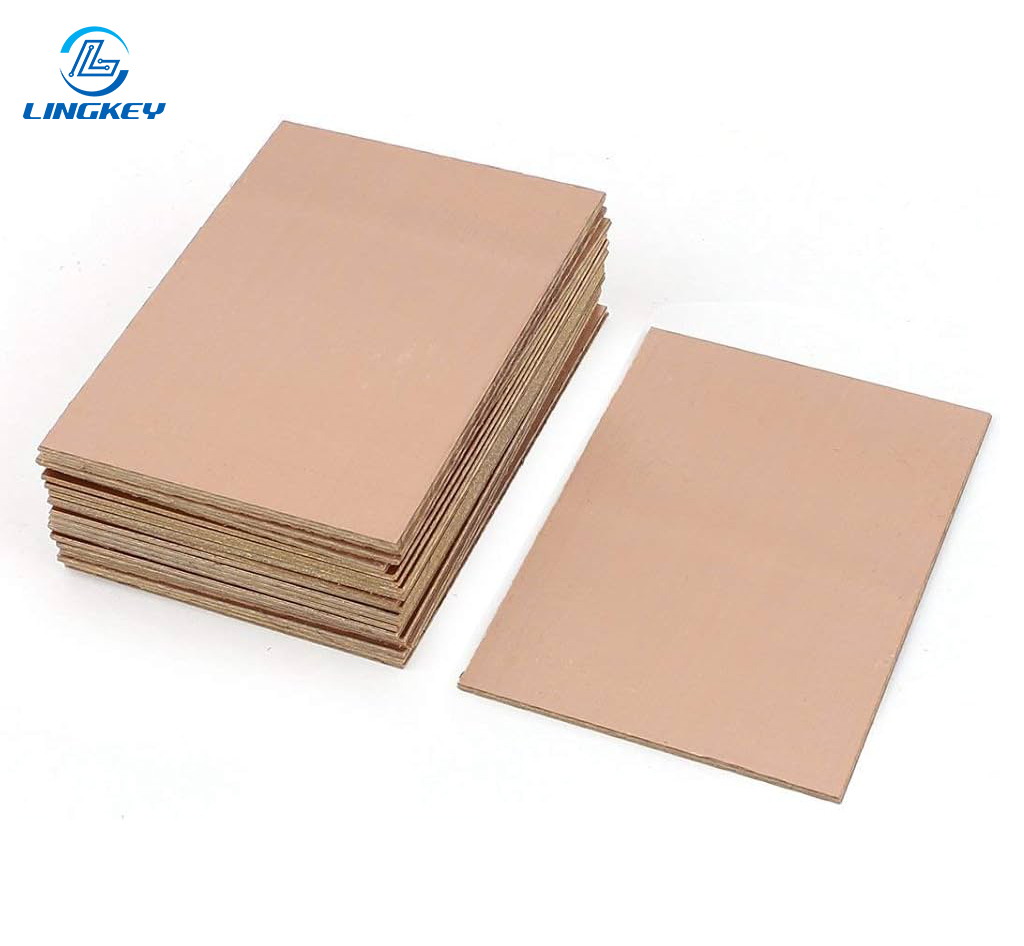
Electrical, Mechanical, and Thermal Performance
- Dielectric constant (Dk)and dissipation factor (Df): Crucial for signal speed and low-loss A lower Df is better for high-speed, high frequency, and RF designs.
- High thermal conductivity:Vital for power boards, LEDs, and automotive electronics where efficient heat movement extends life and reliability.
- Peel strength:Measures copper-to-substrate bonding and predicts manufacturing yield in assembly.
- Thermal decomposition and glass transition (Tg): Indicate heat handling; higher values suggest better high temperature stability.
|
CCL Type |
Dielectric Constant |
Dissipation Factor |
Tg (°C) |
Notes |
|
FR-4 |
4.2 – 4.8 |
0.017 – 0.025 |
120 – 170 |
Mainstream, wide use |
|
FR-5 |
4.4 – 4.6 |
~0.017 |
>170 |
Improved high temp, auto/aero |
|
Polyimide |
3.5 – 4.0 |
0.006 – 0.013 |
250 – 300 |
Flex, high temp/rad resistance |
|
PTFE |
2.1 – 2.6 |
0.001 – 0.006 |
>200 |
RF/microwave, low-loss |
|
Ceramic |
3.0 – 7.0 |
0.001 – 0.01 |
>250 |
Power, thermal, aerospace |
CCL Manufacturing Process: How CCL Material is Made
Selection and sourcing of ccl and process troubleshooting in borrowing and volume pcb manufacturing require knowledge of the ccl manufacturing process.
LingKey partners with high-quality CCL suppliers and conducts incoming inspection such as Tg verification, dielectric property testing and copper adhesion testing at incoming materials to ensure stable manufacturing.
Key Steps:
- Preparation:Weighing/mixing resins and cutting woven glass or paper reinforcement.
- Impregnation:Reinforcing fabric is saturated with the resin system and partially cured to form prepreg sheets.
- Stack Up:Prepreg and copper foil are layered—one or both sides—based on desired board configuration.
- Lamination:The stack is pressed and heated, fusing all elements into a composite.
- Cooling/Cutting:The “book” is cooled, then sheets are cut to standard panel sizes.
- Surface Treatment:Cleaning, micro-etching, anti-tarnish coatings for copper
- Inspection:Checking for thickness, warping, voids, and electrical/mechanical compliance (IPC-4101, UL, etc.).
Trends, Innovations, and Environmental Regulations
Notable Trends in CCL Technology
- Shift to halogen-free CCLsand stricter environmental compliance (RoHS, REACH)
- Proliferation of specialty low loss CCLs and advanced ccl technologyto support 5G, high-speed data, and IoT devices
- Adoption of flexible CCLsin innovative form factors, including wearables and foldable displays
- New composite materials with high thermal conductivityfor automotive, power electronics, and LED applications
Environmental Regulations and Compliance
- The requirements of modern electronics manufacturing make it necessary that materials are environment friendly. RoHS and REACH also impose restrictions on the use of hazardous substances and heavy metals in CCLs. The shift to halogen-free CCLs is especially strong in the EU and Asia, so a green material profile is a must for any top PCB manufacturer or exporter.
Tip for the PCB Industry: Make sure your CCL supplier can provide current documentation for RoHS, REACH and other environmental directives—such material compliance is often a prerequisite for final product certification and entry into the global market.
Applications of Copper-Clad Laminates in the PCB Industry
Copper-clad laminates are essential in the production of PCBs as well as for improving the performance in various industries. :
- Consumer Electronics:Phones, tablets, laptops, and home appliances benefit from both general performance CCL and high-end low-loss laminates.
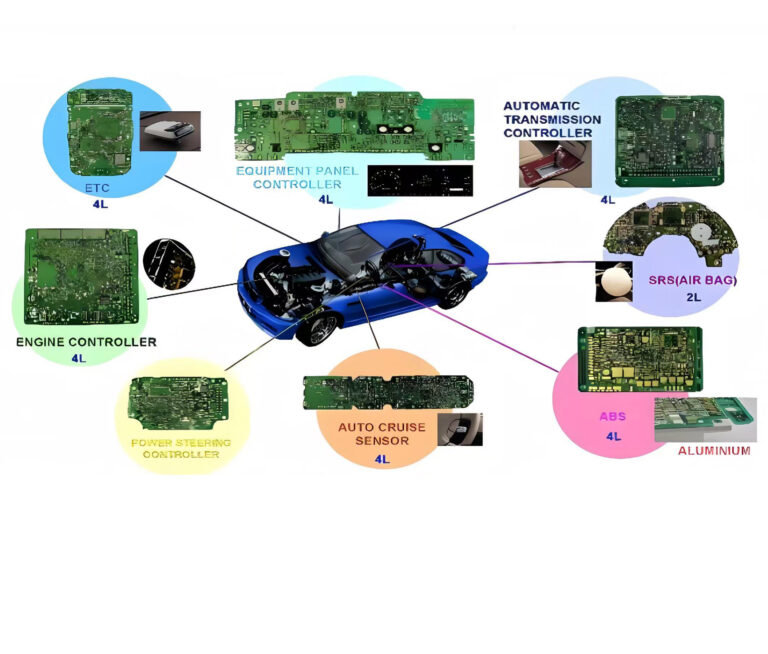
- Automotive Electronics:High thermal, high temperature, and thermally conductive metal-base and ceramic-filled CCLs are used for power inverters, battery management, and sensor modules.
- Industrial and Power Electronics:High reliability, high thermal conductivity boards for motor controllers, power distribution, and lighting.
- 5G & High-Speed Communication:Low-loss and ccl with low dissipation factor are required for maintaining signal integrity in RF, microwave, and antenna modules.
- Medical Devices and Aerospace:PCBs requiring performance and reliability under harsh conditions, integrating fr-5 and high-end polyimide laminates.
LingKey produces multilayer, HDI, RF, metal base PCB products with various CCL systems to serve the consumer electronics, EV power modules, telecom, aerospace and LED lighting industries among others.
The Role of Flexible CCLs and Metal-Base CCLs
- Flexible CCLs:Enable dynamic and space-saving designs for medical probes, wearable gadgets, and foldable mobile devices.
- Metal-base CCLs:Often utilize an aluminum or copper backing for robust high thermal conductivity, used in LED drivers, power supplies, and high-wattage applications.
Selection of Copper Clad Laminate: Tips for PCB Designers and Manufacturing Company Teams
- Electrical Performance Needs
- High-speed signals? Choose low-loss, low dissipation factor CCLs (PTFE, ceramic, advanced FR-series).
- Thermal Management
- Use high thermal or metal-based CCL for applications involving power, lighting, or automotive.
- Mechanical Flexibility
- For wearables and foldable devices, specify flexible CCLs with polyimide, PTFE, or relevant adhesives.
- Environmental and Regulatory Compliance
- For global markets, halogen-free CCLsand RoHS-compliance are required.
- Process Compatibility
- Ensure your CCL supports your pcb assemblyprocess, whether that involves high-temperature lead-free soldering or multilayer stacking.
Leading PCB Manufacturers, Suppliers & Case Study
Supplier | Main Focus | CCL Strengths | Recommended CCL Types |
Isola | High-speed digital | Tight Dk/Df control | IS400, IS620, IS300 |
Rogers Corporation | RF, microwave, 5G | Low-loss, stable Dk | RO4350B, RO3003, TMM |
Kingboard | Mass market, value | Broad material portfolio | KB-6160, KB-5150 |
Shengyi | Green, advanced tech | Halogen-free CCLs | S1130, S1000-2, S1150G |
Nan Ya Plastics | Automotive, power | High thermal conductivity | NP-145, NP-175, composite |
Additional Practical Tips: PCB Prototypes, Assembly, and Services
- Partner with Experienced PCB Manufacturers:When prototyping, choose fabrication partners with deep experience in the PCB industry—they’ll help you select optimal CCL, guide you through the ccl manufacturing process, and provide recommendations for assembly and reliability.
- Manufacturing Services:Leading companies offer bundled pcb manufacturing and assembly, often with an online pcb prototype service that provides DFM checks and quick-turn options using various pcb substrate materials.
- Cost Considerations: The performance of a laminate depends on both material and process quality. Don’t cut corners on supplier audits, and always secure samples for critical production runs.
Frequently Asked Questions
What is the difference between FR-4 and FR-5 in the context of PCB laminate?
Why is dissipation factor (Df) important in high-speed PCB design?
How do halogen-free CCLs support green electronics manufacturing?
Can the same CCL material be used for all board technologies?
Conclusion: Why CCL is Critical for Performance and Reliability
Copper-clad laminate is not only the fundamental material of any PCB, but the performance and reliability of the entire board are also affected by the quality, type and manufacturer of the laminate. With the development of electronics, the demands on low loss, high thermal, flex, and environmentally friendly laminates are growing. With a firm grip on the intricacies of ccl production
Manufacturers, who Partner with LingKey can benefit from Reliable CCL procurement, engineering review and fine pitch PCB fabrication to turn the chosen laminate into real, quantifiable product reliability.