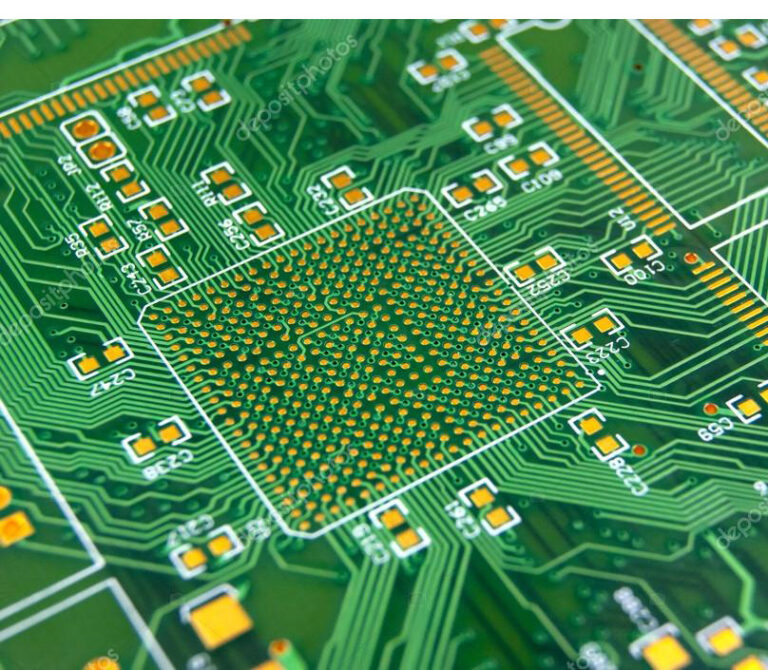
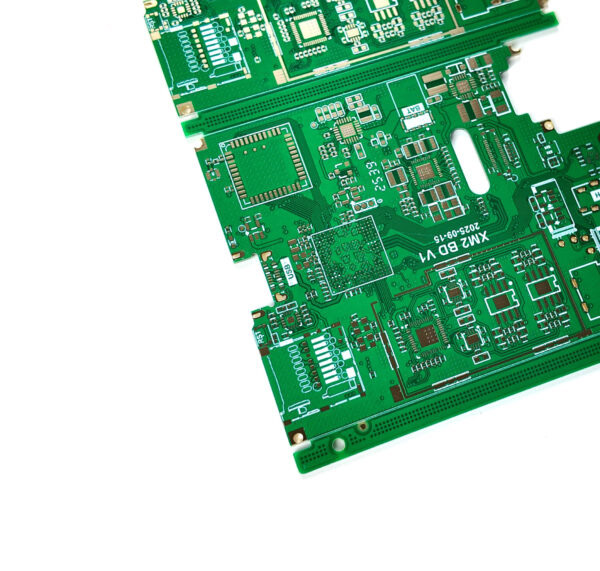
From Circuit Boards to PCBA: The Critical Role of Printed Circuit Board Assembly
Introduction: The Backbone of Modern Electronics
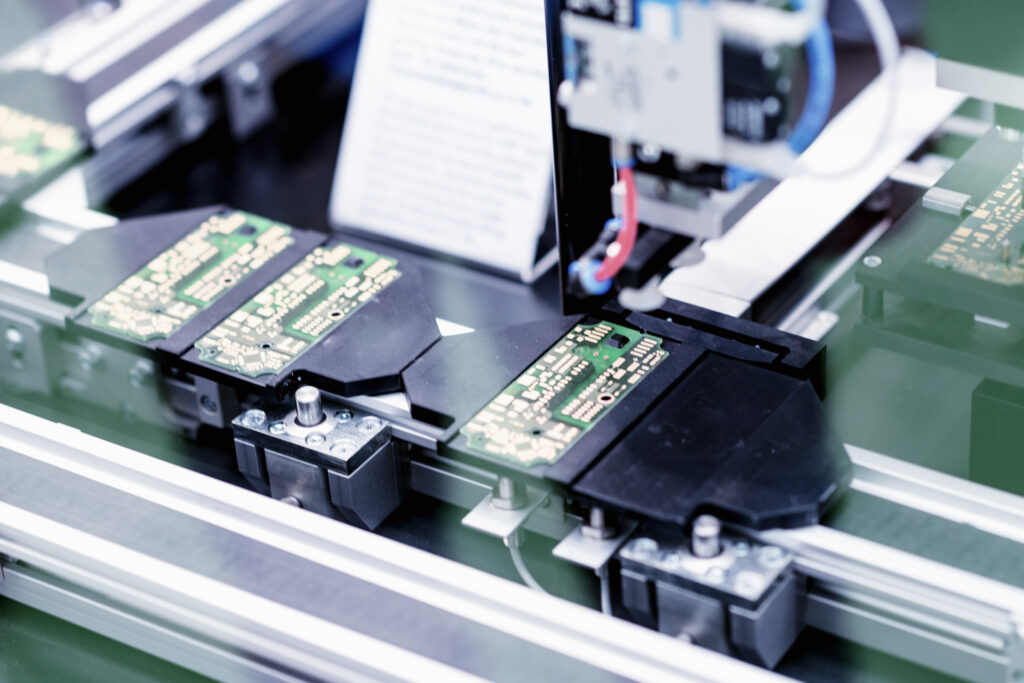
Today’s electronics—be it your smart phone, a car sensor, or an industrial controller—would not be possible without professional pcba project management. The combination of strong pcb assembly process technology, advanced manufacturing, and accurate component positioning converts a plain pcb board into a strong and working electronic product.
Did you know? More than 99% of today’s electronic devices depend on automated PCB assembly for high-volume production, rendering the PCBA process one of the most applicable across the tech industries today.
What is a PCBA?
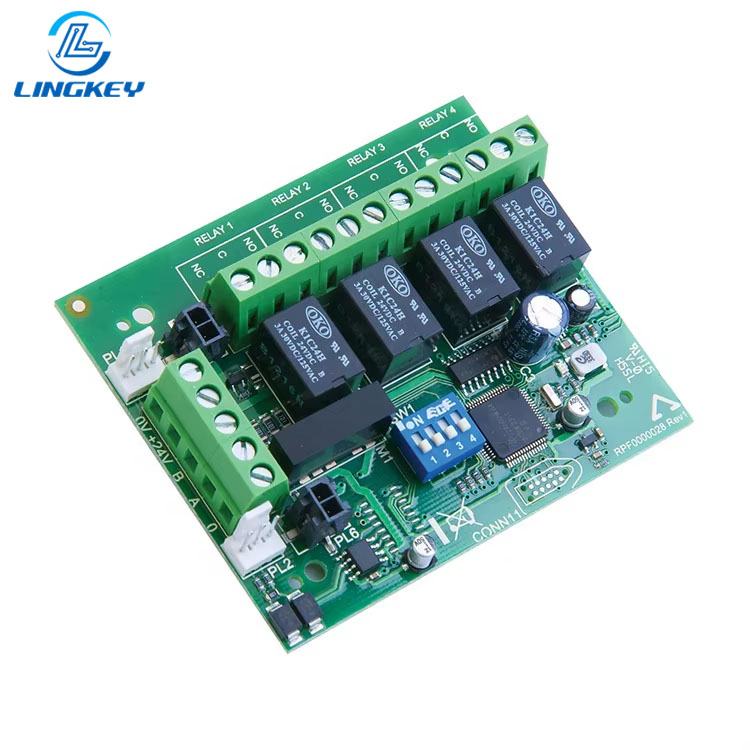
PCBA vs PCB
PCB Board (Bare) | PCBA (Assembled PCB) | |
Made of | Fiberglass, copper foil, solder mask, silkscreen | Board plus all electronic components |
Function | Provides structure & electric pathways | All-in functional electronic system |
Assembly | Needs further processing | Ready to install/test/use in products |
Inspection | Layout and circuit verification | Full system validation/testing required |
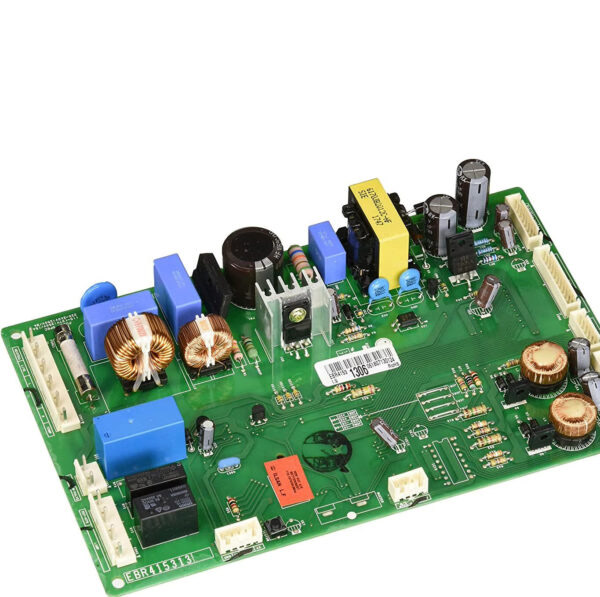
A PCBA consists of the original PCB and all the components, which are attached to it using one or more methods.LingKey’s Engineering Team often helps its customers on similar IoT and smart-home projects for proper component selection, signal integrity and high-yield mass production readiness.
Core Elements of PCBA
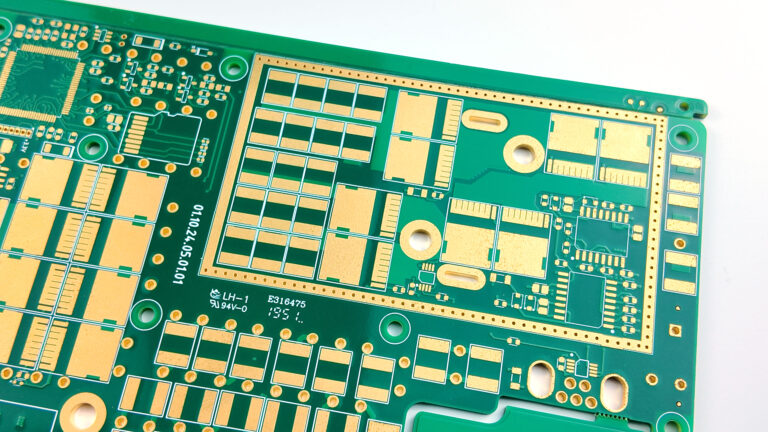
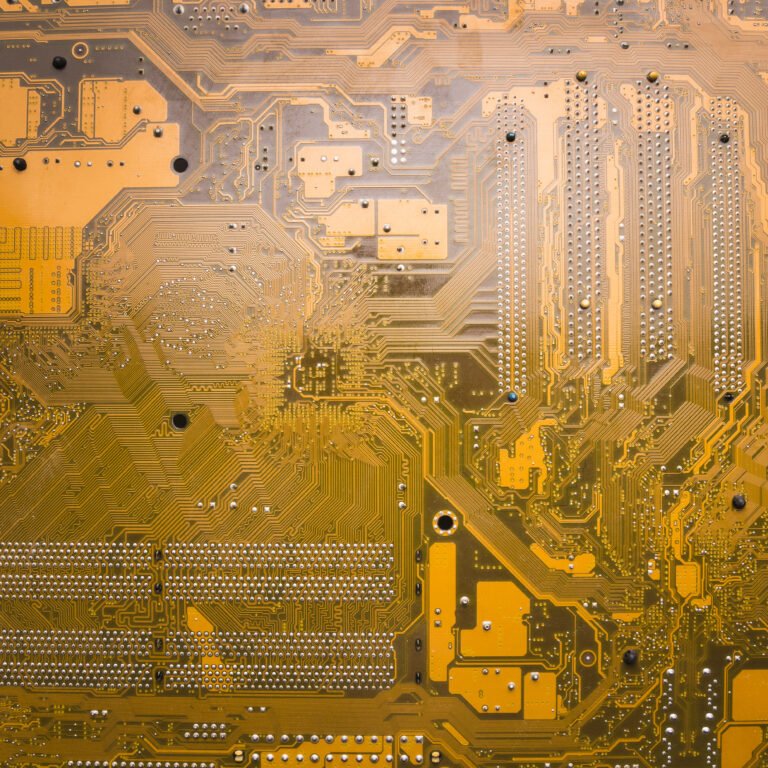
- Copper Foil:Conductive tracks etched on the board.
- Holes on the PCB: Allow assembly of THT components(like pin headers).
- PCB Surface:Solder mask, silkscreen for labeling, pads for SMD mounting.
- Electronic Components:The heart of function—resistors, capacitors, ICs, and connectors.
- Mechanical Parts:Standoffs, heat sinks, and brackets as needed for installed use.
- Solder Joints:Created by merging metal via reflow process or a wave of molten solder.
LingKey will apply IPC-A-610 Level 2 or Level 3 process standards during the soldering process, according to your requirements, to ensure that each solder joint is mechanically and electrically reliable.
PCBA and Functional Quality
Reliable PCBA requires:
- Correct Placement:Small imperfections in alignment can spoil performance (particularly in high-speed or RF layouts).
- Sound Soldering:For electrical integrity and physical durability.
- Traceability: Batch codes, documentation and visual checkpoints to allow rapid root cause analysis should the need arise.
How Do You Get Custom PCB Assembly?
A properly managed pcb assembly project lowers costs, speeds schedules, and increases yield. Here’s how to get started:
Step 1: File Preparation & DFM Review
- File of the PCB:Includes Gerber files (for the layout, copper, mask, drill layers), BOM, pick-and-place files and assembly drawings. Employing universal formats such as IPC-2581 enhances compatibility across manufacturers.
- DFM Review:Consult with your EMS provider when reviewing the board layout, the size of the pads, the spacing, the copper pour and the substitutions of components—DFM prevents surprises in your manufacturing process in the future.
- Pro Tip: Mark critical nets, test points, or high priority components directly in the assembly files.
Step 2: Materials and Components Procurement
- Choose parts that have good long-term availability, and work with suppliers that are known for quality.
- Verify that all small components in the BOM are standard package sizes; custom or legacy parts could increase lead times.
- For HDI boards or RF, check with your partner the stackup, copper thickness and materials supported
LingKey purchases parts only from authorized distributors (i.e. Mouser, Digi-Key, Arrow, Avnet) to maintain traceability and minimize the risk of counterfeit parts.
Step 3: PCB Fabrication
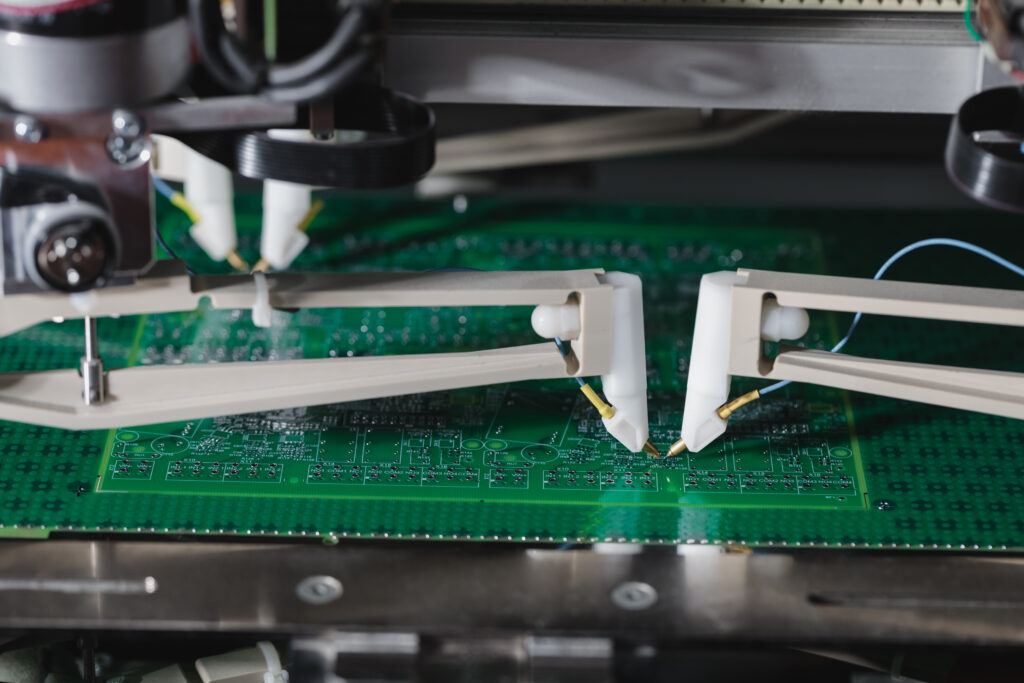
- Ensure your PCB is fabricated with the right specs: correct copper foil thickness, drill tolerances, solder mask geometry, and layer count.
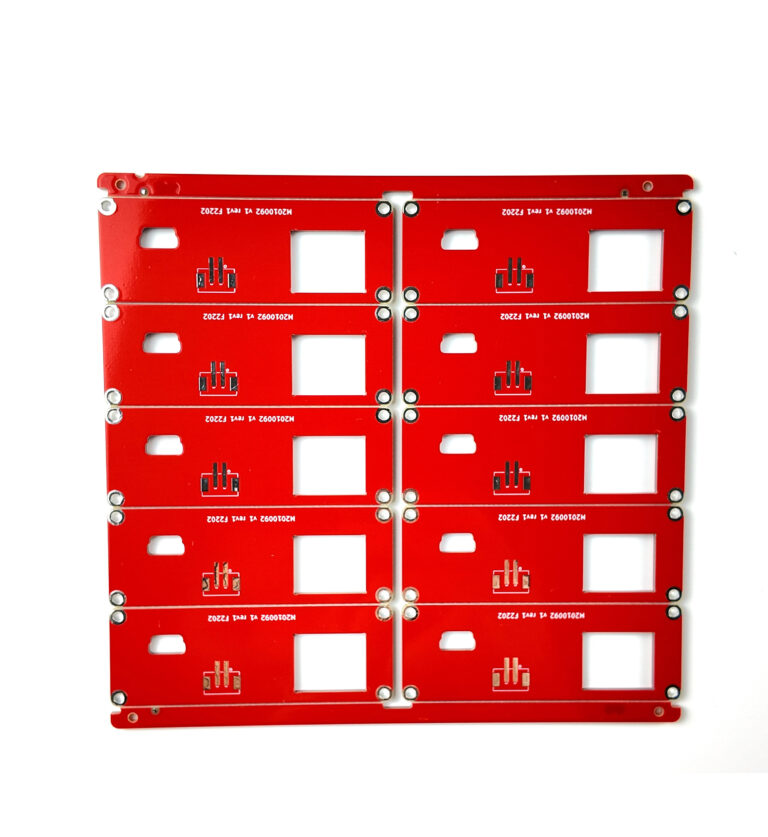
- Panelization is critical for small and unusual shaped boards—consult with your EMS on the optimal panel configuration for their SMT line placement.
The in-house PCB fabrication at LingKey is compatible with FR-4, High-Tg, Rogers, Aluminum, HDI, and rigid-flex stack-ups which provide a smooth connection from bare board fabrication to SMT assembly.
Step 4: The PCB Assembly Process
The pcb assembly process includes these pivotal steps:
Step in PCB Assembly | Action | Relevance |
Solder paste to the board | Stencil applies paste just where SMDs mount | Essential for SMT |
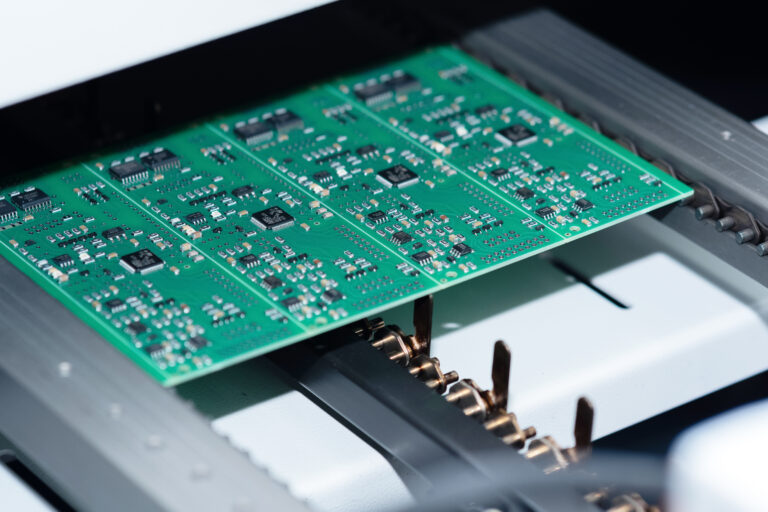
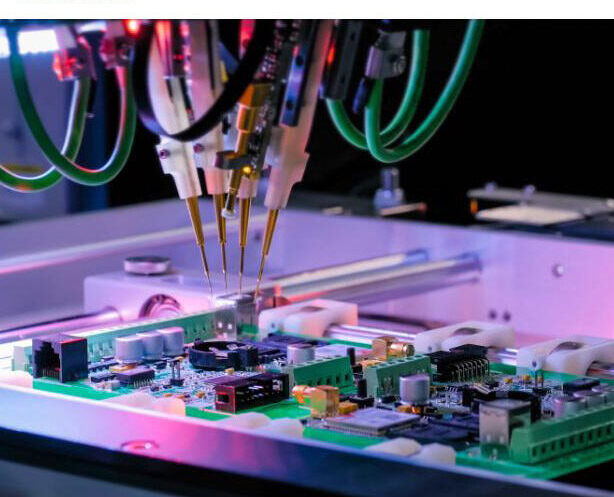
Place components | Automated pick-and-place—places components onto the pcb surface per centroid file | Fastest, most accurate method |
Reflow process | Board is heated, melting paste to form robust solder joints | Ensures components are soldered |
Wave soldering | For THT: assembled boards pass over a wave of molten solder; THT components are inserted | Ideal for mass-production through-hole |
AOI & X-ray | Automatic optical inspection for misplaced, missing, or wrong polarity parts; X-ray for BGAs | Guarantees quality, IPC compliance |
Step 5: Testing and Quality Assurance
- Functional Testing:Simulates device use; verifies that your PCBA works as intended.
- In-Circuit Testing (ICT):Checks point-to-point electrical parameters, catching shorts, opens, and misplaced parts early.
- Additional Testing:May include burn-in, environmental cycling, or firmware programming (burning) steps.
PCBA Manufacturing Technologies: SMT and THT
Surface Mount Technology (SMT)
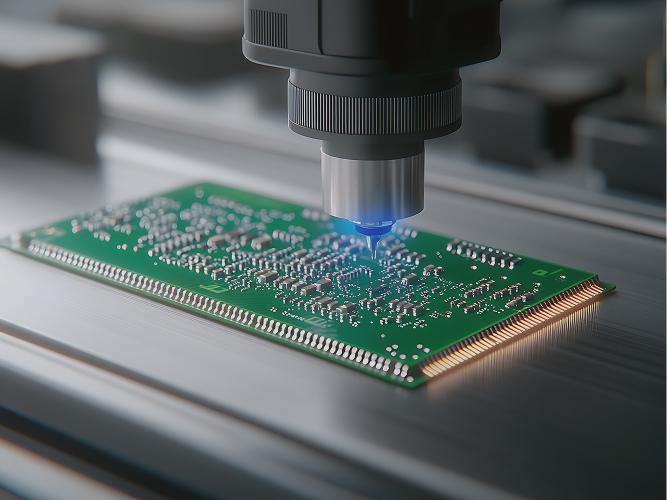
Employed in the majority of small components and popular ICs, the SMT process covers most of the market of pcb assembly services.
SMT Line Workflow
- Solder Paste is Applied:Precisely applied stenciling onto the PCB surface where pads are present.
- Component Placement:The SMT pick-and-place machines quickly locate tens of thousands of components per hour (such as chips, resistors, capacitors, diodes).
- Reflow Process:The loaded panel is conveyed through a temperature controlled oven where the solder paste is reflowed, forming a metallurgical bond between the component and the copper pads.
- AOI and SPI: Automated optical and paste inspection catch errors early.
All lines in the SMT family have SPI prior to reflow and AOI post reflow and all BGA/QFN parts are inspected with 3D X-Ray to guarantee hidden-joint reliability.
Common SMT Issues and Solutions:
Problem | Prevention/Remedy |
Tombstoning | Confirm symmetric pads; correct paste volume |
Bridge Soldering | Reduce paste, optimize reflow profile |
Skewed Placement | Check pick-and-place nozzle and alignment |
Through-Hole Technology (THT)
Certain components — namely those mechanically stressed, or that carry high currents — need to be mounted by inserting leads through holes in the pcb.
THT Steps:
- Components are Inserted:May be automated or manual, especially for high-density pin arrays.
- Wave Soldering:The assembled board is sent over a wave of molten solder, connecting all leads at once.
- Selective Soldering: Used for partially populated assemblies or sensitive board areas.
THT vs SMT at a Glance:
Factor | SMT | THT |
Size | Suitable for fine pitches | Larger components only |
Automation | High, supports automatic optical inspection and fast placement | Lower, more manual or selective automation |
Vibration | Moderate | Best for high-vibration |
Cost | Lower for volume/prototypes | Can be higher for labor |
Use Case | Mobile devices, routers, sensors, where space and weight matter | Power modules, connectors, industrial, automotive |
Mixed Technology, HDI, and Rigid-Flex Boards
Modern electronics often require innovative approaches:
- Mixed-Technology Assembly: A multitude of advanced boards have a combination of SMT (for the majority of small compact components) and THT (for large power, relays, connectors). Some designs even employ double-sided mounting, producing an even greater density.
- High-Density Interconnect (HDI): With products getting smaller and the need for better performance becoming higher, HDI PCBs—with microvias, tighter lines and spaces, and buried/blind vias—help designers fit more functionality into less space. PCBA may need special attention to precision part placement and high reliability soldering to avoid shorts or crosstalk.
- Rigid-Flex & Flexible PCBs: For wearable, foldable electronics, cameras and space applications, flexible or rigid-flex PCBs make 3D packaging possible. PCBA has unique handling and soldering so that the product does not become damaged from mechanical stress.
PCBA Inspection and Quality Assurance
Industry-Leading Inspection Steps
Add strong testing and inspections at every step of the production process, and you reduce expensive recalls and meet the most stringent quality standards.
LingKey offers optional conformal coating (Acrylic, Silicone, Urethane) and ion- contamination testing to the requirements of IPC-CC-830 and automotive environmental levels.
Step-by-Step Testing Checklist:
Solder Paste Inspection (SPI): Just the right amount of paste is dispensed. Tip: Too little paste results in open joints; too much may generate bridges.
Automatic Optical Inspection (AOI): After both placing and soldering, AOI quickly checks component position, orientation, and polarity against the digital design.
X-ray Inspection: Necessary for denseBGAs, HDIs, and stacked packages where joints cannot be visually inspected.
In-Circuit Testing (ICT): Automated test jigs verify electrical operation and capture defects overlooked in AOI.
Functional Testing: Emulate your end-user environment to ensure every assembled PCB works reliably.
Burn-In and Environmental Testing: Extended operation in high/low temperatures, vibration, humidity—for extreme environments or mission-critical applications.
Conformal Coating and Cleaning: Include moisture, dust, or corrosive protection for PCBs going to the harsh environment.
Your One-Stop Solution: Turnkey PCB Assembly Services
Lingkey, a partner that provides one-stop PCB assembly services, will manage your products from DFM to packaging and shipping, and is motivated to maximize your satisfaction at every stage.
Turnkey vs Consignment
Turnkey PCB Assembly: You supply the final design files, and the partner manages the sourcing, assembly, inspection, packaging and shipping — a good fit for reducing risk and accelerating time to market.
Consignment PCB Assembly: You provide the materials and components, or some of them; the assembler just fabricates and assembles the parts.
Why Go Turnkey?
- Streamlined workflow and fewer handover points
- Tighter supply chain management and improved traceability for every PCB assembly process
- More accurate timelines and budgeting on your PCBA project
Advantages of PCBA: Why choose LINGKEY's PCB assembly service?
Time And Cost Efficiency: The production is automated to reduce labor cost and lead time. Material costs can be optimized by purchasing in bulk or in pre-qualified bundles.
Consistency And Reliability: Compliance with international quality standards and to carry out rigorous testing makes that each functional electronic appliance performs according to design.
Miniaturization: Sophisticated surface‑mount, mixed technology and HDI techniques allow for higher feature densities which are critical for today’s portable and IoT products.
Upgradable And Repairable: Clearly labeled assemblies and the consistent documentation facilitate rework or upgrades in the future – as they are in industrial and military PCBA.
Scalability: From building your first prototype to full volume production, the right assembler can scale processes to production volume efficiently.
Applications of PCBA Across Industries
PCBA is essential in:
Industry | Real-World Examples |
Medical | Glucose meters, implantable sensors, hospital monitoring systems |
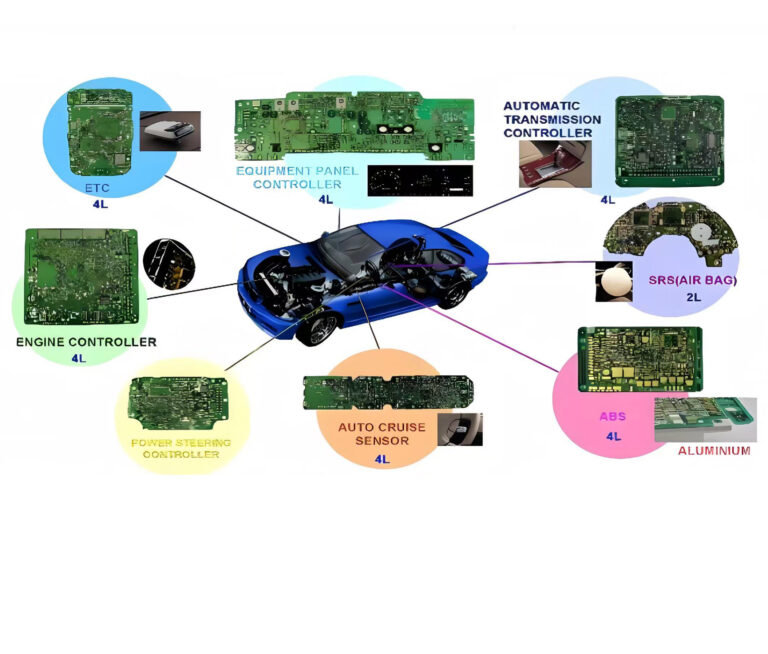
Automotive | ADAS modules, in-vehicle entertainment, battery management systems |
Aerospace | Instrument panels, fly-by-wire controls, propulsion monitoring |
Military | Secure communication modules, guided munitions, ruggedized wearables |
Industrial | PLCs, robotic arms, SCADA modules, actuator controllers |
Consumer | Smartphones, laptops, VR headsets, connected home devices |
IoT/Telecom | Cellular gateways, LPWAN devices, smart meters, infrastructure control |
LingKey has provided PCBA services for medical, industrial automation, consumer electronics, IoT and automotive modules, served the customers worldwide with ISO certified production and rigid traceability.
PCBA Cost Factors & Value Engineering
Your assembly cost is influenced by:
Board Design Complexity: The thicker copper foil, the more layers, and the finer traces, the harder it is.
BOM Optimization: Replace high cost or hard-to-get components with more readily available options where permitted by the design—without affecting the performance.
Production Volume: Fewer units mean less automation, worse unit price, but less upfront investment.
Testing/Certification: More advanced validation testing (AOI, ICT, or prolonged E testing) is expensive, but it removes defects and liability problems later.
Lead Time: Rush jobs incur extra costs; plan in advance to balance cost and market needs.
PCBA Cost Influencers
Cost Factor | Impact | How to Control |
PCB layers, HDI, microvias | High | Use minimum effective spec |
Tiny components, fine pitch | Moderate/High | Use larger components when possible |
Assembly method (manual vs auto) | High for manual | Automate for scale, hand-assemble prototypes |
Materials and components | Variable | Pre-approve alternates in BOM |
Testing level/standards | Medium/High | Test for intended use, not over-test |
Documentation/file quality | Direct savings | Invest in complete, clear file sets |
How to Choose the Right OEM/EMS PCB Assembly Partner
Quality Management:Look for strong ISO 9001 and industry-specific certifications. Ask about their automatic optical inspection, in-circuit and functional testing processes.
Facilities & Tech: Go see or get a virtual tour of their SMT/THT lines. Inquire about machinery maintenance schedules and traceability.
Materials and Components Supply Chain: Only source from reputable suppliers, with clear documentation on every batch.
Test and Inspection Depth: Strong partners provide more than one layer of verification, and not just the minimum.
Flexibility and Volume: Partner with a company that can take you from prototype all the way to high volume production.
Customer Satisfaction Guarantee: Ask for case studies, positive customers, or references to support their statements about quality.
When you choose LingKey as your OEM/EMS partner, you voice a manufacturer that complies with all the major industry requirements, and goes beyond them.LingKey is ISO certified, equipped with state-of-the-art SMT/THT production lines, enforces strict component traceability, and full-testing including AOI, X-ray, ICT and functional testing. In addition to these mandatory requirements, LingKey also offers substantial engineering support with complimentary DFM/DFT reviews, component sourcing from authorized sources, in-house PCB fabrication services, multi-platform PCB assembly (Rigid, Flex, Rigid-Flex), multi-level assembly (single, double, multi-layer documentaries), and scalable solutions ranging from quick prototyping runs to large-scale manufacturing. With proven expertise in medical, industrial, automotive, consumer, and IoT applications, LingKey provides dependable, cost-effective PCBA solutions that are trusted worldwide and enable customers to expedite development and ensure long-term product success
Frequently Asked Questions
Can I assemble multiple products from a single set of files?
How do I reduce costs on my next PCBA project?
What is the most common failure in PCBA—and how do I prevent it?
What is the advantage of using a turnkey pcb assembly service compared to consignment?
How important is quality management and customer satisfaction in PCBA?
Conclusion & Next Steps
The road from a frst concept to a working electronic device is enabled by thorough planning, well-written documentation, and cooperative partnering with an experienced PCBA manufacturer. Every aspect – component sourcing, test planning, manufacturing process and inspection – affects the result of your pcba project. Through solid preparation, partnering with our certified providers and by designing for manufacturability and with robust quality management, you can be assured that your end product will perform as reliably as you imagined.
LingKey is your one stop service provider for professional PCB manufacturing, PCB assembly, testing and turnkey manufacturing from prototype to mass production.