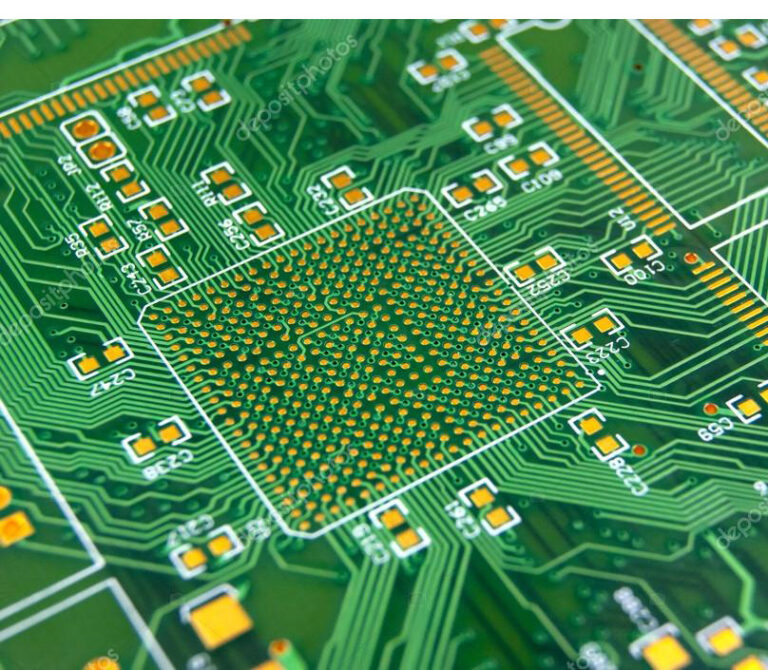
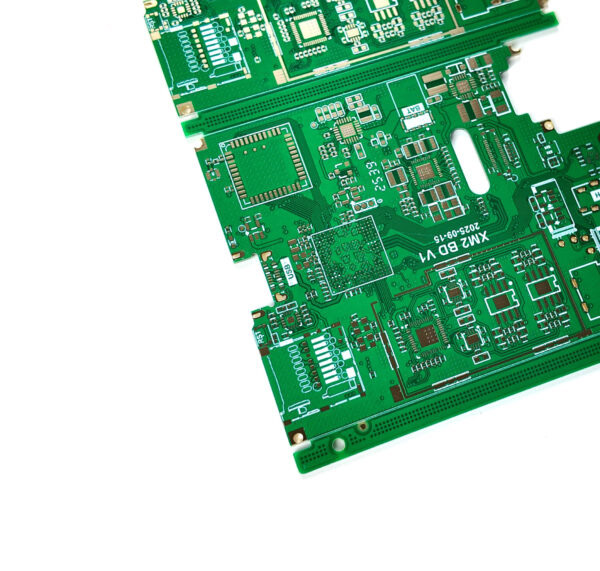
Why Choose Halogen-Free PCBs? Benefits of Halogen Free PCB and Halogen-Free Materials
Introduction: Toward Halogen-Free PCB Manufacturing
Modern electronics, as well as the environment and human health, is leading the change from traditional PCB manufacturing which included halogen elements such as chlorine and bromine to halogen‐free PCBs. With regulations such as the Restriction of Hazardous Substances (RoHS), forward-thinking manufacturers are looking for halogen-free options to minimize toxic fumes and meet global compliance. This article contains everything you need to know about halogen free PCBs – what they are, why they matter and how they’re produced without sacrificing performance.
At LingKey, halogen-free PCB manufacturing is controlled by validated material sourcing, lot traceability, and¨process modification adapted for high- Tg and halogen- free resin systems, enabling stable process in fabrication and assembling.
What Are Halogens Used In PCBs?
Halogens, which include fluorine, chlorine, bromine, iodine, and astatine, have been utilized as flame retardants in compounds within traditional pcbs for decades. Chlorine, bromine and other halogens associated with BFRs and chlorinated compounds are also added directly to the raw materials and solder mask for conventional pcb manufacturing and assembly to achieve flame retardancy. Sadly, when such halide-laden PCBs are incinerated, they release poisonous smoke, endangering both the environment and human health.
Define Halogen-Free: What Does Halogen-Free Mean for PCBs?
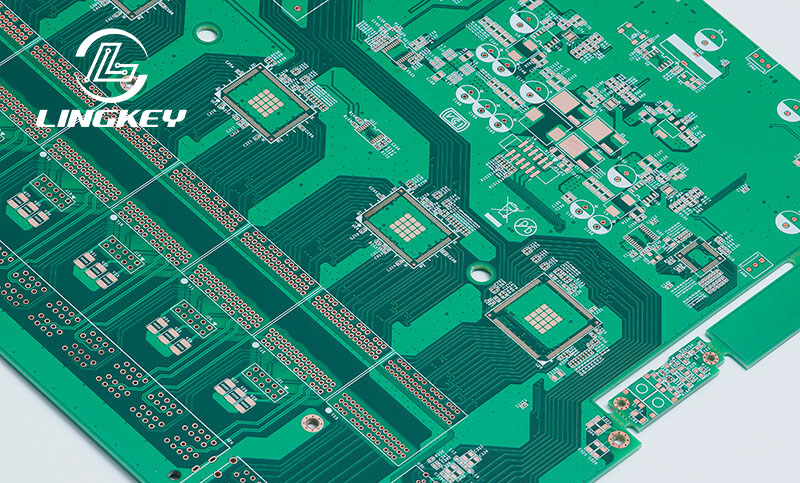
Halogen-free refers to a PCB being manufactured without halogen elements such as chlorine and bromine beyond a defined threshold level. In conformity with the applicable standards test method IEC 61249-2-21 and JPCA-ES-01-2003, halogen-free PCBs are defined as a circuit board in which each material used contains less than 900 ppm of chlorine or bromine and a total of less than 1500 ppm of both.
In order to be considered halogen free, the board must pass all these limits for each and every type of laminate, resin, and soldermask compound applied during the use in pcb manufacturing. This rigorous definition helps ensure that PCBs that are frequently advertised as “green” or environmentally friendly really do help eliminate the hazards of conventional PCBs.
Standards for Halogen-Free PCBs: IEC 61249-2-21 and JPCA-ES-01-2003
These international standards provide halogen-free criteria for copper-clad laminates as well as for assembly materials. They have strict limits on halogens such as chlorine, bromine, fluorine and even trace levels of astatine and they define test procedures to ensure responsible PCB production. These standards must be met by the leading manufacturers in order to supply a compliant halogen-free PCB capable of meeting the critical application demands of today.
Halogen-Free Materials Offer a Safer Compound Solution
Instead of using BFRs or other halides, halogen-free options use phosphorus-based, mineral-based or nitrogen-based flame retardants. These materials are formulated into halogen-free resin systems — typically based on modified FR-4, polyimide or special BT epoxy chemistry — without the inclusion of halogen additives. The result is robust flame retardance with no toxic byproducts: a key element of responsible PCB production.
Feature | Traditional PCBs (with halogens) | Halogen-Free PCBs |
Main Halide Compound | BFRs, TBBPA, Chlorine Additives | Phosphorus-based, Nitrogen-based |
Toxic Fumes When Burned | Yes (dioxins, furans, PBB, PBDE) | No (minimal, safer byproducts) |
Environmental Hazard | High | Lower |
Regulatory Compliance | Limited | Meets RoHS, WEEE |

Halogen-Free Resin Systems and Common Alternatives
Halogen-free resin systems are state of the art, providing high-performance laminates and excellent electrical properties.Typical halogen-free materials are:
- Resin:Modified epoxy, high-Tg polyimide, BT resin, and other halogen-free options
- Flame Retardants:Phosphorus-nitrogen, mineral-based
- Glass Fabric and Fillers:Selection for mechanical strength PCB designers should choose the appropriate halogen-free resin and laminate designed for their application, in particular for high frequency PCBs, flex PCBs, or requesting higher Tg (glass transition temperature).
Manufacturing Process: How Halogen-Free PCBs Are Made
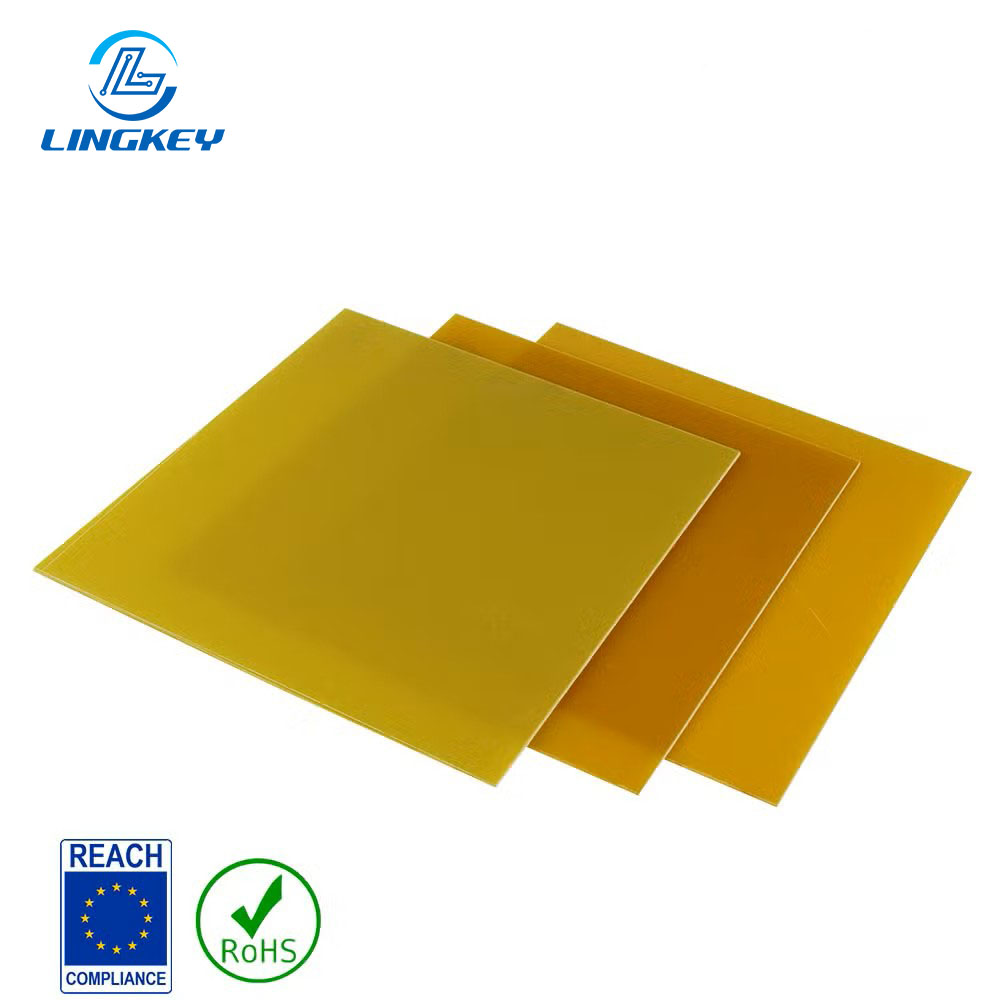
The production and assembly of halogen-free PCBs require a meticulous compound selection, compliant base materials, and specific solder mask formulations that all have been checked to be free of halogens.Key steps include:
- Selection of Halogen-Free Materials:Verified supply chain, full lot traceability
- Fabrication:Modified drilling and lamination due to increased material rigidity and higher Tg
- Assembly:Soldering and reflow temperatures can be higher due to enhanced thermal stability
- Testing:Strict compliance and validation using IEC 61249-2-21, IPC, and in-house lab standards
- Final QC:Inspection for electrical, thermal, and mechanical integrity—without compromising performance
Key Properties and Performance of Halogen-Free PCBs
Halogen-free PCBs offer exceptional performance for modern electronic applications:
- Thermal Stability:Higher Tg supports demanding environments.
- Electrical Properties:Lower dielectric loss for high-speed, high-frequency PCB needs.
- Mechanical Strength:More robust against flexing, making them ideal for flex PCBs and high-reliability modules.
- Moisture Resistance:Improved compared to some traditional PCBs for reliable, long-term use.
- Flame Resistance:Pass UL94 V-0 without halogen-based retardants.
Benefits of Halogen-Free PCB Materials: Why They’re a Smart Choice
The application of halogen-free material is beneficial for the producers as well as the consumers:
- Environmental Protection:Limits toxic fumes and hazardous waste.
- Regulatory Compliance:Essential for RoHS, WEEE, and regional environmental legislation.
- Health & Workplace Safety:Safer for both PCB production workers and end-users.
- Brand & Market Competitiveness:“Green” compliance is a selling point in competitive markets.
- Reliability:Halogen-free circuits provide better or comparable performance, particularly for high-frequency, high-Tg, and advanced applications.
Challenges in Selecting Halogen-Free PCBs
Halogen-free PCBs do offer advantages, but selecting and handling the appropriate halogen-free materials provides challenges:
- Higher Base Material Costs:Halogen-free laminates are typically more expensive.
- Manufacturing Complexity:Drilling and soldering require tighter controls.
- Supply Chain:Fewer halogen-free options; verification of compliance is critical.
- Application Matching:PCB designers must match the right halogen-free compound to application requirements—such as selecting high-frequency PCB materials for telecom or data centers.
Cost Analysis and Industry Trends Toward Halogen-Free Production
Although the investment is larger at the beginning, we can see the clear trend of an increasing number of producers going halogen-free because of the growing requirements of responsible PCB sourcing and manufacturing. Numerous markets and OEMs now demand halogen-free PCBs as a baseline qualification which is driving down costs and increasing the selection of halogen free supply partners.
Applications: Where Halogen-Free PCBs Make the Difference
Halogen-free PCBs are critical in any application where the environment is not only safe and reliable, but also green:
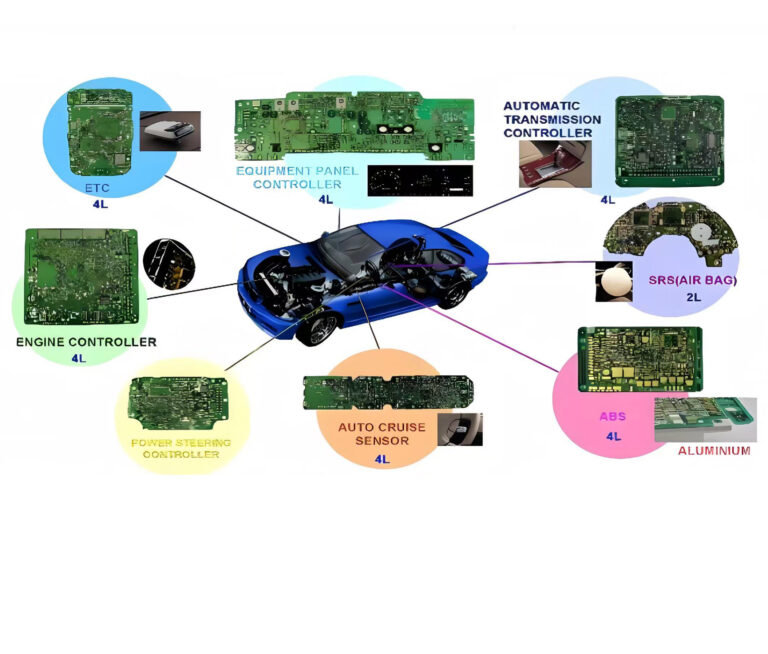
- Automotive Electronics & Industrial Control Equipment
- Medical Devices
- Telecommunications, High-Speed Network, and Data Centers
- Consumer Electronics and High-End Computing
- Flex PCBs and apps that need the best-in-class bend performance In these fields, the halogen free PCBs are usually the substitute for the traditional PCBs owing to the rigorous regulations and the pursuit of higher reliability, especially for high frequency PCB application which requires low dielectric loss and strong signal integrity.
What PCB Designers Need to Know About Halogen-Free Alternatives
For the contemporary PCB manufacturer, the selection of halogen free options is not a matter of simply selecting the appropriate resin system. It requires a cognizance of the ripple effect on the fabrication process, product lifecycle and regulatory environment. Halogen-free design is not only the use of TBBPA-free materials, but also the compliance to all limits related to halogens such as chlorine and bromine according to the IEC 61249-2-21 and JPCA-ES-01-2003 standards.For high-frequency, high-Tg, and flex PCBs, halogen-free materials offer advantages without compromising performance, including:
- Enhanced high-frequency signal transmission
- Greater environmental resilience in harsh conditions
- Compatibility with advanced solder mask chemistries without halogen
Since the industry is moving towards halfogen free, it is very important that the PCB designers and engineers have knowledge of the new compound formulations and that the manufacturer is aware that their PCB manufacturer can produce and assemble halogen free PCB.
When you’re a PCB designer or engineer, working with a manufacturer like LingKey, knowing that halogenfree material selection, stack-up design, and assembly compatibility are considered at the same time, means less risk and a faster product qualification timeline.
FAQs: Everything You Need to Know About Halogen-Free PCBs
What are halogen-free PCBs?
Do halogen-free materials impact board performance?
Are all traditional PCBs non-halogen-free?
Why are halogen-free PCBs more expensive?
What testing is required to confirm halogen-free compliance?
Why Choose LingKey as Your Halogen-Free PCB Manufacturer?
Selecting the right halogen-free PCB manufacturer is crucial for PCB designers that want to be responsible, compliant, and deliver high performance solutions.Our team includes:
- Industry-leading selection of halogen-free laminates and halogen-free resin systems
- Extensive experience in PCB manufacturing and assembly with complete traceability
- Certified compliance with IEC 61249-2-21 and JPCA-ES-01-2003
- Custom solutions for flex PCBs, high-frequency PCBs, and high-Tg designs
- End-to-end support for cost analysis, materials selection, and global environmental compliance
We assist you in the transition to halogen-free PCBs to comply with regulatory, market and sustainability objectives—at no cost to quality or performance.