Purple PCB Board: A Comprehensive Guide to Purple PCB Boards, PCB Color, and Electronics
Introduction
PCBs are the backbone of modern electronics, acting as the base platform on which a wide range of electronic components are interconnected and supported. With the progress of PCB production and the increasing competitiveness among brands, the color of PCB began playing a strategic role in both the product aesthetics and functional quality. The purple PCB has become a favorite of innovators and trendsetters and turns out to have some real advantages over plain green PCBs or other colors such as blue and black. In this comprehensive article, you will learn the reasons why purple PCB boards are preferred, their pros and cons, and how you could use them for your next project.
What is a Purple PCB?
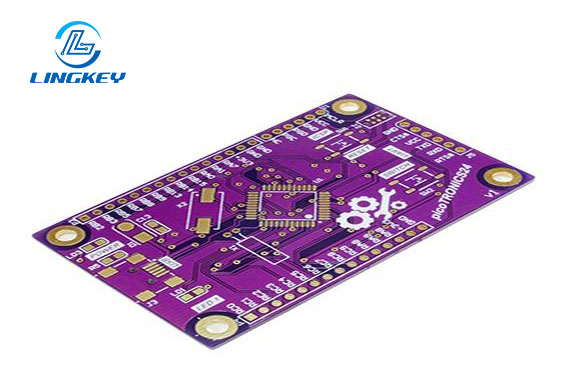
A purple PCB is a pcb board with a purple solder mask a special mask layer is formed over the copper traces. Rather than regular green or blue PCBs, the purple hue comes from purple ink in the solder mask, making for a more visually-striking and easily identified board that feels more innovative. The application of the purple solder mask technology is regarded as raising the product to a higher level for brand awareness and aesthetic differentiation.
Purple pcbs are popular for their ability to pop in a saturated market, assist with product line differentiation, and even enable more efficient board assembly and inspection. The selection of purple is thus both a marketing and design decision as it contribute to a premium image and is often associated with quality or exclusivity.
Overview of PCB Solder Mask Colors
The solder mask layers applied in pcb board manufacturing serve multiple purposes:
- They form a protective layer over copper traces, prevent solder bridges, and ensure durability.
- The color of the PCBis determined by the pigment or dye mixed into the solder mask during the pcb production
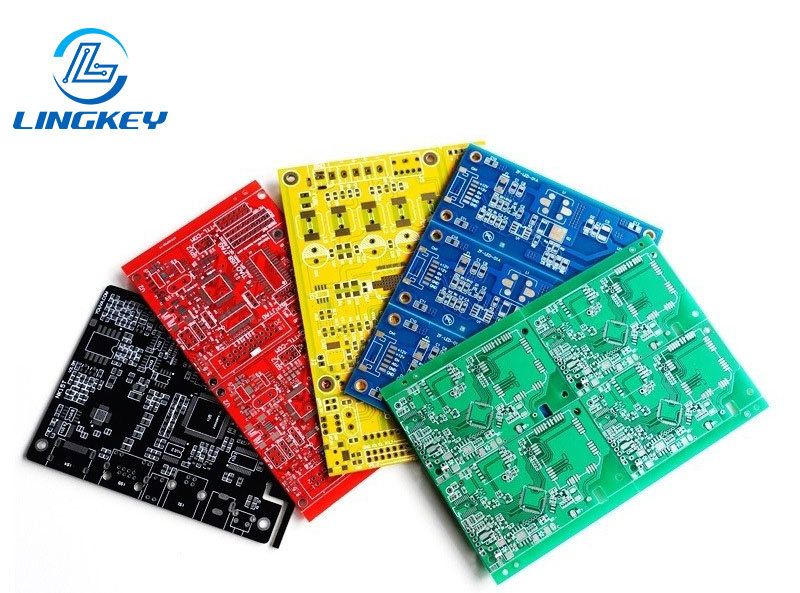
Colored pcbs are offered in various shades, each with unique properties and visual effects. Here’s a quick comparison:
PCB Color | Main Benefits | Favored For | Cost Considerations |
Green (standard) | High contrast, universal | Mass production, cost | Low |
Blue | Stylish, moderate contrast | Consumer electronics | Low to medium |
Black | Sleek, modern, challenging AOI | Premium devices | Medium |
Red | Bold, high visibility | Branding, prototypes | Medium |
White | For LEDs, difficult contrast | Lighting | Med-High |
Purple | Unique, high contrast, branding | Innovation, marketing | High |
Purple PCB boards are especially popular for high-value, limited-edition electronics, as their color implies exclusivity and advanced engineering.
Advantages and Benefits of Purple PCBs
Aesthetic Appeal & Brand Recognition
The benefit of purple PCB design is mostly the eyes pleasing look which allow companies to stand out on the market with the product. In products where aesthetic differentiation is critical — such as premium consumer electronics or custom audio equipment — the vibrant purple solder mask layer offers instant visual differentiation and powerful brand recognition.
Component Visibility and Inspection
PCB aids in assembly and inspection, as the purple mask layer color contrast with standard solder, and silkscreen colors make even the smallest electronic components pop. This more recognizable pattern makes it easier for manual or machine quality inspections (AOI), error reduction, and general efficiency in manufacturing.
Associated with Innovation
Utilizing purple PCB is often viewed as innovative, so purple PCB producers are beloved among high-tech companies and startups that want to design their brand as futuristic and forward-thinking. The purple hue allows these products to stand out from the plain and signals creative engineering.
Market Differentiation
Purple PCBs are preferred by brands owners who want a significant point of difference. A unique color of the board can be matched with the overall design and marketing of the product and also serve as an additional barrier to counterfeiting and theft of intellectual property.
Technical Advantages
- Improved performance of the PCB in terms of heat and UV resistance when manufactured with advanced solder mask technology.
- Compatibility with ENIG and advanced surface finishes.
- Purple PCB meets the requirements for high-frequency and RF circuits, supporting IoT and 5G applications.
Potential Disadvantages and Limitations of Purple PCBs
Despite their assets, purple PCB boards do present some drawbacks:
- Cost Considerations:The purple ink is costlier and not as easily obtainable as the standard green PCB pigments, which increased the unit cost especially for small batches or prototypes.
- Limit the Choice of Suppliers:Since not all manufacturers produce purple, your options for pcb board manufacturers may be limited, and it can lead to longer lead times.
- Color Consistency:Stable color between lots is more difficult to achieve than on traditional green or blue PCBs as a result of pigment variability.
- Market Acceptance:Conservative markets may still prefer green, viewing it as a sign of reliability.
- Durability Concerns:Some purple boards, if produced with poor quality ink or process, might exhibit quicker fading in UV or severe condition.
- Production Complexity:More complex handling might lead to higher risk on yield losses, particularly in large scale production.
Purple PCB vs. Green PCB
There are a few key differences when comparing purple PCB in contrast with the usual green boards. Purple PCB offers us better visual differentiation, marketing potential, and quality control inspection. Green PCBs, on the other hand, are considered industry-standard and most cost-effective.
Comparison Aspect | Purple PCB | Green PCB |
Visual Impression | Premium, innovative, exclusive | Standard, industry default |
Production Cost | Higher (due to purple ink and special process) | Lowest |
Supplier Options | Limited, may require extensive experience to ensure quality | Widely available |
Performance of the PCB | Comparable if made to spec | Known and trusted |
Branding Possibilities | Very strong | Basic |
AOI & Inspection | Excellent due to color contrast | Very good |
Lead Times | Often longer, especially for custom shades | Fastest |
Design and Technical Considerations for Purple PCBs
When you select purple for your PCB, you must pay more attention to the design during both the board design and production phases:
- Mask Layer Thickness:The thickness adds to the uniformity of the purple color and the shielding of the copper shapes.
- Legend Printing:Make sure the silkscreen (legend) color will work with the purple mask for best readability in assembly and maintenance.
- Material and Dielectric Properties:Employ high-grade FR4 or custom substrates to enable superior dielectric performance particularly in high-end or high frequency applications.
- Layout Optimization:Careful board design further leverages the benefits of using purple, highlighting test points and connectors.
- Compatibility Testing:Especially for complex electronics, make sure that the performance won’t be compromised by using non-standard solder mask materials.
- Solder Mask Technology:More advanced techniques, such as finer patterning and better adhesion, may be applied for complex and miniaturized patterns.
Manufacturing Process of Purple PCBs
Purple PCBs are manufactured with higher requirements of pcb board making process to make the characteristic purple solder mask layer and sophisticated electrical performance:
- Design and Manufacture:Create detailed board design files specifying the use of purple for the solder mask.
- Pretreatment:Boards are cleaned, prepped, and checked for copper surface quality.
- Pattern Imaging:Circuit paths are patterned with photoresist. The excess copper foil is removed to form the traces.
- Application of Purple Ink:The purple solder mask is precisely applied using modern inkjet or screen-printing methods; purple ink is more expensive, raising cost.
- Curing:Boards are UV or heat cured to solidify the mask layer.
- Legend Printing:Component details are added on the cured purple mask, typically in contrasting white.
- Surface Finish:Common finishes like ENIG are applied for durability.
- Electrical Testing:Each pcb board undergoes thorough testing, including AOI and X-ray inspection.
Board Assembly:Finally, through SMT or THT, the electronic parts are assembled, after the boards are finished on another visual and electrical testing for ensuring the best performance of the PCB in final application.
These stages, particularly the accurate dispensing of purple solder mask and curing, need considerable know-how and strict control of process parameters. The end result is a purple PCB with a solid, high gloss finish that not only looks excellent, but also performs dependably in harsh environments.
Applications of Purple PCBs
Purple boards are becoming more popular in many industries and applications in which the beauty is as important as the technical requirement:
Premium Consumer Electronics: Lines of products that want to differentiate themselves, such as high end smart phones, smart home gadgets and boutique wearables, employ purple PCBs to convey luxury, creativity and exclusivity. The purple PCB allows brands to double down on a premium identity and make their devices instantly recognizable.
Professional Audio Equipment: Audio industry brands love the aesthetic differentiation and manufacturability inspection friendliness purple PCBs offer. This is particularly critical when dealing with complex analog or RF circuits where it is necessary to have clear visibility of the layout and the solder joints.
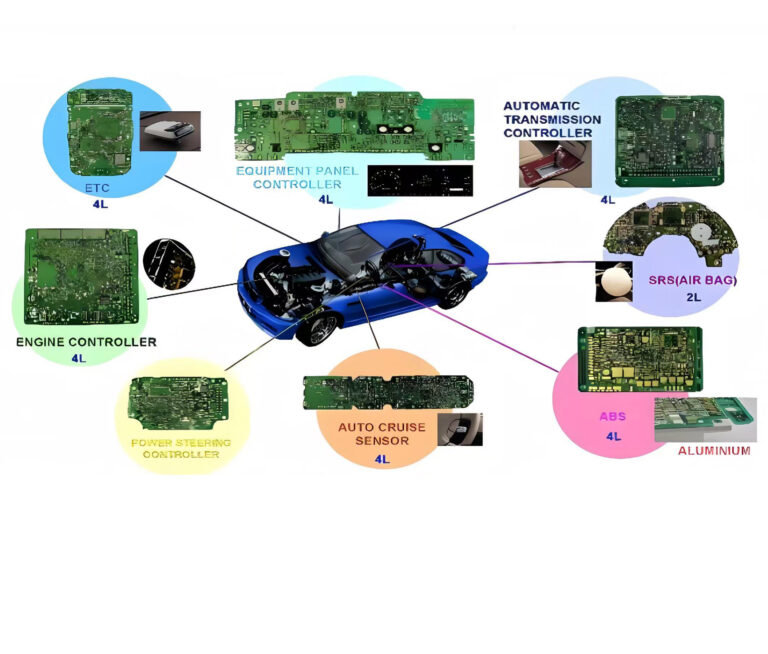
Automotive and Industrial Electronics: In automotive electronics and industrial sensors, PCB color coding (including purple) assists engineers with the assembly and maintenance of boards, predominantly in multi-board systems.
Medical Devices: Medical electronics are frequently in need of accurate scrutiny and unambiguous labeling. Purple PCB boards provide visual contrast enabling faster assembly and also strengthen medical device portfolio branding.
IoT and RF/5G Devices: For IoT modules, 5G products as well as RF/microwave circuits, the purple PCBs are more popular as they represent high-end or cutting-edge technologies.
Education and Maker Communities: The distinctive color is a motivation and utility to STEM kit and DIY users, it help users intuitively identify the difference between modules.
While a purple PCB is preferred in these segments, manufacturers should take into account cost considerations and longer lead times for project planning.

How to Choose and Buy Purple PCBs
When sourcing purple PCB boards, consider these steps:
- Research Supplier Capabilities:Not all factories provide purple ink, or they do not apply solder mask consistently.Choose a manufacturing partner such as LingKey which has proven expertise in purple solder mask and tight color uniformity and yield control.
- Assess Design Considerations:Consider how the purple mask will affect legend printing, AOI, and the general
- Request Samples:Prior to mass production, get your purple PCB samples to confirm color vibrancy and durability.
- Review Cost and Lead Time:Consult with suppliers on cost implications—keep in mind that purple ink is pricier and may increase lead times.
- Volume and Custom Options:Ask if custom shades are possible and check for order minimums.
- Evaluate Support:Ensure your supplier provides support from PCB design to final board assembly.
Design Tips for Successful Purple PCB Projects
- Silkscreen Color:Opt for white or yellow silkscreen on the purple mask layer to maximize visibility.
- Pad and Trace Sizing:Maintain clearances suited to your chosen solder mask thickness and color visibility.
- Aesthetic Planning:Apply the sensational purple pcbs color for special editions or to cement your brand
- Quality Assurance:Verify that the color and surface finish of the PCB comply with your needs in terms of both form and function, particularly for high speed or analog
- Prototype Thoroughly:Check using rapid prototyping that performance of the pcb is not compromised by the mask or any modification in the pattern
Frequently Asked Questions About Purple PCBs
Are purple PCBs more expensive than standard green PCBs?
Does purple PCB design affect the performance of the PCB?
Are purple boards harder to manufacture?
Why choose purple over black PCBs or colors like blue?
What’s the main advantage of using a purple solder mask layer?
Is it harder to find suppliers for purple boards?
Alternatives and Future Trends
Color Trends: Although purple is the color of choice for high-end and custom series, designers may also use colours such as blue, red or black to align with product ranges or specialise by function.
Sustainability: Green solder mask chemistry is on the rise providing a lower impact on the environment also for colored PCBs.
Industry Adoption: Adoption of purple PCB and other colored pcb is likely to increase, especially in IoT, RF/5G hardware, and high end/luxury electronics.
Advanced Manufacturing: As mask layer technology development and pigment uniformity enhance, the limit to using purple pcbs will be lower, thus they will become even more applicable.
Conclusion
Purple PCB boards are the result of high-level pcb board production, unique product visual design and high performance. They are a perfect solution for brands and engineers who want to differentiate themselves through aesthetics, ease of manufacturing, and a strong presence in the market. Although cost control and extended lead time are necessary, the benefit of to have purple PCB – especially in high-end consumer electronics, medical instrumentation and novel applications – make them an increasingly popular option.
Launch your purple PCB project with a manufacturer that has extensive experience in colored PCB manufacturing and assembly like LingKey, where precise solder mask control and dependable production methods allow unique designs to be realized as consistent, high quality products.